How Much Is Just a Tire And What Most People Need to Know
The cost of a single tire can range from $50 for budget options to $300 or more for premium models. Tire price depends on size, brand, type, and where you shop. Understanding what drives the cost helps you make a smart purchase and avoid overpaying.
If you have ever needed to replace a single tire, you know the sticker shock can be real. Many drivers walk into a shop expecting to spend a modest amount, only to walk out with a bill that feels way too high. So, how much is just a tire? The answer is not as simple as picking a number off a shelf. A lot goes into the price, and understanding those factors puts you in a much better position to make a smart buy.
This guide breaks down everything you need to know about tire cost. We will cover what determines the price, what you can expect to pay for different types of tires, and how to save money without sacrificing quality. Whether you need a single replacement or want to be prepared for the next time, this article has you covered.
Let us be upfront: there is no one-size-fits-all answer. A tire for a compact sedan costs very differently from a tire for a full-size truck. But by the end of this read, you will know exactly what to expect and how to get the best value for your money.
Key Takeaways
- Tire prices vary widely: Budget tires start around $50, while premium tires can cost $300 or more per unit.
- Tire size is the biggest factor: Larger tires and specialty sizes always cost more than standard sizes.
- Installation adds to the total: Expect to pay $15 to $45 per tire for mounting, balancing, and valve stem replacement.
- Brand reputation matters: Well-known brands charge more but often offer better tread life and warranties.
- Timing your purchase saves money: Buying tires during seasonal sales or end-of-model-year promotions can cut costs significantly.
- Maintenance extends tire life: Regular tire rotation and proper tire pressure help you get the most miles out of every tire.
📑 Table of Contents
What Determines The Cost Of A Tire
Not all tires are created equal. Several key factors drive the price tag on every single tire. Understanding these factors helps you make sense of why some tires cost $60 and others cost $250 or more. Let us walk through each one.
Tire Size Matters A Lot
The size of your tire is the single biggest price driver. A standard sedan tire might be an 18-inch or 19-inch wheel. A large truck or SUV could use a 22-inch or even 24-inch tire. Bigger tires use more rubber, more material, and more engineering. That all adds up to a higher price.
Here is a simple breakdown of how size affects cost:
- Compact tires (13 to 15 inches): Usually the most affordable. These are common on economy cars and small sedans.
- Mid-size tires (16 to 18 inches): The most common size. Prices are moderate and widely available.
- Large tires (19 to 22 inches): These cost more due to extra material and specialized construction.
- Oversized or specialty tires (22+ inches): Can be very expensive, especially for performance or off-road use.
If you have ever wondered why a tire for a truck costs so much more than a tire for a Honda Civic, size is the main reason. More rubber, more sidewall, and more structural reinforcement all mean a higher manufacturing cost.
Tire Brand and Quality Tier
Brand reputation plays a huge role in tire cost. You will generally find tires grouped into three tiers: budget, mid-range, and premium. Each tier offers different levels of performance, durability, and warranty coverage.
Budget tires are made by lesser-known manufacturers or are entry-level products from bigger brands. They meet safety standards but may not last as long or perform as well in wet or cold conditions. These are a solid choice if you need a quick, affordable fix.
Mid-range tires strike a balance between price and performance. They offer good tread life, decent handling, and reliable all-season capability. Most drivers will find the best value in this category.
Premium tires come from top brands like Michelin, Bridgestone, and Continental. They feature advanced rubber compounds, superior tread designs, and longer warranties. You pay more upfront, but the tire lifespan is often significantly longer.
Tire Type and Purpose
The type of tire you need also affects the price. Different tires are built for different jobs, and that engineering shows up in the cost.
- All-season tires: The most common and affordable type. They handle dry, wet, and light snow conditions.
- Summer performance tires: Designed for warm weather and sporty driving. They offer better grip but wear faster.
- Winter tires: Built with special rubber compounds for cold weather. They are a seasonal investment.
- All-terrain tires: Common for trucks and SUVs. They handle both on-road and off-road driving.
- Run-flat tires: Allow you to drive on a flat tire for a limited distance. They cost more due to reinforced sidewalls.
Choosing the right type for your driving habits is important. Buying a winter tire when you live in a warm climate is a waste of money. And buying a budget all-season tire for a performance car may leave you wanting more grip.
Average Tire Prices By Type
Now let us get into the numbers. Keep in mind that prices vary by region, retailer, and current market conditions. These are general ranges you can expect in 2024 and 2025.
Budget Tires: $50 to $100 Per Tire
Budget tires are the most affordable option on the market. Brands like Federal, General, and certain lines from larger manufacturers fall into this category. These tires are perfectly safe and meet federal standards, but they may not offer the longest tread life or the quietest ride.
Budget tires are a great choice when:
- You need a temporary replacement while saving up for a better tire.
- The vehicle is driven infrequently or for short distances.
- You are on a tight budget and need to get the car back on the road quickly.
The trade-off is that budget tires may need replacement sooner. Over time, the savings can shrink if you are replacing tires more frequently.
Mid-Range Tires: $100 to $200 Per Tire
This is the sweet spot for most drivers. Mid-range tires from brands like Goodyear, Hankook, and Falken offer solid performance, good tread life, and reliable handling in most conditions. You get a great balance of price and quality.
For the average commuter driving 12,000 to 15,000 miles per year, a mid-range tire will typically last between 40,000 and 60,000 miles. That works out to a very reasonable cost per mile.
Premium Tires: $200 to $350+ Per Tire
Premium tires are the top tier. Brands like Michelin, Pirelli, and Continental lead this category. These tires use advanced technology, superior rubber compounds, and precision engineering. The result is better grip, longer life, quieter rides, and improved fuel efficiency.
You will often find premium tires on luxury vehicles, performance cars, and trucks that carry heavy loads. The upfront cost is higher, but the tire lifespan and performance benefits can justify the investment for many drivers.
| Tier | Price Range Per Tire | Typical Lifespan | Best For |
|---|---|---|---|
| Budget | $50 – $100 | 30,000 – 40,000 miles | Temporary use, low-mileage drivers |
| Mid-Range | $100 – $200 | 40,000 – 60,000 miles | Daily commuting, family vehicles |
| Premium | $200 – $350+ | 60,000 – 80,000+ miles | Performance vehicles, long-term ownership |
Installation And Additional Costs You Should Know
The price tag on the tire is not the only cost you will face. There are additional fees that come with getting a new tire mounted and balanced. Understanding these costs helps you budget properly and avoid surprises at the checkout counter.
What Is Included In Tire Installation
When a shop installs a new tire, the service typically includes several steps. Each step has its own labor cost, and these add up quickly.
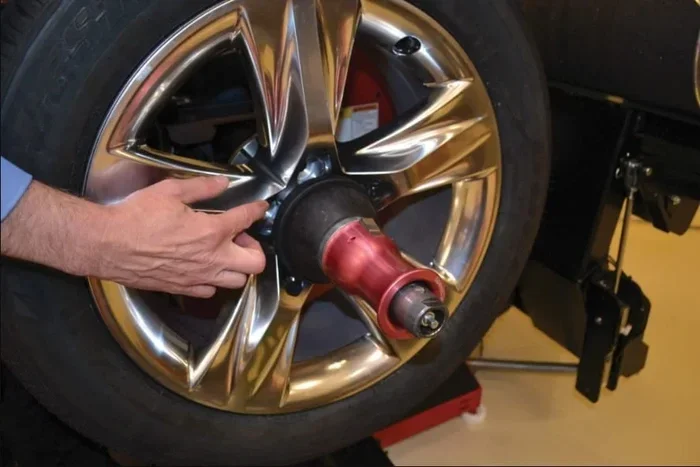
- Mounting: Removing the old tire and mounting the new one onto the rim. This usually costs $15 to $25 per tire.
- Balancing: Ensuring the tire and rim assembly is evenly weighted. This prevents vibrations and uneven wear. Expect $10 to $20 per tire.
- Valve stem replacement: A new valve stem is often required. This costs around $5 to $10 per tire.
- Tire pressure check: The shop will verify proper tire pressure before you leave. This is usually included in the installation fee.
- Tire rotation: Some shops include a free rotation with installation. This is a great perk that extends tire life.
All told, installation can add $30 to $60 per tire to your total bill. If you are replacing all four tires, that is an extra $120 to $240 on top of the tire cost. Always ask for a full breakdown before the work begins.
Will A Dealer Charge A Diagnostic Fee For Tire Inspection
Some drivers wonder whether a dealership will charge a fee just to inspect their tires. The answer depends on the dealership and the reason for the visit. If you are bringing the vehicle in specifically for a tire inspection, some dealers may apply a diagnostic fee. However, many dealers will waive this fee if you proceed with the tire purchase through them. It is always worth asking upfront. You can find more details about dealer diagnostic fees in our guide on do dealers charge a diagnostic fee.
Rim And Wheel Costs
If your tire damage extends to the rim, you will face additional costs. Steel rims are cheaper and typically cost $50 to $100 to replace. Alloy rims can range from $100 to $300 or more depending on the vehicle. In some cases, a damaged rim can be repaired for $50 to $75, which is a more affordable option.
How Long Do Tires Last And When Should You Replace Them
Knowing how much a tire costs is only half the battle. Understanding how long tires last helps you calculate the true cost of ownership. Nobody wants to replace a tire too early, but driving on a worn tire is a safety risk.
Tire Tread Depth And Safety
The legal minimum tread depth in most states is 2/32 of an inch. You can check your tread with a simple penny test. Insert a penny into the tread groove with Lincoln’s head facing down. If you can see the top of his head, your tread is too worn and the tire needs replacement.
New tires typically come with about 10/32 of an inch of tread. As a general rule:
- 8/32 to 10/32: Brand new. Full performance and grip.
- 5/32 to 7/32: Good condition. Still safe for most driving.
- 3/32 to 4/32: Getting worn. Consider planning for replacement soon.
- 2/32 and below: Legally worn out. Replace immediately.
Regularly checking your tire tread is one of the simplest and most important maintenance habits you can build. It costs nothing and can prevent accidents.
How Weather Affects Tire Life
Weather plays a bigger role in tire wear than most people realize. Extreme heat and extreme cold both take a toll on rubber over time.
On the hot side, prolonged exposure to direct sunlight and high temperatures can cause the rubber to dry out and crack. If you have ever left a car parked in direct sun for days, you may have noticed the tires look faded or feel harder. This is the UV and heat breaking down the rubber compound. To understand how much heat your vehicle endures, check out our article on how hot a car can get in the sun.
On the cold side, temperatures below freezing can cause tire pressure to drop significantly. Low pressure leads to uneven wear, reduced fuel efficiency, and increased risk of blowouts. If you live in a cold climate and your car sits for extended periods, the cold can accelerate tire degradation. Learn more about how long a car can safely sit in cold conditions in our guide on how long a car can sit in cold weather.
How Many Miles Should A Tire Last
Most tires are rated for between 40,000 and 80,000 miles depending on the type and brand. Here is a general expectation:
- Budget tires: 30,000 to 40,000 miles
- Mid-range tires: 40,000 to 60,000 miles
- Premium tires: 60,000 to 80,000+ miles
Your actual mileage will depend on driving habits, road conditions, tire pressure maintenance, and how regularly you rotate your tires. A driver who racks up highway miles will wear tires differently than someone who does mostly short city trips.
Tips For Saving Money On Tires
Replacing tires does not have to break the bank. With a little planning and smart shopping, you can cut costs significantly without sacrificing safety or quality.
Buy During Seasonal Sales
Tire shops often run promotions during spring and fall when tire demand peaks. Shopping during these periods can save you 10 to 20 percent. Some retailers also offer discounts on tire packages that include mounting, balancing, and road hazard protection.
Consider Refurbished Or Remanufactured Tires
Remanufactured tires are professionally restored tires that have been inspected, retreaded, and tested. They cost significantly less than new tires and can offer excellent performance. Look for remanufactured tires that come with a warranty and have been inspected by a certified facility.
Shop Around And Compare Prices
Do not just go with the first shop you find. Tire prices can vary by $20 to $50 per tire between retailers. Check online tire retailers, local shops, and warehouse clubs. Some warehouse clubs like Costco and Sam’s Club offer competitive tire prices and include installation in the cost.
Maintain Your Current Tires
The best way to save money on tires is to make the ones you have last longer. Simple habits make a big difference:
- Check tire pressure at least once a month.
- Rotate your tires every 5,000 to 7,500 miles.
- Avoid aggressive acceleration and hard braking.
- Get a wheel alignment if you notice pulling or uneven wear.
- Keep tires properly balanced to prevent premature wear.
These habits cost you almost nothing but can add thousands of miles to your tires. That is money saved in the long run.
Quick Tips For Tire Shopping
- Know your tire size before you shop. Check the driver’s side door jamb or your owner’s manual.
- Read reviews before buying. Real driver experiences are more helpful than marketing claims.
- Ask about tire warranties. Some brands offer road hazard protection and tread wear guarantees.
- Do not forget about the spare tire. If your spare is also worn, factor that into your budget.
- Consider the total cost, not just the price per tire. Installation, balancing, and disposal fees all add up.
Common Mistakes People Make When Buying Tires
Even experienced drivers sometimes make costly mistakes when purchasing tires. Avoiding these pitfalls can save you money and headaches.
Mistake 1: Buying the cheapest option without considering quality. A $50 tire might seem like a great deal, but if it lasts 25,000 miles instead of 50,000, you are actually paying more per mile.
Mistake 2: Ignoring tire age. Tires degrade over time, even if the tread looks fine. A tire that is six years old may need replacement even if the tread depth is still good. Check the DOT code on the sidewall to find the manufacture date.
Mistake 3: Not checking for recalls or complaints. Before buying a tire brand or model, search for any recalls or common complaints. A bad batch of tires can compromise your safety.
Mistake 4: Skipping the alignment. A new tire without a proper alignment will wear out unevenly and prematurely. Always get an alignment after tire replacement if the shop recommends it.
Mistake 5: Mixing tire types on the same axle. Always replace tires in pairs or all four at once. Mixing different tire brands, sizes, or tread patterns can affect handling and safety.
Final Thoughts
So, how much is just a tire? The honest answer is it depends on a lot of factors. A budget tire might set you back $50, while a premium tire could cost $300 or more. Installation adds another $30 to $60 per tire, and rim damage can bring the total even higher.
The key takeaway is that understanding tire cost empowers you to make better decisions. You do not have to accept the first price you are quoted. Shop around, compare options, and choose the tire that fits your budget and driving needs.
Remember, tires are the only part of your car that touches the road. They affect your safety, fuel efficiency, and driving comfort. Investing in the right tire and maintaining it properly pays off every time you get behind the wheel. Take your time, do your research, and you will find the perfect tire at the right price.
Frequently Asked Questions
How Much Does It Cost To Replace Just One Tire?
The cost to replace a single tire typically ranges from $50 for a budget tire to $300 or more for a premium tire. Add another $30 to $60 for installation, and your total comes to roughly $80 to $360 per tire depending on the type and size you need.
Is It Okay To Replace Just One Tire?
Yes, replacing just one tire is fine if the other tires on the same axle have similar tread depth and wear. However, if the remaining tires are significantly worn, it is best to replace them in pairs to maintain balanced handling and traction.
How Often Should I Replace My Tires?
Most tires last between 40,000 and 80,000 miles depending on the brand, type, and driving conditions. Check your tread depth regularly and watch for signs of uneven wear, cracking, or reduced grip. These are clear signals that replacement is needed.
Can I Buy Tires Online And Have Them Installed Locally?
Yes, many online tire retailers offer delivery to a local installation partner. This can save you money compared to buying directly from a shop. Just make sure to confirm the installation fees and any additional charges before you place your order.
Does Tire Warranty Cover Blowouts And Damage?
Many premium and mid-range tires come with a road hazard warranty that covers blowouts and damage from road debris. Budget tires may have limited or no warranty. Always check the warranty details before purchasing to understand what is covered.
What Is The Cheapest Way To Buy A New Tire?
The cheapest way is to buy a budget tire during a seasonal sale and have it installed at a warehouse club or discount tire center. You can also consider remanufactured tires, which cost significantly less than new tires while still offering safe and reliable performance.