How Many Gallons Does a Toyota Corolla Gas Tank Hold
The Toyota Corolla gas tank holds between 13.2 and 15.3 gallons depending on the model year. Knowing your fuel tank capacity helps you plan trips, estimate fuel costs, and avoid running out of gas. This guide covers every generation, driving range, refueling steps, and fuel type recommendations.
The Toyota Corolla is one of the most trusted sedans on the road. Its reputation for reliability and fuel efficiency makes it a daily driver favorite. But if you are new to the model, you might wonder exactly how much fuel it can carry. The answer to how many gallons does a Toyota Corolla gas tank hold depends on the generation and trim. Most modern Corollas carry between 13 and 15 gallons. Understanding this number helps you plan road trips, budget for fuel, and avoid the stress of running on fumes.
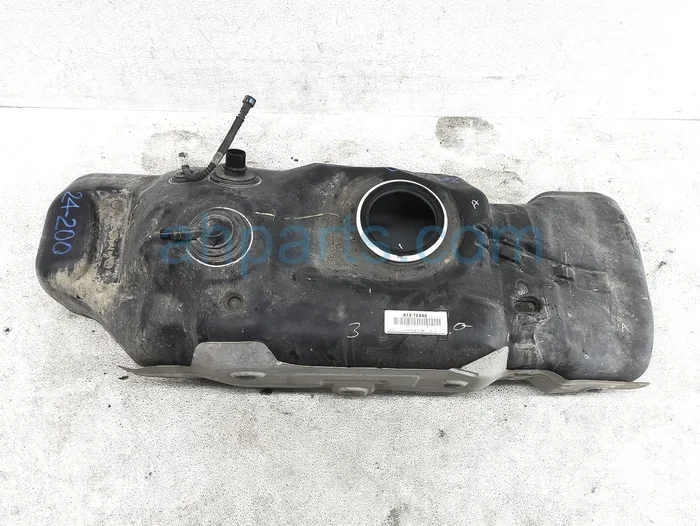
Your Toyota Corolla gas tank is a key part of the car’s overall design. Engineers balance tank size against weight, aerodynamics, and interior space. A smaller tank can mean better fuel economy because the car carries less weight. A larger tank gives you more miles between fill-ups. This guide breaks down the exact capacity for every major generation, shows you how far a full tank takes you, and shares practical tips for refueling and maintenance.
Key Takeaways
- Tank Size: Modern Corollas (2019–2024) carry 13.2 gallons, while older models (2008–2013) held up to 15.3 gallons.
- Driving Range: A full tank gives you roughly 350–420 miles, depending on fuel economy and driving habits.
- Fuel Type: The Corolla runs on regular unleaded 87 octane. Premium gas offers no benefit.
- Refueling: The fuel door is on the left rear quarter panel and releases from inside the cabin.
- Maintenance: Keeping tires inflated and the air filter clean boosts MPG and extends range.
- Common Mistakes: Overfilling the tank and ignoring the check engine light waste fuel and can damage the car.
📑 Table of Contents
Toyota Corolla Gas Tank Capacity By Generation
The fuel tank size has changed over the decades as Toyota refined the Corolla platform. Below you will find the capacity for each major generation. This information helps you understand what to expect when you buy a used model or compare it to other cars.
2019–2024 Toyota Corolla Gas Tank Size
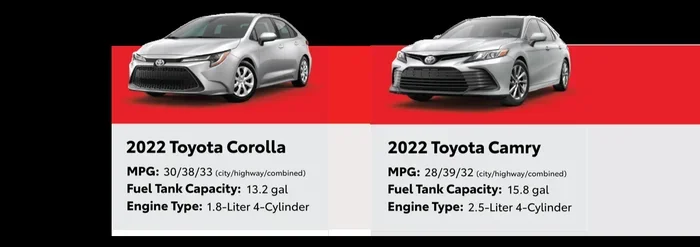
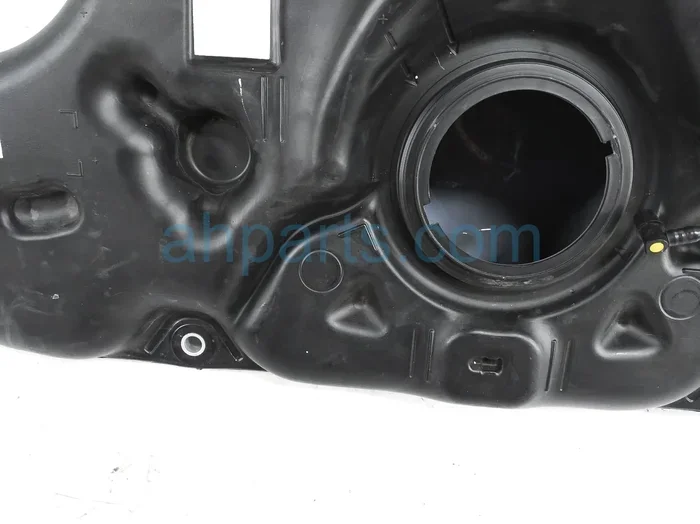
The current generation Corolla sedan carries a fuel tank capacity of 13.2 gallons. The Corolla Hybrid also uses a 13.2-gallon tank. This size is a deliberate choice. Toyota prioritized weight reduction and packaging for the new platform. With an EPA-estimated 32 miles per gallon combined, a full tank gives you roughly 422 miles of theoretical range. In real-world driving, most owners report 380–400 miles per tank. The tank sits under the rear seat, a common layout for front-wheel-drive sedans. This placement keeps the center of gravity low and frees up trunk space.
2014–2018 Toyota Corolla Tank Capacity
The previous generation (E170) Corolla also held 13.2 gallons. The 2014–2018 models used a 1.8-liter four-cylinder engine paired with a continuously variable transmission. Fuel economy was slightly lower at 30 mpg combined, yielding about 396 miles on a full tank. The gas tank design remained similar, with the fuel door on the left rear quarter panel. The release lever is located on the driver’s side door panel, just below the window. This generation remains popular on the used market, and its tank size is identical to the newer models.
Older Models (2008–2013 and Earlier)
The E130/E140 generation (2008–2013) increased capacity to 15.3 gallons. This larger tank size gave the Corolla a longer range, making it a favorite for road trips and commuting. Even older models like the E120 (2003–2007) held around 15.0 gallons. The Toyota Corolla gas tank grew smaller in later generations as engineers focused on reducing curb weight and improving fuel efficiency. If you own an older Corolla, you likely have a bigger tank than a newer one.
| Generation | Years | Tank Capacity (Gallons) | Approx. Range (Miles) |
|---|---|---|---|
| E120 | 2003–2007 | 15.0 | ~480 |
| E130/E140 | 2008–2013 | 15.3 | ~490 |
| E150/E160 | 2014–2018 | 13.2 | ~396 |
| E170/E180 | 2019–2024 | 13.2 | ~422 |
This table shows how fuel tank capacity has evolved. Modern Corollas trade some tank size for better fuel economy and lighter weight. The result is a car that sips fuel rather than guzzles it.
How Far Can You Drive on a Full Tank?
Calculating Range from Tank Size
To find your driving range, multiply the tank capacity by the fuel economy. For a 2024 Corolla with 13.2 gallons and 32 mpg, the math is 13.2 × 32 = 422 miles. This is the theoretical maximum under ideal conditions. Real-world factors like traffic, air conditioning, and highway speeds reduce this number. Most drivers find that a full tank of regular gas takes them 350 to 400 miles. If you want to see how a smaller amount of fuel translates to distance, check our guide on how many miles 12 gallons of gas lasts. That article breaks down the math and real-world variables.
Real-World Driving Range
Owner reports vary, but the consensus is clear. A modern Corolla sedan can easily cover 350 miles on a single fill-up. The Corolla Hybrid stretches that range further because it uses less gas in city driving. In stop-and-go traffic, the hybrid system recovers energy and reduces fuel consumption. On the highway, both the standard and hybrid models deliver excellent range. Keeping your tank at least a quarter full ensures the fuel pump stays cooled and prevents sediment from clogging the system.
How to Open and Refuel the Toyota Corolla Gas Tank
Locating the Fuel Door
The fuel door on a Toyota Corolla is on the left side, near the rear bumper. It has a small fuel pump icon molded into the surface. Inside the cabin, there is a fuel door release mechanism on the driver’s side door panel. It may be a lever or a push button depending on the model year. Pulling or pressing it pops the door open. If the release is broken, you can manually open the door by reaching behind the left rear quarter panel and lifting the latch.
Step-by-Step Refueling
Refueling a Corolla is simple and straightforward. Follow these steps for a safe and efficient fill-up:
- Park the car on a level surface and turn off the engine.
- Open the fuel door using the interior release lever or button.
- Remove the gas cap by turning it counterclockwise. Set it aside in the cap holder on the fuel door.
- Insert the nozzle into the fuel inlet. Select your fuel grade.
- Squeeze the handle to start pumping. The pump will automatically shut off when the tank is full.
- Replace the gas cap by turning it clockwise until you hear a click.
- Close the fuel door firmly until it latches.
For a more detailed visual walkthrough, our article how to pump gas step by step covers the entire process with tips for avoiding common mistakes.
Does the Corolla Take Regular or Premium Gas?
Recommended Fuel Type
The Toyota Corolla is designed to run on regular unleaded gasoline with an octane rating of 87. Using premium gas is not necessary and will not improve performance. The owner’s manual explicitly states that 87 octane is sufficient for all standard Corolla engines. The engine control module is calibrated for regular fuel, and using a higher octane will not unlock extra horsepower.
What Happens If You Use Premium?
Premium fuel costs more but offers no benefit in a standard Corolla. The engine’s compression ratio is tuned for regular gas. Some drivers use premium hoping for a cleaning effect, but modern detergents in regular fuel handle that just fine. If you are unsure about fuel types or want to explore alternative options, read our piece on whether you can put premium gas in a Toyota Corolla. It covers the differences and explains why sticking with 87 octane is the smart choice.
Tips to Maximize Your Corolla’s Fuel Tank
Driving Habits for Better MPG
Small changes in how you drive can significantly improve your fuel economy. Try these habits to get the most out of every gallon:
- Avoid rapid acceleration. Gentle starts use less fuel.
- Maintain a steady speed. Use cruise control on highways when safe.
- Keep tires properly inflated. Underinflated tires create rolling resistance.
- Remove excess weight. Clean out your trunk and remove roof racks when not in use.
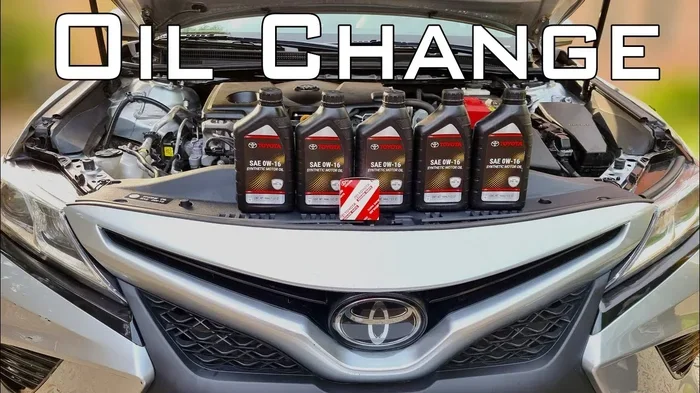
- Use the correct oil grade. Synthetic oil can reduce engine friction.
These habits can improve your fuel economy by 10 to 20 percent. That effectively increases your range from a full tank, saving you money at the pump.
Maintenance Tips
A well-maintained engine burns fuel more efficiently. Follow these simple maintenance steps:
- Replace the air filter every 15,000 to 30,000 miles.
- Use the manufacturer-recommended oil and change it on schedule.
- Keep the fuel system clean with a quality fuel additive every few tanks.
- Address any warning lights promptly, especially the check engine light.
Regular maintenance ensures your fuel tank capacity translates into maximum miles. A clogged fuel filter or dirty oxygen sensor can rob you of efficiency.
Common Mistakes That Waste Fuel
Overfilling the Tank
Some drivers top off the tank until the pump clicks multiple times. This can cause fuel to expand and vaporize, leading to evaporation losses. It can also damage the charcoal canister in the evaporative emissions system. The pump is designed to shut off automatically when the tank is full. Let it do its job. If you accidentally spill fuel, wipe it up and avoid starting the engine until the smell dissipates.
Ignoring the Check Engine Light
A glowing check engine light can indicate a rich fuel mixture or a faulty oxygen sensor. This wastes gas and increases emissions. It can also cause you to fail an emissions inspection. If the light comes on, investigate it quickly. For help clearing codes, see our guide on how to clear a check engine code. Addressing the root cause saves fuel and protects your engine.
Driving with a Near-Empty Tank
Running the tank too low can cause the fuel pump to overheat. The pump relies on gasoline for cooling, and low fuel levels expose it to air. Over time, this can shorten the pump’s lifespan. Keep at least a quarter tank of fuel at all times. This habit is especially important in cold weather, where moisture can condense in an almost-empty tank and freeze fuel lines.
Expert Insight: “The Corolla’s small but efficient tank is a deliberate design choice. Engineers prioritize weight reduction and aerodynamics over raw capacity. The result is a car that sips fuel rather than guzzles it.” – Automotive Engineer
Quick Tip: Always keep a spare gas cap in your trunk. Losing the original cap can trigger a check engine light and allow fuel vapors to escape. A replacement cap costs just a few dollars and takes seconds to install.
Conclusion
Knowing how many gallons does a Toyota Corolla gas tank hold empowers you to drive with confidence. Whether you own a 2024 model with 13.2 gallons or an older E130 with 15.3 gallons, understanding your fuel tank capacity helps you plan trips, estimate costs, and maintain your car properly. The Corolla’s reputation for efficiency is well-earned, and a little attention to refueling habits and maintenance goes a long way. Follow the tips in this guide, and your Corolla will keep running strong for miles to come.
Frequently Asked Questions
How many gallons does a 2024 Toyota Corolla gas tank hold?
The 2024 Toyota Corolla sedan has a fuel tank capacity of 13.2 gallons. The Corolla Hybrid also uses a 13.2-gallon tank. This size balances weight and range for excellent fuel economy.
Can I put premium gas in my Toyota Corolla?
Yes, you can, but it is not recommended. The Corolla is designed to run on regular unleaded 87 octane fuel. Premium gas offers no performance or efficiency benefit and simply costs more.
How far can a Toyota Corolla go on a full tank?
A modern Corolla can travel roughly 350 to 420 miles on a full tank. The exact distance depends on the model year, driving habits, and road conditions. The Corolla Hybrid often achieves the longest range in city driving.
Where is the fuel door release on a Toyota Corolla?
The fuel door release is located on the driver’s side door panel, just below the window. It is a lever or a push button that pops the fuel door open on the left rear quarter panel.
Why does my Corolla’s fuel gauge drop quickly?
Rapid fuel gauge drops can be caused by a faulty fuel sender, a leak in the fuel system, or driving habits like aggressive acceleration. If you notice a sudden change, have the vehicle inspected by a qualified mechanic.
How do I open the gas tank if the release lever is broken?
If the interior release is broken, you can manually open the fuel door by reaching behind the left rear quarter panel and lifting the latch. For a general guide on opening fuel doors across models, see our article on how to open the gas tank on a CX50.