How Long Does It Take to Order a Car From the Manufacturer
Wondering how long does it take to order a car from the manufacturer? The car ordering process typically takes 60 to 120 days, but your manufacturer lead time can vary based on customizations, production schedules, and car shipping logistics. This guide walks you through every stage of the build and delivery journey, from placing your custom order car to the final handshake, so you know exactly what to expect.
How long does it take to order a car from the manufacturer? It is a question every new car buyer asks. The answer is not a single number. It depends on the brand, the model, your choices, and the global supply chain. For most people, the car ordering process takes between two and four months. Some orders arrive in six weeks. Others stretch to six months or more.
Understanding the manufacturer lead time saves you from frustration. You will know when to expect your custom order car and how to avoid common pitfalls. This guide breaks down every step of the build and delivery journey. You will learn what happens inside the factory, how car shipping works, and what you can do to speed things up. Let us walk through the real timeline together.
Key Takeaways
- Typical wait time: Most factory orders take 60 to 120 days from order to delivery.
- Customization adds time: Special colors, trims, and options can extend the vehicle production time by weeks.
- Tracking helps: You can monitor your order status online or through your dealer once the allocation number is assigned.
- Common delays: Supply chain issues, weather, and incorrect paperwork are the top culprits.
- Speed tips: Choose popular configurations, confirm dealer vehicle allocation early, and stay proactive.
📑 Table of Contents
The Real Timeline for Ordering a New Car
The car delivery timeline starts the moment you place your order. It ends when the keys land in your hand. In between, your vehicle goes through production, quality checks, and logistics. Here is a look at the typical phases.
What Affects the Wait Time?
Several factors shape how long you wait. Your choices matter a lot. A base model with no options builds faster than a fully loaded custom order car. The brand matters too. Some manufacturers have shorter production schedules than others. Seasonal demand also plays a role. Buying a popular model in December can add weeks to your manufacturer lead time.
Other factors include:
- Vehicle allocation: Dealers receive a set number of spots. If your dealer has no allocation, you wait longer.
- Supply chain delays: Chip shortages or parts shortages can stall factory order builds.
- Custom features: Unique paint colors, leather trims, and advanced tech packages require longer vehicle production time.
- Dealer processing time: Some dealers submit orders quickly; others take days to finalize paperwork.
Typical Timeframes by Manufacturer
Every brand has its own rhythm. The table below shows average build and delivery times for popular brands. These are general estimates based on recent industry data.
| Manufacturer | Average Wait Time | Notes |
|---|---|---|
| Toyota | 60–90 days | High allocation, fast production |
| Ford | 70–120 days | Custom options add time |
| Chevrolet | 60–110 days | Popular trims may have longer waits |
| BMW | 90–150 days | Custom builds take longer |
| Honda | 60–100 days | Stable supply chain |
| Jeep | 80–140 days | High demand for certain models |
These numbers are starting points. Your actual car ordering process could be faster or slower. Always confirm with your dealer.
Step-by-Step: From Order to Delivery
The journey from your living room to your driveway has clear stages. Knowing each step helps you track progress and stay patient.
Placing the Order
You work with a dealer to configure your custom order car. You pick the trim, color, wheels, and interior. The dealer then submits the order to the manufacturer. You receive an allocation number or order confirmation. This is your proof of purchase. The vehicle production time clock starts now.
Quick Tips:
- Double-check every option before submission. Changes after ordering are hard.
- Ask your dealer about the current dealer allocation for your model.
- Confirm the estimated build and delivery date in writing.
Factory Production
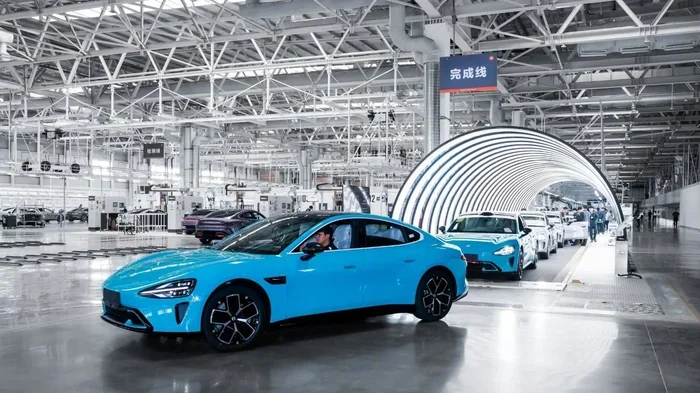
Your order enters the manufacturer’s queue. The factory schedules a production slot based on options and parts availability. This phase is the longest part of the manufacturer lead time. The vehicle is assembled on the line, painted, and fitted with all chosen features. Then it goes through rigorous quality inspections.
Common Mistakes:
- Assuming the factory builds cars in the exact order they were received. Production is optimized for efficiency, not first-come-first-served.
- Ignoring weather or holiday shutdowns. Many plants close for retooling or holidays, which adds days.
Shipping and Delivery
Once the car passes inspection, it is staged for car shipping. Most new vehicles travel by open transport truck or rail. The journey from factory to dealer can take one to four weeks, depending on distance. The dealer receives the vehicle, inspects it, and contacts you for final paperwork and delivery.
Expert Insight: Many buyers assume the car is built and then immediately shipped. In reality, there is often a 1–2 week hold at the factory for logistics planning. This is normal and not a cause for concern.
Custom Orders vs. Dealer Stock
Some buyers prefer to buy a custom order car. Others want a vehicle already on the lot. Both approaches have trade-offs. Understanding them helps you choose the right path.
What Is the Difference?
A dealer stock vehicle is already built and sitting at a dealership. You can drive it home the same day. A factory order means you specify every detail. You wait for production and delivery. Dealer stock limits your choices. A custom order car gives you exactly what you want.
Key Takeaways:
- Dealer stock: Faster delivery, limited options, possible markups.
- Factory order: Longer wait, full customization, no pressure to accept a compromise.
- Allocation impact: If your dealer has no vehicle allocation, you cannot place a factory order easily.
How to Track Your Car Order
Waiting for a new car can feel like a black box. You are not left in the dark. Most manufacturers offer online order status tools. You can also ask your dealer for updates. Here is how to stay informed.
Order Status Tools
Manufacturers like Ford, Toyota, and BMW provide portals where you enter your vehicle identification number or order number. You can see the current production stage. You will see if the car is in assembly, painted, or shipped. These tools give you a clear picture of the car delivery timeline.
Tips for staying informed:
- Save your allocation number and dealer contact details.
- Check the manufacturer portal weekly.
- Ask your dealer for a build sheet once the car is produced.
- Set up text or email alerts if the brand offers them.
Tips to Speed Up Your Car Order
You cannot control everything, but you can take steps to reduce your manufacturer lead time. Smart choices early in the process make a big difference.
Quick Tips
- Choose popular options: Standard colors and common trims build faster. Unusual choices create supply chain delays.
- Confirm dealer allocation early: A dealer with active vehicle allocation can submit your order immediately.
- Avoid last-minute changes: Changing your order after submission resets the queue.
- Stay flexible on delivery: Accepting a nearby dealer can cut car shipping time.
Common Mistakes That Delay Your Car
Many buyers unknowingly add weeks to their wait. Here are the most frequent errors.
- Incomplete paperwork: Missing signatures or incorrect financial info holds up the order status.
- Ignoring the build sheet: Reviewing the build sheet after production starts can reveal errors too late to fix easily.
- Not communicating with the dealer: Regular check-ins keep your order on the radar.
- Choosing a low allocation period: Ordering during holiday shutdowns or model changeovers extends the wait.
What to Expect on Delivery Day
The final stage of the car ordering process is the delivery. You will receive a call from the dealer when the car arrives. They will inspect it with you, walk through the features, and handle the paperwork. This is your chance to verify the vehicle identification number matches your order. Check the color, trim, and all options before signing.
Expert Insight: Always do a full walk-around before driving off. Even new cars can have small shipping marks or setup errors. Catching them early saves headaches.
The build and delivery journey ends with a sense of accomplishment. You waited, tracked, and now you drive away in your custom order car. The patience pays off.
Conclusion
How long does it take to order a car from the manufacturer? For most buyers, the answer is two to four months. The car ordering process involves production, quality checks, and car shipping. Your choices, the brand, and the supply chain all shape the manufacturer lead time. By understanding the timeline and staying proactive, you can set realistic expectations and avoid frustration. Use the tips above to track your order status, choose smart options, and enjoy a smooth build and delivery experience. Your new custom order car is worth the wait.
Frequently Asked Questions
Can I track my factory order online?
Yes, most manufacturers provide an online portal where you can enter your order number or vehicle identification number. You will see the current stage of production and estimated delivery date. Your dealer can also help you access this information.
What happens if my car is delayed?
Delays can happen due to parts shortages, weather, or factory scheduling. Your dealer should keep you updated. You can also check the manufacturer’s order status tool for the latest build and delivery details. Most delays are temporary and resolve within a few weeks.
Is it cheaper to order a car from the manufacturer or buy from the lot?
Pricing is usually similar. A factory order gives you exactly what you want, while dealer stock may have markups for popular configurations. Always compare the final price, including any dealer fees, before deciding.
How do I know if my dealer has vehicle allocation?
Ask your dealer directly about their current vehicle allocation for the model you want. They can check with the manufacturer. A dealer with active allocation can submit your factory order faster.
Can I change my order after it is submitted?
Changes are possible early in the process, but they become harder once production starts. Always review your configuration carefully before confirming. Once the build sheet is generated, modifications may not be allowed.
What is the role of the build sheet in the ordering process?
The build sheet is a detailed record of your vehicle’s specifications. It includes every option, color, and trim you selected. You can request it from your dealer once the car is produced to verify everything matches your original custom order car request.