How to Become a Subaru Certified Technician Step by Step
Becoming a Subaru certified technician is a rewarding path for anyone passionate about automotive work. You need a high school diploma or GED, completion of a technical training program, and hands-on experience at a dealership. This guide walks you through every step of the process clearly and simply.
Have you ever thought about turning your love for cars into a career? Becoming a Subaru certified technician could be the perfect move. These skilled professionals handle everything from routine maintenance to complex repairs on Subaru vehicles. The road to certification is clearer than most people think. Let us walk you through it step by step.
A Subaru certified technician is someone who has completed official training and passed certification exams. These technicians work exclusively or primarily on Subaru models. They understand the unique engineering that goes into every Subaru vehicle. From the boxer engine design to advanced hybrid technology, Subaru cars need specialists who know them inside and out. If you enjoy working with your hands and solving problems, this career path could be a great fit.
The demand for skilled automotive technicians continues to grow every year. Dealerships and independent shops both need qualified professionals. But Subaru dealerships specifically look for technicians who have gone through their training programs. This gives certified techs an edge in the job market. Let us dive into how you can become one of them.
Key Takeaways
- Education Matters: A diploma or degree in automotive technology gives you a strong foundation for the certification journey.
- Subaru Training Is Key: Completing the official Subaru technical training program is essential to earning your certification.
- Hands-On Experience Counts: Working directly with Subaru vehicles at a dealership builds real-world skills.
- Multiple Paths Exist: You can pursue certification through dealership training, community college, or ASE credentials.
- Great Career Outlook: Certified Subaru technicians enjoy strong job demand and competitive pay.
📑 Table of Contents
What Is a Subaru Certified Technician?
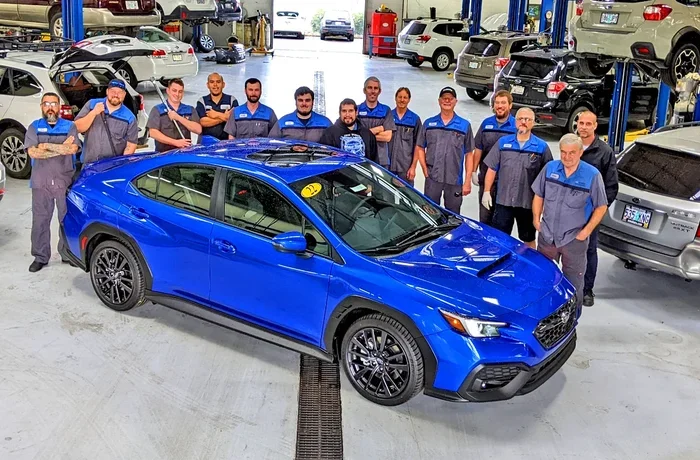
A Subaru certified technician is a trained professional who has completed Subaru’s official training program. These technicians work in Subaru dealerships and perform repairs, maintenance, and diagnostics. They use specialized diagnostic equipment designed for Subaru vehicles. This certification proves you have the knowledge and skills to work on these cars properly.
Why Certification Matters
Certification sets you apart from other automotive technicians in the field. Subaru vehicles have unique features that require specific training. For example, the boxer engine design is different from traditional engines. You need to understand how it works to service it correctly. Certification also means you can perform warranty repairs at dealerships, which is a big plus.
Dealerships trust certified technicians because they have proven their skills. Customers feel more confident leaving their vehicles with someone who holds official certification. It also opens doors to higher paying positions and advancement opportunities.
What Does a Subaru Technician Do Daily?
A typical day for a service technician at a Subaru dealership includes several tasks. You might perform oil changes, brake inspections, or tire rotations. More complex work could involve engine diagnostics or transmission repairs. Technicians also use OBD scanning tools to identify problems with the vehicle’s computer systems.
Some technicians specialize in certain areas. Others handle a wide range of services. The work can be physical but also mentally rewarding. Every vehicle presents a new challenge to solve.
Education and Training Requirements
You do not need a four-year college degree to become a Subaru certified technician. But you do need some formal education. Most dealerships prefer candidates with at least a high school diploma or GED. However, going beyond that can give you a serious advantage.
High School Preparation
If you are still in high school, focus on subjects like math, physics, and mechanical drawing. These classes build a foundation for understanding how vehicles work. Shop classes or auto shop programs are incredibly helpful too. They give you early exposure to tools and basic repairs.
Some high schools offer automotive technology programs. These can jumpstart your career before you even graduate. Talk to your guidance counselor about options in your area.
Post-Secondary Education Options
After high school, you have several paths to choose from. Community colleges offer two-year programs in automotive repair and technology. These programs cover engine repair, electrical systems, and braking systems. They also teach you how to use professional-grade tools and equipment.
Technical schools are another great option. These schools focus purely on hands-on automotive training. Programs usually last between six months and two years. Some even have partnerships with Subaru dealerships for internships.
You can also pursue an associate degree in automotive technology. This takes about two years and looks great on a resume. Many community colleges offer this degree. It combines classroom learning with practical shop experience.
No matter which path you choose, make sure the program is accredited. Accreditation means the program meets industry standards. This matters when you apply for dealership positions later.
The Subaru Technical Training Program
Subaru offers its own official training program for aspiring technicians. This program is called the Subaru Technical Training program. It is designed to teach you everything you need to know about Subaru vehicles. The program covers all Subaru models and systems.
What the Training Includes
The Subaru training program includes both classroom and hands-on components. You will learn about Subaru-specific systems like the:
- Boxer engine design and maintenance
- Symmetrical all-wheel drive systems
- EyeSight driver assist technology
- Hybrid and electric vehicle systems
- Advanced diagnostic procedures
You also learn how to use Subaru-specific diagnostic equipment. This equipment helps you identify problems quickly and accurately. Training covers both older models and the newest vehicles on the market.
Where to Find Training
Subaru training is typically offered through dealerships. Many dealerships will hire you and then train you on the job. Some Subaru dealerships partner with technical schools to offer combined programs. You can also look into Subaru’s official training centers across the country.
If you want to learn more about ordering a vehicle from the manufacturer, check out how long it takes to order a car from the manufacturer. Understanding the ordering process is helpful if you work in a dealership setting.
How Long Does Training Take?
The length of training varies. Some programs take a few weeks. Others can last several months. On-the-job training at a dealership might continue for one to two years. The goal is to make sure you feel confident working on any Subaru vehicle.
During training, you will work under the guidance of experienced technicians. This mentorship is invaluable. You get to ask questions and learn from people who have been doing this work for years.
Skills You Need to Succeed
Technical knowledge is only part of the equation. Being a successful Subaru certified technician requires a mix of skills. Some you learn in training, and others you develop over time.
Technical Skills
You need a strong understanding of automotive systems. This includes engines, transmissions, brakes, and electrical systems. Subaru vehicles use specific technologies that you must master. For example, understanding the hybrid battery systems in newer Subaru models is increasingly important.
Proficiency with diagnostic tools is essential. You will use computers and scanning equipment daily. These tools help you read error codes and identify issues. The better you get at using them, the faster you can solve problems.
Knowledge of vehicle maintenance schedules is also critical. Subaru vehicles have specific service intervals. You need to know when each service is due and what it involves.
Soft Skills
Communication skills matter more than you might think. You will often explain repairs to customers. You need to describe problems in simple, clear language. Customers appreciate honesty and transparency about their vehicle needs.
Problem-solving is at the heart of this job. Every vehicle that comes in has a unique issue. You need to think critically and find solutions efficiently. Attention to detail is another must-have skill. Small mistakes can lead to bigger problems down the road.
Physical stamina is important too. Technician work can be demanding. You may stand for long hours or work in tight spaces. Staying in good physical shape helps you perform your best.
Continuing Education
The automotive industry changes constantly. New Subaru models come with advanced technology every year. Certified technicians must keep learning throughout their careers. Subaru offers ongoing training for its certified professionals. You might also pursue additional certifications like ASE certification to boost your credentials.
If you are interested in how to extend the life of vehicle components, you might want to read about how to make your hybrid battery last longer. This knowledge is valuable for technicians working with Subaru hybrid models.
The Certification Process Step by Step
Now let us walk through the actual steps to become a Subaru certified technician. The process is straightforward if you follow each step carefully.
Step 1: Complete Your Education
Start by earning your high school diploma or GED. Then enroll in an automotive technology program. This could be at a community college, technical school, or through a dealership training program. Focus on classes that cover engine repair, electrical systems, and diagnostics.
Step 2: Gain Hands-On Experience
Look for internship opportunities at Subaru dealerships while you are still in school. Many dealerships offer entry-level positions or internships to students. This gives you real-world experience and helps you build connections. Even working as a service assistant is a great starting point.
During this phase, you learn how a dealership operates. You see how technicians interact with customers and service advisors. You also get comfortable with the tools and equipment used daily.
Step 3: Apply for Subaru Training
Once you have some education and basic experience, apply for the Subaru technical training program. Dealerships often sponsor this training for their employees. You can also check Subaru’s official website for training opportunities. The program covers all the technical details you need to know.
Step 4: Pass the Certification Exams
After completing your training, you must pass certification exams. These tests cover Subaru-specific systems and procedures. They may include written exams and practical assessments. Study thoroughly and take advantage of any review materials Subaru provides.
Step 5: Maintain Your Certification
Certification is not a one-time achievement. You need to stay current with new models and technology. Subaru may require continuing education credits to maintain your certification. Attend workshops, webinars, and advanced training sessions regularly.
If you ever need to reset a vehicle system as part of your work, understanding processes like how to clear a TPM reset can be useful in a dealership service environment.
Career Opportunities and Benefits
Becoming a Subaru certified technician opens up many career doors. Let us look at what you can expect in terms of opportunities and rewards.
Job Demand
The need for qualified automotive technicians continues to grow. Subaru vehicles are popular, which means dealerships need skilled staff. Certified technicians have an advantage when applying for jobs. Many dealerships prefer or require certification for their tech positions.
You can work at a dealership, an independent shop, or even start your own business. Some certified technicians move into management roles over time. Others specialize in specific areas like diagnostics or body repair.
Salary Expectations
Certified technicians typically earn more than non-certified ones. Entry-level positions might start around $35,000 to $45,000 per year. With experience and additional certifications, you can earn $60,000 or more. Senior technicians and specialists can earn even higher salaries.
Dealerships often offer additional benefits. These can include health insurance, retirement plans, and tool allowances. Some dealerships also provide bonus structures based on productivity.
Job Satisfaction
Many technicians find deep satisfaction in their work. There is something rewarding about diagnosing a problem and fixing it correctly. You help people get back on the road safely. Each day brings new challenges and learning opportunities.
Working with a brand you love, like Subaru, adds extra motivation. If you are a Subaru fan, getting paid to work on these vehicles is a dream come true. You also become part of a community of skilled professionals who share your passion.
Advancement Paths
Your career does not have to stop at entry-level certification. You can advance to lead technician or master technician roles. Some technicians move into service management positions. Others transition into training, teaching the next generation of technicians.
Additional certifications from organizations like ASE can boost your career further. These credentials show expertise across multiple automotive systems. They make you more versatile and valuable in the job market.
If you are curious about how much you could earn, you might also explore how much you can make as a car salesman for comparison, since both careers exist in the automotive industry.
Common Mistakes to Avoid
Not everyone who starts this path finishes successfully. Here are some common mistakes to watch out for.
- Skipping formal education: Even if a dealership offers on-the-job training, having a foundation helps you learn faster.
- Neglecting soft skills: Technical ability alone is not enough. Communication and customer service matter just as much.
- Stopping your education: The automotive field evolves quickly. Never stop learning new things.
- Choosing the wrong training program: Make sure any program you choose is accredited and recognized by Subaru.
- Not networking: Connections in the industry can lead to job opportunities and mentorship. Attend industry events and join professional groups.
Quick Tips for Aspiring Subaru Technicians
Here are some quick tips to keep in mind as you start your journey.
- Start volunteering at local auto shops to gain early experience.
- Practice on your own vehicle if you have one to build confidence.
- Join online forums and communities for Subaru technicians.
- Watch tutorial videos on Subaru-specific repair procedures.
- Read Subaru service manuals to familiarize yourself with the systems.
- Stay curious and never assume you know everything about a vehicle.
Conclusion
Becoming a Subaru certified technician is a journey that combines education, hands-on training, and dedication. It takes time and effort, but the rewards are well worth it. You gain a valuable skill set, a respected certification, and a career you can be proud of. Whether you are just starting out or looking to advance, the path is clear and achievable.
Start by building your education foundation. Seek out training opportunities. Gain real-world experience at a dealership. Stay committed to learning throughout your career. The automotive industry needs skilled professionals, and Subaru dealerships are always looking for qualified technicians. Take the first step today and start building the career you deserve.
Remember, every expert was once a beginner. Your journey to becoming a certified Subaru technician starts with a single step. Make that step count.
Frequently Asked Questions
How long does it take to become a Subaru certified technician?
It typically takes between one and three years depending on your education path. If you attend a two-year automotive program and then complete Subaru training, you could be certified in about three years. Some people finish faster by combining education with on-the-job training at a dealership.
Do I need a college degree to become a Subaru technician?
No, a college degree is not required. A high school diploma or GED is the minimum requirement. However, completing a community college or technical school program in automotive technology can significantly improve your chances of getting hired and advancing faster.
Can I become certified if I already work at a Subaru dealership?
Yes, many dealerships sponsor their employees for certification. If you already work at a dealership, ask your manager about Subaru training programs. They may pay for your training and give you paid time to attend classes.
How much does Subaru certification cost?
Cost varies depending on the training path. Community college programs may cost a few thousand dollars. Subaru’s own dealership training programs are often free if the dealership sponsors you. Always check what financial support is available before enrolling.
Is ASE certification the same as Subaru certification?
No, they are different. ASE certification covers general automotive skills. Subaru certification focuses specifically on Subaru vehicles and systems. Many technicians pursue both to maximize their career opportunities and earning potential.
What is the job outlook for Subaru certified technicians?
The outlook is very positive. Subaru vehicles remain popular, and dealerships consistently need skilled technicians. Certified professionals have better job security and more opportunities than non-certified workers. The demand for automotive technicians is expected to grow in the coming years.