How Long Does a Full Truck Paint Job Actually Take
A full truck paint job typically takes 1 to 4 weeks. The exact time depends on the truck’s condition, the type of paint used, and the skill level of the painter. Surface prep and bodywork alone can take several days. Quality paint jobs require multiple coats and proper curing time between each layer.
Key Takeaways
- Realistic Timeline: A full truck paint job usually takes 1 to 4 weeks from start to finish.
- Surface Prep Is Critical: Sandblasting, sanding, and priming can take up to half the total time.
- Paint Type Matters: Single-stage paint dries faster than base coat and clear coat systems.
- Weather and Environment: Humidity and temperature in a paint booth affect drying and curing speed.
- Quality Takes Time: Rushing the process leads to poor adhesion, peeling, and an uneven finish.
- Cost Varies Widely: Expect to pay anywhere from $2,000 to $10,000 or more depending on the work involved.
- Patience Pays Off: Allowing proper cure time ensures a durable, professional-looking finish.
📑 Table of Contents
- How Long Does a Full Truck Paint Job Actually Take?
- The Steps Involved in a Full Truck Paint Job
- Factors That Affect the Duration of a Truck Paint Job
- Typical Timelines for Different Types of Truck Paint Jobs
- Common Mistakes That Delay Truck Paint Jobs
- How to Speed Up the Paint Job Process
- Cost Considerations for a Full Truck Paint Job
- Expert Tips for a Great Truck Paint Job
- How Long Does a Full Truck Paint Job Take: Final Thoughts
- FAQs
How Long Does a Full Truck Paint Job Actually Take?
If you have been wondering about how long a full truck paint job actually takes, you are not alone. This is one of the most common questions truck owners ask before visiting an auto body shop. The answer is not as simple as “a few days.” Many factors go into the timeline.
A basic paint job might take one week. A high-end, custom paint job could take a month or more. The key is understanding each step of the process. When you know what goes into a professional auto paint job, you can plan better and set the right expectations.
Let us break it all down. This guide covers every phase, from the first scratch to the final shine. You will learn about prep work, paint types, drying times, and much more.
Why Timeline Matters for Truck Painting
Knowing the timeline helps you plan your schedule. It also helps you budget properly. Rushing a paint job almost always leads to problems. Peeling paint, poor color match, and bubbling can all happen when things are done too fast.
On the other hand, a well-planned paint job lasts for years. It looks better and holds up against weather and road conditions. So take the time to understand the process. Your truck will thank you for it.
The Steps Involved in a Full Truck Paint Job
A full truck paint job involves several distinct steps. Each step has its own time requirement. Let us walk through them one by one.
Step 1: Assessment and Estimating
Before any work begins, a professional shop will assess your truck. They look at the current paint condition, body damage, and rust spots. This step usually takes one to two days.
During this phase, the shop gives you a written estimate. You will also discuss your goals. Do you want a full color change? Are you matching the existing color? These decisions affect the overall timeline.
Step 2: Surface Preparation and Bodywork
This is the most time-consuming part of the process. Surface prep can take anywhere from two days to one full week. It includes several sub-steps.
First, the old paint and rust are removed. This is often done through sandblasting or careful sanding. Next, any dents or body damage are repaired. Fillers are applied and sanded smooth. The goal is a perfectly flat surface.
Surface preparation also involves cleaning the entire truck. Any grease, dirt, or debris must be removed before painting. This ensures the new paint adheres properly.
Step 3: Priming the Truck
Once the surface is prepped, the truck gets a primer coat. Primer helps the paint stick to the metal. It also provides a smooth base for the top coats.
Primer application usually takes one day. After that, the primer needs time to dry. Most shops let primer dry for at least 12 to 24 hours. Some may wait longer depending on the product used.
Step 4: Base Coat Application
The base coat is where your truck gets its color. This step requires precision and care. A professional painter applies the base coat in multiple thin layers.
Each layer needs time to dry before the next one goes on. Typically, two to three base coat layers are applied over one to two days. Between coats, the painter checks for even coverage and smooth texture.
Step 5: Clear Coat and Final Layers
After the base coat is complete, a clear coat is applied. The clear coat protects the color and gives the truck that deep, glossy shine.
Clear coat application takes another day or two. Multiple layers are applied to build up protection and gloss. Each layer needs drying time before the next is sprayed.
Step 6: Curing and Final Inspection
Curing is the final and most important step. Curing is different from drying. Drying means the paint is dry to the touch. Curing means the paint has fully hardened and bonded to the surface.
Most paint jobs need at least one to two weeks to fully cure. During this time, the truck should be kept in a clean, temperature-controlled environment. A final inspection is done to check for any imperfections.
Factors That Affect the Duration of a Truck Paint Job
Not all truck paint jobs take the same amount of time. Several factors can speed up or slow down the process. Understanding these factors helps you set realistic expectations.
Condition of the Truck
A truck with minor scratches and good paint condition will take less time. A truck with deep rust, dents, and old peeling paint requires much more work. Body repair alone can add days or even weeks to the timeline.
If your truck needs extensive auto body repair, be prepared for a longer wait. The shop needs to fix structural issues before any paint goes on.
Type of Paint System Used
The type of paint system you choose has a big impact on the timeline. Let us look at the main options.
Single-Stage Paint: This type combines color and clear coat in one layer. It dries faster and requires fewer steps. A single-stage paint job can be completed in about one week.
Base Coat and Clear Coat: This is the most common system today. It uses a separate base color layer and a clear protective layer. It takes longer because of the multiple steps involved. Expect two to three weeks for this type.
Urethane Paint: Urethane paints are durable and high-quality. They require precise application and longer curing times. A urethane paint job may take three to four weeks.
Quality Level of the Paint Job
Not all paint jobs are created equal. The quality level you choose directly affects the timeline.
A budget paint job focuses on function over form. It may skip some prep steps. This type can be done in as little as three to five days. However, the finish may not last as long.
A standard paint job includes proper prep, primer, base coat, and clear coat. It typically takes one to two weeks.
A premium or custom paint job involves meticulous prep, multiple color layers, and detailed finishing. This level of quality can take three to four weeks or more.
Weather and Environmental Conditions
Paint booths control temperature and humidity, but they are not magic. High humidity slows drying time. Extreme temperatures can affect how paint adheres to the surface.
In winter months, paint jobs often take longer. In summer, the process may move a bit faster. But a good shop always prioritizes quality over speed, regardless of the season.
Experience of the Painter
A skilled, experienced painter works more efficiently. They know how to apply coats evenly and avoid mistakes. An experienced team may complete the job faster without sacrificing quality.
On the other hand, an inexperienced painter may need more time. They might need to redo coats or fix errors. This can significantly extend the timeline.
Typical Timelines for Different Types of Truck Paint Jobs
Here is a realistic look at how long different types of paint jobs take. These timelines are based on industry standards and average conditions.
Basic Touch-Up or Spot Paint Job
If you only need a small area touched up, this can be done in one to two days. Surface prep is minimal. The paint dries quickly, and there is no need for full-body masking.
Standard Full Paint Job
A standard full paint job for a truck usually takes 7 to 14 days. This includes full surface prep, primer, base coat, clear coat, and curing. This is the most common type of full paint job at most auto body shops.
High-End Custom Paint Job
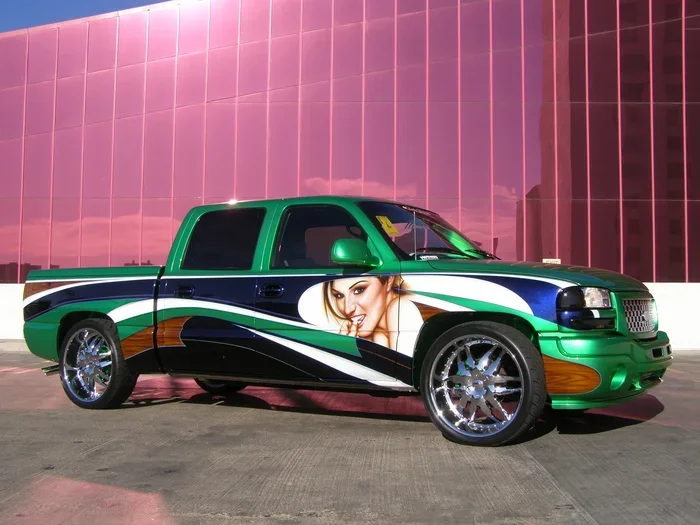
A custom paint job with special effects, multi-color designs, or intricate patterns can take three to six weeks. These jobs require extra layers, detailed masking, and careful attention to every surface.
Color Change or Vinyl Wrap Comparison
Some truck owners consider a vinyl wrap instead of a paint job. A vinyl wrap takes only one to three days. However, it does not offer the same durability or resale value as a quality paint job. Here is a quick comparison.
| Factor | Full Paint Job | Vinyl Wrap |
|---|---|---|
| Duration | 1 to 4 weeks | 1 to 3 days |
| Durability | 5 to 10+ years | 3 to 7 years |
| Cost Range | $2,000 to $10,000+ | $1,500 to $5,000 |
| Customization | Unlimited colors and effects | Limited by available vinyl |
| Resale Value | Higher | Lower |
| Surface Prep Needed | Yes, extensive | Minimal |
Common Mistakes That Delay Truck Paint Jobs
Several common mistakes can extend the timeline of a truck paint job. Knowing what to avoid saves you time and frustration.
Skipping Surface Preparation
Some shops or DIYers skip proper surface prep to save time. This is a huge mistake. Without proper prep, the paint will not adhere correctly. It will peel and bubble within months.
Always make sure your shop follows proper surface preparation steps. This includes cleaning, sanding, and priming every surface evenly.
Rushing the Drying Process
Drying and curing are not the same thing. Paint may feel dry to the touch after a few hours. But it takes days or weeks to fully cure. Driving the truck too soon can damage the finish.
Avoid washing your truck or exposing it to rain for at least two weeks after a paint job. Let the paint cure fully before subjecting it to the elements.
Choosing the Wrong Paint Shop
Not all paint shops are created equal. A low-cost shop may cut corners at every step. They might use cheap paint, skip primer, or rush the drying process.
Choose a reputable auto body shop with good reviews and experienced painters. The extra cost is worth the quality and durability you get.
Ignoring Weather Conditions
Painting a truck outdoors in humid or cold conditions is a bad idea. The paint will not dry properly. It may take longer to cure or not cure at all.
Always ensure the truck is painted in a controlled paint booth environment. This gives the best results and keeps the timeline on track.
How to Speed Up the Paint Job Process
While you should never rush a paint job, there are ways to keep the process moving efficiently.
Have All Documentation Ready
Have your truck registration, insurance info, and any previous repair records ready. This speeds up the estimating process and gets your truck into the queue faster.
Pre-Approve the Estimate
Once you receive the estimate, review it carefully and approve it quickly. Delays in approval can push your truck further down the shop’s schedule.
Be Flexible with Scheduling
If you can drop off your truck on short notice, you may get on the schedule sooner. Shops often fill gaps in their calendar with last-minute bookings.
Choose a Standard Color
Custom colors and special effects take more time to mix and apply. Choosing a standard factory-matched color can save a day or two in the process.
Cost Considerations for a Full Truck Paint Job
Cost and timeline are closely related. A faster paint job usually costs less, but it may not last as long. Here is a general cost breakdown.
- Basic Paint Job: $1,000 to $3,000. Takes 3 to 5 days.
- Standard Paint Job: $3,000 to $6,000. Takes 1 to 2 weeks.
- Premium Paint Job: $6,000 to $10,000+. Takes 3 to 4 weeks.
- Custom Paint Job: $10,000 to $20,000+. Takes 4 to 6 weeks.
The truck painting cost depends on the size of the truck, the condition of the body, the type of paint, and the shop’s labor rates. Always get multiple quotes before making a decision.
Expert Tips for a Great Truck Paint Job
Here are some expert insights to help you get the best results from your paint job.
Tip 1: Ask About the Paint Brand. High-quality paint brands like PPG, Axalta, and Sherwin-Williams offer better durability and color retention. Ask your shop what they use.
Tip 2: Request a Paint Match. If you are keeping your truck’s original color, ask the shop to mix a custom paint match. Modern color matching technology is very accurate.
Tip 3: Inspect the Work Before Taking Delivery. Walk around your truck in good lighting. Check for any missed spots, drips, or uneven areas. Speak up immediately if you notice any issues.
Tip 4: Follow Aftercare Instructions. The shop will give you care instructions after the paint job. Follow them closely. Avoid washing the truck for at least two weeks. Use only gentle car wash soap.
Tip 5: Consider a Paint Protection Film. After a fresh paint job, a clear paint protection film adds an extra layer of defense against chips, scratches, and UV damage.
How Long Does a Full Truck Paint Job Take: Final Thoughts
The answer to how long does a full truck paint job take depends on many factors. On average, expect anywhere from one to four weeks for a complete professional paint job. The condition of your truck, the type of paint, the quality level, and the shop’s expertise all play a role.
Remember that patience is key. A paint job is not something you want to rush. Taking the time to do it right means your truck will look great for years to come.
Whether you need a basic touch-up or a full custom paint transformation, understanding the process helps you make informed decisions. Work with a trusted professional auto body shop, set realistic expectations, and enjoy the stunning results.
Your truck deserves a paint job that looks as good as it drives. Now you know exactly what to expect and how long the journey will take.
FAQs
Can I drive my truck immediately after a paint job?
No, you should wait at least 48 to 72 hours before driving your truck. The paint needs time to dry and harden. Even then, avoid washing it or exposing it to rain for at least two weeks. Full curing can take up to 30 days.
How much does a full truck paint job cost on average?
The average cost ranges from $3,000 to $6,000 for a standard full paint job. Budget jobs may cost as little as $1,000, while premium custom jobs can exceed $10,000. The final cost depends on the truck size, body condition, and paint type.
Does weather affect the paint job timeline?
Yes, weather plays a role. High humidity slows drying time. Cold temperatures can prevent paint from curing properly. Professional shops use climate-controlled paint booths to minimize weather-related delays.
Can I paint my truck in stages?
Yes, some shops paint the truck in sections over multiple visits. This can spread out the cost but may extend the overall timeline. It is best to discuss this option with your chosen auto body shop beforehand.
How long should I wait before washing my newly painted truck?
Wait at least two weeks before washing your truck. Use only a gentle hand wash method. Avoid high-pressure washers, as they can damage the fresh paint. Always follow the aftercare instructions provided by your painter.
What is the difference between a paint job and a wrap?
A paint job involves applying layers of paint directly to the truck’s surface. A wrap involves placing a vinyl film over the existing paint. Paint jobs last longer and offer more customization, while wraps are faster to apply and can be removed later.