Can You Easily Add Blind Spot Monitoring to Your Car
Yes, you can add blind spot monitoring to your car using aftermarket kits, professional installation, or DIY sensor upgrades. This safety feature alerts you to vehicles in your blind spots and can significantly reduce lane-change accidents. Whether you drive a sedan, SUV, or truck, there is a blind spot monitoring solution that fits your vehicle and budget.
Every year, thousands of accidents happen because a driver simply did not see a vehicle in their blind spot. The blind spots on both sides of your car can hide another car entirely, especially on highways and busy roads. This is exactly why blind spot monitoring has become one of the most popular driver assistance features in modern vehicles.
But what if your car does not come with this feature from the factory? Can you add blind spot monitoring to a car that was built without it? The short answer is yes. The longer answer involves a few different paths you can take, and this guide covers every one of them in detail.
Whether you drive a compact sedan, a full-size truck, or a family SUV, adding blind spot detection is more accessible today than ever before. In this article, we will walk you through how blind spot monitoring works, the different ways to add it, what it costs, and whether the upgrade is truly worth your money.
Key Takeaways
- Aftermarket kits are widely available: You can retrofit blind spot monitoring to almost any car with universal sensor kits.
- Professional installation ensures reliability: A certified technician can wire and calibrate the system properly for safe operation.
- DIY options save money but require skill: Basic kits are plug-and-play, but complex installs may need wiring knowledge.
- Costs range from $100 to $500: The price depends on the kit type, vehicle model, and installation method.
- Safety benefits are substantial: Studies show blind spot monitoring reduces lane-change crashes by up to 14 percent.
- Check compatibility first: Not every car is equally suited for a retrofit, so verify your vehicle’s wiring and mirror space.
- It boosts resale value: Cars equipped with driver assistance features like blind spot detection attract more buyers.
📑 Table of Contents
- What Is Blind Spot Monitoring and How Does It Work?
- Can You Add Blind Spot Monitoring to Any Car?
- Aftermarket Blind Spot Monitoring Kits
- DIY Installation vs Professional Installation
- How Much Does It Cost to Add Blind Spot Monitoring?
- Is Adding Blind Spot Monitoring Worth It?
- Common Mistakes People Make When Adding Blind Spot Monitoring
- Expert Insights on Adding Blind Spot Monitoring
- Key Takeaways
- Conclusion
What Is Blind Spot Monitoring and How Does It Work?
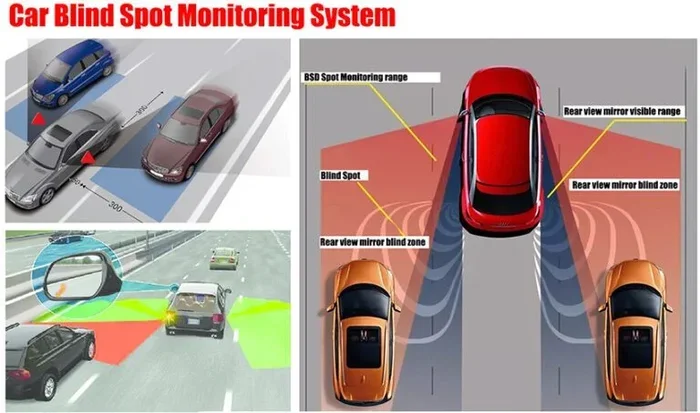
Before you can add a feature, it helps to understand what it actually does. Blind spot monitoring is a safety system that uses sensors to detect vehicles in the areas beside and behind your car that are not visible through your mirrors. When a vehicle enters your blind spot, the system warns you with a visual or audible alert.
The Sensors Behind the System
Most blind spot detection systems rely on one of three sensor types. Radar sensors are the most common and are mounted on the rear bumper or side mirrors. Ultrasonic sensors work similarly to parking sensors but are angled outward to cover the sides. Some newer systems use cameras placed near the side mirrors or rear window to provide a visual feed of the blind spot area.
When a sensor detects a vehicle approaching from behind or sitting in your blind zone, it triggers a warning light on the corresponding side mirror. Some advanced systems also include an audible beep or even a steering wheel vibration to grab your attention. These alerts give you a critical extra second to react before changing lanes.
Why Blind Spot Monitoring Matters for Road Safety
The Insurance Institute for Highway Safety has found that vehicles equipped with lane change assist and blind spot detection experience significantly fewer sideswipe and rear-end collisions. According to their research, blind spot monitoring can reduce lane-change crashes by approximately 14 percent. For drivers who frequently travel on highways or merge in heavy traffic, this feature is not just convenient — it is genuinely life-saving.
Beyond crash prevention, blind spot monitoring also reduces driver stress. Many people feel anxious about changing lanes on fast-moving roads, and knowing the system has your back can make every drive more relaxed and confident.
Can You Add Blind Spot Monitoring to Any Car?
The good news is that most vehicles can be fitted with blind spot monitoring after purchase. However, the ease of installation and the quality of the result depend on several factors, including your car’s make, model, year, and existing wiring setup.
Factors That Affect Retrofit Compatibility
Not every car is equally easy to upgrade. Here are the main factors that determine whether adding blind spot detection to your vehicle is straightforward:
- Year and model: Newer vehicles often have wiring harnesses and empty connectors already in place, making installation simpler. Older cars may require more extensive wiring work.
- Mirror design: Many aftermarket blind spot monitor retrofit kits replace your side mirrors with ones that contain built-in LED warning lights. If your mirrors are integrated into the door panel, this swap may be more complex.
- Bumper sensor space: Radar-based systems need mounting points on the rear bumper. Some cars have bumpers designed with sensor slots, while others may need brackets or adhesive mounts.
- Electrical system compatibility: Your car’s electrical system needs to support the additional power draw of the monitoring system. Most vehicles handle this easily, but older or simpler models may need a relay or fuse tap.
Cars That Are Easiest to Upgrade
Generally, mid-range sedans, SUVs, and trucks from the last 15 years are the easiest candidates for a blind spot monitor retrofit. Popular models from Toyota, Honda, Ford, Chevrolet, and Nissan often have straightforward wiring layouts that make adding aftermarket driver assistance features much simpler. Luxury and European vehicles may require more specialized kits due to complex electrical systems, but options are still available.
Aftermarket Blind Spot Monitoring Kits
The most popular way to add blind spot monitoring to a car without factory equipment is through an aftermarket kit. These kits come in several varieties, ranging from simple mirror-mounted LED systems to full radar and camera setups.
Types of Aftermarket Kits Available
When shopping for an aftermarket blind spot sensor kit, you will encounter three main categories:
1. Mirror-Mounted LED Alert Kits — These are the simplest and most affordable option. They attach to your existing side mirrors and use ultrasonic sensors to detect approaching vehicles. A small LED light on the mirror illuminates when a car is in your blind spot. These kits are typically plug-and-play and can be installed in under an hour.
2. Radar-Based Detection Kits — These kits use small radar units mounted on the rear bumper and side mirrors. They offer more accurate detection than ultrasonic sensors and work at higher speeds. Radar kits often come with both visual and audible alerts, giving you multiple ways to be notified.
3. Camera-Based Systems — The most advanced option uses small cameras mounted near the side mirrors or rear bumper to provide a live video feed of your blind spot area on a dashboard display. These systems offer the most comprehensive coverage but are also the most expensive and complex to install.
Popular Aftermarket Brands to Consider
Several brands specialize in car safety features that can be added to any vehicle. Brands like Auto Ventshade, Tadi Brothers, and Donwoo offer reliable mirror-mounted kits. For radar-based systems, brands like Rexing and AutoSock provide solid options at reasonable prices. When choosing a brand, look for kits with good customer reviews, clear installation guides, and warranty support.
What to Look for in a Quality Kit
Not all aftermarket safety devices are created equal. Here are the key features to prioritize when selecting a blind spot monitoring kit:
- Detection range: Look for kits that detect vehicles at least 10 to 15 feet behind your bumper on each side.
- Alert type: Kits with both visual and audible alerts are more effective than those with only one type of warning.
- Weather resistance: Make sure the sensors are rated for rain, snow, and extreme temperatures.
- Ease of installation: If you are not a mechanic, choose a kit labeled as plug-and-play with clear instructions.
- Adjustable sensitivity: The best kits allow you to fine-tune how sensitive the sensors are to reduce false alerts from guardrails or roadside signs.
DIY Installation vs Professional Installation
Once you have chosen your blind spot monitoring kit, the next decision is whether to install it yourself or hire a professional. Both approaches have clear advantages and trade-offs.
DIY Installation: What You Need to Know
DIY installation is the most budget-friendly route. Many mirror-mounted LED kits come with double-sided adhesive tape or simple clamp mounts, making the process straightforward. You typically need basic tools like a screwdriver, trim removal tool, and a drill for mounting bracket holes.
Here is a general overview of what a DIY blind spot monitor retrofit involves:
- Clean the mounting surface on your side mirrors thoroughly.
- Attach the sensor brackets using adhesive or screws.
- Connect the wiring harness to your car’s power source, usually tapping into the reverse light or side mirror wiring.
- Mount the LED alert lights on your side mirrors.
- Test the system by having someone drive past you at various speeds.
If you are comfortable with basic car electronics and have done similar projects before, DIY installation is a perfectly viable option. However, if you have never worked with car wiring, it is wise to watch a few tutorial videos specific to your vehicle model first.
Professional Installation: When It Makes Sense
For radar-based or camera-based systems, professional installation is strongly recommended. These systems require precise sensor alignment, proper wiring through the car’s body, and calibration to avoid false alerts. A professional installer will also ensure that the new system does not interfere with your car’s existing electronics or collision warning system.
Many auto parts stores and mobile installation services offer professional blind spot monitoring installation for a flat fee. This typically costs between $100 and $300 on top of the kit price. The peace of mind that comes with a professionally installed system is well worth the extra cost for many car owners.
How Much Does It Cost to Add Blind Spot Monitoring?
Cost is one of the most common questions people ask when considering a blind spot monitor retrofit. The answer depends on the type of kit you choose and whether you install it yourself or pay for professional help.
Breakdown of Costs by Kit Type
| Kit Type | Kit Price Range | Installation Cost | Total Estimated Cost |
|---|---|---|---|
| Mirror-Mounted LED Kit | $50 – $150 | $0 (DIY) | $50 – $150 |
| Mirror-Mounted LED Kit | $50 – $150 | $100 – $300 (Pro) | $150 – $450 |
| Radar-Based Detection Kit | $150 – $400 | $100 – $300 (Pro) | $250 – $700 |
| Camera-Based System | $300 – $800 | $200 – $500 (Pro) | $500 – $1,300 |
As you can see, adding blind spot monitoring does not have to break the bank. Even the most affordable mirror-mounted kits provide meaningful safety benefits at a very low price point. For most car owners, a radar-based kit installed professionally offers the best balance of performance and cost.
Hidden Costs to Watch For
Beyond the kit and installation fees, there are a few hidden costs to be aware of. Some vehicles require additional wiring harness adapters, which can add $10 to $30. If your car needs a new fuse box tap or relay, that may cost another $15 to $25 at an auto parts store. Also, keep in mind that some insurance companies offer discounts for vehicles equipped with vehicle safety technology like blind spot detection, which can offset part of the cost over time.
Is Adding Blind Spot Monitoring Worth It?
This is the question that ultimately matters most. After weighing the cost, effort, and installation process, is adding blind spot monitoring to your car truly worth it? The overwhelming consensus among safety experts and everyday drivers is yes.
The Safety Argument
The primary reason to add blind spot detection is safety. Every year, blind spot-related crashes account for a significant percentage of lane-change accidents on highways and multi-lane roads. Having a system that actively monitors your blind spots gives you an extra layer of protection that no mirror adjustment or shoulder check can fully replicate.
Studies consistently show that drivers who use lane change assist and blind spot monitoring feel more confident and less fatigued on long drives. This is especially true for people who commute daily on busy highways or who frequently tow trailers and RVs, where blind spots are even larger.
The Resale Value Argument
Another compelling reason to add blind spot monitoring is the impact on your car’s resale value. Buyers increasingly look for vehicles that already have driver assistance features installed. A car with a professionally installed blind spot monitoring system can command a higher trade-in value and attract more interested buyers when you decide to sell or trade in your vehicle.
Quick Tips for Getting the Most Out of Your New System
- Adjust your mirrors first: Even with blind spot monitoring, properly adjusted side mirrors reduce blind spots significantly. Use the blind spot system as a backup, not a replacement for good mirror habits.
- Keep sensors clean: Dirt, mud, and ice can block sensors and reduce their effectiveness. Clean your sensors regularly, especially after driving in bad weather.
- Do not rely solely on alerts: Always check your mirrors and glance over your shoulder before changing lanes. The blind spot detection system is an aid, not a substitute for attentive driving.
- Update firmware if applicable: Some advanced kits receive firmware updates that improve sensor accuracy and reduce false alerts. Check the manufacturer’s website periodically.
- Test the system regularly: Have a friend drive past you at different speeds once a month to confirm the sensors and alerts are working properly.
Common Mistakes People Make When Adding Blind Spot Monitoring
Even with the best intentions, people sometimes make mistakes during the blind spot monitor retrofit process. Here are the most common ones to avoid:
Skipping the compatibility check. Not every kit works with every car. Installing a universal kit without checking your vehicle’s compatibility can lead to poor performance, false alerts, or even electrical issues.
Choosing the cheapest option. Budget kits may save you money upfront, but they often have shorter detection ranges, more false alerts, and lower build quality. Investing in a mid-range kit from a reputable brand pays off in reliability and accuracy.
Improper sensor alignment. If the radar sensors or cameras are not aligned correctly, the system will either miss vehicles in your blind spot or constantly trigger false alerts. This is why professional alignment is so important for radar and camera-based systems.
Neglecting regular maintenance. Sensors can become dirty, loose, or damaged over time. A quick visual check during your regular car wash routine can prevent most problems before they affect your safety.
Expert Insights on Adding Blind Spot Monitoring
Automotive safety experts consistently recommend blind spot monitoring as one of the highest-value upgrades you can make to any vehicle. According to the National Highway Traffic Safety Administration, blind spot-related collisions are entirely preventable with the right technology. Many safety advocates argue that every vehicle on the road should have this feature, regardless of its age or original equipment.
Industry professionals also point out that the technology behind blind spot detection has improved dramatically in recent years. Modern aftermarket kits are far more reliable, accurate, and discreet than the bulky early-generation systems. Today’s sensors are small, weatherproof, and nearly invisible once installed, so your car’s appearance is not compromised.
For those on a tighter budget, many experts suggest starting with a mirror-mounted LED kit and upgrading to a radar-based system later. This phased approach lets you enjoy immediate safety benefits without a large upfront investment.
Key Takeaways
- Aftermarket kits are widely available: You can retrofit blind spot monitoring to almost any car with universal sensor kits.
- Professional installation ensures reliability: A certified technician can wire and calibrate the system properly for safe operation.
- DIY options save money but require skill: Basic kits are plug-and-play, but complex installs may need wiring knowledge.
- Costs range from $100 to $500: The price depends on the kit type, vehicle model, and installation method.
- Safety benefits are substantial: Studies show blind spot monitoring reduces lane-change crashes by up to 14 percent.
- Check compatibility first: Not every car is equally suited for a retrofit, so verify your vehicle’s wiring and mirror space.
- It boosts resale value: Cars equipped with driver assistance features like blind spot detection attract more buyers.
Conclusion
The answer to the question Can you add blind spot monitoring to a car is a resounding yes. Whether you choose a simple mirror-mounted LED kit or a full radar-based detection system, adding blind spot monitoring is one of the smartest safety upgrades you can make to any vehicle. The process is more accessible and affordable than ever before, with options to suit every budget and skill level.
From the safety benefits and reduced accident risk to the improved resale value and peace of mind on every drive, the advantages of blind spot detection are clear. Taking the time to research the right kit, choose your installation method, and properly maintain the system ensures you get the most out of this essential car safety feature.
If your car does not already have blind spot monitoring, there is no reason to wait. With the right kit and approach, you can transform your vehicle into a safer, smarter ride in just a few hours or a single professional installation session. Your future self — and everyone sharing the road with you — will thank you for it.
Frequently Asked Questions
Can I add blind spot monitoring to an older car?
Yes, you absolutely can. Many aftermarket blind spot monitoring kits are designed to work with vehicles of any age. Older cars may require a bit more effort in terms of wiring and mounting, but universal kits are available that fit almost any make and model. The key is to choose a kit that matches your vehicle’s electrical system and mirror setup.
How long does it take to install a blind spot monitoring kit?
A simple mirror-mounted LED kit can be installed in 30 minutes to an hour if you are doing it yourself. More complex radar-based systems that require bumper-mounted sensors and wiring may take two to three hours for a DIY install or about an hour with a professional. The exact time depends on your vehicle model and the type of kit you purchase.
Does adding blind spot monitoring void my car’s warranty?
This depends on your manufacturer and how the installation is done. If you use a non-invasive, plug-and-play kit and have it installed by a professional, it is unlikely to void your warranty. However, if the installation involves cutting wires or modifying your car’s original electrical system, it could potentially affect coverage for related components. Always check with your dealer before proceeding.
Are aftermarket blind spot monitoring kits as good as factory systems?
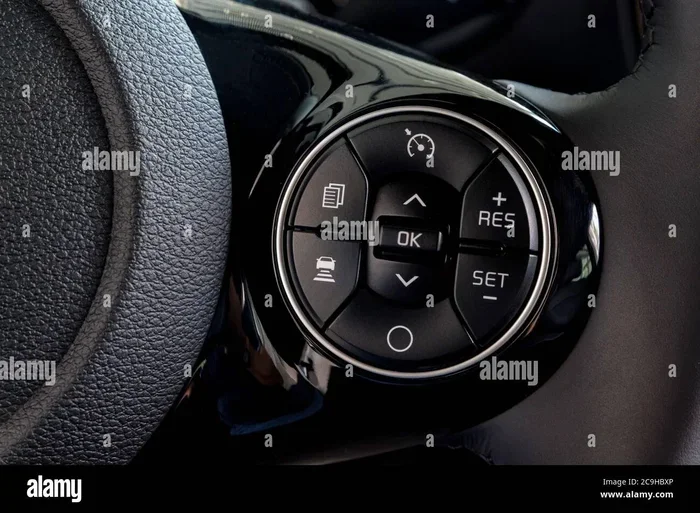
Modern aftermarket kits have improved dramatically and can come very close to factory-quality performance. Premium radar-based aftermarket systems offer detection ranges and accuracy that rival many OEM installations. However, factory systems are typically more seamlessly integrated with your car’s existing features, such as steering wheel controls and the instrument cluster display.
Can blind spot monitoring be added to a rental car?
Yes, portable and temporary blind spot monitoring solutions exist, though they are less common. Some rental car users opt for portable sensor kits that can be removed when the car is returned. These are typically mirror-mounted LED kits that require no permanent modifications to the vehicle.
What is the difference between blind spot monitoring and lane departure warning?
Blind spot monitoring alerts you when a vehicle is in the area beside your car that you cannot see in your mirrors. Lane departure warning alerts you when your car drifts out of its lane without a turn signal. They are complementary driver assistance features that address different safety concerns, and many modern vehicles combine both into a single advanced driver assistance system.