How Long Do Toyota 4Runners Last And Why They Hold Up
Toyota 4Runners are built to last, with many models surpassing 200,000 and even 300,000 miles when properly maintained. The how long do Toyota 4Runners last question comes down to a mix of rugged engineering, strong build quality, and consistent care. In this guide, we break down the real-world lifespan, key maintenance steps, and proven tips to keep your 4Runner on the road for decades.
The Toyota 4Runner has earned a reputation as one of the most durable SUVs on the road. When people ask how long do Toyota 4Runners last, the answer is almost always impressive. With proper care, these trucks routinely cross the 200,000-mile mark and keep going strong well beyond that.
So why exactly do Toyota 4Runners hold up so well? It comes down to a combination of simple, proven engineering, a body-on-frame construction, and a loyal owner base that takes maintenance seriously. Whether you are buying a used 4Runner or planning to keep your current one for years, understanding what makes this vehicle tick can help you make the most of it.
In this article, we will walk through everything you need to know about the Toyota 4Runner lifespan. We will cover average mileage expectations, the most common issues, maintenance tips, and what makes this SUV a long-term investment. Let us dive in.
Key Takeaways
- Long Lifespan: A well-maintained Toyota 4Runner regularly lasts 200,000 to 300,000 miles or more.
- Strong Build Quality: The body-on-frame design and durable components give the 4Runner exceptional longevity.
- Regular Maintenance Matters: Following the maintenance schedule is the single biggest factor in extending your 4Runner’s life.
- Common Issues Are Manageable: Problems like rust, transmission wear, and engine issues are fixable when caught early.
- Resale Value Stays High: Toyota 4Runners hold their value remarkably well, even at high mileage.
- AWD and Off-Road Durability: The 4Runner’s AWD system and off-road capability contribute to its long-term reliability.
📑 Table of Contents
- What Makes the Toyota 4Runner So Durable?
- Average Lifespan of a Toyota 4Runner
- Key Maintenance Tips to Extend Your 4Runner’s Life
- Common Problems That Affect 4Runner Longevity
- 4Runner Generations and Their Reliability
- How to Know When Your 4Runner Is Approaching High Mileage
- Final Thoughts on 4Runner Longevity
What Makes the Toyota 4Runner So Durable?
Body-on-Frame Construction
Unlike many modern SUVs that use unibody designs, the 4Runner uses a body-on-frame build. This means the body sits on a separate, strong steel frame. This design has been around for decades, and it is incredibly tough. The frame handles stress and impacts better than a unibody structure, which directly contributes to a longer vehicle life.
Proven Engine and Transmission
The 4Runner has used the same reliable engine platforms for many years. The 4.0-liter V6 and the newer 3.5-liter twin-turbo V6 are both known for durability. These engines are not overly complex, which means fewer things can go wrong. The transmissions paired with them are also built to handle heavy use over time.
Simple, No-Nonsense Design
Toyota kept the 4Runner relatively simple compared to many competitors. Fewer electronic gadgets and complex systems mean fewer things that can break. This simplicity has always been a core part of the 4Runner’s appeal. The vehicle focuses on function over flash, and that approach pays off in long-term reliability.
Average Lifespan of a Toyota 4Runner
What the Numbers Say
So, how long do Toyota 4Runners last in real-world terms? Most 4Runners will last between 200,000 and 300,000 miles with proper maintenance. Some well-cared-for examples have even reached 400,000 miles. The average annual mileage for most drivers is around 12,000 to 15,000 miles, which means a 4Runner can easily serve you for 15 to 20 years or more.
Factors That Affect Lifespan
Not every 4Runner will reach these numbers. Several factors play a role:
- Maintenance History: Regular oil changes, fluid flushes, and brake inspections keep the vehicle running smoothly.
- Driving Conditions: Highway driving is easier on a vehicle than constant stop-and-go city traffic or rough off-roading.
- Climate: Cars in cold, snowy, or coastal areas may face more rust and wear than those in dry climates.
- Previous Ownership: A 4Runner that was cared for by one or two owners will likely last longer than one that changed hands frequently.
How Does the 4Runner Compare to Other SUVs?
When you look at how long do Toyota 4Runners last compared to other SUVs, the 4Runner stands out. Vehicles like the Ford Explorer and Chevrolet Tahoe tend to have shorter lifespans on average. The 4Runner’s simpler design and Toyota’s reputation for quality give it a clear edge. If you are looking for a vehicle that will stick around, the 4Runner is a top choice.
If you want to learn more about extending the life of any vehicle, check out how to make a car last 500,000 miles for additional strategies that apply to the 4Runner as well.
Key Maintenance Tips to Extend Your 4Runner’s Life
Stay on Top of Oil Changes
Oil changes are the single most important maintenance task for any vehicle. For the 4Runner, changing the oil every 5,000 to 7,500 miles is a solid rule of thumb. Fresh oil keeps the engine lubricated and prevents harmful buildup. Skipping oil changes is one of the fastest ways to shorten an engine’s life.
Check and Replace Fluids Regularly
Your 4Runner relies on several fluids to operate correctly. Transmission fluid, coolant, brake fluid, and differential fluid all need attention. Here is a simple breakdown:
- Transmission Fluid: Replace every 60,000 to 100,000 miles.
- Coolant: Flush every 50,000 to 100,000 miles.
- Brake Fluid: Replace every 20,000 to 40,000 miles.
- Differential Fluid: Change every 30,000 to 60,000 miles.
Inspect the Drivetrain and AWD System
The 4Runner is known for its Toyota 4Runner AWD system, which gives it excellent traction both on and off the road. However, AWD systems need regular attention. Check the transfer case fluid, inspect CV joints, and listen for any unusual noises when turning. Taking care of the drivetrain early prevents costly repairs later.
Keep the Battery in Good Shape
A weak battery can leave you stranded and put extra strain on the electrical system. Make it a habit to check your car battery regularly. Clean any corrosion off the terminals and replace the battery every 3 to 5 years. This simple step keeps everything running reliably.
Address Rust Early
Rust is one of the biggest enemies of any Toyota 4Runner, especially older models. Regularly wash the undercarriage, especially in winter when roads are salted. Apply rust-proofing treatments and inspect the wheel wells, rocker panels, and frame for any signs of corrosion. Catching rust early saves thousands of dollars in repairs.
Common Problems That Affect 4Runner Longevity
Frame and Body Rust
Rust remains the most common issue affecting older 4Runners. The frame and body panels can corrode over time, especially in northern states or coastal areas. If you are buying a used 4Runner, always inspect the frame carefully. Surface rust is manageable, but frame rust can be a serious safety concern.
Transmission Wear
While the 4Runner’s transmissions are generally reliable, they can develop problems at higher mileage. Owners of older models sometimes report rough shifting or slipping gears. Regular fluid changes and prompt attention to any shifting issues will help keep the transmission healthy for the long haul.
Engine Oil Consumption
Some 4Runner owners notice increased oil consumption as the vehicle ages. This is not unusual for a high-mileage engine. Checking the oil level regularly and topping it off between changes is a good practice. If consumption becomes excessive, have a mechanic inspect for leaks or worn piston rings.
Suspension Components
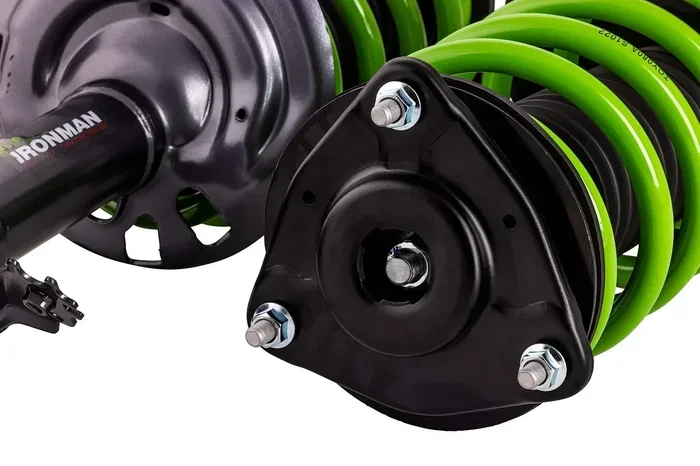
The 4Runner’s suspension takes a beating, especially if you use it for off-roading. Ball joints, control arms, and bushings wear out over time. Replacing these components promptly keeps the vehicle handling safely and prevents uneven tire wear, which can be expensive to fix.
4Runner Generations and Their Reliability
The Third Generation (2003-2009)
The third-generation 4Runner is often considered the sweet spot for reliability and longevity. These models feature the tried-and-true 4.0-liter V6 engine and a well-built chassis. Many third-generation 4Runners are still on the road today with over 200,000 miles. They are also known for holding their value remarkably well, so Toyota 4Runners are not losing value quickly, even after many years.
The Fourth Generation (2010-2024)
The fourth-generation 4Runner brought updated styling and improved safety features. The 4.0-liter V6 continued, and the vehicle received some refinement in the cabin. These models are also very reliable, though some owners have reported minor electrical issues. Overall, the fourth generation continues the 4Runner’s strong tradition of durability.
The Fifth Generation (2024+)
The newest 4Runner is a complete redesign with a twin-turbo V6 engine and modern technology. Early reviews are very positive, and the build quality looks excellent. It is still too early to judge the full lifespan of the fifth generation, but Toyota’s engineering track record gives us confidence.
How to Know When Your 4Runner Is Approaching High Mileage
Signs of Aging
As your 4Runner racks up miles, you may notice some signs of wear. Here are common indicators that your vehicle is reaching high mileage:
- Slight engine rattles or knocks
- Increased oil consumption between changes
- Minor electrical gremlins, like flickering lights
- Slightly softer suspension or more road noise
- Small rust spots on the undercarriage
When to Consider Major Repairs vs. Replacement
A high-mileage 4Runner can still be a great vehicle. The key is weighing repair costs against the vehicle’s value. If a major repair costs more than the car is worth, it may be time to consider a replacement. However, many 4Runner owners find that the vehicle remains reliable and worth fixing well past the 200,000-mile mark.
For those wondering about the long-term value of their investment, the 4Runner consistently proves itself. The vehicle’s ability to hold value means that even after years of use, you will get a fair price if you decide to sell.
Final Thoughts on 4Runner Longevity
The Toyota 4Runner is one of the most reliable and long-lasting SUVs you can buy. When you ask how long do Toyota 4Runners last, the answer is clear: with proper care, they can easily serve you for two decades or more. The key is staying consistent with maintenance, addressing small problems before they grow, and treating the vehicle with respect.
Whether you use your 4Runner for daily commuting, weekend adventures, or serious off-roading, this truck is built to handle it all. The combination of simple engineering, strong construction, and Toyota’s quality control makes the 4Runner a standout choice for anyone who wants a vehicle that will last.
If you are considering a 4Runner or already own one, take the maintenance tips from this guide and put them into practice. Your 4Runner will reward you with years of dependable service. And remember, the Toyota 4Runner AWD system and the vehicle’s overall ruggedness are what make it a true workhorse that stands the test of time.
For more information on maintaining your vehicle’s longevity, explore our other guides on hybrid battery health and general car care. The knowledge you gain today will pay off every time you turn the key.
Frequently Asked Questions
How many miles can a Toyota 4Runner last?
A well-maintained Toyota 4Runner can last 200,000 to 300,000 miles or more. Some owners have reported their 4Runners reaching 400,000 miles with consistent care. The key is following the maintenance schedule and addressing issues promptly.
What is the average lifespan of a Toyota 4Runner?
The average lifespan of a Toyota 4Runner is 15 to 20 years, depending on mileage and maintenance. Most drivers put around 12,000 to 15,000 miles per year, which means a 4Runner can easily last through two decades of regular use.
Are Toyota 4Runners reliable at high mileage?
Yes, Toyota 4Runners are known for remaining reliable even at high mileage. The simple engine design and durable components mean that many 4Runners continue to run strong well past the 200,000-mile mark. Regular maintenance is the biggest factor in keeping a high-mileage 4Runner healthy.
What is the most common reason a 4Runner fails to reach high mileage?
The most common reason is neglect. Skipping oil changes, ignoring fluid replacements, and failing to address rust or small mechanical issues leads to major problems over time. Owners who stay on top of maintenance almost always see their 4Runners reach high mileage.
Does off-roading shorten a 4Runner’s lifespan?
Off-roading can put extra stress on suspension, drivetrain, and body components. However, the 4Runner is designed for off-road use, and many owners use them regularly for trails without issues. The key is to inspect and maintain the vehicle more frequently if you off-road often.
Is it worth buying a high-mileage Toyota 4Runner?
Yes, buying a high-mileage 4Runner can be a great value. These vehicles hold up well, and their resale value remains strong. Just make sure to get a thorough inspection and review the maintenance history before purchasing.
=== CONCLUSION ===
The Toyota 4Runner is a vehicle that truly stands the test of time. When it comes to how long do Toyota 4Runners last, the answer is one of the longest in the SUV segment. With a body-on-frame design, proven engines, and a reputation for reliability, the 4Runner is built to go the distance.
Your maintenance habits play the biggest role in determining your 4Runner’s lifespan. Stay on top of oil changes, fluid replacements, and inspections. Address rust and mechanical issues early. And enjoy the ride knowing that your 4Runner is one of the most durable vehicles you can own.
Whether you are a first-time 4Runner owner or a longtime fan, the information in this guide gives you everything you need to keep your truck running strong for years to come. Take care of it, and it will take care of you.