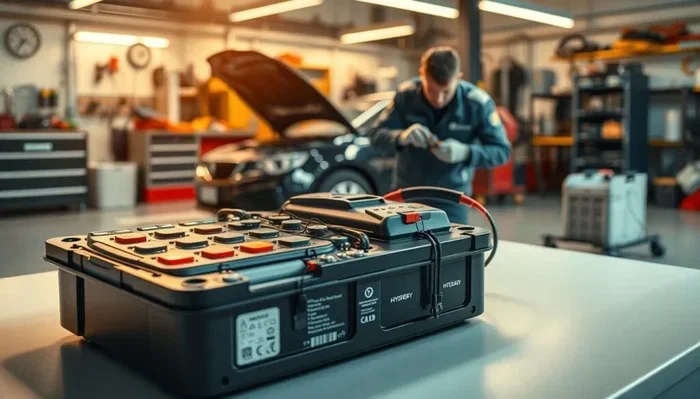
How Do I Keep My Hybrid Battery Healthy and Strong
Keeping your hybrid battery healthy is simpler than most people think. With a few smart daily habits and regular maintenance, you can significantly extend the life of your hybrid battery and avoid costly repairs. This guide covers everything from driving habits to temperature management that keeps your battery in top shape.
Your hybrid battery is the heart of your vehicle. It powers the electric motor, works alongside the gas engine, and plays a huge role in how efficiently your car runs. But here is the thing many hybrid owners overlook: the battery needs care and attention to stay healthy.
Keeping your hybrid battery healthy and strong does not require expensive tools or mechanic visits every week. It comes down to a handful of simple habits that anyone can build into their daily routine. Whether you drive a Toyota Prius, a Honda Insight, or any other hybrid model, the basics of battery care stay the same.
In this guide, we will walk you through everything you need to know. From the daily driving habits that protect your battery, to temperature management tips, to warning signs that something is wrong, you will find practical advice you can start using today. The goal is simple: help you get the longest possible life out of your hybrid battery and avoid the cost of an early replacement.
So let us dive in. Your hybrid battery has been working hard for you. It is time to return the favor.
Key Takeaways
- Maintain your charge level: Keeping your battery between 20% and 80% charge is the single best thing you can do for long-term battery health.
- Watch your driving habits: Smooth acceleration and gradual braking reduce stress on the battery pack and improve fuel efficiency.
- Manage temperature exposure: Extreme heat and cold both accelerate battery degradation, so parking in shade or a garage makes a real difference.
- Follow the maintenance schedule: Regular professional check-ups catch small issues before they become expensive battery replacements.
- Avoid deep discharge: Letting your battery drain completely can cause permanent damage and shorten its overall lifespan.
- Know the warning signs: Recognizing early symptoms of battery trouble saves you time, money, and unexpected breakdowns.
📑 Table of Contents
- Why Hybrid Battery Health Matters
- How Hybrid Batteries Work: A Quick Overview
- Daily Habits That Protect Your Hybrid Battery
- Temperature and Your Hybrid Battery
- Driving Habits That Boost Battery Longevity
- Maintenance Schedule for Hybrid Batteries
- Common Mistakes That Damage Hybrid Batteries
- What Happens When a Hybrid Battery Fails?
- How to Maximize Your Hybrid Battery Warranty
- Conclusion
Why Hybrid Battery Health Matters
Your hybrid battery is not like a standard car battery. It is a high voltage battery that powers the electric motor and stores energy recovered during driving. When it is healthy, your vehicle runs smoothly, gets great fuel efficiency, and delivers a quiet, comfortable ride.
But when the battery starts to degrade, you will notice it. Fuel economy drops. The car may run rougher. And eventually, you could face a very expensive hybrid battery replacement. We are talking several thousand dollars in some cases. That is why taking care of your battery now saves you serious money later.
The good news is that most hybrid batteries are designed to last a long time. Many manufacturers warranty their hybrid battery packs for 8 to 10 years or 100,000 miles. But with proper care, you can push that lifespan even further. The key is understanding what your battery needs and building those habits into your routine.
How Long Should a Hybrid Battery Last?
Most hybrid batteries last between 10 and 15 years under normal driving conditions. Some owners report 200,000 miles or more before needing a replacement. But your mileage will vary based on how well you maintain the battery and your overall driving patterns.
If you take care of your battery, you can expect it to last well beyond the warranty period. That means fewer worries and more savings over the life of your vehicle.
How Hybrid Batteries Work: A Quick Overview
Before we get into maintenance tips, it helps to understand the basics of how your hybrid battery operates. You do not need to be a mechanic. Just a simple understanding of the core concepts will help you make better decisions about battery care.
Your hybrid vehicle uses two power sources: a gas engine and an electric motor. The battery pack sits between them, storing electrical energy and releasing it when needed. When you brake or slow down, the system captures energy that would normally be lost and sends it back to the battery. This is called regenerative braking, and it is one of the smartest features of any hybrid vehicle.
The battery pack is made up of many individual battery cells wired together. Each cell contributes a small amount of voltage, and together they create the power needed to run the electric motor. If even a few cells start to fail, the performance of the entire battery drops.
Understanding this helps explain why maintaining overall battery health is so important. Every cell matters, and protecting the whole pack means protecting each individual cell inside it.
The Role of Regenerative Braking
Regenerative braking is one of the most important features for keeping your battery healthy. When you lift your foot off the accelerator or gently press the brake, the electric motor reverses and acts as a generator. It converts kinetic energy back into electrical energy and stores it in the battery.
This process does two things. It recovers energy that would otherwise be wasted, and it reduces wear on your traditional brake pads. Over time, consistent regenerative braking helps keep the battery cells balanced and charged, which supports long-term battery health.
Daily Habits That Protect Your Hybrid Battery
The way you drive and charge your hybrid every day has a bigger impact on battery health than you might think. Small changes in your routine can add up to significant battery longevity over the years.
Avoid Deep Discharge
One of the biggest mistakes hybrid owners make is letting the battery drain too low. Deep discharge happens when the battery falls below 10% charge repeatedly. This puts tremendous stress on the battery cells and can cause permanent damage over time.
Think of it like this. If you drain a phone battery all the way down to zero every night, the battery degrades much faster. The same principle applies to your hybrid battery. Try to keep your battery above 20% charge whenever possible.
Here are some simple daily habits to avoid deep discharge:
- Do not run the electric-only mode until the battery is nearly empty.
- Plug in your plug-in hybrid every night if you have a charging setup at home.
- If you drive a full hybrid, avoid short trips that use up most of the charge without recharging it.
- Pay attention to your battery gauge and make a habit of charging before it gets too low.
Keep Your Battery at the Right Charge Level
Keeping your battery between 20% and 80% charge is widely considered the sweet spot for long-term battery health. This range reduces stress on the battery cells and prevents the chemical reactions inside the pack from accelerating degradation.
You do not need to obsess over the exact percentage. But having a general awareness of where your charge level sits throughout the day goes a long way. If you notice the battery is consistently hitting 100% or dropping below 15%, it is time to adjust your habits.
For plug-in hybrid owners, this is especially important. Setting a charging timer to stop at 80% rather than 100% can significantly extend the overall life of your battery pack.
Quick Tips for Daily Battery Care
- Charge overnight but set a limit at 80% if your charger allows it.
- Avoid leaving your car parked for weeks with a very low battery.
- Use your car’s economy mode to reduce battery strain during daily commutes.
- Check the battery health indicator on your dashboard at least once a week.
Temperature and Your Hybrid Battery
Temperature is one of the most overlooked factors in hybrid battery health. Both extreme heat and extreme cold can accelerate battery degradation, and the damage often happens slowly over time without any obvious warning signs.
Hot Weather Risks
Heat is the number one enemy of lithium-ion and nickel-metal hydride batteries. When temperatures climb above 100 degrees Fahrenheit, the chemical reactions inside the battery speed up uncontrollably. This leads to faster degradation of the battery cells and a shorter overall lifespan.
If you live in a hot climate or regularly park your car outdoors in direct sunlight, you need to be extra careful. Here is what you can do:
- Park in the shade or a garage whenever possible.
- Use a windshield sunshade to keep the interior temperature down.
- Avoid charging your battery immediately after a long drive in hot weather. Let it cool down first.
- If your hybrid has a battery cooling system, make sure it is functioning properly.
Your battery cooling system is designed to regulate the temperature of the battery pack during driving and charging. If this system is not working correctly, the battery can overheat and suffer permanent damage. Have a technician check the cooling system as part of your regular maintenance schedule.
Cold Weather Considerations
Cold weather does not damage your battery the same way heat does, but it does reduce performance. In freezing temperatures, the battery’s ability to accept a charge drops significantly. This means regenerative braking becomes less effective and the electric motor has less power available.
In very cold climates, your hybrid may rely more heavily on the gas engine during winter months. This is normal and expected. However, you should still make sure the battery does not sit at a very low charge for extended periods in cold weather, as this can cause condensation inside the cells and lead to corrosion.
How Hot Can a Car Get in the Sun?
You might be surprised to learn that the interior of a car parked in direct sunlight can reach temperatures above 170 degrees Fahrenheit on a hot day. This extreme heat affects not just the battery but also the tires, interior materials, and electronic systems. For your hybrid battery specifically, prolonged exposure to these temperatures can gradually reduce battery capacity and overall performance.
If you want to learn more about how heat affects your car and what you can do, check out our article on how hot a car can get in the sun for detailed insights and practical tips.
Driving Habits That Boost Battery Longevity
How you drive has a direct impact on the health of your hybrid battery. Aggressive driving patterns put extra strain on the battery pack, while smooth, controlled driving helps preserve it. The good news is that gentle driving also improves your fuel economy, so it is a win-win.
Smooth Driving Patterns
Rapid acceleration and hard braking are the enemies of battery longevity. When you slam the accelerator, the electric motor draws a large surge of power from the battery. This creates heat and puts stress on the individual cells inside the pack.
Similarly, hard braking wastes the energy that regenerative braking could have recovered. Instead of capturing that energy and sending it back to the battery, aggressive braking converts it into heat through the traditional brake system.
Here is what smooth hybrid driving looks like in practice:
- Accelerate gently and gradually when leaving a stoplight or intersection.
- Lift your foot off the accelerator early when approaching a red light or stop sign.
- Use light, steady pressure on the brake pedal rather than slamming to a stop.
- Maintain a consistent speed on highways and use cruise control when appropriate.
- Avoid tailgating, which forces frequent hard braking.
These habits may feel slower at first, but within a few days they become second nature. And your battery will thank you for it.
Highway vs. City Driving
Hybrid vehicles tend to perform best in city driving conditions, where frequent stops allow the regenerative braking system to recharge the battery. On the highway, the gas engine does most of the work, and the battery plays a more supporting role.
This does not mean highway driving is bad for your battery. But it does mean that city driving naturally provides more opportunities for the battery to cycle and stay balanced. If you do a lot of highway driving, consider taking some shorter city trips to keep the battery cells active and well-balanced.
Maintenance Schedule for Hybrid Batteries
Just like any other component of your vehicle, your hybrid battery benefits from regular professional maintenance. While the daily habits we discussed above are crucial, there are also scheduled maintenance tasks that help catch potential issues early.
When to Get Professional Help
Most hybrid manufacturers recommend a battery health check as part of your regular service interval. This is typically every 15,000 to 30,000 miles, but you should always check your owner’s manual for the specific recommendation for your model.
During a professional battery check, a technician will:
- Test the voltage of individual battery cells.
- Check the overall state of charge and capacity.
- Inspect the battery cooling system for proper operation.
- Look for signs of corrosion or physical damage to the battery pack.
- Update the battery management system software if needed.
If any of these tests reveal a problem, addressing it early can prevent a small issue from turning into a full battery failure. And the cost of a diagnostic check is a tiny fraction of what a battery replacement would run you.
Warning Signs Your Battery Needs Attention
Your hybrid vehicle will often give you clues when the battery is not performing at its best. Paying attention to these warning signs can save you from a sudden breakdown and an expensive repair.
Here are the most common warning signs to watch for:
- Reduced fuel efficiency: If your miles per gallon drop noticeably, the battery may not be holding a charge properly.
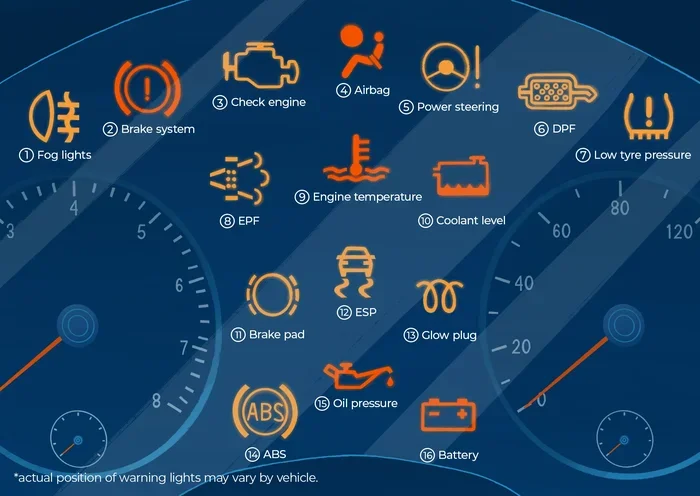
- Battery warning light: If the battery or check engine light comes on, do not ignore it. Have the vehicle diagnosed as soon as possible.
- Unusual noises: Clicking, buzzing, or whining sounds from the battery area can indicate a failing cell or loose connection.
- Rough idling: If the car shakes or runs roughly when stopped, the battery may not be providing stable power to the electric motor.
- Reduced electric-only range: If your car cannot run on electric power for as long as it used to, the battery capacity has likely decreased.
If you notice any of these symptoms, it is important to get your vehicle inspected right away. Catching battery problems early gives you more options and lower repair costs.
Common Mistakes That Damage Hybrid Batteries
Even with the best intentions, hybrid owners sometimes make mistakes that quietly damage their batteries. Being aware of these common errors helps you avoid them and protect your investment.
Leaving the Car Sitting for Too Long
If you do not drive your hybrid for extended periods, the battery slowly loses charge. A battery that sits below 20% charge for weeks or months can develop internal damage. The cells can enter a deep discharge state that is very difficult to recover from.
If you know you will not be driving for a while, start the car and let it run for at least 15 minutes every week to keep the battery charged and the systems active.
Ignoring the Battery Cooling System
Your hybrid battery relies on a cooling system to maintain safe operating temperatures. If the coolant level drops or the cooling fan fails, the battery can overheat during driving. This type of damage is often irreversible and leads to the need for a full battery replacement.
Make sure your mechanic checks the battery cooling system every time you bring your car in for service. It is a small step that can prevent a very expensive problem.
Using the Wrong Charging Equipment
For plug-in hybrid owners, using a charger that is not compatible with your vehicle can cause problems. A charger that delivers too much voltage or too much current can overcharge the battery and accelerate degradation.
Always use the charging equipment recommended by your vehicle manufacturer. If you need to purchase a replacement charger, make sure it matches the specifications listed in your owner’s manual.
Skipping Routine Maintenance
Some hybrid owners assume that because the car has both a gas engine and an electric motor, it requires less maintenance. This is simply not true. The hybrid battery still needs regular attention, and skipping routine maintenance can lead to problems that go undetected until they become serious.
Stick to the maintenance schedule recommended by your manufacturer. Your battery will last longer, and your car will run better as a result.
What Happens When a Hybrid Battery Fails?
Despite your best efforts, there may come a time when your hybrid battery does fail. Understanding what happens in this situation and what options you have can help you respond calmly and make informed decisions.
When a hybrid battery starts to fail, you will typically notice a significant drop in fuel economy and electric-only driving capability. The car may still run on the gas engine alone, but you lose the benefits that made the hybrid worth buying in the first place.
If you find yourself in this situation, you have several options. You can replace the entire battery pack, which is the most expensive option. You can also have individual bad cells replaced, which is sometimes possible depending on the battery type and the extent of the damage.
It is also worth noting that you can still drive a hybrid without a functioning battery in many cases, but you will rely entirely on the gas engine and lose all the efficiency benefits. For more details on this topic, check out our article on whether you can still drive a hybrid without the battery.
If your battery dies completely, you might wonder if it can be recharged. In some cases, a dead hybrid battery can be recharged through professional restoration processes. However, this depends on the extent of the damage and the age of the battery. For more information on this, read our guide on whether a dead hybrid battery can be recharged.
In emergency situations where the battery fails while driving, you may need to jump-start your hybrid battery. This is a different process from jump-starting a traditional car battery, and it is important to follow the correct procedures to avoid damaging the electrical system.
How to Maximize Your Hybrid Battery Warranty
Most hybrid vehicles come with a battery warranty that covers the battery pack for a specific number of years or miles. Understanding your warranty and taking advantage of it is an important part of hybrid battery care.
Federal regulations in the United States require that hybrid battery warranties cover the battery for at least 8 years or 80,000 miles. However, many manufacturers offer longer coverage. Toyota, for example, typically warranties their hybrid batteries for 10 years or 150,000 miles in most states.
To make the most of your warranty:
- Keep detailed records of all maintenance and service visits.
- Follow the recommended maintenance schedule exactly.
- If you notice battery issues early, address them promptly before the warranty expires.
- Understand what your warranty covers and what it does not.
Taking care of your battery not only extends its life beyond the warranty period but also ensures that if a problem does arise during the warranty window, you have a strong case for coverage.
Conclusion
Keeping your hybrid battery healthy and strong comes down to a combination of smart daily habits, regular professional maintenance, and awareness of warning signs. You do not need to be a technical expert or spend a lot of money. The most effective things you can do are simple: avoid deep discharge, keep the battery in the right temperature range, drive smoothly, and stick to the maintenance schedule.
Your hybrid battery is a significant investment, and it deserves the same care and attention you give to the rest of your vehicle. By following the tips in this guide, you will enjoy better fuel efficiency, a smoother ride, and a battery that lasts for many years to come.
Start today. Pick one or two habits from this article and begin incorporating them into your routine. Small changes lead to big results, and your hybrid battery will reward you with reliable performance mile after mile.
Frequently Asked Questions
How long does a hybrid battery typically last?
Most hybrid batteries last between 10 and 15 years, or around 150,000 to 200,000 miles. With proper care and good driving habits, some owners report their batteries lasting well beyond 200,000 miles. Your actual battery lifespan depends on how well you maintain it and your driving conditions.
Can I drive my hybrid if the battery dies?
In most cases, yes. Your hybrid vehicle can still run on the gas engine alone if the battery fails. However, you will lose all the fuel efficiency benefits and electric-only driving capability. For more details on this situation, you can read our article on whether you can still drive a hybrid without the battery.
How much does it cost to replace a hybrid battery?
Hybrid battery replacement costs typically range from $2,000 to $8,000 depending on the vehicle make and model. Some newer models with larger battery packs can cost even more. This is why maintaining your battery health is so important, as it helps you avoid this expensive repair.
Should I plug in my hybrid every night?
If you have a plug-in hybrid, charging every night is a great habit. Just be sure to set a charge limit at around 80% if your charger allows it, as keeping the battery between 20% and 80% charge is the best range for long-term battery health.
Does cold weather ruin a hybrid battery?
Cold weather does not ruin a hybrid battery, but it does reduce performance temporarily. In freezing temperatures, the battery has a harder time accepting a charge and delivering full power. This is normal and the battery returns to normal performance when temperatures rise. Avoid letting the battery sit at a very low charge in cold weather for extended periods.
How do I know if my hybrid battery is degrading?
The most common signs of battery degradation include reduced fuel efficiency, a shorter electric-only driving range, a battery warning light on the dashboard, and rough idling. If you notice any of these symptoms, have a professional inspect your battery as soon as possible to catch problems early.