How Fast Can a NASCAR Race Car Go and Why It Matters
How fast can a NASCAR race car go? The answer might surprise you. Top NASCAR race cars can reach speeds over 200 mph on superspeedways, making them some of the fastest vehicles on earth. In this guide, we explore the top speed of a NASCAR race car, what drives that incredible velocity, and why speed matters both on the track and in the sport’s history.
When you watch a NASCAR race, one question almost always comes to mind: how fast can a NASCAR race car go? The roar of the engine, the blur of the track, and the sheer speed of these machines make stock car racing one of the most exciting sports in the world. Fans from all over gather at famous NASCAR tracks like Daytona and Talladega just to witness the raw power and velocity on display.
But speed in NASCAR is not just about going fast. It is about engineering, strategy, and pushing the limits of what a vehicle can do. Whether you are a lifelong fan or someone who just discovered the sport, understanding the speed of a NASCAR race car gives you a whole new appreciation for what happens on the track. In this article, we will break down everything you need to know about NASCAR speed records, the factors that affect race car velocity, and why speed continues to matter in this thrilling sport.
So buckle up. We are about to take a deep dive into the world of NASCAR racing and explore just how fast these incredible machines can really go.
Key Takeaways
- NASCAR cars hit over 200 mph: The top speed of a stock car on superspeedways is truly breathtaking and a testament to engineering excellence.
- Engine power is massive: A NASCAR engine produces over 750 horsepower, which drives incredible race car velocity on the track.
- Drafting is a key technique: Cars use racing aerodynamics and drafting to maintain high speeds, save fuel, and gain competitive advantages.
- Speed varies by track type: Short tracks are slower, while superspeedways like Daytona and Talladega push cars to their absolute limits.
- NASCAR regulations control speed: Restrictor plates and other rules keep race car speeds in check for driver safety at high velocities.
- Speed records still amaze fans: Historical NASCAR speed records at tracks like the Daytona 500 and Talladega Superspeedway continue to inspire awe and admiration.
📑 Table of Contents
How Fast Can a NASCAR Race Car Go?
The straight answer is that a NASCAR race car can reach speeds of over 200 miles per hour on superspeedways. On shorter tracks, speeds drop to around 130 to 160 mph. The exact top speed depends on several factors, including the track type, engine power, and NASCAR regulations in place.
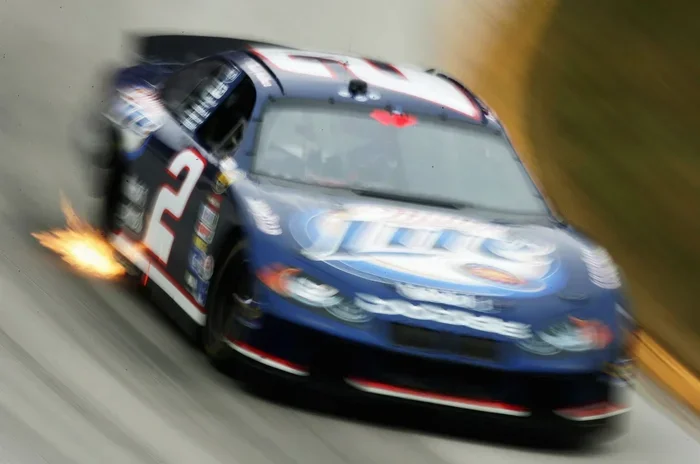
On the fastest tracks in the sport, like Talladega Superspeedway, drivers have been clocked at speeds above 210 mph. At the Daytona 500, which is one of the most famous races in stock car racing, cars regularly hit the 200 mph mark. These are not just numbers on a screen. They represent real vehicles carrying real drivers at incredible velocity.
Top Speeds on Different Track Types
Not all NASCAR tracks are the same. The type of track has a huge impact on how fast a car can go. Here is a quick look at the different categories:
- Superspeedways (2.5 miles or longer): These tracks allow the highest speeds. Cars regularly exceed 200 mph. Daytona and Talladega are the most famous examples.
- Intermediate tracks (1.5 to 2 miles): Speeds here range from 170 to 200 mph. Tracks like Charlotte Motor Speedway fall into this category.
- Short tracks (under 1 mile): These are the slowest of the bunch. Cars typically run between 100 and 150 mph. Tracks like Bristol and Richmond are great examples.
- Road courses: These mixed-surface tracks focus more on handling than pure speed. Cars reach around 120 to 160 mph depending on the layout.
As you can see, the race car velocity varies a lot depending on where the race takes place. A superspeedway is built for speed, while a short track rewards skill and precision over raw horsepower.
Track Type Speed Comparison
| Track Type | Length | Typical Top Speed | Average Race Speed |
|---|---|---|---|
| Superspeedway | 2.5+ miles | 200-212 mph | 150-180 mph |
| Intermediate | 1.5-2 miles | 170-200 mph | 130-160 mph |
| Short Track | Under 1 mile | 100-150 mph | 80-120 mph |
| Road Course | Varies | 120-160 mph | 90-130 mph |
What Is the Average Speed During a Race?
While top speed gets all the attention, the average speed during a race tells a different story. During a typical NASCAR race, the average speed ranges from about 130 to 180 mph. This is because drivers must slow down for turns, navigate traffic, and manage their fuel efficiency racing strategy.
Quick Tip: Average speed is often more important than top speed when it comes to winning a race. A driver who maintains a consistent 160 mph through every lap will beat someone who hits 200 mph but loses time in the turns. Consistency wins races, not just raw speed.
What Makes NASCAR Cars So Fast?
Now that you know the speeds, you might wonder what makes a NASCAR race car so incredibly fast. The answer lies in a combination of powerful engines, lightweight bodies, and smart engineering. Every part of these machines is designed with one goal in mind: going fast.
NASCAR Engine Power
The heart of any NASCAR car is its engine. A modern NASCAR engine produces over 750 horsepower. To put that in perspective, a typical family sedan has around 200 to 300 horsepower. That means a stock car racing machine has roughly three times the power of a regular car.
These engines are built for durability and speed. They run on a special fuel blend and are tuned to perform at maximum output for hours at a time. The horsepower output allows cars to accelerate quickly and maintain high speeds through long straights.
Expert Insight: NASCAR engines are hand-built and undergo rigorous testing before each race. Teams spend thousands of hours perfecting every component, from the camshaft to the exhaust system, to squeeze out every bit of performance. The result is an engine that can sustain 200 mph for hundreds of miles without breaking down.
Weight and Body Design
A NASCAR race car weighs around 3,200 to 3,300 pounds. That is much lighter than a regular passenger vehicle, which typically weighs 4,000 pounds or more. The lighter weight means the car can accelerate faster and reach higher speeds with less effort.
The body of a NASCAR car is also designed for speed. The shape is aerodynamic, meaning it cuts through the air with minimal resistance. Every curve and angle is carefully designed to reduce drag and improve racing aerodynamics. Even the smallest design choice, like the angle of the rear spoiler, can affect how fast the car goes.
Tire Grip and Handling
Speed means nothing if a car cannot stay on the track. Tire grip is a critical factor in how fast a NASCAR race car can go. NASCAR uses specially designed tires that provide excellent traction on asphalt tracks.
Teams also carefully manage tire wear during a race. A worn-out tire loses grip, which means the driver must slow down. This is where pit stop strategy comes into play. A well-timed pit stop for fresh tires can give a driver a major speed advantage.
Quick Tips for Understanding Tire Strategy:
- Fresh tires always mean more speed and better handling on the track.
- Teams use data from practice sessions to plan the perfect pit stop timing.
- Tire pressure is adjusted based on track temperature and weather conditions.
- A driver with better tires can often pass slower cars on the same fuel load.
The Role of Aerodynamics and Drafting
If you have ever watched a NASCAR race closely, you have probably noticed cars running very close to each other. This is not just for show. It is a technique called drafting, and it is one of the most important aspects of stock car racing.
What Is Drafting?
Drafting is when one car follows closely behind another to reduce air resistance. The car in front pushes air out of the way, creating a low-pressure zone behind it. The car following behind uses less energy to move through that space, which allows it to maintain higher speeds.
This drafting technique is especially important on superspeedways. At speeds over 200 mph, air resistance becomes a massive factor. A car that drafts well can save fuel and engine wear while still maintaining incredible race car velocity. Without drafting, even the most powerful NASCAR engine would struggle to maintain top speed for an entire race.
How Aerodynamic Downforce Works
Aerodynamic downforce is the force that pushes a car down toward the track. This increases tire grip and helps the car stay stable at high speeds. Without enough downforce, a NASCAR race car could literally lift off the track at top speed.
Teams adjust the wings and spoilers on their cars to balance speed and grip. More downforce means better handling but slightly lower top speed. Less downforce means more speed but harder handling. Finding the right balance is one of the biggest challenges in racing aerodynamics.
Common Mistake: Many fans think that more downforce is always better. In reality, too much downforce creates drag, which slows the car down on the straights. The best teams find the perfect balance for each specific track, adjusting their setup based on wind conditions, track temperature, and the racing line they plan to follow.
The Drafting Race
On superspeedways, drafting often determines the outcome of a race. Drivers form packs, running nose-to-tail in groups of five to ten cars. The lead car does the hardest work, cutting through the air. The cars behind benefit from the reduced drag.
Sometimes, a driver will “slingshot” past the leader by pulling out from behind and using the built-up momentum to surge ahead. This move is one of the most exciting parts of NASCAR racing and shows just how important aerodynamics and drafting are to speed. It also demonstrates why pit stop strategy and track position matter so much in stock car racing.
NASCAR Speed Records That Stunned Fans
The history of NASCAR speed records is filled with incredible moments. Drivers have pushed their machines to the absolute limit, setting records that still stand today. Let us look at some of the most memorable speed milestones in the sport.
The Daytona 500 Speed Legacy
The Daytona 500 is often called “The Great American Race,” and it has been a stage for incredible speed since it began in 1959. Over the decades, drivers have pushed the limits at Daytona International Speedway, a 2.5-mile superspeedway in Florida. The combination of a long straightaway and high banking makes it one of the most exciting venues for speed in all of NASCAR racing.
In 1984, Cale Yarborough became the first driver to officially qualify for the Daytona 500 at over 200 mph. Since then, many drivers have joined the 200 mph club. The track has become a symbol of speed in stock car racing and continues to attract the fastest cars and boldest drivers each year.
Talladega Superspeedway: The Fastest Track on Earth
If you want to talk about pure speed, Talladega Superspeedway is the place to look. At 2.66 miles long, it is the longest NASCAR track in the world. The high speeds here are partly due to the track’s unique design and the use of restrictor plates.
In 2004, Rusty Wallace hit a top speed of 211 mph at Talladega during a test session. This record still stands as one of the fastest speeds ever recorded in NASCAR history. The combination of track length and engine power makes Talladega the ultimate speed challenge and a favorite among fans who love to see cars go fast.
Speed Records Over the Years
Here is a quick look at some key NASCAR speed records that fans still talk about:
- 1984: Cale Yarborough becomes the first to qualify at over 200 mph at Daytona.
- 1987: Bill Elliott sets the qualifying record at Talladega with a speed of 212.809 mph.
- 2004: Rusty Wallace reaches 211 mph in a test session at Talladega.
- 2019: Kyle Busch hits 211 mph during a Cup Series practice at Daytona.
These records show how far NASCAR race cars have come in terms of speed. Each record pushes the sport forward and inspires the next generation of drivers and engineers to reach even higher velocities.
Why Speed Matters and What the Future Holds
Speed is more than just a number in NASCAR. It is a reflection of innovation, competition, and the relentless pursuit of excellence. But speed also brings challenges, especially when it comes to safety and regulation.
Why Speed Matters in NASCAR Racing
Speed is what draws fans to stock car racing. People want to see cars go fast. It is that simple. The thrill of watching a machine travel at over 200 mph, inches from the car ahead, is what makes NASCAR racing so exciting and so popular around the world.
Speed also matters for competition. A faster car has a clear advantage on the track. Teams invest millions of dollars in engine development, aerodynamics, and racing line optimization just to gain a few tenths of a mile per hour. In a sport where winning can come down to a fraction of a second, every bit of speed counts.
Quick Tip: If you want to appreciate speed in NASCAR, pay attention to how drivers use the racing line. The fastest line through a turn allows a car to carry more speed and exit the corner with better momentum. This is where races are often won or lost.
NASCAR Regulations and Safety
With great speed comes great responsibility. NASCAR regulations have evolved over the years to keep drivers safe while still allowing for incredible performance. One of the most well-known safety features is the restrictor plate.
A restrictor plate is a device placed on the engine’s intake manifold. It limits the amount of air and fuel that enters the engine, which reduces horsepower and slows the car down. Restrictor plates are used at superspeedways like Daytona and Talladega to keep speeds manageable and reduce the risk of serious accidents.
Beyond restrictor plates, NASCAR safety features include reinforced roll cages, energy-absorbing barriers, and advanced safety equipment like the HANS device, which protects drivers from neck injuries during crashes. These innovations have made stock car racing much safer over the years, even as speeds have increased. The sport continues to invest heavily in driver protection because the organizers understand that speed will always be part of the appeal.
The Future of NASCAR Speed
What does the future hold for NASCAR speed? The sport is always evolving. New NASCAR regulations and technologies continue to shape how fast these cars can go. The introduction of the Next Gen car in 2022 brought significant changes to racing aerodynamics and car design, and future innovations will likely push speeds even higher.
Some fans wonder if NASCAR will ever allow even higher speeds without restrictor plates. Others believe the focus should remain on close, competitive racing rather than outright velocity. Whatever the future holds, one thing is certain: how fast a NASCAR race car can go will always be a topic that fascinates fans around the world.
Expert Insight: Many industry experts believe that the future of NASCAR speed will involve a balance between pushing performance limits and maintaining driver safety. Hybrid and electric technologies may also play a role in the next generation of stock car racing, potentially changing the speed landscape entirely. For now, fans can expect the same thrilling speeds that have made the sport a beloved American tradition.
Final Thoughts
So, how fast can a NASCAR race car go? The answer is clear: over 200 mph on superspeedways, with records pushing past 210 mph. But speed is about much more than just numbers. It is about the incredible engineering behind every NASCAR engine, the skill of the drivers, and the passion of millions of fans who love stock car racing.
From the drafting technique on superspeedways to the precision of pit stop strategy, every aspect of NASCAR racing contributes to the speed we see on track. Whether you are watching the Daytona 500 or a race at Talladega Superspeedway, the speed of these machines never fails to amaze.
The next time you watch a race, remember everything that goes into making that speed possible. The horsepower, the aerodynamics, the tire grip, and the brave drivers who push the limits every single lap. NASCAR speed is not just about going fast. It is about the pursuit of excellence, the thrill of competition, and the love of a sport that continues to captivate the world.
If you are new to NASCAR, now is the perfect time to dive in. Watch a race, learn the strategies, and appreciate the incredible speeds these machines can reach. The world of stock car racing is waiting for you, and the speeds will only get more exciting from here.
Frequently Asked Questions
How fast can a NASCAR race car go on superspeedways?
On superspeedways like Daytona and Talladega, a NASCAR race car can reach speeds over 200 mph. The exact speed depends on track conditions, engine power, and the use of restrictor plates that help manage velocity for safety.
What is the top speed ever recorded in NASCAR?
The fastest speed ever recorded in NASCAR competition was over 212 mph by Bill Elliott during qualifying at Talladega Superspeedway in 1987. Test sessions have also seen speeds above 211 mph, showing the incredible potential of these machines.
Why do NASCAR cars use restrictor plates?
NASCAR regulations require restrictor plates at certain superspeedways to limit engine power and reduce speeds. This NASCAR safety feature helps prevent dangerous accidents that can occur at extremely high velocities on long tracks.
How does drafting help NASCAR cars go faster?
Drafting is a technique where cars follow closely behind each other to reduce air resistance. The car in front pushes air away, creating a low-pressure zone that allows the trailing car to maintain higher race car velocity with less effort and fuel consumption.
What factors affect the speed of a NASCAR race car?
Several factors affect NASCAR speed records and overall performance, including engine horsepower, track type, aerodynamic downforce, tire grip, fuel strategy, and pit stop timing. Each of these elements plays a role in determining how fast a car can go on any given track.
Is stock car racing getting faster over time?
Yes, stock car racing has seen significant speed increases over the decades thanks to advances in engine technology, racing aerodynamics, and car design. However, NASCAR regulations and safety features like restrictor plates help keep speeds within manageable limits for driver protection.