What Does It Mean When It Says Check AWD System Warning
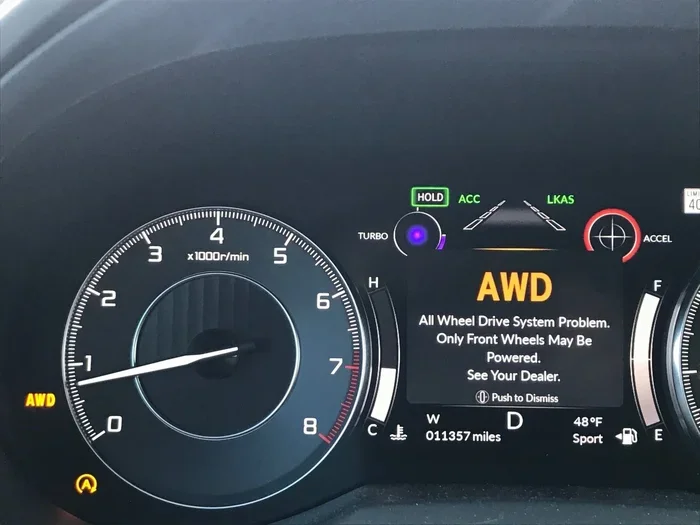
The “Check AWD System” warning means your all-wheel drive system has detected a fault that needs attention. This alert can stem from simple issues like a blown fuse or serious problems such as a failed transfer case or damaged wheel speed sensors. Ignoring this warning risks further drivetrain damage and reduced traction, especially in wet or icy conditions. Understanding what triggers this light and how to respond can save you time, money, and keep you safe on the road.
You are driving down the road, minding your own business, when suddenly a warning light pops up on your dashboard. It says “Check AWD System.” Maybe you have seen it before and ignored it. Maybe it just appeared out of nowhere. Either way, it is enough to make anyone feel a little uneasy. What does it actually mean? Should you pull over right away? Can you keep driving?
This warning is more common than most people think. It shows up on vehicles from brands like Subaru, Audi, BMW, Ford, Jeep, and many others. The good news is that it does not always mean a catastrophic failure. Sometimes it is a simple fix. Other times, it is a sign that something needs attention sooner rather than later. Let us break it all down so you know exactly what to do when this light comes on.
Key Takeaways
- Dashboard Alert: The “Check AWD System” warning is a signal from your vehicle’s computer that something is wrong with the all-wheel drive setup.
- Common Causes: Faulty wheel speed sensors, low differential fluid, transfer case issues, and blown fuses are the most frequent culprits.
- Driving Safety: You can often drive short distances with the light on, but prolonged driving may cause additional damage to the drivetrain.
- DIY Checks: Some causes like fluid levels or fuse inspection can be checked at home with basic tools.
- Repair Costs: Costs range from $50 for a simple fuse replacement to $1,500+ for major AWD component repairs.
- Prevention: Regular maintenance of differential fluids and timely sensor replacements help prevent AWD system warnings.
- Professional Help: Always get a proper diagnostic scan to read AWD fault codes before attempting major repairs.
📑 Table of Contents
- What Does “Check AWD System” Mean?
- Common Reasons the AWD Warning Light Comes On
- Can You Still Drive With the AWD Warning Light On?
- How Mechanics Diagnose AWD System Problems
- AWD System Maintenance Tips to Prevent Future Warnings
- Estimated Repair Costs for Common AWD Issues
- Quick Tips: What to Do Right Now if the Light Is On
- Expert Insights on AWD System Reliability
- Key Takeaways
- Conclusion
What Does “Check AWD System” Mean?
Your vehicle’s all-wheel drive system relies on a network of sensors, computers, and mechanical parts working together. When the system detects something is off, it triggers the AWD warning light on your dashboard. This is essentially your car saying, “Hey, something in my all-wheel drive setup is not working right.”
The AWD system sends power to all four wheels instead of just two. This gives you better grip and stability, especially on slippery roads. When a fault is detected, the system may switch to a safer mode or disable AWD altogether to protect itself. That is why the warning light exists. It is your early alert system.
The message might appear differently depending on your vehicle. Some cars display “Check AWD System.” Others might show “AWD Fault,” “AWD Malfunction,” or an icon that looks like a car with all four wheels marked. No matter the exact wording, the meaning is the same. Something in the drivetrain warning system needs your attention.
Common Reasons the AWD Warning Light Comes On
There are many reasons why your check AWD system light might activate. Some are minor and easy to fix. Others require professional help. Here are the most common causes you should know about.
1. Faulty Wheel Speed Sensors
This is the number one cause of AWD warnings across all vehicle brands. Wheel speed sensors monitor how fast each wheel is spinning. If one sensor fails or gets dirty, the system cannot properly distribute torque. The result? Your dashboard lights up with a warning.
These sensors sit near the wheel hubs and are exposed to road grime, salt, and moisture. Over time, they wear out or get clogged. Replacing a single wheel speed sensor is usually inexpensive and straightforward. A mechanic can often do it in under an hour.
2. Low or Contaminated Differential Fluid
Your AWD system uses differential fluid to keep gears lubricated and cool. When this fluid gets low or dirty, the system struggles to operate correctly. Old fluid breaks down over time and loses its ability to protect internal components.
If you have been putting off fluid changes, this could be the reason for your AWD system check alert. Checking fluid levels is something you can do yourself in many vehicles. Just locate the differential fill plug, pull it out, and see where the fluid sits. If it is low or looks dark and burnt-smelling, it is time for a change.
3. Transfer Case Problems
The transfer case is the heart of your AWD system. It takes power from the transmission and splits it between the front and rear axles. When the transfer case fails, your AWD system cannot function properly.
Transfer case issues can range from a simple electrical fault to a mechanical breakdown. Common symptoms include grinding noises, difficulty shifting, or the vehicle staying in two-wheel drive mode. Repair costs vary widely depending on the severity. A simple solenoid replacement might cost a few hundred dollars, while a full transfer case rebuild could run well over a thousand.
4. Blown Fuse or Wiring Issues
Do not overlook the simple stuff. A blown fuse in the AWD control circuit can trigger the warning light. Wiring harnesses can corrode, especially in older vehicles or those driven in salty climates. A loose connector or damaged wire can send incorrect signals to the AWD control module.
Before you panic, open your owner’s manual and find the fuse box diagram. Check the fuse labeled for the AWD or 4WD system. If it is blown, replacing it might solve the problem entirely. If the fuse keeps blowing, that points to a short circuit or wiring issue that needs further investigation.
5. Center Differential or Locking Hub Failure
Some AWD systems use a center differential to manage torque split between the front and rear wheels. If this component fails, the system loses its ability to balance power delivery. Locking hubs on part-time AWD systems can also fail mechanically or electrically.
These repairs tend to be more expensive. The center differential is often integrated into the transfer case, so replacing it means a larger job. However, catching the problem early can prevent secondary damage to the driveshaft, front differential, or rear differential.
6. Software or Module Glitch
Modern vehicles rely heavily on software. Occasionally, the AWD control module needs a reset or update. A software glitch can trigger the warning light even when nothing is physically wrong. This is more common after a battery replacement or when the vehicle has experienced a power loss.
In these cases, a simple diagnostic scan and module reset often clears the light. Some dealerships or independent shops can perform a software update if one is available for your vehicle model.
Can You Still Drive With the AWD Warning Light On?
The short answer is: it depends. In most cases, you can drive a short distance to a safe location or nearby repair shop. However, you should not ignore this warning or drive long distances with it active.
When the check AWD system light comes on, your vehicle may default to two-wheel drive mode. This means you lose the benefits of all-wheel traction. On dry pavement, this usually does not cause any problems. But on wet roads, snow, or ice, driving in two-wheel drive mode can be genuinely dangerous.
More importantly, continuing to drive with a faulty AWD system can cause additional wear and damage. The drivetrain components are designed to work together. When one part fails and you keep driving, it puts extra stress on the remaining parts. What starts as a small repair can turn into a much bigger and more expensive job.
Here are some quick guidelines to follow:
- If the light is steady: You can likely drive carefully to a repair shop. Avoid high speeds and aggressive driving.
- If the light flashes: Pull over safely and turn off the engine. A flashing warning usually indicates a more serious issue that needs immediate attention.
- If you notice unusual noises: Grinding, clicking, or whining sounds mean you should stop driving and call for a tow.
- If you lose power or the vehicle feels unstable: Stop driving immediately. Have the vehicle towed to a qualified mechanic.
How Mechanics Diagnose AWD System Problems
When you take your vehicle to a shop, the first thing a mechanic will do is connect a diagnostic scanner. This tool reads AWD fault codes stored in your vehicle’s computer. These codes point directly to the problem area, saving time and guesswork.
Here is what a typical diagnostic process looks like:
- Scan for fault codes: The mechanic hooks up a scanner and pulls any stored trouble codes related to the AWD system.
- Check wheel speed sensors: Each sensor gets tested for proper signal output. Dirty or faulty sensors are identified and replaced if needed.
- Inspect fluid levels and condition: The mechanic checks the differential fluid, transfer case fluid, and any other relevant fluids in the drivetrain.
- Examine wiring and connectors: All electrical connections related to the AWD system are inspected for corrosion, damage, or loose fittings.
- Test the transfer case and differentials: Mechanical components are checked for proper operation, leaks, and wear.
- Clear codes and test drive: After repairs, the codes are cleared and the vehicle is test-driven to confirm the issue is resolved.
Getting a proper diagnosis is essential. It tells you exactly what is wrong and prevents you from replacing parts that are not actually the problem. Always ask your mechanic to explain the fault codes and what they mean for your specific vehicle.
AWD System Maintenance Tips to Prevent Future Warnings
The best way to avoid the dreaded “Check AWD System” light is through regular maintenance. Most AWD problems develop over time because of neglected upkeep. Staying on top of a few simple tasks can keep your all-wheel drive system running smoothly for years.
Here are some practical tips to follow:
- Change differential fluid on schedule: Check your owner’s manual for the recommended interval. Most manufacturers suggest changing it every 30,000 to 60,000 miles.
- Inspect wheel speed sensors regularly: During oil changes or tire rotations, ask your mechanic to check the sensors and their wiring.
- Keep your tires matched: Mismatched tire sizes or tread depths can confuse the AWD system. Always replace tires in pairs or sets, and keep all four tires the same size.
- Check for fluid leaks: Look under your vehicle for any signs of red or brown fluid dripping. Early detection of leaks prevents major component failure.
- Address warning lights promptly: Do not wait for a small warning to become a big problem. The earlier you diagnose an issue, the cheaper and easier the repair.
- Drive gently in extreme conditions: Avoid sudden acceleration or hard cornering on slippery surfaces. These actions put extra strain on AWD components.
Estimated Repair Costs for Common AWD Issues
Understanding repair costs helps you make informed decisions. Prices vary based on your vehicle make, model, and location. Here is a general breakdown of what you might expect to pay.
| Repair | Estimated Cost Range | Difficulty Level |
|---|---|---|
| Wheel speed sensor replacement | $75 – $250 | Easy |
| Fuse replacement | $5 – $30 | Very Easy |
| Differential fluid change | $100 – $250 | Easy |
| Transfer case solenoid replacement | $200 – $600 | Moderate |
| Transfer case rebuild or replacement | $800 – $2,500 | Difficult |
| Center differential repair | $500 – $1,500 | Moderate to Difficult |
| AWD control module replacement | $400 – $1,200 | Moderate |
| Driveshaft or CV axle replacement | $300 – $1,000 | Moderate |
These are ballpark figures. Actual costs depend on labor rates in your area, the specific vehicle model, and whether original or aftermarket parts are used. Always get a detailed quote before authorizing any major repair.
Quick Tips: What to Do Right Now if the Light Is On
If you are currently dealing with the “Check AWD System” warning, here are some immediate steps you can take:
- Do not panic. The light is a warning, not an emergency in most cases. Stay calm and assess the situation.
- Check your owner’s manual. It contains specific information about the AWD system for your vehicle model and what the warning means.
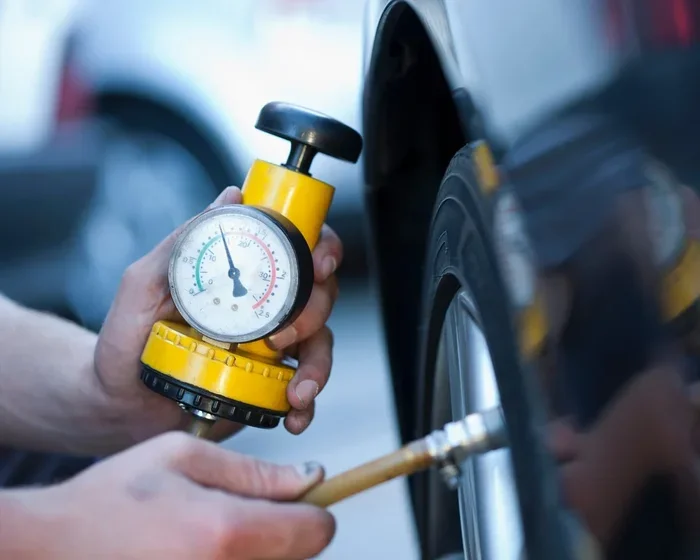
- Inspect for obvious issues. Look under the vehicle for fluid leaks. Check if any tires are significantly lower in pressure than the others.
- Get a diagnostic scan. Visit an auto parts store or mechanic. Many will read fault codes for free. This gives you a starting point for understanding the problem.
- Avoid off-road or slippery driving. Until the issue is resolved, stick to normal driving conditions to prevent further damage.
- Schedule a professional inspection. Even if the light seems minor, a professional check ensures nothing serious is developing underneath.
Expert Insights on AWD System Reliability
According to experienced automotive technicians, the “Check AWD System” warning is one of the most misunderstood dashboard alerts. Many drivers assume it means their AWD system has completely failed, but that is rarely the case. Most often, it is a sensor issue or a fluid-related problem that can be resolved with basic maintenance.
Veteran mechanics recommend treating the AWD warning with respect but not fear. The system is designed to protect itself by deactivating when a fault is detected. This means your vehicle is not going to fall apart on you the moment the light comes on. But it also means you should not put off the repair for months on end.
Regular maintenance is the single most effective way to prevent AWD issues. Vehicles that get their differential fluids changed on time and their sensors inspected regularly rarely experience major AWD failures. A little prevention goes a long way toward avoiding costly repairs down the road.
Key Takeaways
- The warning is a signal, not a catastrophe: The “Check AWD System” light tells you something needs attention, but it does not mean your vehicle is undrivable.
- Wheel speed sensors and fluid levels are the top culprits: These simple components cause the majority of AWD warnings and are relatively easy and affordable to fix.
- Drive cautiously with the light on: Short trips to a repair shop are usually fine, but avoid long drives or challenging road conditions until the issue is resolved.
- Diagnostic scans are essential: A proper scan reveals the exact fault code and tells you precisely what needs to be fixed.
- Regular maintenance prevents most AWD problems: Fluid changes, sensor inspections, and tire maintenance keep your all-wheel drive system healthy and reliable.
- Repair costs vary widely: Simple fixes cost under $300, while major drivetrain repairs can exceed $2,000. Early detection keeps costs down.
- Do not ignore the light: Even if your vehicle seems to drive fine, the underlying issue can worsen over time and lead to more expensive damage.
Conclusion
Seeing the “Check AWD System” warning on your dashboard can feel stressful, but it does not have to be. Now that you understand what this AWD warning sign means, you are in a much better position to respond calmly and effectively. The most important thing to remember is that this light is your vehicle asking for help. It is not a reason to panic. It is a reason to take action.
Whether the cause is a dirty wheel speed sensor, low differential fluid, or something more complex, the key is to address it promptly. The longer you wait, the more potential damage can occur to your drivetrain components. A simple fix today can prevent a major repair bill tomorrow.
Stay proactive with your vehicle maintenance. Keep up with fluid changes, tire rotations, and scheduled inspections. These habits go a long way in keeping your all-wheel drive system functioning properly and your warning lights off. And when that light does come on, you now know exactly what to do. Trust your instincts, get a proper diagnosis, and take care of the issue before it grows into something bigger. Your AWD system will thank you for it.
Frequently Asked Questions
Can I reset the Check AWD System light myself?
Yes, in some cases you can reset the light using an OBD2 scanner or by disconnecting the battery for a few minutes. However, this only clears the light temporarily. If the underlying problem is not fixed, the warning will come back. Always diagnose the root cause before resetting any warning light.
How much does it cost to fix a check AWD system warning?
Costs range from as low as $5 for a blown fuse to over $2,500 for a transfer case replacement. Most common repairs like sensor replacement or fluid changes fall between $75 and $300. Getting an accurate quote from a trusted mechanic is the best way to know your specific cost.
Is it safe to drive in AWD mode with the warning light on?
Generally, it is not recommended. When the AWD system detects a fault, it may disable itself and send all power to two wheels. This reduces traction and stability, especially on wet or icy roads. Drive cautiously to a repair shop and have the issue diagnosed as soon as possible.
What vehicles are most prone to AWD system problems?
Vehicles with higher mileage and older models tend to experience AWD issues more frequently. Brands like Subaru, Audi, and Jeep have well-known AWD systems that can develop problems over time. Regular maintenance significantly reduces the risk of issues regardless of the vehicle brand or age.
Can low tire pressure cause a check AWD system warning?
Yes, it can. Mismatched tire pressures or significantly different tire sizes confuse the wheel speed sensors and the AWD control module. Always maintain proper tire pressure across all four tires and replace tires in matching sets to prevent AWD system alerts.
How often should I service my AWD system?
Most manufacturers recommend servicing the AWD system every 30,000 to 60,000 miles. This includes changing differential fluid, inspecting sensors, and checking for leaks. Refer to your vehicle’s owner manual for the specific maintenance schedule recommended for your model.