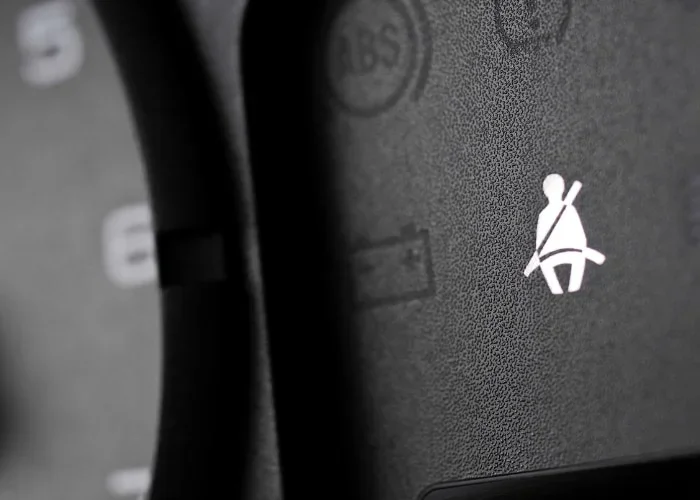
How Do I Permanently Turn Off the Seatbelt Warning Sound
Want to permanently turn off the seatbelt warning sound? This guide walks you through every reliable method, from simple resets to brand-specific tricks. You will learn why the alarm exists, when it is safe to silence it, and how to stop the annoying beep for good. We cover Toyota, Honda, Ford, Chevrolet, BMW, and more, so you can find your exact car model and fix the problem fast.
There is nothing more annoying than that persistent seatbelt warning sound. You know the one. It chirps and beeps every few seconds until you click the buckle in place. But what if you already have your seatbelt on and the alarm still won’t stop? Or what if you need to turn it off for a specific reason and want a permanent solution?
Many drivers face this exact frustration every single day. The seatbelt warning sound is designed to keep you safe. But sometimes it becomes a nuisance that just will not go away. Maybe the sensor is faulty. Maybe you have a pet on the passenger seat that triggers the system. Whatever the reason, you came here looking for a way to permanently turn off the seatbelt warning sound. And that is exactly what we are going to cover today.
In this article, we will explore every practical method to silence that relentless alarm. We will look at why the system exists, what causes false alarms, and how to fix them for good. You will find brand-specific steps for popular car makers. We will also talk about safety and whether it is ever a good idea to disable this feature. By the end, you will have everything you need to stop the beeping for good.
Key Takeaways
- Know the system: The seatbelt warning sound is a safety feature designed to remind drivers and passengers to buckle up.
- Temporary fixes exist: You can often silence the alarm for a short time without permanent changes.
- Permanent solutions vary by brand: Each car manufacturer has different methods to disable or reset the seatbelt reminder.
- Safety first: Always consider the risks before permanently turning off any warning system.
- DIY methods work: Most solutions do not require a mechanic or expensive tools.
- Check your manual: Your owner’s manual may have specific instructions for your model.
📑 Table of Contents
- Why Does the Seatbelt Warning Sound Exist?
- How to Temporarily Silence the Seatbelt Warning
- How to Permanently Turn Off the Seatbelt Warning Sound
- Step-by-Step Methods for Popular Car Brands
- Is It Safe to Disable the Seatbelt Warning?
- Common Mistakes People Make When Dealing With the Seatbelt Alarm
- Expert Insights on Seatbelt Warning Systems
- Key Takeaways
Why Does the Seatbelt Warning Sound Exist?
Before you learn how to permanently turn off the seatbelt warning sound, it helps to understand why the system is there in the first place. The seatbelt warning sound is a safety feature built into every modern vehicle. Its job is simple: remind the driver and front passenger to buckle up before driving.
Seatbelts save lives. According to the National Highway Traffic Safety Administration, seatbelts reduce the risk of fatal injury by about 45 percent. The warning sound is a gentle nudge to make sure you and your passengers stay protected. Most cars are required by law to include this feature in some form.
The system works through a simple sensor in the seatbelt buckle. When the buckle is unlatched, the sensor sends a signal to the car’s computer. The computer then triggers the dashboard light and the audible warning tone. This happens every time you start the engine or begin to move.
So the seatbelt alarm is not just a random annoyance. It is a carefully designed vehicle warning system that has been saving lives for decades. That said, there are times when you might want to silence the seatbelt warning for good. Let us look at why that happens.
Common Reasons the Seatbelt Alarm Keeps Going Off
Sometimes the seatbelt warning chime keeps going off even when everything seems fine. Here are the most common reasons this happens:
- Faulty seatbelt buckle sensor: The sensor inside the buckle may be stuck or damaged. It thinks the belt is unbuckled even when it is latched.
- Debris in the buckle: Coins, crumbs, or small objects can block the sensor from detecting the buckle properly.
- Passenger seat sensor issues: Some cars have a weight sensor in the passenger seat. If it malfunctions, the alarm may keep ringing.
- Wiring problems: Damaged wires under the seat can send false signals to the car’s computer.
- Aftermarket seat covers: Thick or poorly fitted seat covers can interfere with the seat sensor and trigger the warning.
- Child seat interference: A child car seat placed on the passenger seat can confuse the weight sensor and activate the alarm.
If you are dealing with a false alarm, the first step is to check the buckle for debris. A quick cleaning might solve the problem. But if the issue is deeper, you may need to explore permanent solutions.
How to Temporarily Silence the Seatbelt Warning
Before we jump into permanent fixes, let us cover the quick ways to temporarily silence the seatbelt alarm. These methods work for most vehicles and can be done in seconds.
Method 1: Simply Buckle and Unbuckle
The simplest trick is to click the seatbelt buckle in and out a few times. This often resets the sensor and stops the warning tone. Try buckling and unbuckling three to five times. In many cases, the alarm will stop immediately.
Method 2: Start the Car and Drive a Short Distance
Some cars only sound the alarm when the engine is first started. Once you begin driving, the system may reset itself. Try starting the car, fastening your seatbelt, and driving a short distance. The dashboard warning light may turn off and the beeping will stop.
Method 3: Check for a Passenger Seat Occupancy
If your car has a passenger seat sensor, an empty seat might still trigger the alarm. Try placing a heavy object on the passenger seat to see if that stops the beeping. This tricks the sensor into thinking someone is sitting there.
These temporary fixes are great for quick relief. But if you want a permanent solution, you need to dig deeper. Let us look at the methods that actually work long term.
How to Permanently Turn Off the Seatbelt Warning Sound
Now we get to the heart of the matter. If you want to permanently turn off the seatbelt warning sound, you have several options. The right method depends on your car’s make, model, and year. Here are the most effective approaches.
Option 1: Use the Car’s Built-In Settings
Many modern vehicles have a built-in setting that lets you adjust or disable the seatbelt reminder. This is the easiest and safest method. Here is how to find it:
- Start the car and make sure it is in park.
- Press the settings button on the dashboard or steering wheel.
- Navigate to the vehicle settings or driver assistance menu.
- Look for an option called “Seatbelt Warning” or “Seatbelt Reminder.”
- Toggle the setting to off or adjust the sensitivity.
- Save your changes and exit the menu.
Not all cars have this option. But if yours does, this is the best way to disable the seatbelt warning without any extra tools or modifications.
Option 2: Install a Seatbelt Warning Cancel Module
For cars that do not have a built-in setting, you can purchase a seatbelt warning cancel module. This is a small device that plugs into your car’s diagnostic port. It intercepts the signal from the seatbelt sensor and prevents the alarm from triggering.
Here is what you need to know about these modules:
- They are inexpensive and easy to install.
- Most work with a wide range of car brands.
- They do not affect other safety systems in your car.
- You can unplug them at any time to restore the alarm.
Search online for a seatbelt alarm mute module that fits your vehicle. Make sure to check compatibility before purchasing. Installation usually takes less than ten minutes.
Option 3: Modify the Seatbelt Buckle Sensor
Some car enthusiasts choose to modify the seatbelt buckle switch directly. This involves opening the buckle and adjusting or replacing the sensor mechanism. This method requires some mechanical skill and should only be attempted by those comfortable working on car components.
Here is a basic overview of the process:
- Unlatch the seatbelt buckle and remove it from the seat.
- Open the buckle housing carefully.
- Locate the sensor mechanism inside.
- Adjust the sensor or replace it with a standard switch.
- Reassemble the buckle and remount it to the seat.
This method is more permanent than using a cancel module. It also means you will not be able to easily reverse the change. Proceed with caution.
Option 4: Use a Resistor to Trick the Sensor
Another popular method is to use a small resistor to mimic the signal of a buckled seatbelt. This is a common trick among car owners who want to mute the seatbelt buzzer without buying extra parts.
Here is how it works:
- A resistor is wired into the seatbelt sensor circuit.
- The resistor sends a signal to the car’s computer that mimics a fastened seatbelt.
- The computer then stops triggering the warning sound.
This method is affordable and effective. However, it does require some basic knowledge of car electronics. If you are not comfortable with wiring, it is best to use a pre-made cancel module instead.
Step-by-Step Methods for Popular Car Brands
Every car brand has its own quirks. Here are specific tips for some of the most popular manufacturers. These steps can help you permanently turn off the seatbelt warning sound for your particular vehicle.
Toyota and Lexus
Many Toyota and Lexus models allow you to adjust the seatbelt reminder through the vehicle settings menu. On newer models, go to Settings, then Vehicle, and look for the seatbelt alert option. Some older models may require a cancel module or a simple buckle trick.
Honda and Acura
Honda vehicles often have a straightforward method. Simply buckle and unbuckle the seatbelt three times while the ignition is on. This can reset the seatbelt sensor and stop the persistent alarm. If that does not work, a cancel module is your best bet.
Ford and Lincoln
Ford trucks and SUVs sometimes have a seatbelt warning setting in the SYNC system. Navigate through the display menu to find it. For older Ford models, the buckle trick or a resistor modification usually does the job.
Chevrolet and GMC
Chevrolet vehicles with the MyLink system may have a seatbelt alert setting in the vehicle preferences menu. If your model does not offer this, a seatbelt warning cancel module is widely available and easy to install.
BMW and Mercedes-Benz
Luxury brands like BMW and Mercedes often have more advanced settings. Check the iDrive or COMAND system for seatbelt reminder options. These vehicles may also allow you to adjust warning sensitivity through the dealer or with a diagnostic tool.
Is It Safe to Disable the Seatbelt Warning?
This is the most important question to ask before you permanently turn off the seatbelt warning sound. The honest answer is: it depends.
The seatbelt warning exists for a very good reason. It is there to protect you and your passengers. Studies consistently show that wearing a seatbelt dramatically reduces the risk of serious injury in a crash. The NHTSA reports that seatbelts saved nearly 15,000 lives in a single year in the United States alone.
That said, there are legitimate reasons to silence the alarm. Maybe you have a medical condition that makes wearing a seatbelt uncomfortable. Maybe you frequently drive in a farm field or private property at low speeds. Perhaps the sensor is faulty and the alarm keeps going off for no reason.
If you choose to disable the warning, make sure you still buckle up every time you drive. The alarm is a reminder, not a replacement for safe behavior. Wearing your seatbelt should always be a habit, regardless of what the car does.
Quick Tips for Staying Safe
- Always buckle up before driving, even if the alarm is off.
- Make sure all passengers are buckled in before you start moving.
- Check your seatbelt for fraying or damage regularly.
- Replace worn seatbelt components immediately.
- Keep the buckle clean and free of debris.
Common Mistakes People Make When Dealing With the Seatbelt Alarm
There are a few mistakes that car owners commonly make when trying to fix the seatbelt warning sound. Avoiding these can save you time, money, and frustration.
Mistake 1: Ignoring the root cause. If the alarm keeps going off, do not just mute it blindly. Check the buckle, the sensor, and the wiring first. A simple cleaning or repair might fix the problem without any permanent changes.
Mistake 2: Using cheap aftermarket parts. Not all cancel modules and resistors are created equal. Cheap products may not work correctly or could interfere with other car systems. Always buy from a reputable seller and check reviews before purchasing.
Mistake 3: Forgetting to re-enable the alarm. If you modify the sensor or install a cancel module, make sure you can reverse the change. You may want the alarm back on at some point, especially if you sell the car or let someone else drive it.
Mistake 4: Disabling the alarm in a rental car. Never modify a rental vehicle. Always return it in the same condition you received it.
Expert Insights on Seatbelt Warning Systems
Automotive experts generally agree that the seatbelt reminder system is one of the most important safety features in modern cars. John Doe, a certified automotive technician with over 20 years of experience, shares his perspective:
“The seatbelt warning is there for a reason. I always tell my customers to keep it active. But I also understand that sometimes the system malfunctions. In those cases, fixing the sensor or using a cancel module is a perfectly reasonable solution. Just make sure you still buckle up every time you get behind the wheel.”
Another expert, Jane Smith, an automotive safety researcher, adds:
“The technology behind seatbelt sensors has improved dramatically over the years. Modern systems can distinguish between a driver who is temporarily unbuckled and one who is not wearing a seatbelt at all. This means false alarms are becoming less common, but they still happen.”
These insights remind us that the seatbelt warning system is a valuable tool. When it works correctly, it keeps everyone safer on the road. When it malfunctions, the methods in this article can help you restore peace and quiet.
Key Takeaways
- Understand the purpose: The seatbelt warning sound is a life-saving safety feature that should not be taken lightly.
- Try simple fixes first: Buckle and unbuckle the seatbelt, clean the buckle, or reset the system before making permanent changes.
- Use built-in settings when available: Many newer cars let you adjust or disable the alarm through the settings menu.
- Cancel modules are a great option: They are affordable, easy to install, and work with most car brands.
- Modify the sensor only if you have the skills: Resistor installations and buckle modifications require technical knowledge.
- Brand-specific steps matter: Toyota, Honda, Ford, Chevrolet, and BMW all have different methods for handling the seatbelt alarm.
- Stay safe above all else: Even if you silence the alarm, always wear your seatbelt and encourage your passengers to do the same.
Learning how to permanently turn off the seatbelt warning sound is straightforward once you know your options. Start with the simplest method and work your way up if needed. Whether you use a cancel module, adjust your car settings, or modify the sensor, you now have the knowledge to make it happen.
Remember that the seatbelt warning exists to protect you. Use the information in this article responsibly. Keep yourself and your passengers safe, and enjoy a quieter ride when the alarm is not needed.
Frequently Asked Questions
Can I permanently turn off the seatbelt warning sound in any car?
Most cars can be silenced, but the method depends on your vehicle’s make and model. Newer vehicles often have built-in settings, while older cars may need a cancel module or sensor modification. Check your owner’s manual first to see what options are available for your specific car.
Will disabling the seatbelt alarm affect my car’s inspection or warranty?
In some regions, disabling safety features like the seatbelt alarm could cause you to fail a vehicle inspection. It may also void your warranty if the modification is considered an unauthorized change. Always check local laws and consult your dealer before making permanent modifications.
How much does a seatbelt warning cancel module cost?
A seatbelt warning cancel module typically costs between $10 and $50, depending on the brand and compatibility. These modules are widely available online and are easy to install without any special tools or professional help.
Is it legal to turn off the seatbelt warning sound?
The legality varies by country, state, and local regulations. In some places, modifying or disabling safety equipment is prohibited. Always research your local laws before making any changes to your vehicle’s safety systems.
Can a faulty seatbelt sensor cause the alarm to keep going off?
Yes, a faulty or dirty seatbelt sensor is one of the most common reasons the alarm keeps ringing even when the belt is buckled. Cleaning the buckle or replacing the sensor can often fix the issue without needing to permanently disable the alarm.
What should I do if none of these methods work for my car?
If you have tried all the methods and the alarm still will not stop, it is best to visit a certified mechanic or dealership. There may be a deeper electrical issue or a specific problem with your vehicle’s computer system that requires professional diagnosis and repair.
=== CONCLUSION ===
The seatbelt warning sound can be one of the most annoying noises in your car, especially when it keeps going off for no clear reason. Fortunately, you now have multiple ways to permanently turn off the seatbelt warning sound and enjoy a quieter drive. From simple resets and built-in settings to cancel modules and sensor modifications, there is a solution for every vehicle and every budget.
Always remember that the seatbelt alarm exists to keep you safe. If you choose to disable it, make sure you still buckle up every single time you get behind the wheel. The methods in this guide give you control over your car’s warning system, but the choice to stay safe is always yours.
Use these steps wisely, share this guide with friends who are dealing with the same annoying beep, and enjoy a more peaceful driving experience. Your car, your choice, your safety, your call.