Car Cranks but Wont Start: Common Causes Explained
Car Cranks but Won’t Start: Causes Explained is an essential topic that provides valuable insights.
Key Takeaways
- Understanding Car Cranks but Won’t Start: Causes Explained: Provides essential knowledge
📑 Table of Contents
- What Does It Mean When Your Car Cranks but Won’t Start?
- Common Causes When a Car Cranks but Won’t Start
- How to Diagnose the Problem
- Quick Tips to Get Your Car Running Again
- When to Call a Professional Mechanic
- Preventing Starting Problems in the Future
- Comparison Table: Common Starting Problems
- Expert Insights on Car Starting Issues
- Key Takeaways
What Does It Mean When Your Car Cranks but Won’t Start?
When your car cranks but won’t start, the engine is turning over, but it’s not catching fire. A running engine needs three things working together: fuel, spark, and air. If any one of these is missing or weak, your car won’t start. The good news is that this problem usually has a clear source. Once you identify which system is failing, the fix becomes much easier.
Think of it like a recipe. You need the right ingredients in the right amounts. Too little fuel, no spark, or a clogged air filter can all cause the same symptom. That’s why starting system diagnosis matters so much. You need to figure out which ingredient is missing before you can fix it.
Common Causes When a Car Cranks but Won’t Start
Dead or Weak Battery
The battery is the heart of your starting system. When you turn the key, the battery sends power to the starter motor. That’s what makes the engine crank. If your battery is dead or weak, the engine may still turn over slowly, but it won’t have enough juice to start. Common signs include dim headlights, a clicking sound, and slow cranking.
Batteries don’t last forever. Most last three to five years. Cold weather makes them weaker. If you left your lights on overnight, the battery might be completely drained. A simple jump start can tell you a lot. If the car starts with a jump but dies right away, your battery or alternator is likely the culprit.
Faulty Starter Motor
The starter motor is the electric motor that cranks the engine. When it fails, you might hear a single click or nothing at all. Sometimes the starter spins but doesn’t engage the flywheel. This means the engine turns but doesn’t catch.
Starter motors wear out over time, especially in older vehicles. Corroded connections can also cause problems. If you notice grinding noises when you try to start the car, the starter gears might be worn. Replacing a starter motor is a job best left to a professional in most cases.
Fuel Pump Failure
Your engine needs fuel to run. The fuel pump sends gas from the tank to the engine. If the fuel pump fails, fuel never reaches the combustion chamber. The engine cranks, but it has nothing to burn.
A failing fuel pump often gives warning signs before it dies completely. You might notice the engine stalling at highway speeds or a whining noise coming from the tank. Running your car on low fuel frequently can overheat the pump and shorten its life. If you suspect a fuel pump issue, listen for a humming sound when you turn the key to the “on” position.
Clogged Fuel Filter
The fuel filter keeps dirt and debris out of the fuel system. Over time, it gets clogged and restricts fuel flow. A clogged filter is one of the most overlooked reasons a car cranks but won’t start. The engine turns over fine, but there’s simply not enough fuel getting through.
Most fuel filters should be replaced every 30,000 to 40,000 miles. Check your owner’s manual for the recommended schedule. A clogged fuel filter can also cause poor acceleration and rough idling. This is an easy and inexpensive fix that many people overlook.
Ignition System Problems
The ignition system creates the spark that ignites the fuel-air mixture in your engine’s cylinders. Several components work together here, and any one of them can fail.
Spark plugs wear out over time. When they’re fouled or gap too wide, they can’t produce a strong enough spark. Ignition coils convert the battery’s low voltage into the high voltage needed for a spark. A bad coil means no spark in one or more cylinders. The ignition module controls the timing of the spark. If it fails, the engine cranks but never fires up.
You can test spark plugs yourself with a spark plug tester. Look for a strong blue spark. A weak yellow spark means it’s time for a replacement. Ignition system problems are among the most common reasons a car cranks but won’t start.
Crankshaft Position Sensor Failure
The crankshaft position sensor tells the engine computer where the crankshaft is located and how fast it’s spinning. This information is critical for timing the fuel injection and spark. If this sensor fails, the engine computer can’t figure out when to fire the spark plugs.
A failing crankshaft position sensor often triggers the check engine light. You might also notice stalling or rough running before the car completely refuses to start. This is a relatively inexpensive part to replace, but it requires proper starting system diagnosis to confirm.
Ignition Switch Issues
The ignition switch is the mechanical switch you operate with your key. It sends power to the starter motor, the fuel pump, and the ignition system. When the switch wears out, it can interrupt the electrical flow needed to start the car.
Older vehicles with high mileage are most susceptible to ignition switch failure. You might notice the dashboard lights flickering or the engine stalling while driving. In some cases, the key gets stuck in the ignition. Replacing the ignition switch is usually a straightforward repair.
Security System or Immobilizer Lockout
Modern cars have immobilizer systems that prevent the engine from starting without the correct key. If the system doesn’t recognize your key fob or transponder chip, it will allow the engine to crank but won’t allow it to start. This is a security feature, not a malfunction.
A dead key fob battery is the most common cause of this issue. Try replacing the battery in your remote key. If the car still won’t start, the transponder chip inside the key might be damaged. Some vehicles also have a security light on the dashboard that flashes when the system is locked out.
Engine Timing Belt or Chain Issues
The timing belt or chain keeps the engine’s valves and pistons in sync. If it breaks or skips teeth, the engine cranks but won’t start — or worse, it can cause internal engine damage. This is one of the most serious reasons a car cranks but won’t start.
Timing belts should be replaced according to the manufacturer’s schedule, usually between 60,000 and 100,000 miles. A broken timing belt will leave you stranded. If you hear a rattling noise from the engine or the car suddenly dies, get it checked immediately. Timing chain issues can also cause starting problems, especially in high-mileage vehicles.
How to Diagnose the Problem
Diagnosing a car cranks but won’t start problem doesn’t have to be complicated. Start with the easiest checks and work your way toward the more complex ones. A systematic approach saves time and money.
First, check the battery. Look at the dashboard lights when you turn the key. Are they bright and steady? Do the headlights work at full strength? A weak battery often shows these signs before it completely dies. Next, listen carefully when you turn the key. A single click usually points to the starter motor or solenoid. Rapid clicking often means a low battery.
Then, check for fuel. Does the fuel pump hum when you turn the key to the “on” position? You can also smell for fuel near the exhaust. If you smell gas, the fuel system is delivering fuel, and the problem is likely spark-related. Finally, check for error codes. A basic OBD-II scanner can read codes from the engine computer. These codes can point you directly to the problem area.
Here’s a simple troubleshooting order to follow:
- Step 1: Check the battery voltage with a multimeter.
- Step 2: Listen for the fuel pump priming.
- Step 3: Inspect the spark plugs for wear or fouling.
- Step 4: Scan for error codes with an OBD-II tool.
- Step 5: Check the crankshaft position sensor.
- Step 6: Inspect the ignition switch and security system.
Following this sequence helps you narrow down the cause quickly. Many people skip steps and end up replacing parts they don’t need. A little patience goes a long way in car troubleshooting.
Quick Tips to Get Your Car Running Again
Sometimes you need a quick fix to get going right now. Here are some practical tips that can help in a pinch:
- Try a jump start. This is the fastest way to rule out a dead battery. Keep jumper cables in your trunk at all times.
- Tap the starter motor. A light tap with a wrench can sometimes free a stuck starter. Be careful and don’t hit it too hard.
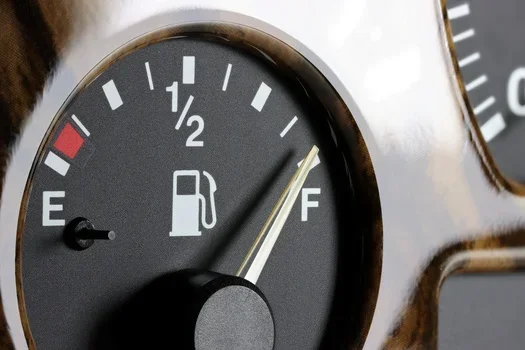
- Check the fuel level. It sounds silly, but the fuel gauge can be wrong. You might be on empty even though the gauge says you have a quarter tank.
- Swap the key fob battery. A dead battery in your key fob can trigger the immobilizer. A fresh battery costs just a few dollars.
- Turn the key to “on” and wait. Wait 10 seconds before cranking. This gives the fuel pump time to build pressure.
These tips can get you going temporarily, but they don’t replace proper repairs. If your car keeps having starting problems, address the root cause right away.
When to Call a Professional Mechanic
Not every starting problem should be fixed at home. Some issues require professional tools and expertise. If you’ve checked the battery, fuel, and spark, and the car still won’t start, it’s time to call in the experts.
Here are signs you need professional help:
- The engine cranks normally but won’t fire after you’ve checked the basics.
- The check engine light is flashing, not just steady.
- You smell burning or notice fluid leaks under the car.
- The car started having problems after a recent repair or part replacement.
- You hear unusual noises like grinding or knocking when cranking.
A professional mechanic can run advanced diagnostics that go beyond a basic OBD-II scanner. They can test the fuel pressure, check engine timing, and inspect electrical connections that are hard to reach. Trying to fix complex issues without the right knowledge can lead to costly mistakes. Know when to ask for help.
Preventing Starting Problems in the Future
The best way to deal with a car cranks but won’t start problem is to prevent it from happening in the first place. Regular maintenance keeps your starting system and engine running smoothly.
Replace your battery every three to five years, even if it seems fine. Batteries can fail without warning. Keep your fuel tank at least a quarter full at all times. This prevents the fuel pump from overheating and extends its life. Replace spark plugs and fuel filters according to your owner’s manual schedule. These small investments save you from big headaches.
Also, pay attention to warning signs. A slow crank, dim lights, or a check engine light are your car’s way of telling you something is wrong. Address these early before they turn into a no-start situation. Regular oil changes and engine tune-ups also keep everything running properly.
Store your car in a garage when possible. Extreme heat and cold both shorten battery life and strain engine components. If your car sits unused for long periods, consider using a battery maintainer to keep the charge stable.
Comparison Table: Common Starting Problems
| Symptom | Likely Cause | Severity |
|---|---|---|
| Engine cranks slowly | Weak battery | Low |
| Single click, no crank | Faulty starter motor | Medium |
| Rapid clicking | Dead or low battery | Low |
| Engine cranks but no start | Fuel pump or spark issue | High |
| No crank at all | Ignition switch or battery | Medium |
| Starts then stalls | Crankshaft sensor or fuel delivery | High |
This table helps you quickly identify what might be wrong based on what you hear and feel when you turn the key. Use it as a starting point for your diagnosis.
Expert Insights on Car Starting Issues
Experienced mechanics often say that the most common cause of a car cranks but won’t start is a simple fuel or spark issue. They recommend always checking the basics first before diving into complex repairs. Many people panic when their car won’t start and spend money on parts they don’t need.
One mechanic shared a simple rule of thumb: “If the engine cranks, the problem is almost always fuel or spark. If it doesn’t crank at all, the problem is the battery or starter.” This simple framework helps narrow things down quickly. Another expert advises keeping a basic emergency kit in your car with jumper cables, a flashlight, and a spare key fob battery.
Modern cars are more complex than older models, but the basic principles remain the same. The engine still needs fuel, spark, and air to run. When one of these is missing, the car cranks but won’t start. Understanding this fundamental truth makes diagnosing starting problems much easier for any driver.
Key Takeaways
- Three systems must work together: fuel, spark, and air. If any one fails, your car cranks but won’t start.
- Battery issues are the most common cause. Always check the battery first before moving to more complex diagnostics.
- Fuel pump failure and clogged fuel filters are common but often overlooked reasons for starting problems.
- Ignition system components like spark plugs, coils, and the crankshaft position sensor can all prevent your car from starting.
- Security system lockouts in modern cars can mimic starting failures. A dead key fob battery is often the simple fix.
- Regular maintenance like battery replacement, spark plug changes, and fuel filter swaps prevents most starting problems.
- Know when to call a mechanic. If basic checks don’t reveal the problem, professional starting system diagnosis is the smart move.
Frequently Asked Questions
Why does my car crank but not start in cold weather?
Cold weather weakens your battery and thickens engine oil, making it harder for the engine to turn over. A weak battery is the most common reason a car cranks but won’t start in winter. Keeping your battery in good condition and using the right oil weight for the season helps prevent this problem.
Can a bad fuel pump cause a car to crank but not start?
Yes, absolutely. A failed fuel pump means no fuel reaches the engine. The engine cranks normally, but it has nothing to burn. Listen for a humming sound from the fuel tank when you turn the key to “on.” No sound could mean a dead fuel pump.
How do I know if it’s the starter or the battery?
If you hear a single loud click when you turn the key, the starter is likely the issue. If the lights are dim and the engine cranks very slowly, the battery is probably weak or dead. A simple jump start test helps you tell the difference quickly.
Is it safe to keep trying to start a car that won’t start?
It’s best to stop after several tries. Continuously cranking the engine can overheat the starter motor and drain the battery further. Wait a minute or two between attempts to let the starter cool down. If it still won’t start after a few tries, check the basics or call for help.
How much does it cost to fix a car that cranks but won’t start?
The cost varies widely depending on the cause. A battery replacement might cost $50 to $200. A fuel pump replacement can run $400 to $800. Ignition system repairs typically range from $100 to $300. Always get a clear diagnosis before committing to a repair to avoid unnecessary costs.
Can a clogged fuel filter cause a no-start condition?
Yes, a severely clogged fuel filter can block fuel flow entirely. The engine cranks but can’t get the fuel it needs to ignite. Replacing the fuel filter is an inexpensive and straightforward fix. Most filters should be changed every 30,000 to 40,000 miles as part of routine maintenance.
=== CONCLUSION ===
A car cranks but won’t start problem can feel overwhelming, but it’s almost always caused by one of a few common issues. The battery, fuel system, and ignition system are the main areas to check. With a little patience and the right approach, you can often find the root cause yourself.
Start with the simplest checks and work your way up. Check the battery first. Listen for the fuel pump. Inspect the spark plugs. Use the troubleshooting steps in this guide to narrow things down. Most starting problems have straightforward fixes that don’t require expensive parts or major repairs.
Prevention is the best strategy. Keep up with regular maintenance and don’t ignore warning signs. A little care today saves you from a frustrating morning tomorrow. Now you have the knowledge to tackle this problem with confidence. The next time your car cranks but won’t start, you’ll know exactly what to do.