How Many Car Payments Can You Miss Before Losing Your Car
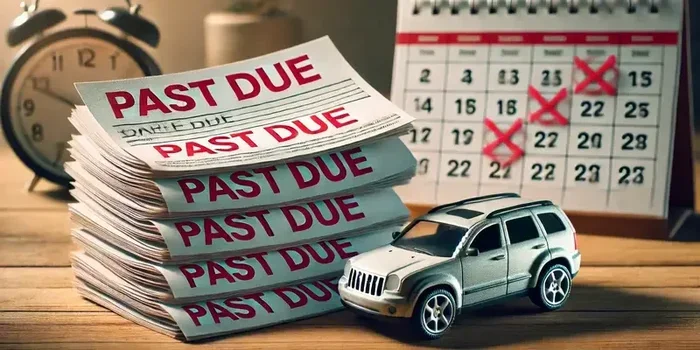
Missing car payments can put your vehicle at serious risk of repossession. Most lenders offer a grace period of 10 to 15 days before a missed payment is reported. Typically, you can miss 2 to 3 payments before the lender starts the repossession process, but the exact number depends on your loan terms and state laws. Understanding your car loan agreement and acting quickly can help you avoid losing your car.
How many car payments can you miss before losing your car? It is a question that keeps a lot of drivers up at night. Whether you are dealing with a job loss, medical bills, or just a tight budget, missing a car payment can feel terrifying. The truth is, there is no single magic number. It depends on your lender, your loan terms, and the state you live in. But one thing is certain: every missed payment makes things worse. In this article, we will walk you through exactly what happens when you miss a car payment, how many you can actually miss, and what you can do to protect yourself. Let us break it all down.
Your auto loan is a legally binding agreement between you and your lender. When you sign that contract, you promise to make regular payments over a set period. Most car loans run for 36 to 72 months. The lender has the right to repossess your vehicle if you fail to meet those payment obligations. But here is the good news: lenders do not usually repossess your car after just one missed payment. They follow a process, and understanding that process is your first line of defense.
Key Takeaways
- Grace Periods Vary: Most lenders give you 10 to 15 days after the due date before counting a payment as missed.
- Two to Three Missed Payments Is the Danger Zone: After missing 2 to 3 consecutive payments, lenders may start repossession proceedings.
- Credit Damage Starts Early: Even one missed payment can hurt your credit score and appear on your credit report.
- You Have Options: Loan modification, deferment, and voluntary surrender are alternatives to defaulting.
- State Laws Differ: Repossession rules vary by state, so knowing your local regulations matters.
- Act Fast: The sooner you contact your lender, the more options you have to save your vehicle.
📑 Table of Contents
- Understanding Your Car Loan Grace Period
- What Happens When You Miss a Car Payment
- How Many Missed Payments Before Repossession?
- The Consequences of Defaulting on Your Auto Loan
- Options When You Cannot Make a Car Payment
- How to Protect Yourself and Your Vehicle
- Common Mistakes to Avoid When You Fall Behind
- Expert Insight: What Financial Advisors Say
- Key Takeaways
- Conclusion
Understanding Your Car Loan Grace Period
Before we talk about how many payments you can miss, it helps to understand the grace period. This is the window of time after your due date where your payment is still considered on time. Most auto lenders offer a grace period of 10 to 15 days. During this time, you can make your payment without penalty. Your credit score will not be affected, and your lender will not report you as late.
How Grace Periods Work in Practice
Let us say your payment is due on the 1st of the month. Your grace period might extend to the 15th or 16th. If you pay by then, you are fine. However, not all lenders offer a grace period. Some report late payments immediately after the due date. This is why reading your loan agreement carefully is so important. Look for the specific language about late payments and grace periods.
Quick Tip: Set up automatic payments or calendar reminders so you never miss a due date. Even a few days late can add up if your lender does not offer a grace period.
What Happens When You Miss a Car Payment
Missing one car payment does not mean you lose your car. But it does start a chain of events. Understanding each stage can help you know where you stand and what to expect.
Day 1 to Day 15: The Grace Period Window
As mentioned, most lenders give you a 10 to 15 day cushion. During this time, your loan is not considered delinquent. You may incur a late fee if the grace period expires without payment, but your credit score should remain unaffected. This is your best window to catch up.
Day 15 to Day 30: The Late Payment Report
Once the grace period ends, your lender may report the missed payment to the credit bureaus. A single late payment can drop your credit score by 100 points or more. It stays on your credit report for up to seven years. This is why even one missed payment can have long-lasting consequences.
Day 30 to Day 60: The Delinquency Phase
After 30 days, your loan is officially delinquent. Your lender will likely start calling you. You may receive letters or emails reminding you of the missed payment. At this stage, the lender may also report the delinquency to the credit bureaus again. Your credit score takes another hit. Some lenders may charge a penalty interest rate on your remaining balance.
Day 60 to Day 90: Entering Default Territory
After two or three missed payments, you are deep in default territory. Most lenders consider a loan in default after 60 to 90 days of nonpayment. This is when things get serious. The lender may send a formal default notice. This letter typically gives you a set number of days to bring your account current or face repossession.
Day 90 Plus: Repossession Risk
If you reach the 90-day mark without making a payment, the lender has the legal right to repossess your vehicle. In many states, they do not even need to notify you before doing so. A repo agent can take your car from your driveway, workplace, or any public place. Once repossessed, your car is sold at auction, and you may still owe the remaining loan balance.
How Many Missed Payments Before Repossession?
This is the big question, right? How many car payments can you miss before losing your car? The honest answer is that it varies. Most lenders will not repossess your car after just one missed payment. Two missed payments put you at risk, and three missed payments make repossession very likely.
The General Timeline
Here is a simple breakdown of the typical timeline:
- 1 Missed Payment: Grace period applies. No immediate risk of repossession. Credit impact is minimal if paid within the grace window.
- 2 Missed Payments: You are in default. The lender will contact you aggressively. Repossession becomes a real possibility.
- 3 Missed Payments: The lender will likely issue a default notice. Repossession proceedings can begin immediately.
- 4+ Missed Payments: Your vehicle is at very high risk. The lender may have already started the repossession process.
Keep in mind that these numbers are general guidelines. Some lenders act faster than others. Your loan agreement, state laws, and your communication with the lender all play a role.
State Laws and Repossession Rules
Repossession laws vary significantly from state to state. In some states, lenders must send a formal notice and give you 20 to 30 days to cure the default before repossessing. Other states allow lenders to repossess your car as soon as you are one payment behind. It is important to know your state’s specific rules.
For example, in California, lenders must send a notice of default and give you a chance to cure it. In Texas, lenders can repossess a vehicle without prior notice as long as they do not breach the peace. Check your state’s Department of Motor Vehicles or consumer protection agency for specific guidance.
The Consequences of Defaulting on Your Auto Loan
Defaulting on your car loan is not just about losing your vehicle. The consequences go much further. Let us look at what happens when you default.
Credit Score Damage
Your credit score takes a serious hit when you default on a car loan. A single missed payment can lower your score by 100 or more points. A default can stay on your credit report for seven years. This makes it harder to get approved for future loans, credit cards, or even rentals. Some employers also check credit reports, so it can affect your job prospects too.
Deficiency Balance
Here is something many people do not expect. If your car is repossessed and sold at auction for less than what you owe, you still have to pay the difference. This is called a deficiency balance. For example, if you owe $10,000 on your loan and the car sells for $6,000 at auction, you still owe $4,000. The lender can pursue you for that amount through collections or even a lawsuit.
Wage Garnishment
If the lender sues you for the deficiency balance and wins, they can garnish your wages. This means a portion of your paycheck goes directly to the lender before you even see it. Wage garnishment laws vary by state, but it is a real consequence of defaulting on a car loan.
Insurance and Registration Issues
If you have a lien on your vehicle, your lender may require you to maintain comprehensive and collision insurance. If you let your insurance lapse, the lender can purchase force-placed insurance, which is significantly more expensive. Some states also allow lenders to suspend your vehicle registration if you default on the loan.
Options When You Cannot Make a Car Payment
If you are struggling to make your car payment, you are not out of options. There are several things you can do to avoid repossession and protect your financial health.
Contact Your Lender Immediately
This is the single most important step. The moment you know you will miss a payment, call your lender. Many lenders would rather work with you than go through the costly and time-consuming process of repossession. They may be willing to offer a temporary hardship program or modify your loan terms.
Loan Deferment or Forbearance
Some lenders offer loan deferment, which allows you to skip one or two payments and add them to the end of your loan term. This does not erase the debt, but it gives you breathing room. Forbearance works similarly but may involve different terms. Ask your lender about these options as soon as possible.
Loan Modification
A loan modification changes the terms of your existing loan to make it more affordable. This could mean extending the loan term, reducing the interest rate, or even adding the missed payments to the back of the loan. Keep in mind that extending your loan term means you will pay more in interest over time.
Voluntary Surrender
If you cannot keep up with payments and do not want to deal with repossession, you can voluntarily surrender the vehicle. This means you return the car to the lender before they have to repossess it. While this still impacts your credit, it is generally viewed more favorably than an involuntary repossession. It can also save you the cost of a repo fee.
Refinancing Your Auto Loan
If your credit score is still decent, refinancing your auto loan might be an option. A new loan with better terms could lower your monthly payment. However, be cautious. Extending your loan term too much can mean paying more overall. Shop around and compare offers from multiple lenders before committing.
Selling the Vehicle Yourself
If you know you cannot keep up with payments, selling the car yourself might be the best option. You can use the sale proceeds to pay off the loan. If the sale price covers the loan balance, you avoid a deficiency balance. If it does not, you still owe the difference, but at least you are not dealing with a repossession on your credit report.
How to Protect Yourself and Your Vehicle
Prevention is always better than cure. Here are some practical steps to protect yourself from falling behind on car payments.
Build an Emergency Fund
Even a small emergency fund can make a huge difference. Aim to save at least one month’s worth of car payments. This gives you a buffer if something unexpected happens. A $300 or $500 cushion can prevent a missed payment from spiraling into a major problem.
Budget for Your Car Payment
Treat your car payment like a non-negotiable expense. When budgeting, put your car payment at the top of the list. Cut back on discretionary spending if needed. Small changes like cooking at home more often or reducing subscriptions can free up money for your loan.
Know Your Rights
Familiarize yourself with the Fair Debt Collection Practices Act and your state’s repossession laws. These laws protect you from unfair practices. If a lender or repo agent violates these laws, you have legal recourse. Knowing your rights can also help you negotiate better terms with your lender.
Consider Payment Protection Insurance
Payment protection insurance, also known as credit insurance, can cover your car payments if you lose your job, become disabled, or face another qualifying event. This type of insurance is often offered at the time of purchase, but you can also buy it separately. It is not right for everyone, but it can be a valuable safety net.
Communicate Before You Miss a Payment
The worst thing you can do is go silent. If you are struggling, reach out to your lender before you miss a payment. Lenders are more likely to help if you are proactive. Many have hardship programs designed specifically for borrowers facing temporary financial difficulties.
Common Mistakes to Avoid When You Fall Behind
When you are behind on car payments, it is easy to make mistakes that make things worse. Here are some common pitfalls to avoid.
Ignoring the Problem
Avoiding your lender will not make the problem go away. In fact, it makes things worse. The longer you wait, the fewer options you have. Lenders are far more willing to work with borrowers who reach out early.
Borrowing from High-Interest Sources
Payday loans and title loans may seem like a quick fix, but they come with extremely high interest rates. These can trap you in a cycle of debt that is much harder to escape than a missed car payment.
Letting Your Insurance Lapse
Even if you are struggling with your car payment, do not let your insurance lapse. Driving without insurance is illegal in most states and can result in fines, license suspension, and even more financial trouble.
Signing Up for Unverified Programs
Be cautious of companies that promise to “save your car” for a fee. Many of these are scams. If a company asks for upfront payment before providing any service, it is likely a scam. Always deal directly with your lender or a verified credit counseling organization.
Expert Insight: What Financial Advisors Say
Financial advisors consistently recommend the same thing: communicate with your lender. According to consumer finance experts, the borrowers who save their vehicles are the ones who act early and stay engaged. “The worst thing a borrower can do is ignore the problem,” says one certified financial planner. “Lenders have processes in place for exactly this situation. You just need to reach out.”
Experts also recommend reviewing your entire financial picture when you fall behind. Sometimes a missed car payment is a symptom of a larger budget problem. Addressing the root cause, whether it is overspending, lack of emergency savings, or income loss, is essential for long-term financial health.
Another expert tip is to prioritize your car payment above discretionary expenses. While it might be tempting to skip a car payment to pay a credit card bill, keeping your car ensures you can still get to work and maintain your income. Losing your car can create a cascade of financial problems that are much harder to recover from.
Key Takeaways
- Grace Periods Protect You Short-Term: Most lenders give 10 to 15 days after the due date before counting a payment as late.
- Two to Three Missed Payments Is the Danger Zone: After missing 2 to 3 consecutive payments, lenders typically begin repossession proceedings.
- Credit Damage Starts With One Missed Payment: Even a single late payment can lower your credit score significantly and stay on your report for years.
- You Have Real Options: Loan deferment, modification, voluntary surrender, and refinancing are all viable paths to explore.
- State Laws Matter: Repossession rules vary by state, so understanding your local regulations is critical.
- Acting Fast Is Everything: The sooner you contact your lender, the more options you have to save your vehicle and your credit.
Conclusion
So how many car payments can you miss before losing your car? The answer is not a simple number. Most lenders will not repossess your vehicle after just one missed payment, especially if you act quickly. Two missed payments put you in a risky position, and three missed payments can trigger the repossession process in many cases. But every situation is different. Your loan terms, your state laws, and your willingness to communicate with your lender all matter.
The most important thing you can do is not ignore the problem. Whether you have missed one payment or three, reaching out to your lender is the best first step. They have hardship programs, deferment options, and loan modification plans designed to help borrowers in your exact situation. The more you know about your rights and your options, the better equipped you are to protect yourself and your vehicle.
Take action today. Review your loan agreement, understand your grace period, and contact your lender if you are struggling. A few proactive steps now can save you from losing your car and dealing with long-term financial consequences. Remember, your car is an asset, and with the right approach, you can keep it on the road.
Frequently Asked Questions
Can I lose my car after missing just one payment?
It is very unlikely that you will lose your car after missing just one payment. Most lenders have a grace period of 10 to 15 days, and repossession typically only begins after two or three consecutive missed payments. However, even one missed payment can negatively affect your credit score.
What happens if my car gets repossessed?
If your car is repossessed, the lender will sell it at auction. If the sale price does not cover the remaining loan balance, you will still owe the difference, known as a deficiency balance. A repossession also severely damages your credit score and stays on your credit report for seven years.
Does my credit score recover after a missed car payment?
Your credit score can recover over time, but it takes effort. The impact of a missed payment lessens as you build a positive payment history. Making all future payments on time, reducing debt, and keeping your credit utilization low will help your score improve gradually.
Can I stop a repossession once it has started?
You may be able to stop a repossession by bringing your account current, negotiating a loan modification, or filing for bankruptcy. However, the sooner you act, the better your chances. Once the lender has a court order for repossession, stopping it becomes much more difficult.
What is the difference between voluntary and involuntary repossession?
A voluntary surrender means you return the car to the lender before they repossess it. An involuntary repossession happens when the lender takes the car without your permission. Voluntary surrender is generally viewed more favorably on your credit report and may save you repo-related fees.
How can I avoid missing car payments in the future?
The best way to avoid missing payments is to build an emergency fund, set up automatic payments, and create a realistic budget. If your financial situation changes, contact your lender immediately to explore options like deferment, loan modification, or refinancing before you fall behind.