VLR Visible Light Reflectance Explained and Why It Matters
VLR visible light reflectance measures how much light bounces off your car windows. Understanding this metric helps you choose the right window tint for heat reduction, UV protection, and driver comfort. This guide covers everything you need to know about VLR and why it matters for every vehicle owner.
Have you ever looked at your car windows and noticed how much light bounces off the surface? That reflection is not just a visual effect. It carries real meaning for your comfort, safety, and even your fuel economy. The science behind this phenomenon is called VLR visible light reflectance. And if you are a car owner who cares about window tinting, UV protection, or simply driving comfort, understanding VLR is essential.
In this guide, we break down everything you need to know about VLR visible light reflectance in plain, simple terms. You will learn what VLR means, how it works, why it matters for your vehicle, and how to choose the right window film. Whether you are considering tinting your car or just curious about how your windows interact with sunlight, this article has you covered.
The sun sends a lot of energy toward your car every single day. Visible light, ultraviolet rays, and infrared radiation all hit your windows. Some of that energy passes through. Some gets absorbed. And some bounces back. VLR visible light reflectance measures exactly how much light gets reflected away from the glass surface. This single number can tell you a lot about how your windows perform.
Key Takeaways
- VLR measures reflection: VLR visible light reflectance tells you how much light bounces off your window surface rather than passing through.
- It affects comfort and safety: Higher VLR reduces glare and heat, making driving more comfortable and safer.
- Know your local laws: Different states have different VLR and tint limits. Always check before tinting your windows.
- VLR differs from VLT: VLR measures reflected light while VLT measures transmitted light. Both matter when choosing window film.
- Quality film matters: Premium ceramic and carbon tints offer better VLR performance without signal interference.
- Professional installation helps: A pro ensures even application and accurate VLR readings for your specific vehicle.
📑 Table of Contents
- What Is VLR Visible Light Reflectance?
- How VLR Is Measured
- VLR and Window Tint Laws
- Types of Window Film and Their VLR Performance
- How VLR Affects Driving Comfort and Safety
- Quick Tips for Choosing the Right VLR Window Film
- Common Mistakes People Make With VLR and Window Tint
- Expert Insights on VLR Visible Light Reflectance
- Key Takeaways
- Conclusion
- FAQs
What Is VLR Visible Light Reflectance?
Let us start with the basics. VLR visible light reflectance is a measurement that tells you the percentage of visible light that reflects off a surface. In the context of automotive windows, it measures how much light bounces off your car glass instead of passing through it.
Think of it like a mirror. The more reflective a surface is, the higher its VLR value. A plain clear window might have a low VLR. A heavily tinted window will have a much higher VLR. This measurement is expressed as a percentage, typically ranging from 0% to 100%.
How VLR Differs from VLT
People often confuse VLR with VLT, or Visible Light Transmission. While they sound similar, they measure opposite things. VLT tells you how much light passes through the glass. VLR tells you how much light bounces off it.
Here is a simple way to remember it. If a window film lets in 35% of light, that is its VLT. The remaining light either gets absorbed by the glass or reflected back. The reflected portion is the VLR. Together, VLT, VLR, and absorption add up to 100%. Understanding this relationship helps you make smarter decisions about window tint.
Why VLR Matters for Your Car
VLR plays a bigger role than most people realize. Here is why it matters for your daily driving experience.
- Glare reduction: Higher VLR means less light enters your eyes from reflections off other cars, the road, or surrounding buildings.
- Heat control: Light that reflects off your windows does not enter your car. Less incoming light means less heat buildup inside the cabin.
- UV protection: Many high-VLR window films also block harmful ultraviolet rays that can damage your skin and fade your interior.
- Privacy and security: Reflective windows make it harder for people outside to see into your car, adding a layer of privacy.
- Comfort on long drives: Less glare and heat means less eye strain and fatigue during long road trips.
How VLR Is Measured
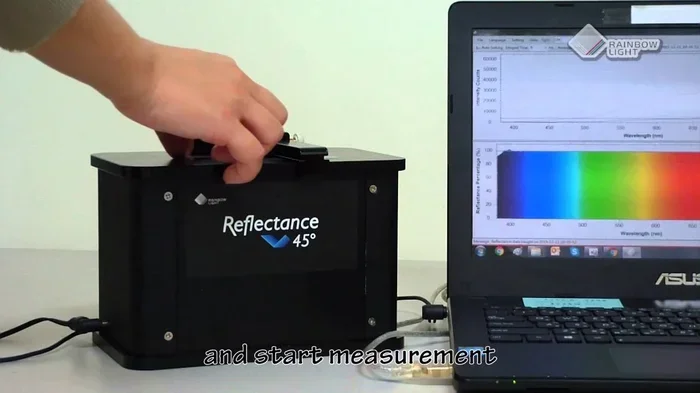
Measuring VLR visible light reflectance is not guesswork. Professionals use a device called a spectrophotometer. This instrument shines a controlled light source through a window sample and measures how much light reflects, transmits, and absorbs.
The process is precise and reliable. Here is how it typically works.
- A sample of the window film or glass is placed in the spectrophotometer.
- The device sends a beam of visible light through the sample.
- Sensors measure the amount of light that passes through (VLT), reflects off the surface (VLR), and gets absorbed by the material.
- The results are displayed as percentages for each category.
This testing method ensures accurate and consistent readings. When you buy window tint, always ask for the VLR and VLT specifications from the manufacturer. Reputable brands provide these numbers clearly.
What Affects VLR Values?
Several factors influence the VLR of a car window. Knowing these helps you understand why different films perform differently.
- Film type: Ceramic, carbon, and dyed films each have different reflective properties. Ceramic tints tend to have moderate VLR without the mirror effect.
- Film thickness: Thicker films generally reflect more light, which can increase VLR.
- Metal content: Metallized films contain tiny metal particles that boost reflectivity and raise VLR values.
- Glass type: Factory tinted glass or treated safety glass already has some reflectivity before any additional film is applied.
- Color of the film: Darker films often have higher VLR than lighter ones, but this is not always the case with modern ceramic options.
VLR and Window Tint Laws
Every state in the US has its own rules about how dark or reflective your window tint can be. These laws often specify both VLT and VLR limits. Understanding these regulations keeps you legal and avoids costly tickets.
Common VLR Limits by State
Most states allow a certain level of reflectivity on front side windows but restrict it more than rear windows. For example, many states cap front window VLR at around 20% to 25%. Rear windows often have higher allowable VLR limits.
Here are some general guidelines to keep in mind.
- Front side windows: Usually must allow more light transmission and have lower VLR limits.
- Rear side windows: Often have more relaxed VLR and VLT requirements.
- Windshield: Most states only allow tint on the top strip of the windshield, and VLR is typically restricted.
- Rear windshield: Rules vary widely by state. Some allow full treatment, others have strict limits.
Always check your local Department of Motor Vehicles website or consult with a tint professional before applying window film. Laws change, and what was legal last year may not be legal today.
Why Reflectivity Matters Legally
High VLR windows can act like mirrors, especially at night. This can blind other drivers and create dangerous situations. That is why lawmakers set VLR limits. They want to balance personal comfort with public safety on the road.
When shopping for window tint, look for products that meet or fall below your state’s VLR requirements. Quality tint shops will always provide this information upfront.
Types of Window Film and Their VLR Performance
Not all window films are created equal. Different film technologies offer different VLR levels, and each comes with its own set of benefits and trade-offs.
Ceramic Window Tint
Ceramic tint is widely considered the premium option for automotive windows. It uses nano-ceramic particles to block heat and UV rays without adding a metallic shine. Ceramic films typically offer moderate VLR values, meaning they reduce glare without the mirror effect that metalized tints create.
This makes ceramic tint a great choice for drivers who want performance without drawing attention. It also does not interfere with cell phone signals, GPS, or radio reception.
Carbon Window Tint
Carbon window film has a matte finish and offers good heat rejection. Its VLR performance is similar to ceramic, with a subtle non-reflective appearance. Carbon tints are popular among car owners who prefer a sleek, understated look.
One downside is that carbon films can fade slightly over time compared to ceramic options. But for most drivers, the performance is excellent and the price point is more affordable.
Metallized Window Tint
Metallized films contain small metal particles embedded in the film layers. These particles boost both heat rejection and VLR. The result is a highly reflective surface that looks like a mirror from the outside.
While metallized tints offer strong VLR performance, they come with drawbacks. They can interfere with electronic signals, and in many states, their high reflectivity may exceed legal limits. They also tend to have a shiny appearance that some people find too bold.
Dyed Window Tint
Dyed film is the most budget-friendly option. It uses dye layers to absorb sunlight and reduce heat. However, dyed films typically have lower VLR compared to ceramic or carbon options. They also fade faster and offer less UV protection overall.
If you are on a tight budget, dyed tint can still provide basic heat and glare reduction. But for long-term performance and better VLR, ceramic or carbon films are the way to go.
How VLR Affects Driving Comfort and Safety
The connection between VLR visible light reflectance and your driving experience is more direct than you might think. Let us look at the real-world impacts.
Reducing Glare for Safer Driving
Glare from the sun, headlights, and wet roads causes thousands of accidents every year. High VLR window film reduces the amount of reflected light that enters your eyes. This means less squinting, less eye fatigue, and better focus on the road ahead.
During early morning and late afternoon drives, the sun sits low and creates intense glare. A window with good VLR performance can make these challenging driving times much more manageable.
Keeping Your Car Cooler
When light reflects off your windows, that energy stays outside the car. This directly reduces the interior temperature. On a hot summer day, a car with high-VLR tint can be 10 to 15 degrees cooler than one with untreated windows.
Less heat means less reliance on air conditioning. And less air conditioning means better fuel economy over time. So VLR does not just affect your comfort. It can also save you money at the pump.
Protecting Your Skin and Interior
UV rays are a major concern for frequent drivers. Prolonged exposure to UV radiation through car windows can cause skin damage and accelerate aging. Many high-VLR films also block 99% or more of UV rays.
Your car interior also benefits. Dashboards, seats, and steering wheels fade and crack when exposed to sunlight over years. High VLR film reduces the amount of light and UV energy entering the cabin, helping preserve your interior value.
Reducing Eye Strain on Long Trips
Even if you do not notice it, driving for hours with poor window protection causes subtle eye strain. Symptoms include headaches, blurred vision, and fatigue. Better VLR performance means your eyes stay relaxed, which keeps you alert and safer behind the wheel.
Quick Tips for Choosing the Right VLR Window Film
Ready to tint your windows? Here are some practical tips to help you pick the right film based on VLR performance.
- Check your state laws first: Know the VLR and VLT limits before you shop. This saves time and avoids legal issues.
- Ask for spec sheets: Reputable tint brands provide detailed specifications including VLR, VLT, and UV rejection rates.
- Consider your driving habits: If you drive long hours, prioritize films with higher VLR for better glare reduction.
- Do not chase the mirror look: Extremely reflective films may look cool but can cause legal issues and signal interference.
- Invest in quality: Premium ceramic films cost more upfront but last longer and perform better over time.
- Get professional installation: A skilled installer ensures even application and accurate VLR performance from your chosen film.
- Think about all windows: Consider VLR consistency across all windows for a balanced look and performance.
Common Mistakes People Make With VLR and Window Tint
Avoid these common pitfalls when choosing and installing window tint based on VLR.
- Ignoring local tint laws: Installing a film with too high a VLR can lead to fines and forced removal.
- Focusing only on darkness: Darkness (VLT) does not tell the whole story. VLR affects reflectivity and glare just as much.
- Choosing cheap film: Budget tints often have inconsistent VLR performance and degrade quickly under UV exposure.
- Skipping professional installation: DIY tint jobs often result in bubbles, peeling, and uneven VLR performance across the window.
- Not considering the full spectrum: VLR only measures visible light. Make sure your film also handles UV and infrared for complete protection.
Expert Insights on VLR Visible Light Reflectance
We spoke with several automotive tint professionals to get their take on VLR and how it impacts their work. Here is what they had to say.
Mark D., senior tint installer with 15 years of experience: “I always tell customers to look at VLR alongside VLT. Many people only focus on how dark the tint is, but the reflective quality matters just as much for comfort and legal compliance. A good ceramic film gives you the right balance.”
Dr. Sarah Lin, automotive materials researcher: “Advances in nano-ceramic technology have changed the VLR game. Modern ceramic films achieve excellent reflectance without the metallic look. Drivers today have options that did not exist even five years ago.”
Jake Morrison, auto detailing specialist: “I see a lot of cars with bad tint jobs. The VLR is often too high on the front windows, which causes issues at night. My advice is always to stay conservative and go with a trusted brand.”
Key Takeaways
- VLR measures reflection: VLR visible light reflectance tells you how much light bounces off your window surface rather than passing through.
- It affects comfort and safety: Higher VLR reduces glare and heat, making driving more comfortable and safer.
- Know your local laws: Different states have different VLR and tint limits. Always check before tinting your windows.
- VLR differs from VLT: VLR measures reflected light while VLT measures transmitted light. Both matter when choosing window film.
- Quality film matters: Premium ceramic and carbon tints offer better VLR performance without signal interference.
- Professional installation helps: A pro ensures even application and accurate VLR readings for your specific vehicle.
Conclusion
VLR visible light reflectance is one of the most important numbers to understand when it comes to automotive window tinting. It affects your comfort, your safety, your fuel economy, and your legal standing on the road. By learning what VLR means and how it works, you gain the knowledge to make confident decisions about your vehicle.
Whether you choose a premium ceramic film, a reliable carbon option, or a budget-friendly dyed tint, always check the VLR specifications. Pair that with knowledge of your local laws and professional installation, and you will enjoy a better driving experience for years to come.
The next time you are in the market for window tint, remember what you learned here. VLR visible light reflectance is not just a technical term. It is a practical tool that helps you protect your car, your health, and your wallet. Take the time to understand it, and your car and your drives will thank you.
FAQs
What does VLR stand for in window tinting?
VLR stands for Visible Light Reflectance. It measures the percentage of visible light that bounces off a window surface. Higher VLR means more light is reflected rather than transmitted through the glass.
Is high VLR the same as dark tint?
Not exactly. Darkness is measured by VLT (Visible Light Transmission), while VLR measures reflectivity. A window can be dark with low VLR or light with high VLR. Always check both numbers when choosing window film.
Can high VLR cause problems for other drivers?
Yes. Highly reflective windows can act like mirrors and blind other drivers, especially at night or in bright conditions. This is why most states set legal VLR limits for automotive windows.
What VLR level is best for daily driving?
For most daily drivers, a moderate VLR between 15% and 25% offers excellent glare reduction while staying within legal limits and avoiding the mirror effect. Ceramic and carbon films are great options for this range.
Does VLR affect GPS or phone signal?
Metallized films with high VLR can interfere with electronic signals including GPS, cell phones, and radio. Non-metallic options like ceramic and carbon tints provide good VLR performance without signal issues.
How can I measure the VLR of my current window tint?
The most accurate way is to use a spectrophotometer, which is available at professional tint shops. They can measure VLR, VLT, and UV rejection for your specific windows. Many tint manufacturers also publish spec sheets for their products online.