How Do You Reset the Check Engine Light on a 5th Gen 4Runner
Resetting the check engine light on a 5th Gen 4Runner is straightforward if you know the right steps. Whether the light is on due to a loose gas cap, a faulty sensor, or a deeper engine issue, this guide walks you through every method. You will learn how to use an OBD-II scanner, disconnect the battery, and clear fault codes safely. We also cover the most common reasons the light comes on and when you should see a mechanic instead of fixing it yourself.
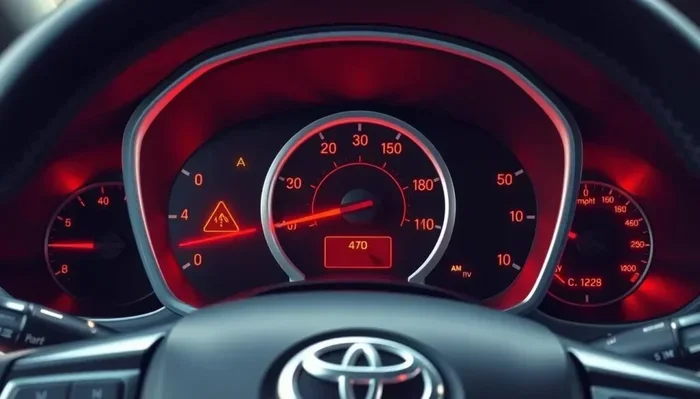
Owning a 5th Gen 4Runner is a great experience. These trucks are tough, reliable, and built to last. But nothing hits the nerves quite like seeing the check engine light glow on your dashboard. You are cruising down the highway, and suddenly that little yellow engine icon turns on. Your mind starts racing. What is wrong? Is it serious? Can you just reset the check engine light on a 5th Gen 4Runner and move on?
The truth is, a check engine light can mean many things. Sometimes it is a minor issue like a loose gas cap. Other times, it signals something more serious that needs immediate attention. This guide will show you exactly how to reset the light, why it came on in the first place, and how to avoid the problem in the future. Whether you are a DIY mechanic or a curious truck owner, you will find practical advice here.
The check engine light is part of your 4Runner’s onboard diagnostics system. This system monitors engine performance, emissions, and other critical functions. When something goes wrong, the system stores a diagnostic trouble code and lights up the dashboard. Resetting the light clears the code from memory. But it does not repair the actual problem. That is why understanding the root cause matters so much.
## Why Does the Check Engine Light Come On in a 5th Gen 4Runner?
The check engine light activates when the engine control unit, or ECU, detects a problem. The ECU constantly monitors sensors throughout your truck. If a sensor reading falls outside the normal range, the light turns on. Understanding the common triggers helps you decide whether a quick fix is possible or if you need professional help.
### Loose or Faulty Gas Cap
This is the most common reason for a check engine light. The gas cap seals the fuel system and prevents fumes from escaping. If the cap is loose, cracked, or missing, the system detects a leak. A simple tighten or replacement often solves the problem. After fixing it, you may need to clear the check engine code manually.
### Faulty Oxygen Sensor
The oxygen sensor measures unburned oxygen in the exhaust. It helps the ECU adjust the fuel-air mixture. Over time, these sensors can get contaminated by oil ash and debris. A failing oxygen sensor reduces fuel efficiency and increases emissions. Replacing it is affordable and straightforward.
### Worn Spark Plugs or Ignition Coils
Spark plugs ignite the air-fuel mixture in the engine cylinders. When they wear out, the engine may misfire. Ignition coils can also fail over time. A misfire sends unburned fuel into the exhaust system. This triggers the check engine light and can damage the catalytic converter if left unchecked.
### Mass Airflow Sensor Issues
The mass airflow sensor measures the amount of air entering the engine. It helps the ECU deliver the right fuel amount. Dirt, oil, or debris can contaminate this sensor. A dirty airflow sensor causes rough idling, poor acceleration, and stalling. Cleaning or replacing the sensor usually resolves the issue.
### Catalytic Converter Problems
The catalytic converter reduces harmful emissions. It converts carbon monoxide into carbon dioxide. A failing catalytic converter triggers the check engine light. This is one of the more expensive repairs. Symptoms include reduced engine performance, a sulfur smell, and dark exhaust smoke.
## Tools You Need to Reset the Check Engine Light
Before you start, gather the right tools. Having everything ready makes the process smoother and faster. You do not need expensive equipment for most reset methods.
### OBD-II Scanner
An OBD-II scanner is the most useful tool for any car owner. It plugs into the diagnostic port under your dashboard. The scanner reads and clears diagnostic trouble codes. You can buy a basic scanner for under $30. More advanced models offer live data streaming and detailed code definitions. Using a scanner is the most precise way to reset the light.
If you do not own a scanner, many auto parts stores offer free code reading. They will also clear the codes for you in many cases. This is a great option if you want professional help without paying a mechanic.
### Basic Hand Tools
For methods like battery disconnection, you only need a basic wrench or socket set. You will also need a clean cloth to work with. These tools are already in most garages.
### Replacement Parts
If the check engine light is caused by a specific part, you will need that part on hand. Common replacements include gas caps, spark plugs, oxygen sensors, and air filters. Always use quality parts that match your 4Runner’s specifications.
## Step-by-Step: How to Reset the Check Engine Light on a 5th Gen 4Runner
There are several ways to reset the check engine light. Each method has its pros and cons. Choose the one that fits your situation and comfort level.
### Method 1: Use an OBD-II Scanner
This is the most recommended method. It lets you read the codes first and clear them afterward.
- Locate the OBD-II port under your dashboard on the driver side.
- Plug the scanner into the port until it clicks.
- Turn the ignition to the “On” position without starting the engine.
- Wait for the scanner to connect to the ECU.
- Read the diagnostic trouble codes and write them down.
- Research each code to understand what it means.
- Use the scanner’s menu to clear or erase the codes.
- Turn off the ignition and remove the scanner.
- Start the engine and check if the light stays off.
Using a scanner gives you valuable information about what triggered the light. This helps you fix the real problem, not just the symptom. If you are unsure about a code, searching it online or consulting a mechanic is always a smart move.
### Method 2: Disconnect the Battery
Disconnecting the battery resets the ECU and clears stored codes. This method works but has some drawbacks.
- Turn off the engine and remove the key.
- Open the hood and locate the negative battery terminal.
- Use a wrench to loosen the negative cable clamp.
- Carefully remove the cable from the terminal.
- Wait at least 15 minutes. This allows the ECU to fully reset.
- Reconnect the negative cable and tighten the clamp.
- Start the engine and check the dashboard.
Keep in mind that disconnecting the battery also resets other settings. Your radio presets, clock, and power window calibration may need to be reset. Also, some models require a relearn procedure for the idle air control system. If you prefer not to lose these settings, the OBD-II scanner method is better.
### Method 3: Cycle the Ignition
Some owners have success by cycling the ignition key. This method does not require any tools.
- Turn the ignition to the “On” position.
- Wait exactly three seconds.
- Turn the ignition to the “Off” position.
- Wait another three seconds.
- Repeat this cycle three times.
- Start the engine and check if the light is off.
This method works on some Toyota models but is not guaranteed to work on every 5th Gen 4Runner. It is worth trying if you do not have a scanner available. However, it does not give you any diagnostic information, so you will not know what caused the light in the first place.
### Method 4: Drive Cycle Reset
A drive cycle involves driving your truck in a specific pattern to allow the ECU to relearn and reset. After fixing the underlying issue, the ECU may turn the light off on its own after completing a drive cycle.
- Start the engine and let it idle for two minutes.
- Drive at 55 mph for at least five miles.
- Stop and let the engine idle for two minutes.
- Drive at highway speed for another ten minutes.
- Let the engine cool down completely.
This method works best after you have already fixed the problem. The ECU monitors your driving patterns and clears minor codes on its own over time.
## Common Causes of the Check Engine Light in a 4Runner
Understanding what triggers the light helps you prevent future issues. Here are the most common causes for the 5th Gen 4Runner.
### Aftermarket Parts and Modifications
Aftermarket parts like cold air intakes, exhaust systems, and performance chips can trigger the check engine light. These parts may not be perfectly calibrated for your truck’s ECU. If you recently installed aftermarket parts, check the connections and compatibility. Using a tuner or ECU remap can often resolve these issues.
### Old or Contaminated Fluids
Dirty engine oil, old transmission fluid, and degraded coolant can all affect engine performance. The ECU monitors fluid temperatures and pressure. When fluids break down, the readings go off. Staying on top of regular fluid changes keeps your 4Runner running smoothly.
### Emissions System Failures
The emissions system includes the catalytic converter, EVAP system, and oxygen sensors. Any component in this system can trigger the check engine light. Regular inspections help catch small problems before they become expensive repairs.
### Loose Wiring or Connectors
Vibration from off-road driving can loosen electrical connectors. A loose connector sends incorrect signals to the ECU. Checking under the hood for damaged or loose wires is a good habit, especially if you take your 4Runner on rough trails.
## When to See a Mechanic Instead of Resetting
Resetting the light feels great, but it is not always the right move. Some situations require professional diagnosis and repair.
### The Light Is Flashing
A flashing check engine light is more serious than a steady light. It usually indicates a severe engine misfire. Unburned fuel can damage the catalytic converter quickly. If you see a flashing light, pull over safely and get your truck towed to a repair shop.
### You Notice Performance Issues
If your 4Runner is stalling, surging, or losing power, do not just reset the light. These symptoms point to real mechanical problems. Driving with a serious issue can cause more damage and higher repair costs.
### The Light Keeps Coming Back
If you reset the light and it returns within a few days, there is an unresolved problem. The ECU detected an issue, you cleared it, and the same issue triggered it again. This cycle means you need a proper diagnosis. A mechanic can use advanced tools to find the root cause.
### You Are Unsure About the Cause
When in doubt, get a professional opinion. Many auto parts stores read codes for free. If the codes point to something you do not understand, a certified mechanic can help. Trying to fix something you do not understand can make the problem worse.
## Preventing the Check Engine Light from Returning
Prevention is always better than cure. A few simple habits keep your 5th Gen 4Runner healthy and the check engine light off.
### Perform Regular Maintenance
Follow the manufacturer’s maintenance schedule. Regular oil changes, spark plug replacements, and air filter changes go a long way. Maintenance keeps all engine systems running at peak performance.
### Use Quality Fuel and Parts
Cheap fuel can contain contaminants that damage sensors and injectors. Similarly, low-quality aftermarket parts may not fit or function correctly. Invest in quality fuel and OEM or reputable aftermarket parts for your 4Runner.
### Pay Attention to Warning Signs
Do not ignore small changes in your truck’s behavior. Rough idling, reduced fuel economy, or unusual sounds are early warning signs. Catching these issues early prevents the check engine light from turning on.
### Keep the Gas Cap Tight
This sounds too simple, but it works. Always make sure the gas cap clicks tightly after fueling. A loose gas cap is the number one cause of a check engine light. If the cap is old or cracked, replace it immediately.
### Drive Responsibly
Aggressive driving puts extra stress on the engine and emissions system. Smooth acceleration and steady speeds reduce wear on sensors and components. Your 4Runner will thank you with better performance and fewer warning lights.
## Expert Insights: What Toyota Owners Should Know
Experienced 4Runner owners share one common piece of advice. Do not panic when the check engine light comes on. In most cases, the issue is minor and easy to fix. However, ignoring the light can lead to bigger problems down the road. The ECU is designed to protect your engine. When it lights up, it is telling you something needs attention.
Many 5th Gen 4Runner owners keep an OBD-II scanner in their glove box. It is a small investment that pays for itself quickly. You can read codes at home, research the issue, and decide whether it is safe to drive or needs immediate repair. Some scanners even allow you to monitor live sensor data, which is incredibly helpful for diagnosing intermittent issues.
If your check engine light is related to an oil change reminder or the wrench light, that is a different system. The wrench light on a Toyota typically indicates maintenance is due, not a mechanical failure. Understanding the difference between these warning lights helps you respond appropriately.
## Key Takeaways
Key Takeaways
- Multiple reset methods exist: You can use an OBD-II scanner, disconnect the battery, or cycle the ignition to reset the light.
- Common causes are often simple: A loose gas cap, worn spark plugs, or a faulty oxygen sensor trigger most check engine lights.
- Resetting does not fix the problem: The light will return if the underlying issue is not addressed first.
- An OBD-II scanner is the best tool: It reads diagnostic trouble codes and helps you pinpoint the real cause.
- Know when to seek help: Flashing lights, overheating, or loss of power mean you need professional repair immediately.
- Prevention saves money: Regular maintenance keeps your 5th Gen 4Runner running smoothly and avoids future warning lights.
Key Takeaways
- Resetting the check engine light is simple: Use an OBD-II scanner, disconnect the battery, cycle the ignition, or complete a drive cycle.
- Always diagnose the cause first: Resetting without fixing the problem means the light will return.
- A loose gas cap is the most common trigger: Always check this first before assuming something serious.
- Flashing lights need immediate attention: They indicate severe issues like engine misfires that can cause costly damage.
- Regular maintenance prevents most problems: Staying on top of oil changes, spark plugs, and fluid replacements keeps your 4Runner healthy.
- Keep an OBD-II scanner handy: It empowers you with knowledge and saves time and money on diagnostics.
Resetting the check engine light on a 5th Gen 4Runner does not have to be stressful. With the right tools and a little knowledge, you can handle it yourself in most cases. Start by identifying what triggered the light. Use an OBD-II scanner to read the codes and address the root cause. Then choose the reset method that works best for you. Whether you disconnect the battery or clear the codes with a scanner, the process is quick and manageable.
Remember, the check engine light is your truck’s way of communicating with you. It is not something to ignore or simply mask with a reset. Take the time to understand what it is telling you. Your 4Runner will run better, last longer, and save you money in the long run. If you ever feel unsure, do not hesitate to consult a professional mechanic. A little caution goes a long way in keeping your truck on the road and running strong.
If you want to learn more about clearing specific codes, check out this guide on how to clear a check engine code for additional tips and methods.
Frequently Asked Questions
Can I drive my 5th Gen 4Runner with the check engine light on?
In most cases, you can drive a short distance if the light is steady and the truck runs normally. However, a flashing check engine light means you should stop driving immediately and get the truck towed. A flashing light usually indicates a severe misfire that can damage the catalytic converter and other expensive components.
How much does it cost to reset the check engine light on a 4Runner?
If you use an OBD-II scanner you already own, the cost is zero. Many auto parts stores will read and clear codes for free. If you visit a mechanic for diagnostics, expect to pay between $100 and $200 for the diagnostic fee, plus the cost of any needed repairs.
Will disconnecting the battery erase all my truck settings?
Yes, disconnecting the battery can reset your radio presets, clock, power window calibration, and some learned ECU parameters. Some 5th Gen 4Runner owners prefer the OBD-II scanner method specifically to avoid losing these settings. If you do disconnect the battery, be prepared to reset a few things afterward.
How long does it take to reset the check engine light?
Using an OBD-II scanner takes about five minutes. Disconnecting the battery requires waiting at least 15 minutes for the ECU to fully reset. A drive cycle reset takes about 30 to 45 minutes of driving. The method you choose determines the total time needed.
What should I do if the check engine light comes back after resetting?
If the light returns, the underlying problem was not fixed. Go back to the OBD-II scanner and read the codes again. The same code or a new code will give you clues about what is still wrong. At this point, it is wise to visit a mechanic for a proper diagnosis rather than repeatedly resetting the light.
Does the check engine light mean my engine is about to fail?
Not necessarily. The check engine light covers everything from a loose gas cap to serious engine problems. Many triggers are minor and inexpensive to fix. However, ignoring the light for a long time can allow small issues to develop into major damage. Always investigate the cause promptly to protect your 4Runner.