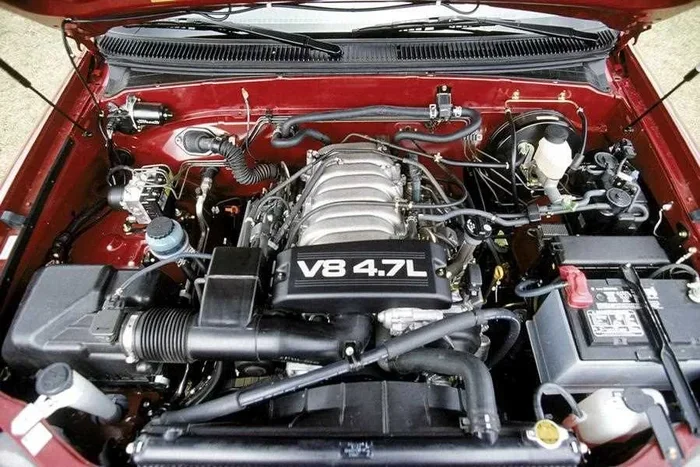
Did Toyota Fix the Tundra Engine Problem Yet Again
The Toyota Tundra has had its share of engine troubles over the years, leaving owners frustrated and searching for answers. The big question remains: did Toyota fix the Tundra engine problem once and for all? We dive deep into the history, the fixes, and what real owners are experiencing today.
The Toyota Tundra has been a staple in the full-size truck market for decades. But when engine problems started surfacing, it shook the confidence of many loyal Toyota fans. The question on every truck lover’s mind is simple: did Toyota fix the Tundra engine problem for good?
This is a topic that matters to current Tundra owners, potential buyers, and anyone who follows Toyota truck reliability. Engine problems in a truck are no small deal. They affect performance, safety, and your wallet. Let us walk through everything you need to know about the Tundra engine situation, what Toyota did to address it, and what you should watch for if you own or plan to buy one.
Key Takeaways
- The 2021-2023 Tundra faced engine issues including oil consumption and cooling system concerns that Toyota addressed through recalls and updates.
- The 2024 and newer Tundra models feature significant engineering changes designed to prevent past engine problems from recurring.
- Toyota extended warranty coverage on certain engine components to give owners peace of mind.
- Real owner feedback shows mixed results, with many reporting smooth performance while others still experience minor issues.
- Regular maintenance and early detection of warning signs can prevent serious engine damage in any Tundra model.
- Toyota took concrete steps to fix the problem, but no vehicle is perfect, and staying informed helps you stay ahead.
📑 Table of Contents
What Was The Tundra Engine Problem?
The Toyota Tundra has been around since 2000, and like any long-running vehicle, it has seen its share of issues. The engine problems that gained the most attention involved the 5.7-liter V8 engine found in the 2021 through 2023 model years. Owners reported several concerning symptoms that pointed to deeper mechanical issues.
Some of the most common complaints included:
- Excessive oil consumption beyond normal levels
- Cooling system failures leading to overheating
- Engine misfires and rough idling
- Check engine light activating without clear cause
- Premature engine wear in certain components
These issues were not just minor annoyances. Some owners experienced serious engine damage that required expensive repairs. The problems appeared in both new trucks and vehicles with moderate mileage. This raised serious concerns about Toyota’s quality control and whether the company had truly addressed underlying design flaws.
Toyota issued several recalls and technical service bulletins to address these concerns. The company acknowledged the problems and worked on solutions. But the question many owners still ask is whether those fixes were enough. If you are dealing with any engine warning lights, you might want to check out our guide on how to clear a check engine code while you investigate the root cause.
Did Toyota Actually Fix It This Time?
Toyota is known for building reliable vehicles, and the company does not take engine problems lightly. When the Tundra issues came to light, Toyota responded with a combination of recalls, software updates, and hardware changes. But did those efforts truly resolve the problems?
The 2024 and Newer Tundra Models
The 2024 Toyota Tundra represents a major leap forward for the model. Toyota completely redesigned the truck with a new twin-turbo V6 engine replacing the older V8. This new powertrain was engineered with lessons learned from past issues. The 3.4-liter twin-turbo V6, known as the i-FORCE MAX, delivers 389 horsepower and 479 lb-ft of torque.
Key improvements in the newer engine include:
- Better oil management systems to prevent excessive consumption
- Enhanced cooling design with improved heat dissipation
- Direct fuel injection technology for more precise combustion
- Updated internal components built with stronger materials
- Advanced engine monitoring sensors that detect problems early
These changes show Toyota took the earlier problems seriously. The company did not just patch things over. They reengineered the powertrain from the ground up. That is a strong signal that Toyota wanted to make sure these engine problems did not return.
What Owners Are Saying Now
Early feedback on the redesigned Tundra has been mostly positive. Many owners report smooth, reliable performance with no major engine issues. However, some owners of the 2021-2023 models who received recall fixes still report occasional problems. The experience varies from truck to truck.
Owner forums and review sites show a clear divide. Owners of the newer models generally feel confident in the engine’s reliability. Those with older models remain more cautious, especially if they experienced problems firsthand. This is not unusual in the truck world. Every manufacturer deals with quality control issues from time to time.
If you are experiencing engine troubles with your Tundra, remember that you may be able to get repairs covered under warranty. Learn more about taking your Toyota to any dealership for warranty work to understand your options.
Common Tundra Engine Issues To Watch For
Even with Toyota’s fixes, it is smart to know what problems can still arise. Being aware of potential issues helps you catch them early before they become expensive repairs. Here are the engine concerns that Tundra owners should keep on their radar.
Oil Consumption Problems
Oil consumption was one of the most reported issues with the older Tundra engines. Some trucks burned through oil faster than normal, which can lead to engine damage if left unchecked. Toyota addressed this through recalls that included engine rebuilds and component replacements in many cases.
What to watch for:
- Oil level dropping between changes without visible leaks
- Blue or gray exhaust smoke, especially on startup
- Burning oil smell while driving
- Decreased fuel economy that cannot be explained otherwise
Regular oil checks are essential for any Tundra owner. Do not wait for the dashboard warning light. Make it a habit to check your oil level at least once a month. If you notice the oil dropping faster than expected, get it inspected right away.
Cooling System Concerns
The cooling system plays a vital role in keeping your engine running at the right temperature. When the cooling system fails, it can cause overheating, warped engine parts, and even complete engine failure. Some Tundra models experienced cooling system weaknesses that Toyota worked to correct.
Signs of cooling system trouble include:
- Temperature gauge rising above normal while driving
- Coolant leaks under the truck
- Steam or vapor coming from the engine bay
- Heater not working properly inside the cabin
If your Tundra shows any of these signs, pull over safely and let the engine cool down. Continuing to drive an overheating truck can cause catastrophic engine damage. Keep your coolant levels checked and have the cooling system inspected during every service visit.
How To Tell If Your Tundra Has Engine Trouble
Catching engine problems early can save you thousands of dollars in repairs. Toyota trucks are equipped with warning systems designed to alert you when something is wrong. But not all problems show obvious signs right away. Here is what you need to know about identifying engine trouble in your Tundra.
Warning Signs You Should Never Ignore
Your truck talks to you. It is your job to listen. Some warning signs are subtle, while others are impossible to miss. Here are the red flags that should send you straight to a mechanic:
- Check engine light staying on or flashing
- Rough idle or shaking while stopped
- Loss of power when accelerating
- Unusual noises like knocking, ticking, or grinding
- Reduced fuel efficiency that keeps getting worse
- Strange smells like burning rubber or hot metal
Do not ignore any of these symptoms, even if they seem minor. A small problem today can become a major repair tomorrow. Early intervention is always cheaper and easier than dealing with a blown engine.
Quick Diagnostic Tips
You do not need to be a mechanic to spot potential engine problems. Here are some simple checks you can do at home:
- Check your oil using the dipstick. Look for dark color, metal particles, or low levels.
- Inspect the coolant in the reservoir. It should be bright green, orange, or pink, not brown or oily.
- Look under the truck for any puddles or drips. Oil, coolant, and transmission fluid all leave distinct stains.
- Listen to the engine while it idles. Any new knocking, ticking, or hissing sounds deserve attention.
- Watch the exhaust color. White smoke can mean coolant issues, blue smoke means oil burning, and black smoke means fuel problems.
If you ever feel unsure about what you are seeing or hearing, trust your gut and get a professional opinion. A quick inspection can save you from a major engine repair down the road.
What Toyota Did Differently This Time
Toyota did not just make minor adjustments when addressing the Tundra engine problems. The company took a comprehensive approach that covered multiple areas of the engine and its supporting systems. Let us break down what Toyota actually changed and why it matters.
Engineering Improvements
The most significant change was the move from the aging 5.7-liter V8 to the new 3.4-liter twin-turbo V6. This was not a simple engine swap. Toyota designed an entirely new powertrain platform that addressed the root causes of past problems.
The twin-turbo design offers several advantages over the traditional V8:
- Better thermal efficiency means less heat waste and cooler engine operation
- Smaller displacement reduces stress on internal components
- Twin turbochargers provide instant torque without straining the engine
- Advanced materials used in pistons, rings, and cylinder walls for better durability
- Electronic engine controls that continuously optimize performance and protection
These engineering improvements show Toyota learned from its mistakes. The company did not just try to band-aid the old design. They built something better from scratch. That is the kind of approach that earns back customer trust.
Warranty Coverage Changes
Toyota also adjusted its warranty coverage for the Tundra. The company extended coverage on certain engine components to give owners additional protection. This was a direct response to the engine issues that affected earlier models.
Here is what the warranty coverage typically includes:
- 3-year/36,000-mile basic warranty covering most components
- 5-year/60,000-mile powertrain warranty covering engine and transmission
- Extended coverage on specific engine parts related to previously reported issues
- Corrosion perforation warranty for 7 years or unlimited miles
Always check your specific warranty details and keep all service records. If you ever need to pursue a warranty claim, having documented maintenance history makes the process much smoother.
Should You Buy A Tundra Now?
This is the question many potential buyers are asking. The Tundra has a mixed reputation when it comes to engine reliability. But the picture is not all bad. Here is a balanced look at the pros and cons of buying a Tundra today.
Pros And Cons
Pros:
- The 2024 and newer models feature a completely redesigned engine with major improvements
- Toyota offers strong warranty coverage on powertrain components
- The Tundra still delivers excellent towing capacity and truck utility
- Toyota build quality remains above average for the full-size truck segment
- Resale value for Toyota trucks tends to hold up well
Cons:
- Older models (2021-2023) may still carry unresolved engine issues
- The new twin-turbo engine is more complex than a traditional V8
- Repair costs for turbo-related components can be higher
- Some owners remain skeptical after the earlier engine problems
- Full-size trucks generally have lower fuel economy than smaller vehicles
If you are shopping for a Tundra, the safest bet is to look at the 2024 or newer models. These trucks benefit from all the engineering fixes Toyota implemented. If you are considering an older model, make sure to get a thorough pre-purchase inspection and check the vehicle history for any engine-related repairs or recalls.
Final Verdict: Did Toyota Really Fix It?
The honest answer is that Toyota made significant progress in addressing the Tundra engine problems. The redesign of the powertrain for the 2024 model year shows the company took the issues seriously and invested real resources into fixing them. The new twin-turbo V6 engine represents a clean break from the problematic V8 design.
However, no vehicle is perfect. Toyota has had engine issues with many models over the years, and the Tundra is not the only truck to face reliability challenges. What sets Toyota apart is how the company responds to problems. They acknowledge issues, issue recalls, and work to implement real solutions. That is what keeps customers coming back year after year.
If you own a Tundra with engine concerns, stay proactive about maintenance and watch for warning signs. Get regular oil changes, check your fluid levels, and address any unusual symptoms immediately. If you need help understanding engine warnings, our article on does the wrench light mean an oil change can help you decode what your truck is trying to tell you.
The bottom line is this: Toyota did take meaningful steps to fix the Tundra engine problem. The 2024 and newer models show the results of that effort. For most buyers, the redesigned Tundra represents a truck that has learned from its past mistakes and come out stronger on the other side.
Stay informed, stay proactive, and keep your truck well-maintained. That is the best way to ensure your Tundra engine runs strong for miles and miles to come.
Frequently Asked Questions
What year Tundra had engine problems?
The 2021 through 2023 Toyota Tundra models with the 5.7-liter V8 engine were most commonly associated with engine problems. These included issues with oil consumption, cooling system failures, and premature engine wear. Toyota addressed many of these concerns through recalls and technical service bulletins during those model years.
How did Toyota fix the Tundra engine problem?
Toyota fixed the Tundra engine problem by completely redesigning the powertrain for the 2024 model year. The new 3.4-liter twin-turbo V6 engine replaced the older 5.7-liter V8 and was engineered with improved oil management, better cooling, and stronger internal components. Toyota also extended warranty coverage on certain engine parts affected by the earlier issues.
Is the new Tundra engine reliable?
Early feedback on the new 2024 Tundra engine has been mostly positive. The twin-turbo V6 design incorporates lessons learned from past problems, and many owners report smooth, reliable performance. However, as with any new engine platform, long-term reliability data is still being gathered. Regular maintenance remains the key to keeping any engine running strong.
Can I still buy an older Tundra with the V8 engine?
Yes, older Tundra models with the 5.7-liter V8 engine are still available on the used market. If you are considering one, make sure to get a thorough pre-purchase inspection and check the vehicle history for any engine-related repairs or recalls. Verify that any recall fixes have been completed before purchasing.
What should I do if my Tundra shows engine warning signs?
If your Tundra shows any engine warning signs like the check engine light, unusual noises, or overheating, get it inspected by a qualified mechanic as soon as possible. Do not ignore these symptoms. Early diagnosis and repair can prevent minor issues from becoming major engine problems. You can also check if your vehicle is affected by any open recalls through Toyota’s official website.
Are Tundra engine repairs covered under warranty?
Many Tundra engine repairs may be covered under Toyota’s warranty, especially if the vehicle is affected by a recall or technical service bulletin. The basic warranty covers 3 years or 36,000 miles, while the powertrain warranty covers 5 years or 60,000 miles. Always check your specific warranty terms and keep detailed service records to support any warranty claims.
=== CONCLUSION ===
So did Toyota fix the Tundra engine problem? The answer is a qualified yes. Toyota made substantial changes to the Tundra’s powertrain for the 2024 model year, addressing the engine issues that plagued earlier models. The new twin-turbo V6 engine represents a fresh start for the Tundra line, and the engineering improvements show Toyota learned from its past mistakes.
That said, staying informed and proactive about maintenance is the best way to protect your investment. Whether you own a 2021 model or a brand-new 2024 Tundra, regular care and attention to warning signs will keep your truck running strong. Toyota took the right steps, and the Tundra is better for it.
If you are in the market for a new truck or just want to keep your current Tundra in top shape, the lessons from this engine saga apply to every vehicle you own. Stay vigilant, stay informed, and trust your instincts when something does not feel right. Your truck will thank you for it.