How Can I Check My TPMS For A Safer Driving Experience
Checking your TPMS is one of the simplest ways to stay safe on the road. This guide walks you through every method to check your tire pressure monitoring system, from dashboard warnings to manual gauge tests. You will learn how TPMS sensors work, what common problems look like, and how to fix them fast.
Your tires are the only part of your car that touches the road. That means their condition affects everything from safety to fuel economy. One of the most important systems keeping your tires in check is the tire pressure monitoring system, commonly known as TPMS. But how can you actually check your TPMS to make sure it is working right?
Many drivers ignore the little light on their dashboard until something goes wrong. That is a mistake. A properly functioning TPMS helps you avoid flat tires, poor handling, and even blowouts. In this guide, we will walk you through every method to check your TPMS, understand what the warnings mean, and keep your system in great shape. Whether you are a new driver or someone who has been behind the wheel for years, this article will give you practical, actionable steps you can use today.
The good news is that checking your TPMS does not require expensive tools or a trip to the mechanic. With a basic tire pressure gauge and a few minutes of your time, you can verify your system is doing its job. Let us dive in and make sure your tires are safe.
Key Takeaways
- Dashboard Warning Light: The TPMS light on your dashboard is the first and easiest way to check your system.
- Manual Tire Pressure Gauge: Using a handheld gauge gives you exact readings and helps you catch problems early.
- Two TPMS Types: Direct and indirect systems work differently, and knowing the difference helps you troubleshoot better.
- Regular Checks Save Money: Proper tire pressure improves fuel efficiency, extends tire life, and keeps you safe.
- Reset Is Easy: Most TPMS systems can be reset at home with simple steps or a trip to the auto shop.
- Sensor Battery Life: TPMS batteries last 5 to 10 years and need replacement when they die.
📑 Table of Contents
What Is TPMS and Why Does It Matter?
The tire pressure monitoring system is a safety feature in modern vehicles. It tracks the air pressure inside your tires and alerts you when pressure drops too low. When the TPMS light on your dashboard turns on, it means one or more tires are underinflated or the system itself has a problem.
How the TPMS Light Works
When your tire pressure falls below the recommended level, the TPMS warning light activates. It usually looks like a horseshoe shape with an exclamation point in the center. If you see this light, do not ignore it. Driving on low tire pressure can cause uneven tire wear, reduce fuel efficiency, and increase the risk of a blowout. The tire pressure light is your car telling you something needs attention right away.
There are two main types of TPMS: direct and indirect. A direct TPMS uses small sensors inside each tire, often mounted on the valve stem. These sensors measure the exact air pressure and send data to your car’s computer. An indirect TPMS does not use physical sensors inside the tire. Instead, it relies on the wheel speed sensors already in your anti-lock braking system. When a tire is underinflated, it rolls at a slightly different speed, and the system flags it.
Why TPMS Maintenance Matters
Just like any other car system, your TPMS needs regular attention. Sensors can fail, batteries can die, and the system can malfunction. Regular tire maintenance includes checking your TPMS alongside your tire pressure and tread depth. A well-maintained TPMS system gives you peace of mind and can even save you money at the pump. Properly inflated tires improve fuel efficiency and help your tires wear evenly, which means they last longer.
How to Check Your TPMS Step by Step
Now that you understand what TPMS is, let us look at how to actually check it. There are several methods you can use, ranging from simple visual checks to digital diagnostics. Each method gives you different information, and using more than one method together gives you the best picture of your tire health.
Method 1: Check the Dashboard TPMS Light
The easiest way to check your TPMS is to look at your dashboard. When you start your car, the TPMS warning light should briefly illuminate and then turn off. If it stays on, that is a clear signal that something is wrong with your tire pressure or the system itself.
Here is what to do if the light stays on:
- Pull over safely and check your tire pressure with a manual gauge.
- If one tire is significantly lower than the others, inflate it to the recommended level.
- Drive for a few miles and see if the TPMS light turns off.
- If the light stays on, the system may need a reset or the sensor may need attention.
Sometimes the TPMS light flashes instead of staying solid. A flashing light often indicates a malfunction in the system itself, not just low pressure. In that case, you should have the system inspected by a professional as soon as possible.
Method 2: Use a Tire Pressure Gauge
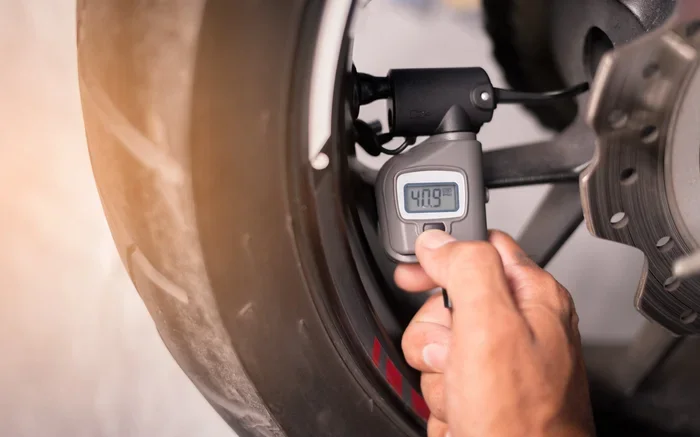
A tire pressure gauge is an inexpensive and essential tool for any driver. You can buy one at any auto parts store for just a few dollars. This tool lets you check the actual air pressure in each tire and compare it to the manufacturer’s recommendation.
Here is how to use a tire pressure gauge:
- Find the recommended tire pressure for your vehicle. Check the sticker on the driver’s door jamb or your owner’s manual.
- Remove the valve cap from the tire.
- Press the gauge firmly onto the valve stem.
- Read the number on the gauge.
- Compare it to the recommended pressure.
- Repeat for all four tires, including the spare.
If any tire is low, use an air compressor to fill it to the correct level. Most gas stations have free or low-cost air pumps. Checking your air pressure in tires once a month is a great habit that keeps your TPMS working properly and your drives safer.
Method 3: Use the TPMS Reset Button
Many vehicles have a TPMS reset button located under the steering column, on the center console, or near the gear shift. After you have corrected the tire pressure, you can use this button to reset the system and turn off the warning light.
Here is the general process:
- Make sure all tires are at the correct pressure.
- Turn the ignition to the “on” position without starting the engine.
- Press and hold the TPMS reset button until the warning light blinks three times.
- Start the engine and let the car run for a few minutes.
- The light should stay off if the pressure is correct.
Check your owner’s manual for the exact location of the reset button and the specific steps for your vehicle. Some newer cars allow you to reset the TPMS through the infotainment screen instead.
Method 4: Use an OBD-II Scanner
For a more detailed check, you can use an OBD-II scanner. This device plugs into the diagnostic port under your dashboard and reads error codes from your car’s computer. Many auto parts stores will let you borrow or use one for free.
An OBD-II scanner can tell you:
- Which specific sensor is malfunctioning.
- Whether the TPMS battery needs replacement.
- Error codes related to TPMS malfunction.
This method is especially helpful when the dashboard light is on but your tire pressures look fine. It can reveal hidden sensor issues that you would not catch with a visual check alone.
Types of TPMS Systems You Should Know
Understanding the type of TPMS in your vehicle helps you troubleshoot more effectively. Here is a closer look at both systems and how they differ.
Direct TPMS
A direct TPMS uses physical sensors mounted inside each tire, usually attached to the valve stem. These sensors measure the actual air pressure and transmit data wirelessly to your car’s computer. Direct systems are more accurate and provide individual tire readings.
Benefits of direct TPMS include:
- Precise pressure readings for each tire.
- Real-time monitoring while you drive.
- Ability to detect slow leaks early.
The downside is that the sensors have batteries that eventually die, usually after 5 to 10 years. When the battery dies, the sensor needs to be replaced. This can cost between 50 and 100 dollars per sensor, depending on your vehicle.
Indirect TPMS
An indirect TPMS does not have physical pressure sensors inside the tires. Instead, it uses the anti-lock braking system (ABS) sensors to monitor how fast each wheel is spinning. An underinflated tire has a smaller rolling radius, which causes it to spin faster than a properly inflated tire.
Benefits of indirect TPMS include:
- No batteries to replace.
- Lower maintenance costs.
- Integrated with existing ABS components.
The downside is that indirect systems are less precise. They also need to be recalibrated after you rotate your tires or change tire pressure. Some indirect systems cannot detect if all four tires are equally low, which can be a safety concern.
Comparison Table
| Feature | Direct TPMS | Indirect TPMS |
|---|---|---|
| Uses physical sensors | Yes | No |
| Accuracy | High | Moderate |
| Battery required | Yes | No |
| Cost of replacement | Higher | Lower |
| Detects all tires low | Yes | Sometimes not |
| Maintenance level | Moderate | Low |
Common TPMS Problems and How to Fix Them
Even with regular care, TPMS systems can develop issues. Knowing the most common problems helps you address them quickly and avoid unsafe driving conditions.
TPMS Light Stays On After Filling Tires
This is one of the most common complaints. If you have filled your tires to the correct pressure but the TPMS light stays on, the system may need a manual reset. Use the TPMS reset button or the infotainment menu to reset the system. If the light persists, one of the sensors may be faulty or the battery may be dead.
TPMS Light Flashes Then Stays On
A flashing TPMS warning light usually indicates a malfunction in the system itself. This could mean a sensor is not communicating properly, or there is a problem with the receiver module. In this case, it is best to visit a qualified mechanic or auto parts store for a diagnostic check.
TPMS Sensor Battery Failure
Every TPMS sensor has a small battery that powers the wireless transmitter. These batteries typically last between 5 and 10 years. When the battery dies, the sensor cannot send pressure data to your car’s computer. You may see the TPMS light come on, or you may get a specific error code. The sensor needs to be replaced when the battery dies, and in most cases, the entire sensor unit must be swapped out.
TPMS Malfunction After Tire Rotation
If you recently rotated your tires or changed tires, the TPMS light may come on. This happens because the sensors move to different wheels, and the system needs to be recalibrated. Simply resetting the system usually fixes this. Some vehicles require a relearn procedure where you drive at a steady speed for a few minutes to retrain the system.
Cold Weather and TPMS False Alerts
Cold temperatures cause air inside tires to contract, which can temporarily lower pressure and trigger the TPMS light. This is especially common in winter. If the light comes on in cold weather, check your tire pressure and add air if needed. The light should turn off once the pressure is corrected. This is a normal response and not necessarily a sign of a problem.
Quick Tips to Keep Your TPMS Working Well
Keeping your TPMS in good shape does not require a lot of effort. A few simple habits can make a big difference in how well the system performs and how long the sensors last.
Quick Tips:
- Check your tire pressure at least once a month, even if the TPMS light is off.
- Always check pressure when the tires are cold, meaning the car has been parked for at least three hours.
- Keep a tire pressure gauge in your glove box so you always have it handy.
- Replace valve stem caps after checking pressure to keep moisture and debris out.
- Have your TPMS sensors inspected during regular tire rotations.
- Store your spare tire at the correct pressure so it is ready when you need it.
- Read your vehicle’s owner manual to understand your specific TPMS features and reset procedures.
Expert Insight
According to automotive experts, many drivers only check their tire pressure when the TPMS light comes on. By that point, the tire may already be underinflated enough to cause damage. Proactive checking is always better than reactive fixing. A simple monthly routine can prevent costly tire replacements and keep you safe on every drive.
When to Replace Your TPMS Sensors
Like all car components, TPMS sensors have a limited lifespan. Knowing when to replace them saves you from unexpected breakdowns and keeps your tire pressure monitoring system working reliably.
You should consider replacing your TPMS sensors if:
- The TPMS light stays on even after correcting tire pressure.
- Your mechanic confirms a sensor battery has died.
- A diagnostic scan shows a specific sensor error code.
- The sensor housing is visibly damaged or corroded.
- Your vehicle is over 10 years old and the original sensors have never been replaced.
Replacing a TPMS sensor is a straightforward job for most mechanics. The cost typically ranges from 50 to 100 dollars per sensor, including labor. Some shops offer battery replacement services for a lower cost, but in most cases, the entire sensor unit needs to be replaced because the sensors are sealed units.
After replacing a sensor, the system needs to be reprogrammed or relearned so the car recognizes the new sensor. Many modern vehicles have a relearn procedure built into the infotainment system. Your mechanic can walk you through this process or handle it for you.
Common Mistakes to Avoid
- Ignoring the TPMS light: Driving with the light on can lead to unsafe tire conditions and expensive repairs.
- Only checking pressure when the light comes on: By then, your tires may already be compromised.
- Forgetting the spare tire: Your spare tire also needs proper pressure, and some vehicles have a TPMS sensor for the spare.
- Using the wrong pressure readings: Always follow the manufacturer’s recommendation, not the number printed on the tire sidewall.
- Skipping sensor replacement: A dead sensor battery means the system cannot monitor that tire anymore.
How TPMS Checking Improves Your Driving Experience
Checking your TPMS regularly does more than just keep the warning light off. It contributes to a safer, more efficient, and more enjoyable driving experience. Properly inflated tires give you better handling, shorter braking distances, and more confident cornering. They also help your car use less fuel, which saves you money over time.
When you take the time to check your TPMS and maintain proper tire pressure, you are investing in the longevity of your tires and the safety of everyone in your vehicle. It is one of those small habits that pays off big. A few minutes of attention each month can prevent flats, improve your fuel efficiency, and help your tires wear evenly so you get the most miles out of them.
Think of your TPMS as a guardian for your tires. It watches over your tire pressure every time you drive. But just like any guardian, it needs you to check in on it regularly. A quick monthly inspection, a reset after adjusting pressure, and timely sensor replacements keep the system doing its job. The result is a safer, smoother, and more efficient ride every time you hit the road.
Conclusion
Knowing how to check your TPMS is an essential skill for every driver. From the simple dashboard TPMS light to manual pressure checks with a tire pressure gauge, there are multiple ways to verify your system is working correctly. Regular tire maintenance and attention to warning signs keep you safe and save you money in the long run.
Remember to check your tire pressure monthly, reset your system after adjustments, and replace sensors when needed. Your TPMS is designed to protect you, but it can only do its job if you give it the care it deserves. Take a few minutes today to check your TPMS and enjoy a safer driving experience tomorrow.
Frequently Asked Questions
How can I check my TPMS at home without a mechanic?
You can check your TPMS at home by using a tire pressure gauge to measure the air pressure in each tire. Compare the readings to the recommended pressure listed on your driver’s door jamb. You can also check the dashboard for the TPMS warning light and use the reset button after correcting pressure. These simple steps help you verify the system is working properly without any professional help.
What does it mean when the TPMS light flashes and then stays on?
A flashing TPMS light that then stays on usually indicates a malfunction in the system. This could mean a sensor is not transmitting properly or there is an issue with the receiver module. In most cases, you should have the system diagnosed with an OBD-II scanner or visit a mechanic. Driving with a malfunctioning TPMS means you are not getting accurate tire pressure alerts.
How often should I check my TPMS sensors?
You should check your TPMS sensors at least once a month as part of your regular tire maintenance routine. It is also a good idea to have the sensors inspected during tire rotations or oil changes. If your vehicle is over five years old, have a professional check the sensor batteries to make sure they are still functioning properly.
Can I drive with the TPMS light on?
It is not recommended to drive with the TPMS light on for extended periods. The light means your tire pressure is too low or the system has a problem. Low pressure can cause poor handling, reduced fuel efficiency, and an increased risk of a blowout. If the light comes on, pull over safely, check your tire pressure, and add air if needed. If the light stays on after correcting pressure, have the system inspected.
How much does it cost to replace a TPMS sensor?
Replacing a TPMS sensor typically costs between 50 and 100 dollars per sensor, including parts and labor. The exact price depends on your vehicle make and model, as well as the type of sensor used. Some vehicles use more expensive sensors than others. It is also worth noting that some shops offer battery replacement for a lower cost, but most sensors need to be replaced as a complete unit.
Do I need to reset my TPMS after checking tire pressure?
Yes, you should reset your TPMS after correcting tire pressure. Most vehicles have a TPMS reset button located under the steering column or on the center console. Press and hold the button with the ignition on until the warning light blinks three times. Some newer vehicles allow you to reset the system through the infotainment screen. Always refer to your owner’s manual for the exact procedure for your specific model.