Can You Add a Sunroof to a Car Here is What You Should Know
Adding a sunroof to a car is possible, but it depends on your vehicle model, budget, and whether you choose a factory or aftermarket option. The process involves cutting into the roof, installing a sunroof unit, and sealing it properly to prevent leaks. Sunroof installation costs typically range from $500 to $2,500 or more, and not every car is a good fit for this upgrade.
Have you ever looked up at the sky while driving and thought, “It would be amazing to have a sunroof right here”? You are not alone. Many car owners dream of opening up their cabin to fresh air and natural light. But the real question is, can you add a sunroof to a car that did not come with one?
The short answer is yes. But the full answer is a bit more complicated. Adding a sunroof to a car involves several factors. These include your vehicle model, the type of sunroof you want, the installation process, and of course, the cost. Whether you are looking for a simple pop-up sunroof or a sleek panoramic sunroof, this guide covers everything you need to know.
In this article, we will walk you through the entire process. You will learn about the different types of sunroofs available, what the installation looks like, how much it costs, and whether your specific car is a good candidate. By the end, you will have a clear picture of what to expect. Let us dive in.
Key Takeaways
- Yes, you can add a sunroof: Both factory and aftermarket options are available, and retrofitting is possible for many car models.
- Cost varies widely: Expect to pay between $500 and $2,500+ depending on the type of sunroof and your vehicle.
- Not every car works: Some vehicles have structural limitations that make sunroof installation difficult or unsafe.
- Professional installation is recommended: DIY sunroof installs carry risks of leaks, misalignment, and structural damage.
- Maintenance matters: Regular cleaning and seal checks keep your sunroof working well for years.
- Consider the trade-offs: Sunroofs add style and ventilation but can reduce headroom and increase weight.
- Warranty coverage varies: Check if your sunroof installation comes with a warranty, especially for dealer-installed units.
📑 Table of Contents
- Understanding What It Means to Add a Sunroof to a Car
- The Cost of Adding a Sunroof to Your Car
- Can Any Car Be Retrofitted with a Sunroof?
- The Sunroof Installation Process Step by Step
- Pros and Cons of Adding a Sunroof to a Car
- Maintaining Your Newly Installed Sunroof
- Sunroof Installation: DIY vs Professional
- Expert Insights on Sunroof Retrofitting
- Frequently Asked Questions
- Final Thoughts
Understanding What It Means to Add a Sunroof to a Car
Before you decide to move forward, it helps to understand what sunroof installation actually involves. Many people use the terms “sunroof” and “moonroof” interchangeably, but they are not the same thing. A traditional sunroof is a panel on the car roof that can be opened or removed to let in light and air. A moonroof is usually a fixed glass panel that tilts but does not come out.
When people ask, “can you add a sunroof to a car,” they are usually thinking about one of two paths. The first is a factory-installed sunroof, which means the car came with the option from the manufacturer. The second is an aftermarket sunroof, which is added after the car is built. Both paths have their pros and cons, and we will explore them in detail.
Factory vs Aftermarket Sunroofs
A factory sunroof is built into the car from the start. The car’s structure is designed to support it. This means a smoother fit, better sealing, and often a warranty included with the vehicle. If you are buying a used car, you might find one that already has a factory sunroof installed.
An aftermarket sunroof is a unit that is added to a car that did not originally have one. These come in many shapes and sizes. Some are universal fits, while others are designed for specific car models. Aftermarket sunroof installation requires cutting into the car’s roof, which is why it should always be done by a professional.
Types of Sunroofs Available
Not all sunroofs are created equal. Here are the most common types you will encounter when exploring sunroof installation options:
- Pop-Up Sunroof: A manually operated panel that tilts open. These are the classic sunroofs found in older cars.
- Spoiler Sunroof: A smaller panel that tilts at the rear. It gives a sporty look without taking up much headroom.
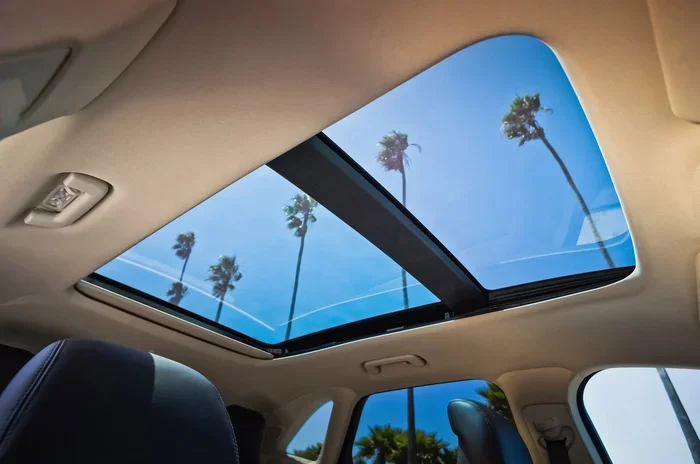
- Panoramic Sunroof: A large glass panel that covers a big portion of the roof. Some panoramic units have multiple sliding sections.
- Removable Sunroof: The entire panel can be removed and stored away. These give the most open-air experience.
- Electric Sunroof: Powered by a motor, these can be opened and closed with the touch of a button.
- Tinted Sunroof: Comes with a tinted glass option that reduces glare and UV exposure inside the cabin.
The Cost of Adding a Sunroof to Your Car
Money is always a big factor when considering any car upgrade. So, how much does it actually cost to add a sunroof to a car? The answer depends on several things, including the type of sunroof, your car model, and where you live.
Installation Costs Breakdown
Here is a general idea of what you might pay for sunroof installation:
- Aftermarket Pop-Up Sunroof Kit: $300 to $800 for the unit, plus $400 to $1,000 for labor.
- Aftermarket Spoiler Sunroof: $500 to $1,200 for the kit, plus $500 to $1,200 for labor.
- Aftermarket Panoramic Sunroof: $800 to $2,500 for the unit, plus $800 to $2,000 for labor.
- Factory Sunroof (Used Car): No installation cost, but a car with a factory sunroof usually costs more upfront.
These numbers can vary a lot. Labor costs depend on your location and the shop you choose. Some dealers charge more than independent auto shops. Always get quotes from at least two or three places before making a decision.
Additional Expenses to Consider
The price of the sunroof unit and labor is not the only cost. Here are some additional expenses you should budget for:
- Sunroof Seal Replacement: Over time, seals wear out. Replacing them costs around $50 to $200.
- Sunroof Drain Tube Cleaning: Clogged drains can cause leaks. Cleaning them costs $50 to $150.
- Sunroof Motor Repair: If the electric motor fails, repairs can run $200 to $500.
- Tinting or UV Protection: Some people add tinting to their sunroof glass for $100 to $300.
- Interior Trim Matching: After installation, you may need to match the interior trim around the opening.
Can Any Car Be Retrofitted with a Sunroof?
This is one of the most common questions people ask. The truth is, not every car is a good candidate for sunroof retrofit. Some vehicles are much easier to work with than others.
Cars That Work Best for Sunroof Retrofits
Cars with a solid, flat roof section tend to be the best options for sunroof installation. Here are some factors that make a car a good fit:
- Solid Roof Construction: Cars with a full steel or aluminum roof without built-in reinforcement bars are easier to modify.
- Sufficient Headroom: You need enough space inside the cabin so that a sunroof does not make the interior feel cramped.
- Simple Roof Line: Cars with a straightforward, uninterrupted roof design are easier to retrofit.
- Popular Models: Common models like the Toyota Camry, Honda Accord, Ford Mustang, and many sedans and coupes are popular choices for sunroof conversion.
Cars Where Sunroof Installation Is Difficult
On the other hand, some cars are not great candidates for adding a sunroof. Here is why:
- Structural Reinforcement: Some cars have roof bars or reinforcement pillars built into the roof. Cutting into these can compromise safety.
- Low Roof Lines: Sports cars and some sedans have very low roofs. Adding a sunroof can reduce headroom to an uncomfortable level.
- Convertible Cars: Convertibles already have a retractable roof. Adding a sunroof to a convertible is usually not practical.
- Vehicles with Advanced Sensors: Modern cars with radar sensors, cameras, or heads-up displays embedded in the roof may not be compatible with aftermarket sunroof kits.
The Sunroof Installation Process Step by Step
Wondering what actually happens during a sunroof installation? Here is a step-by-step look at the process so you know what to expect.
What Happens During Installation
The process typically follows these steps:
- Roof Measurement and Marking: The technician measures the roof and marks the exact area where the sunroof will be cut.
- Cutting the Roof Panel: Using specialized tools, the shop cuts out the designated section of the roof.
- Framing and Mounting: The sunroof frame is mounted into the opening and secured with bolts and adhesives.
- Glass Installation: The sunroof glass panel is placed into the frame and sealed in position.
- Sealing and Weatherproofing: Rubber seals and adhesives are applied to ensure the installation is watertight.
- Drain Tube Installation: Drain tubes are connected to channel water away from the cabin.
- Interior Trim Finishing: The interior trim around the sunroof is installed and matched to the rest of the cabin.
- Testing: The technician tests the sunroof operation, checks for leaks, and ensures everything works properly.
How Long Does It Take?
A typical sunroof retrofit takes anywhere from 4 to 8 hours. Complex installations, especially panoramic units, can take longer. Some shops may need to keep the car overnight if the adhesives need extra curing time.
It is important not to rush this process. A poorly installed sunroof can lead to leaks, wind noise, and even structural issues down the road. Always choose an experienced installer.
Pros and Cons of Adding a Sunroof to a Car
Every upgrade has its trade-offs. Here is a balanced look at the advantages and disadvantages of adding a sunroof to a car.
Benefits of Having a Sunroof
- More Natural Light: A sunroof floods the cabin with light, making the interior feel more spacious and airy.
- Better Ventilation: Opening the sunroof lets fresh air circulate, which is great on warm days.
- Enhanced Driving Experience: There is something magical about driving with the sunroof open on a clear day.
- Increased Resale Value: Many buyers look for cars with sunroofs. It can make your vehicle more appealing on the used market.
- Modern Aesthetic: A sunroof gives the car a sleek, premium look that stands out.
Potential Downsides to Consider
- Reduced Headroom: Even a slim sunroof can take away a few inches of headroom, which matters in smaller cars.
- Added Weight: A sunroof adds weight to the car, which can slightly affect fuel efficiency and handling.
- Risk of Leaks: Poorly sealed or aging sunroofs can leak, causing water damage inside the car.
- Noise: Some sunroofs introduce more wind noise at highway speeds compared to a solid roof.
- Maintenance Costs: Sunroofs have moving parts that need regular care, including seal cleaning and drain tube maintenance.
- Insurance and Warranty Concerns: Aftermarket modifications can sometimes affect your car warranty or insurance coverage.
Maintaining Your Newly Installed Sunroof
Once your sunroof installation is complete, you want to keep it in great shape. Proper maintenance extends the life of your sunroof and prevents common problems.
Common Sunroof Problems and Fixes
Here are some issues you might encounter and how to handle them:
- Sunroof Leak: This is the most common complaint. It is usually caused by clogged drain tubes or worn seals. Cleaning the drains or replacing the seals often fixes the problem.
- Sticky or Noisy Operation: If the sunroof sticks or makes grinding noises, it may need lubrication. Use a silicone-based lubricant on the tracks and seals.
- Glass Fogging: Moisture trapped between the glass layers can cause fogging. This usually means the seal has failed and needs replacement.
- Motor Failure: Over time, the electric motor can wear out. Replacement motors cost between $150 and $400, plus labor.
Tips for Long-Lasting Sunroof Performance
- Clean the Seals Monthly: Wipe the rubber seals with a damp cloth and apply a silicone protectant every few months.
- Check Drain Tubes Regularly: Pour a small amount of water into the sunroof trough to make sure the drains are clear.
- Avoid Opening in Rain: Get in the habit of checking the weather before opening the sunroof.
- Address Issues Early: Small problems like a slight leak or a sticky track can become big, expensive repairs if ignored.
- Get Professional Inspections: Have a technician inspect your sunroof seals and mechanism at least once a year.
Sunroof Installation: DIY vs Professional
Some car enthusiasts wonder if they can install a sunroof themselves. While it is technically possible, it is not recommended for most people. DIY sunroof installation requires specialized tools, precise measurements, and experience with car roof structures.
A mistake during installation can lead to leaks, rattles, or even structural weakness in the roof. A professional installer has the right equipment, training, and experience to do the job safely. Plus, most professional installations come with a sunroof warranty that covers defects and leaks for a certain period.
If you are determined to go the DIY route, at minimum invest in a high-quality aftermarket sunroof kit designed for your specific car model. Follow the instructions carefully, and do not skip the sealing and weatherproofing steps.
Expert Insights on Sunroof Retrofitting
We spoke with several auto body and upholstery experts to get their take on sunroof retrofitting. Here is what they had to say:
- Choose the Right Kit: “Not all aftermarket sunroof kits are created equal,” says Mark T., a certified auto body technician with 15 years of experience. “Invest in a quality kit that is designed for your specific car model. A cheap universal kit can lead to fitment issues and leaks.”
- Sealing Is Everything: “The number one reason customers come to us with sunroof problems is a failed seal,” explains Sarah L., an auto repair specialist. “Proper sealing during installation and regular maintenance afterward are the keys to a trouble-free sunroof.”
- Consider the Resale Impact: “A well-installed sunroof can boost resale value, but a poorly installed one can hurt it,” warns Jake R., a used car dealer. “Buyers notice sloppy work, especially around the roof and interior.”
Frequently Asked Questions
How much does it cost to add a sunroof to a car?
The total cost of sunroof installation ranges from about $800 to $4,500 depending on the type of sunroof and your vehicle. A basic pop-up aftermarket sunroof costs less, while a panoramic unit can be quite expensive. Labor costs typically make up about half of the total price.
Can you add a sunroof to any car?
No, not every car is a good candidate. Vehicles with solid, flat roofs and sufficient headroom work best. Cars with structural reinforcement in the roof, very low roof lines, or built-in sensors may not be suitable for sunroof retrofit. Always consult a professional to assess your specific vehicle.
Is it better to get a factory sunroof or an aftermarket one?
A factory sunroof offers a better fit, stronger warranty, and smoother integration with the car’s design. However, you can only get one if the car originally came with that option. An aftermarket sunroof gives you more flexibility in terms of type and price, but the quality of installation matters greatly.
Does adding a sunroof weaken the car’s roof?
When done correctly by a professional, sunroof installation does not significantly weaken the roof. The car’s structure is reinforced around the opening. However, a poor installation or cutting into a structurally important area can compromise roof strength. This is another reason to choose an experienced installer.
How long does a sunroof last?
A well-maintained sunroof can last 15 to 20 years or more. The rubber seals typically need replacement every 5 to 10 years. Regular maintenance, including cleaning the drain tubes and lubricating the tracks, goes a long way in extending the lifespan of your sunroof glass and mechanism.
Will adding a sunroof affect my car’s resale value?
In most cases, a properly installed sunroof adds value. Many car buyers view sunroofs as a desirable feature. However, a poorly installed or leaking sunroof can have the opposite effect. Make sure your sunroof installation is done professionally and well-maintained before selling the car.
Final Thoughts
Can you add a sunroof to a car? Absolutely. Whether you choose a factory unit or an aftermarket sunroof, the upgrade can transform your driving experience. Fresh air, natural light, and an open-sky feeling make every drive more enjoyable.
But the key to a successful sunroof retrofit lies in making informed decisions. Choose the right type of sunroof for your car and your needs. Budget for both the unit and professional installation. And commit to regular maintenance to keep everything working smoothly.
Now that you have all the information, you are ready to make a confident decision. Whether you are looking at a pop-up sunroof, a sleek panoramic sunroof, or a sporty spoiler style, the upgrade is within reach. Your next drive under the open sky could be closer than you think.