Why Wont My Car Start Because of the Key Fob Problems
A dead or faulty key fob is one of the most common reasons a car won’t start. Whether the battery is low, the signal is weak, or the fob itself is damaged, these issues can leave you stranded. This guide covers every major key fob problem, simple fixes you can do at home, and expert tips to prevent future trouble.
Key Takeaways
- A dead key fob battery is the #1 cause of a car that won’t start with a push-button ignition.
- Most key fob problems are easy to fix at home with a battery swap or a quick reset.
- Cold weather kills key fob batteries faster, so keep a spare battery in your glove box.
- Signal interference from other devices can trick your car into not recognizing the fob.
- Water damage and worn-out buttons are sneaky culprits that many drivers overlook.
- Knowing emergency start steps can save you from a long wait on the roadside.
- Regular maintenance keeps your key fob working reliably for years.
📑 Table of Contents
How a Key Fob Works and Why It Matters
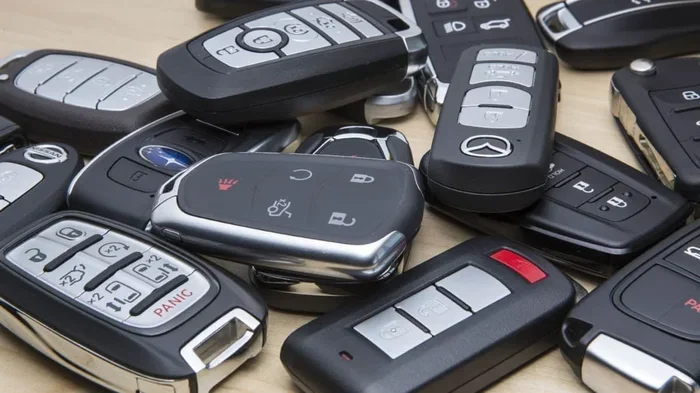
Your car key fob is a small remote control. It talks to your car using radio signals. When you press the start button, the fob sends a coded message. The car checks that code. If the code matches, the engine fires up.
This system is called a smart key system. It replaced old metal keys in most modern cars. The key fob contains a tiny chip and a battery. Together, they create a secure link between you and your vehicle.
So what happens when that link breaks? Your car won’t start. And figuring out why can be frustrating. That’s exactly what this article covers.
Let’s break down the most common reasons a key fob stops your car from starting. We’ll also look at easy fixes and long-term solutions.
Top Reasons Your Car Won’t Start Because of the Key Fob
Several issues can cause a key fob to fail. Some are simple. Others need a bit more attention. Here are the top reasons your car won’t start because of the key fob.
Dead Key Fob Battery
The most common reason is a dead battery. Most key fobs use a small coin-cell battery. These batteries last about two to four years. When they die, the fob can’t send a signal. Your car simply doesn’t hear it.
Signs of a dying battery include:
- Reduced signal range. You have to be right next to the car.
- Buttons respond slowly. Or they stop working altogether.
- The car dashboard shows a warning. Many newer models display a “key not detected” message.
Signal Interference
Believe it or not, other electronics can block your key fob signal. Things like cell phones, USB chargers, and even metal objects can cause signal interference. If you keep your fob in a crowded pocket or bag, it might not reach the car.
This is especially common in parking garages or tall buildings. The concrete and steel around you can block the radio frequency your fob uses.
Worn-Out Buttons or Internal Damage
Over time, the buttons on your key fob wear down. You might press the button and get no click. Or the fob might work sometimes and not others. This points to internal contact problems.
Water damage is another big issue. If your fob gets wet, the circuitry inside can short out. Even a small splash from a rainy day can cause problems later.
Immobilizer System Mismatch
Modern cars have an immobilizer system. This is a security feature. It makes sure only the right transponder key or key fob can start the engine. If the car’s computer doesn’t recognize the fob, it won’t start.
This can happen after a battery replacement if the new battery is weak. It can also happen if the fob needs to be reprogrammed. Sometimes a simple reset fixes this.
Faulty Key Fob Circuit Board
Inside every key fob is a small circuit board. Over time, solder joints can crack. Components can fail. When this happens, the fob may look fine on the outside but not work at all.
This is more common in older fobs. But it can also happen if the fob has been dropped or crushed.
Low Voltage in the Car Battery
Here’s one many people miss. If your car battery is low, it might not power the key fob reader properly. The fob might work fine for unlocking the doors. But the car still won’t start because the system can’t get enough power to engage the starter.
Always check your car battery if you’re having starting problems. It could be the real issue hiding behind a key fob error.
Diagnosing Key Fob Problems Step by Step
Before you rush to a mechanic, try diagnosing the problem yourself. Most key fob issues are easy to identify. Here’s how to do it step by step.
Step 1: Check the Dashboard Warning
Start by looking at your dashboard. Many cars show a key fob warning light. It might say “Key Not Detected” or show a fob icon with an X. This tells you the car isn’t reading the fob at all.
Step 2: Test the Buttons
Stand close to your car. Press the lock and unlock buttons. Do they work? If not, the battery is likely dead. If some buttons work and others don’t, the fob may have internal damage.
Step 3: Check the Signal Range
Walk away from your car about 10 feet. Try pressing the start button with the fob. Does it still work? A healthy key fob should work from several feet away. If you have to be right next to the car, the battery is probably weak.
Step 4: Try the Backup Key
Most cars come with a backup mechanical key. Use it to open the door. Then try starting the car. If the backup key works, the problem is definitely with the key fob, not the car’s ignition system.
Step 5: Inspect for Physical Damage
Look closely at your key fob. Are there cracks? Is there any sign of water damage? Press each button and feel for a soft or mushy click. These are signs the fob needs to be replaced or repaired.
Quick Tips
- Keep a spare key fob in a safe place at home.
- Write down your fob’s model number. It makes battery shopping easier.
- Test your fob regularly. A quick press of buttons once a week keeps you aware of problems early.
Quick Fixes and Emergency Solutions
So your car won’t start and you know it’s the key fob. What do you do right now? Here are some quick fixes that can get you back on the road.
Use the Emergency Start Procedure
Most cars with push button start have an emergency backup. Look for a small slot near the start button. Place your key fob directly in that slot. This lets the car read the fob’s signal even with a weak battery.
If your car doesn’t have a slot, try placing the fob right against the start button. The proximity can sometimes be enough to get a reading.
Replace the Battery on the Spot
Carrying a spare CR2025 or CR2032 battery in your wallet can save you. Swap out the old battery in seconds. Most key fobs open with a small screw or a sliding cover. Just pop it open, swap the battery, and you’re good to go.
Reset the Key Fob
Sometimes a simple reset works. Turn the ignition on and off several times. This can re-establish the connection between the fob and the car. Check your owner’s manual for the exact steps. Every car brand is a little different.
Remove Signal Blockers
Take the fob out of your pocket or bag. Move away from other electronics. Try starting the car again. If it works, you’ve confirmed the issue was signal interference.
Common Mistakes
- Assuming the car battery is dead. Often, it’s the fob battery that’s the real problem.
- Using the wrong battery type. Always check your fob’s manual before buying a replacement.
- Ignoring water damage. Even a small amount of moisture can ruin the circuit board over time.
- Pressing the fob buttons too hard. This can wear out the contacts faster.
Replacing Your Key Fob Battery the Right Way
Swapping out a key fob battery is one of the easiest car maintenance tasks. You don’t need any special tools. You don’t need to visit a mechanic. Here’s how to do it properly.
What Battery Does Your Key Fob Need?
Most key fobs use a CR2025 or CR2032 battery. These are cheap and easy to find. You can grab one at any drugstore, grocery store, or auto parts shop. Check your owner’s manual or look at the old battery to confirm the right type.
| Battery Type | Common Brands | Typical Lifespan | Cost |
|---|---|---|---|
| CR2025 | Duracell, Energizer, Panasonic | 2 to 3 years | $3 to $5 |
| CR2032 | Duracell, Energizer, Panasonic | 2 to 4 years | $3 to $6 |
| CR1632 | Duracell, Energizer | 1 to 3 years | $3 to $4 |
Step-by-Step Battery Replacement
- Flip open your key fob. Look for a small seam or notch.
- Use a flathead screwdriver or coin to gently pry it open.
- Remove the old battery. Note which side faces up.
- Insert the new battery. Make sure the positive side faces up.
- Snap the fob back together. Press until it clicks.
- Test the fob by standing near your car and pressing the start button.
Expert Insights
Auto technicians recommend using Duracell or Energizer batteries for the best performance. Cheap off-brand batteries may die faster and leak, which can damage the fob’s internal components. Spend the extra dollar on a trusted brand.
When Should You Replace the Entire Key Fob?
A battery swap fixes most problems. But what if it doesn’t? If your key fob still doesn’t work after a new battery, the fob itself may be faulty. Cracked casings, unresponsive buttons, and water damage all point to needing a full replacement.
A new key fob can cost anywhere from $50 to $400 depending on your car’s make and model. Luxury vehicles with advanced smart key systems tend to cost more. You can buy replacement fobs online or from a dealership.
Many dealerships will program a new key fob for you. Some independent locksmiths offer this service at a lower cost. Always ask for a quote before committing.
When to Call a Professional and How to Prevent Issues
Most key fob problems are simple to fix. But some situations call for professional help. Knowing when to call a mechanic or locksmith can save you time and money.
Signs You Need Professional Help
- The car still won’t start after replacing the fob battery.
- The dashboard shows a persistent warning about the key fob.
- The fob gets wet or is physically damaged and buttons don’t respond.
- You need a new fob programmed to your car’s immobilizer system.
- The car battery is also dead and you need a jump start along with fob troubleshooting.
Preventing Key Fob Problems
The best way to deal with key fob issues is to prevent them. Here are some simple habits that keep your fob working reliably.
- Replace the battery every two years. Don’t wait for it to die completely.
- Keep the fob away from water. Avoid placing it in wet pockets or near sinks.
- Store the fob in a dedicated spot. A small bowl or hook near your door works great.
- Avoid dropping the fob. Impacts can crack the casing and damage internal components.
- Keep spare batteries on hand. A small pack in your glove box is all you need.
- Don’t store the fob near strong magnets. They can interfere with the internal chip.
Common Mistakes to Avoid
- Using a battery with a low expiration date. Always check the date on the package.
- Forcing the fob open. If it doesn’t pop open easily, look for a hidden release button.
- Ignoring warning signs. If the fob range gets shorter, replace the battery right away.
Conclusion
A key fob problem is one of the most common reasons a car won’t start. The good news is that most of these issues are simple to fix. A dead battery, signal interference, or a worn-out fob can all be resolved with basic knowledge and a few simple tools.
Start by checking the battery. Try the emergency start procedure. Reset the fob. If none of that works, it may be time for a replacement or a visit to a professional.
The key is to stay calm and work through the problem step by step. With the tips in this guide, you’ll be able to handle most key fob issues on your own. And you’ll know exactly when to call for help.
Keep a spare battery in your glove box. Test your fob regularly. And don’t ignore early warning signs. These small habits will keep your key fob working and your car starting every time you turn the key or press the button.
Frequently Asked Questions
Can a dead key fob battery prevent my car from starting?
Yes, absolutely. A dead key fob battery is the most common reason a car with push-button start won’t turn on. The car can’t read the fob’s signal, so it won’t allow the engine to start. Replacing the battery usually fixes this right away.
How do I start my car if the key fob is completely dead?
Most cars have an emergency start slot near the push-button ignition. Place the dead key fob directly in that slot and press the start button. Some models let you place the fob right against the button. Check your owner’s manual for the exact method for your car.
How often should I replace my key fob battery?
Most key fob batteries last between two and four years. A good rule of thumb is to replace the battery every two years as a precaution. If you notice the signal getting weaker, swap the battery immediately.
Can water damage ruin a key fob?
Yes, even small amounts of moisture can damage the internal circuitry. If your key fob gets wet, dry it off right away. Remove the battery and let it air dry completely before putting it back in. If it still doesn’t work, you may need a replacement.
Is it expensive to replace a key fob?
The cost varies widely. A basic replacement key fob can cost $50 to $100. Luxury or high-tech fobs with smart features can run $200 to $400 or more. Programming fees at a dealership can add extra cost. Independent locksmiths often offer lower prices.
Can signal interference from my phone stop the key fob from working?
Yes, it can. Other electronics, especially cell phones and USB cables, can cause signal interference with your key fob. If your car doesn’t detect the fob, move away from other devices and try again. Keeping the fob in a separate pocket from your phone can help prevent this issue.