What Is Safe to Clean a MAF Sensor With These Products
Cleaning a MAF sensor is simple when you use the right products. A dirty mass airflow sensor can cause rough idling, poor fuel economy, and engine hesitation. Specialized MAF sensor cleaners like CRC and aerosol sprays are the safest and most effective options for restoring proper airflow readings.
Have you ever noticed your car hesitating, idling rough, or guzzling fuel more than usual? These frustrating symptoms often point to one sneaky culprit: a dirty mass airflow sensor. Also known as a MAF sensor, this small but mighty component plays a huge role in how your engine runs. It measures the amount of air entering the engine and tells the fuel injection system how much fuel to deliver.
The problem is that over time, dirt, oil, and debris build up on the sensor. This buildup messes with its readings and throws off the entire air-fuel mixture. Many car owners wonder, what is safe to clean a MAF sensor with? The answer matters a lot because using the wrong product can cause permanent damage. In this guide, we will walk you through the safe and effective products you can use to clean your MAF sensor the right way.
Whether you are a DIY enthusiast or just trying to save money on repairs, understanding how to properly clean a MAF sensor can save you hundreds of dollars. Let us dive into the safe products, the ones to avoid, and a simple step-by-step process to get your sensor working like new again.
Key Takeaways
- Use dedicated MAF sensor cleaner: Products like CRC MAF cleaner are specifically formulated to clean delicate sensor wires without damage.
- Never use household cleaners: Regular cleaners, WD-40, and carburetor cleaners can destroy the sensitive elements of a mass airflow sensor.
- Clean gently with a soft cloth: Harsh scrubbing or touching the sensor wires can cause permanent damage and lead to MAF sensor failure.
- Clean every 30,000-50,000 miles: Regular MAF sensor maintenance helps preserve engine performance and fuel economy.
- Let it dry completely before reinstalling: Residual moisture can cause further issues and trigger the check engine light.
- Replacement may be needed: If cleaning doesn’t resolve symptoms, a MAF sensor replacement might be necessary to restore proper airflow readings.
📑 Table of Contents
- Understanding Your MAF Sensor and Why It Gets Dirty
- Safe Products to Clean a MAF Sensor
- Products to Avoid When Cleaning a MAF Sensor
- Step-by-Step Guide to Cleaning Your MAF Sensor
- Common Mistakes People Make When Cleaning a MAF Sensor
- How Often Should You Clean Your MAF Sensor?
- When Cleaning Is Not Enough: Signs You Need a Replacement
- Expert Insights on MAF Sensor Care
- Final Thoughts on Safe MAF Sensor Cleaning
Understanding Your MAF Sensor and Why It Gets Dirty
Before we talk about cleaning products, it helps to understand what a mass airflow sensor does and why it gets dirty in the first place. The MAF sensor sits between your air filter box and the throttle body. It has a tiny wire or film element that measures the air flowing into the engine. The engine control unit (ECU) uses this data to calculate the right fuel mixture for combustion.
Over time, airborne contaminants like dust, pollen, and oil vapors coat this delicate sensor element. Even a thin layer of grime can skew the readings. When the readings are off, your engine gets either too much fuel or too little. This imbalance leads to a host of driving problems that nobody wants to deal with.
Common Symptoms of a Dirty MAF Sensor
How do you know your MAF sensor needs attention? Watch for these telltale signs:
- Rough idle or stalling: The engine struggles to maintain a smooth RPM at standstill.
- Hesitation during acceleration: You feel a delay or stumbling when you press the gas pedal.
- Poor fuel economy: Your car starts burning through more gas than usual.
- Check engine light: The dashboard warning light comes on due to incorrect airflow data.
- Engine misfires: Cylinders fire inconsistently, causing vibrations and power loss.
- Difficulty starting: The engine cranks longer than normal before firing up.
If you notice any of these symptoms, cleaning the MAF sensor is often the first step before considering a costly MAF sensor replacement. And that brings us to the most important question: what products are actually safe to use?
Safe Products to Clean a MAF Sensor
Not all cleaners are created equal when it comes to cleaning a MAF sensor. The sensor wires or film are extremely delicate. Using the wrong chemical can strip away the sensitive coating and ruin the sensor for good. Here are the products that are widely considered safe and effective.
Dedicated MAF Sensor Cleaners
The gold standard for cleaning a mass airflow sensor is a purpose-built MAF sensor cleaner. These products are specifically designed for the job. They spray on as a fast-evaporating solvent that leaves no residue behind. The formula lifts dirt and oil off the sensor wires without damaging them.
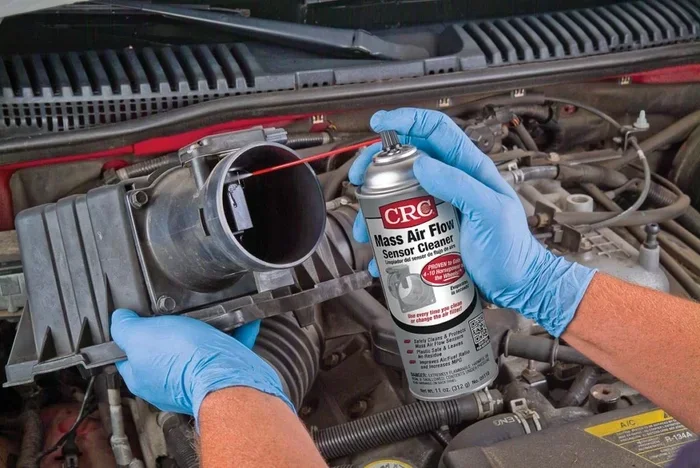
CRC MAF Sensor Cleaner is one of the most popular and trusted options on the market. It comes in an easy-to-use aerosol can with a straw attachment that lets you spray directly on the sensor element. Other reputable brands include Permatex, WD-40 Specialist MAF Cleaner, and Gunk MAF Sensor Cleaner. All of these products are safe and widely recommended by mechanics and car enthusiasts alike.
Electronics Contact Cleaners
Another safe option is an electronics contact cleaner. These cleaners are designed for sensitive electrical components and circuit boards. They work similarly to dedicated MAF cleaners by evaporating quickly and leaving no residue. Brands like DeoxIT and Electrical Contact Cleaner are excellent alternatives if you cannot find a dedicated MAF sensor cleaner nearby.
Just make sure the product label says it is safe for use on sensors and electrical contacts. Avoid any cleaner that contains lubricants or leave a wet film after drying.
Isopropyl Alcohol (99% Pure)
In a pinch, 99% isopropyl alcohol can work as a MAF sensor cleaner. It evaporates quickly and does not leave any residue. However, it is not as effective as a dedicated MAF cleaner for heavy buildup. If you go this route, apply it sparingly with a lint-free cloth and let it dry completely before reinstalling the sensor.
Avoid using lower concentrations of isopropyl alcohol because they contain more water, which can cause moisture-related problems inside the sensor housing.
Aerosol Brake Cleaners (Non-Chlorinated Only)
Some mechanics recommend non-chlorinated aerosol brake cleaners as a MAF sensor cleaning option. These cleaners evaporate quickly and do not leave residue. However, this should be a last resort. Dedicated MAF sensor cleaners are always the better choice because they are gentler on the sensor element.
Never use chlorinated brake cleaners. They leave a residue that can contaminate the sensor and make the problem worse.
Products to Avoid When Cleaning a MAF Sensor
Knowing what to avoid is just as important as knowing what to use. Many common household and automotive cleaners can destroy your mass airflow sensor. Here is a list of products you should never use:
- WD-40 (original formula): This popular multi-use spray leaves a greasy residue that coats the sensor wires and ruins their sensitivity.
- Carburetor cleaner: These are too harsh and can strip the delicate coating off the sensor element.
- Brake cleaner (chlorinated): Leaves harmful residues that contaminate the sensor and affect readings.
- Household all-purpose cleaners: Contain chemicals and surfactants that are not safe for sensitive electronics.
- Gasoline or diesel fuel: Not effective and can damage sensor components over time.
- Acetone or harsh solvents: Can corrode plastic housing and damage sensor wires.
Using any of these products may seem like a quick fix, but they often cause more harm than good. You could end up needing a full MAF sensor replacement, which costs significantly more than a simple cleaning.
Step-by-Step Guide to Cleaning Your MAF Sensor
Now that you know which products are safe, let us walk through the cleaning process. This is a straightforward job that most car owners can do at home with basic tools.
Step 1: Locate the MAF Sensor
The mass airflow sensor is located in the intake tract, between the air filter box and the throttle body. Follow the large intake hose from the air filter housing. You will see a cylindrical or rectangular component with an electrical plug attached. Unplug the connector carefully.
Step 2: Remove the MAF Sensor
Most MAF sensors are held in place by a clamp or a few bolts. Use the appropriate screwdriver or wrench to remove them. Gently pull the sensor out of the intake tube. Be careful not to bend or damage the sensor wires during removal.
Step 3: Spray the Cleaner
Hold the MAF sensor cleaner aerosol about six inches away from the sensor element. Spray 3 to 5 short bursts directly onto the wires or film element. Do not scrub or touch the sensor wires with anything. Let the cleaner dissolve the dirt and oil naturally.
Pro Tip: Never use compressed air to blow off the sensor wires. The force can break the delicate filaments and cause permanent damage.
Step 4: Let It Dry Completely
Set the sensor on a clean, lint-free cloth and let it air dry for at least 15 to 20 minutes. Make sure it is completely dry before reinstalling. Any residual moisture can cause issues and trigger the check engine light.
Step 5: Reinstall and Reset
Once dry, reinsert the sensor into the intake tube, secure the clamp, and reconnect the electrical plug. Start the engine and let it idle for a few minutes. Some vehicles require a MAF sensor reset by disconnecting the battery for 10 to 15 minutes. This allows the ECU to relearn the proper airflow baseline.
Take your car for a short test drive. Pay attention to idle smoothness, throttle response, and fuel economy. In most cases, you will notice an improvement within the first few miles.
Common Mistakes People Make When Cleaning a MAF Sensor
Even with the right products, mistakes can happen. Here are the most common errors car owners make when attempting to clean a MAF sensor:
Touching the Sensor Wires
The sensor wires or film are incredibly fragile. Even a light touch with a cloth or finger can bend or break them. Always let the cleaner do the work. Never physically contact the sensing element.
Using Too Much Cleaner
More is not better when it comes to MAF sensor cleaning. Excessive spraying can cause fluid to pool inside the sensor housing and seep into areas it should not reach. A few light sprays are all you need.
Not Letting It Dry Long Enough
Rushing the drying process is a recipe for trouble. Residual moisture can short out the sensor or cause corrosion over time. Always wait at least 15 minutes and inspect the sensor before reinstalling.
Ignoring the Air Filter
A clogged or dirty intake air filter allows more contaminants to reach the MAF sensor. If you just cleaned the sensor but have a filthy air filter, the problem will come back quickly. Always inspect and replace the air filter as part of regular MAF sensor maintenance.
Skipping the Reset
After cleaning, the engine control unit may still store old fault codes or use outdated calibration data. Disconnecting the battery or using an OBD2 scanner to clear the codes ensures the ECU starts fresh with accurate readings from your newly cleaned sensor.
How Often Should You Clean Your MAF Sensor?
Regular MAF sensor maintenance goes a long way in keeping your engine running smoothly. As a general rule, clean the sensor every 30,000 to 50,000 miles. However, if you drive in dusty conditions, on unpaved roads, or in areas with poor air quality, you may need to clean it more often.
Some car owners never clean their MAF sensor and never have issues. Others find that a quick cleaning every couple of years keeps everything running perfectly. The key is to pay attention to the symptoms we discussed earlier and act promptly when you notice any changes in engine performance.
Good MAF sensor maintenance also means keeping your fuel system clean. Using quality fuel and adding a fuel system cleaner every few tanks can reduce the amount of oil vapor and contaminants that reach the sensor. This simple habit extends the life of your MAF sensor and improves overall fuel economy.
When Cleaning Is Not Enough: Signs You Need a Replacement
Sometimes, cleaning the sensor simply is not enough. If you have tried a quality MAF sensor cleaner and still experience rough idle, hesitation, or a persistent check engine light, the sensor may be beyond repair. Here are signs that a MAF sensor replacement is necessary:
- The sensor wires are visibly damaged or broken: Physical damage cannot be fixed by cleaning.
- Symptoms persist after cleaning: If the problem continues after a proper cleaning, the internal electronics may have failed.
- The sensor housing is cracked or corroded: Damage to the housing allows contaminants inside and affects readings.
- Error codes point directly to the MAF sensor: Diagnostic tools showing specific MAF-related fault codes often indicate a failed sensor.
A MAF sensor replacement is not overly expensive. Most sensors cost between $100 and $300 for parts, depending on your vehicle make and model. Labor is usually straightforward and takes about 30 minutes to an hour. If you are comfortable with basic car maintenance, you can even do it yourself and save on labor costs.
Expert Insights on MAF Sensor Care
Automotive experts agree that prevention is the best strategy for MAF sensor health. Here are a few professional tips to keep your mass airflow sensor in top shape:
- Always use a clean, high-quality air filter: A good intake air filter is your first line of defense against contaminants reaching the sensor.
- Avoid oiled air filters if you have a MAF sensor: Oil-based filters like K&N can shed oil particles that coat the sensor wires. Use dry paper filters instead.
- Check for intake air leaks: Unfiltered air entering the intake tract bypasses the air filter and deposits dirt directly on the sensor.
- Use OEM or quality aftermarket parts: When replacement is needed, choose a reliable MAF sensor that matches your vehicle specifications.
- Address engine oil consumption issues promptly: Excessive oil vapor from a worn engine can quickly contaminate the MAF sensor.
Taking these small preventive steps can significantly extend the life of your mass airflow sensor and keep your engine running at peak performance for years to come.
Final Thoughts on Safe MAF Sensor Cleaning
Knowing what is safe to clean a MAF sensor with makes all the difference in the world. Stick with dedicated MAF sensor cleaners like CRC, electronics contact cleaners, or pure isopropyl alcohol. Avoid household products, WD-40, and harsh solvents that can cause irreversible damage. The process itself is simple, fast, and incredibly rewarding when you feel the difference in throttle response and fuel economy afterward.
Regular MAF sensor maintenance is one of the easiest and most overlooked ways to keep your car running smoothly. A few minutes of care every 30,000 miles can prevent expensive repairs, improve engine performance, and help you get the best fuel economy possible. So grab the right cleaner, follow the steps we outlined, and give your mass airflow sensor the attention it deserves. Your engine will thank you for it.
Frequently Asked Questions
Can I use brake cleaner to clean a MAF sensor?
Only non-chlorinated brake cleaner is potentially safe, but it is not recommended. Dedicated MAF sensor cleaners are specifically formulated for this purpose and are much gentler on the delicate sensor element. Using brake cleaner risks leaving residues or damaging the sensor wires.
How do I know if my MAF sensor is dirty?
Common signs include rough idle, hesitation during acceleration, poor fuel economy, and a check engine light. If you notice any of these symptoms, a visual inspection of the sensor wires for dirt or oil buildup can confirm the issue. A diagnostic scan tool can also reveal MAF-related fault codes.
Can I use WD-40 to clean a mass airflow sensor?
No, WD-40 is not safe for cleaning a MAF sensor. The original formula leaves a greasy residue that coats the sensor wires and ruins their sensitivity. Always use a dedicated MAF sensor cleaner or an electronics contact cleaner instead.
How often should I clean my MAF sensor?
As a general guideline, clean the sensor every 30,000 to 50,000 miles. However, driving conditions matter a lot. If you frequently drive on dusty roads or in areas with poor air quality, you may need to clean it more often. Regular inspection helps you catch buildup early.
Will cleaning my MAF sensor fix a check engine light?
In many cases, yes. A dirty MAF sensor sends incorrect data to the engine control unit, which often triggers the check engine light. After cleaning and resetting the sensor, the light may turn off. However, if the sensor is physically damaged or has failed internally, cleaning alone will not resolve the issue.
Can I clean a MAF sensor without removing it?
Yes, you can spray MAF sensor cleaner through the intake tract without removing the sensor. However, removing the sensor gives you better access and allows you to inspect it more thoroughly. For the best results, removing the sensor and cleaning it directly is the recommended approach.
=== CONCLUSION ===
Cleaning your MAF sensor is one of the simplest and most cost-effective maintenance tasks you can do for your car. Using the right products like CRC MAF sensor cleaner, electronics contact cleaners, or 99% isopropyl alcohol ensures you get the job done safely without risking damage to the delicate sensor element. Avoid harmful products like WD-40, carburetor cleaners, and chlorinated brake cleaners at all costs.
Follow the step-by-step process we shared, let the sensor dry completely, and reset the ECU after reinstalling. If cleaning does not resolve the symptoms, do not hesitate to consider a MAF sensor replacement. With proper care and regular maintenance, your mass airflow sensor will continue to deliver accurate readings and keep your engine running smoothly for miles to come.