Can a Toyota Last 20 Years Everything You Need to Know
Yes, a Toyota can absolutely last 20 years or more with proper care. Toyota vehicles are built with reliability in mind, and many owners report crossing the 200,000-mile mark and beyond. Regular maintenance, quality parts, and smart driving habits all play a huge role in helping your Toyota reach two decades of service.
Can a Toyota Last 20 Years?
Let’s get straight to the point. Can a Toyota last 20 years? The short answer is yes. The longer answer is that it depends on a few key factors, but Toyota has built a reputation for durability that few other brands can match. Millions of Toyota owners around the world have pushed their vehicles well past the 20-year mark. Some have even hit 300,000 miles or more. So if you’re wondering whether your Toyota can stick around for two decades, the odds are strongly in your favor.
Toyota’s reliability isn’t just luck. It comes from decades of engineering focus, strict quality control, and a commitment to building cars that last. But even the most reliable vehicle needs help. Proper maintenance and smart ownership habits make all the difference. In this article, we’ll cover everything you need to know about making your Toyota last 20 years. We’ll look at what makes Toyotas so durable, which models hold up best, and the maintenance steps that keep them running strong.
Key Takeaways
- Toyota’s reputation for reliability means many models can easily last 20 years or more with basic care.
- Regular maintenance like oil changes, fluid flushes, and timing belt replacements is the #1 factor in longevity.
- Certain Toyota models like the Camry, Tundra, and Prius are especially known for lasting 20+ years.
- Driving habits matter — gentle acceleration and avoiding short trips help your engine and hybrid battery last longer.
- Rust prevention and prompt repairs stop small issues from becoming expensive problems down the road.
- Hybrid Toyota models have unique battery considerations, but the hybrid system itself is designed for long life.
- Resale value stays strong even after 20 years, making long-lasting Toyotas a smart financial choice.
📑 Table of Contents
- What Makes Toyota Cars So Reliable?
- Which Toyota Models Last the Longest?
- Maintenance Tips to Help Your Toyota Reach 20 Years
- Common Issues That Can Shorten a Toyota’s Life
- How to Make Your Toyota Last Even Longer
- Hybrid Toyotas and 20-Year Ownership
- The Financial Benefits of a 20-Year Toyota
- Conclusion
What Makes Toyota Cars So Reliable?
Toyota has spent decades refining its approach to building cars. The brand consistently ranks at the top of reliability surveys. But what’s behind this reputation? Let’s break it down.
Engineering and Build Quality
Toyota engineers their vehicles with simplicity and durability in mind. They tend to use proven designs rather than chasing every new trend. This approach means fewer things can go wrong over time. The engines are straightforward, the electronics are robust, and the overall build quality is high. When you buy a Toyota, you’re getting a car that was designed to work hard for a long time.
The Toyota Production System
Toyota pioneered the Toyota Production System, which focuses on eliminating waste and ensuring quality at every step. This manufacturing philosophy means that each vehicle comes off the assembly line with fewer defects. Fewer defects early on translate to fewer problems later in the car’s life. It’s one reason why Toyota reliability has become synonymous with long-lasting vehicles.
Proven Components and Parts Availability
Toyota uses many tried-and-true components across their lineup. These parts are widely available and affordable. Even if your Toyota is 15 or 20 years old, finding replacement parts is usually straightforward. This availability makes repairs easier and more affordable, which directly contributes to a vehicle’s lifespan.
Which Toyota Models Last the Longest?
Not all Toyotas are created equal when it comes to longevity. Some models have a proven track record of reaching 20 years and beyond. Here are the standouts.
Toyota Camry
The Camry is one of the most reliable sedans on the road. Many owners report driving their Camrys for 200,000 to 300,000 miles without major issues. The Toyota Camry durability is well-documented, and it’s one of the first models that comes to mind when people ask about long-lasting Toyotas. With regular maintenance, a Camry can absolutely serve you for 20 years or more.
Toyota Tundra
The Tundra is a full-size pickup truck built for tough work. Toyota designed it to handle heavy loads and long miles. Many Tundra owners have surpassed 20 years of ownership. The truck’s simple, powerful engine and sturdy construction help it stand the test of time. If you need a reliable work truck that can last decades, the Tundra is a strong contender.
Toyota Prius
The Prius is Toyota’s flagship hybrid. Many people wonder about the hybrid battery life in these vehicles. The good news is that Toyota designed the Prius hybrid system for long-term use. While the battery may need replacement after 10 to 15 years, the rest of the powertrain is incredibly durable. How many years will a hybrid last? Often 20 or more, especially with proper battery maintenance. If you want a fuel-efficient car that can go the distance, the Prius is a solid choice.
Toyota 4Runner
The 4Runner is a body-on-frame SUV built for off-road adventures and daily driving alike. Its simple construction and robust parts make it one of the longest-lasting Toyotas. Many 4Runner owners report 20+ years of reliable service. The model’s simplicity is its strength — there’s less complexity to break down over time.
Maintenance Tips to Help Your Toyota Reach 20 Years
A Toyota can last 20 years, but only if you take care of it. Regular maintenance is the single most important factor in extending your vehicle’s lifespan. Here’s what you need to do.
Stick to the Maintenance Schedule
Toyota provides a detailed maintenance schedule for every model. This schedule outlines when to change your oil, replace filters, flush fluids, and inspect key components. Following this schedule to the letter is the best thing you can do for your car. Skipping services might save you a little money now, but it can lead to costly repairs later.
Change Your Oil Regularly
Oil is the lifeblood of your engine. Dirty oil causes friction, heat, and wear. Change your oil every 5,000 to 7,500 miles (or as specified in your owner’s manual). Regular oil changes are one of the cheapest and most effective ways to protect your engine. Use the oil weight recommended by Toyota for your specific model.
Flush Fluids on Time
Your Toyota uses several fluids that degrade over time. Coolant, transmission fluid, brake fluid, and power steering fluid all need periodic replacement. Old fluids can cause corrosion, overheating, and transmission problems. Stick to the recommended flush intervals to keep everything running smoothly.
Replace the Timing Belt
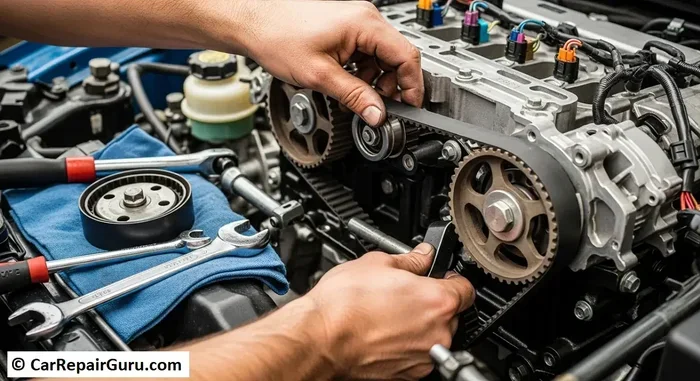
Toyota engines use timing belts that wear out over time. A broken timing belt can cause catastrophic engine damage. Check your owner’s manual for the replacement interval. Most Toyota timing belts need to be replaced between 60,000 and 100,000 miles. Don’t skip this service — it’s relatively inexpensive compared to the damage a broken belt can cause.
Address Small Problems Immediately
Small issues become big problems fast. A strange noise, a dashboard warning light, or a slight vibration — these are all signs that something needs attention. The sooner you address a problem, the cheaper and easier the fix will be. Ignoring warning signs is one of the fastest ways to shorten your Toyota’s lifespan.
Keep It Clean Inside and Out
Regular washing and waxing protect your Toyota’s paint and body from rust and corrosion. Inside the cabin, keeping things clean prevents wear on seats, dashboards, and electronics. Rust prevention is especially important in cold climates where road salt accelerates corrosion. A clean Toyota is a healthy Toyota.
Common Issues That Can Shorten a Toyota’s Life
Even the most reliable Toyota can develop problems. Knowing what to watch for helps you catch issues early and keep your car on the road for decades.
Neglecting Oil Changes
This is the number one killer of Toyota engines. When you skip or delay oil changes, sludge builds up inside the engine. This restricts oil flow and causes increased wear on internal components. Over time, this leads to premature engine failure. Regular oil changes are non-negotiable if you want your Toyota to last 20 years.
Ignoring the Check Engine Light
A check engine light can signal anything from a loose gas cap to a serious engine problem. Either way, it needs attention. Many owners ignore the light and hope it goes away. Sometimes it does. But sometimes it’s a sign of something that will get worse and more expensive if left unchecked. How can I clear a check engine code? You can, but only after fixing the underlying issue. Clearing the code without addressing the problem just hides the symptom.
Driving Habits That Cause Wear
How you drive affects how long your Toyota lasts. Aggressive acceleration, hard braking, and frequent short trips all put extra stress on the engine and other components. Short trips are especially harmful because the engine doesn’t reach full operating temperature, which allows moisture and fuel residue to build up. Try to take longer drives when possible to let your engine fully warm up and burn off these deposits.
Using the Wrong Fluids or Parts
Not all fluids and parts are created equal. Using the wrong oil weight, for example, can reduce engine protection and lead to premature wear. Can I use 5W 30 instead of 5W 20 in my Toyota Camry? In some cases, yes, but it’s always best to check your owner’s manual first. Using the manufacturer-recommended fluids and parts ensures your Toyota gets the protection it was designed to have.
Skipping Transmission Service
Your Toyota’s transmission works hard. Over time, the fluid breaks down and loses its effectiveness. Without regular transmission service, the gears wear faster and the transmission can fail prematurely. Transmission repairs are among the most expensive work on any vehicle. Staying on top of transmission service saves you from this costly headache.
How to Make Your Toyota Last Even Longer
Beyond the basics, there are some extra steps you can take to push your Toyota past the 20-year mark. These tips come from experienced Toyota owners and mechanics.
Store Your Toyota Properly
If you have a second vehicle or your Toyota sits for long periods, proper storage matters. Keep it in a garage or covered area to protect it from sun, rain, and temperature extremes. A car cover helps prevent dust and UV damage. Before storing, make sure the tires are properly inflated and the battery is disconnected or on a trickle charger.
Drive Your Toyota Regularly
Cars are meant to be driven. Sitting for weeks or months at a time causes problems. Tires go flat, batteries die, fluids settle, and seals dry out. If you don’t drive your Toyota often, take it for a weekly drive of at least 15 to 20 minutes. This keeps all systems lubricated and functioning properly.
Invest in Quality Replacement Parts
When something wears out or breaks, use quality parts. OEM (Original Equipment Manufacturer) parts are designed specifically for your Toyota and meet the same standards as the parts that came with the car. Aftermarket parts vary widely in quality. While they can save money upfront, cheap parts may fail sooner and cost you more in the long run.
Keep Records of All Maintenance
A maintenance log is your best friend. Write down every oil change, fluid flush, repair, and inspection. This record-keeping serves two purposes. First, it helps you stay on track with future services. Second, it provides proof of care if you ever sell the vehicle. A well-documented maintenance history increases your Toyota’s resale value and gives buyers confidence in the vehicle’s condition.
Listen to Your Toyota
You know your car better than anyone. Pay attention to how it sounds, feels, and drives. A change in engine tone, a new vibration, a different smell — these are all signals. Trust your instincts and investigate anything that seems off. Catching problems early is the key to keeping your Toyota on the road for decades.
Hybrid Toyotas and 20-Year Ownership
Hybrid Toyotas add a unique dimension to the longevity conversation. The hybrid system introduces additional components, but Toyota engineered them for long life.
Hybrid Battery Longevity
The hybrid battery is the most discussed component in Toyota hybrids. Many owners worry about battery replacement costs. While hybrid batteries do degrade over time, Toyota has designed them to last the life of the vehicle in most cases. How can I make my hybrid battery last longer? Simple: avoid deep discharging, keep the battery cool, and follow the recommended maintenance schedule. Many Toyota hybrid batteries last 15 to 20 years without needing replacement.
Can You Drive a Toyota Hybrid Without the Hybrid Battery?
Some owners wonder if the car is usable if the hybrid battery fails. The answer is yes, in most cases. Toyota designed hybrids with a backup system that allows the gas engine to power the vehicle if the hybrid battery fails. However, driving without the hybrid battery means you lose fuel efficiency and some performance benefits. It’s not ideal, but it won’t leave you stranded.
Jump Starting a Toyota Hybrid
If your hybrid battery dies or the 12-volt auxiliary battery is dead, you may need to jump-start the vehicle. Can you jump start a Toyota hybrid car? Yes, but the process is slightly different from a conventional car. Toyota hybrids have specific jump-start procedures outlined in the owner’s manual. Always follow those instructions to avoid damaging the hybrid system.
The Financial Benefits of a 20-Year Toyota
Owning a Toyota for 20 years isn’t just about reliability. It’s also smart financially.
Depreciation and Resale Value
Most cars lose a significant portion of their value in the first few years. Toyotas, however, hold their value much better. Even after 20 years, a well-maintained Toyota can still have meaningful resale value. This makes long-term ownership more cost-effective than you might expect.
Lower Total Cost of Ownership
When you spread the cost of a Toyota over 20 years, the annual cost drops significantly. A car that lasts 20 years costs far less per year than one that needs replacing every 5 to 7 years. Factor in the low repair costs and strong fuel efficiency, and the financial case for long-term Toyota ownership becomes even stronger.
Fewer Car Payments
Keeping a car for 20 years means you’ll eventually pay it off and drive it payment-free for over a decade. This is a huge financial advantage. Instead of making monthly car payments well into your 50s or 60s, you’ll have years of driving without a single payment. That money can go toward savings, investments, or other priorities.
Conclusion
So, can a Toyota last 20 years? Absolutely. Toyota has built a reputation for reliability that few brands can match. With proper maintenance, smart driving habits, and prompt attention to small problems, your Toyota can easily serve you for two decades or more. The Camry, Tundra, Prius, and 4Runner are all excellent choices if longevity is a priority. Follow the maintenance schedule, use quality parts, and listen to your car. A well-cared-for Toyota is one of the most dependable vehicles you can own. It’s an investment that pays off for years — or even decades — to come.
If you’re currently shopping for a Toyota or already own one, take comfort in knowing that Toyota vehicles are built to endure. The key is to be proactive about maintenance and never ignore warning signs. Your Toyota can be a faithful companion for 20 years and beyond. Treat it well, and it will reward you with years of reliable, worry-free driving.
Frequently Asked Questions
What is the average lifespan of a Toyota vehicle?
Most Toyotas can last between 200,000 and 300,000 miles with proper maintenance. At an average of 12,000 to 15,000 miles per year, that translates to roughly 15 to 20 years of service. Some well-maintained Toyotas even exceed 300,000 miles, pushing past the 20-year mark comfortably.
Which Toyota model lasts the longest?
The Toyota Camry, Tundra, and 4Runner are among the longest-lasting models. These vehicles are built with durable components and have a proven track record of reaching 200,000 miles and beyond. The Prius also performs well, with many hybrids surpassing 20 years of reliable service when properly maintained.
How often should I maintain my Toyota to make it last 20 years?
Follow Toyota’s recommended maintenance schedule exactly. This includes oil changes every 5,000 to 7,500 miles, fluid flushes at the specified intervals, and timing belt replacement at the recommended mileage. Staying on top of these services is the single most important thing you can do to extend your Toyota’s life.
Is it expensive to maintain a Toyota for 20 years?
Not necessarily. Toyotas are known for affordable maintenance and widely available parts. Routine services like oil changes and brake pad replacements are relatively inexpensive. The biggest costs come from major repairs, which are less frequent on Toyotas due to their reliability. Overall, the cost of ownership over 20 years is quite reasonable compared to replacing vehicles more frequently.
Can a high-mileage Toyota still be reliable?
Yes. Many Toyotas remain reliable even after 200,000 miles or more. The key factors are consistent maintenance and prompt attention to any issues. A high-mileage Toyota that has been well cared for is often just as dependable as a lower-mileage one. Toyota reliability holds up well over time when the vehicle is properly maintained.
Do Toyotas hold their value after 20 years?
Toyotas hold their value better than most brands. A well-maintained 20-year-old Toyota still has significant resale value because buyers trust the brand’s durability. This strong resale value makes long-term Toyota ownership a financially smart decision. The Toyota resale value is one of the many benefits of owning a Toyota for the long haul.