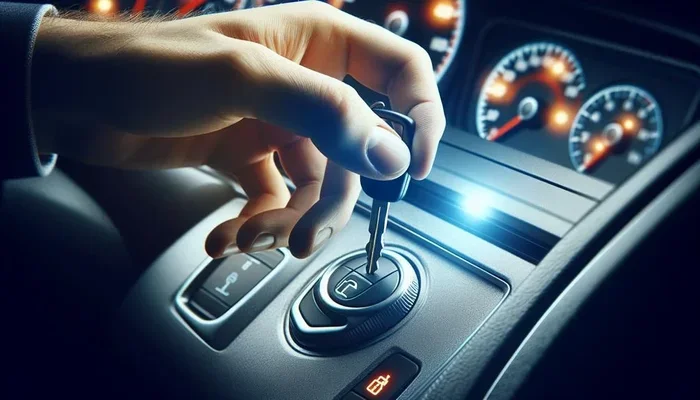
How Do You Start a Toyota Car With a Key Easy Fix
Starting a Toyota car with a key is simple once you know the right steps. Whether you drive a Camry, RAV4, or Highlander, this guide walks you through the entire process. We also cover common starting problems, quick fixes, and maintenance tips to keep your Toyota key working perfectly.
Have you ever stood in your driveway, key in hand, wondering why your Toyota won’t start? It happens to the best of us. Whether your Toyota key fob is acting up or the ignition feels stuck, knowing how to start your car with a key can save you a lot of stress. This guide breaks down everything you need to know about starting a Toyota car with a key in plain, simple language.
We will walk you through the different Toyota key types, the step-by-step starting process, and the most common problems you might face. By the end, you will feel confident and ready to handle any key-related situation. No jargon. No fluff. Just real, helpful advice that works.
So let us dive right in. Whether you drive a Toyota Camry, a Toyota Highlander, or any other Toyota model, this article has you covered. We will also share practical tips that go beyond just turning the key. Think of this as your go-to resource for all things Toyota key starting.
Key Takeaways
- Toyota Key Types: Understand the difference between traditional keys, smart keys, and emergency keys.
- Easy Starting Process: Follow our simple step-by-step guide to start any Toyota model with a key.
- Common Problems Solved: Learn why your Toyota might not start and how to fix it quickly.
- Key Maintenance: Keep your Toyota key fob and battery in top shape with our expert tips.
- Immobilizer Basics: Know how the Toyota immobilizer works and what to do when it causes issues.
- Battery Health: A dead car battery is the most common reason keys fail to start the engine.
📑 Table of Contents
Understanding Your Toyota Key System
Before you can start your Toyota, it helps to understand what kind of key system you have. Toyota has used several different key systems over the years. Each one works a little differently, but they all serve the same purpose: getting your engine running.
Types of Toyota Keys
Toyota vehicles come with a few different key types. Knowing which one you have makes the starting process much easier.
- Traditional Mechanical Keys: These are the old-school keys you insert directly into the ignition cylinder. They do not have batteries or electronics. You simply turn them to start the engine.
- Smart Keys (Keyless Entry): These are the modern push-button start keys. You do not need to insert them into the ignition. Instead, you just press the start button while the key is inside the car.
- Emergency Keys: Many Toyota smart key sets come with a small hidden mechanical key. This backup key is useful when the smart key battery dies.
- Transponder Keys: These keys have a small chip inside that communicates with the car’s immobilizer system. The car will not start without the correct chip signal.
Not sure which type you have? Check your Toyota owner’s manual. It will tell you exactly what kind of key system your model uses. You can also look at your key. If it has a push button on the handle, you likely have a smart key system.
How the Toyota Smart Key System Works
Toyota’s smart key system is clever. The key fob sends a low-frequency signal to the car. When the car detects the fob is nearby, it allows you to start the engine with the push of a button. This is called keyless push-button start. It is convenient and fast. But it also means you need to keep your key fob battery charged. A weak battery can cause starting problems.
If you have ever wondered why your Toyota starts sometimes and not others, the key fob battery is often the culprit. This ties directly into your car’s overall electrical health. For more on keeping your electrical system in check, check out our guide on how to check your car battery.
Step-by-Step Guide to Starting a Toyota With a Key
Now let us get to the good part. Here is exactly how to start your Toyota car with a key. We will cover both traditional and smart key systems so every Toyota owner can follow along.
Starting a Toyota With a Traditional Key
If your Toyota uses a traditional mechanical key, the process is straightforward. Follow these steps:
- Step 1: Sit in the driver’s seat and close the door.
- Step 2: Insert the key into the ignition slot on the steering column.
- Step 3: Turn the key clockwise to the “ON” position. You should hear the dashboard lights up.
- Step 4: Turn the key further clockwise to the “START” position. Hold it there for a second or two until the engine fires up.
- Step 5: Release the key. It will automatically return to the “ON” position.
That is it. Your Toyota should start within a few seconds. If the engine cranks but does not start, there may be a fuel or spark issue. In that case, it is best to consult a mechanic.
Starting a Toyota With a Smart Key (Push Button Start)
For Toyota models with smart key systems, the process is slightly different but just as easy:
- Step 1: Make sure you have the smart key fob inside the car. The car needs to detect the fob to allow starting.
- Step 2: Press the brake pedal firmly with your foot.
- Step 3: Press the push-start button. The engine should start right away.
- Step 4: Release the brake pedal and you are ready to drive.
Some Toyota models also allow you to start the car without pressing the brake pedal if the key fob is placed in a specific spot. Check your owner’s manual for details. This is especially helpful if the key fob battery is low. The car may have a backup starting position for the fob.
Starting a Toyota Hybrid With a Key
Toyota hybrid models like the Prius and Camry Hybrid use a slightly different starting process. The hybrid system needs to verify the key, the battery, and the electric motor before it starts. For Toyota hybrid owners, starting a Prius or hybrid with a key follows a similar push-button method. Make sure the hybrid battery is also in good condition, as a weak hybrid battery can prevent the car from starting.
Common Problems When Starting a Toyota With a Key
Sometimes things go wrong. Your Toyota key turns but nothing happens, or the engine cranks without catching. Here are the most common reasons your Toyota might not start with a key.
Dead Key Fob Battery
This is the number one cause of Toyota key starting problems. The smart key fob runs on a small coin battery, usually a CR2032. When this battery dies, the fob cannot send its signal to the car. You might notice the dashboard warning light or the push-button start simply does not respond.
Replacing the fob battery is easy and inexpensive. You can do it yourself in about two minutes. Just pop open the back of the fob, swap out the old battery, and snap it back together. If you want to learn more about using the right battery for your Toyota key, read our article on CR2032 batteries in Toyota keys.
Immobilizer System Issues
Toyota vehicles have an immobilizer system built into the ignition. This security feature prevents the car from starting unless the correct key is detected. If the immobilizer does not recognize your key, the engine will crank but not fire up.
Immobilizer problems can happen for several reasons:
- The key transponder chip is damaged or worn out.
- The car’s antenna ring around the ignition cylinder is faulty.
- The immobilizer module needs a reset.
- There is interference from another electronic device nearby.
If you suspect an immobilizer issue, do not panic. There are simple fixes you can try before calling a locksmith. For a detailed walkthrough on resolving immobilizer problems, visit our guide on how to fix your immobiliser problem.
Steering Wheel Lock
Ever turned your key and felt the steering wheel locked up? This is a common safety feature. When the steering wheel locks, it also locks the ignition. The key will not turn. To fix this, gently wiggle the steering wheel left and right while turning the key. The lock should release and the key will turn freely.
Dead Car Battery
A dead car battery will prevent your Toyota from starting, regardless of what kind of key you have. The dashboard lights may be dim or not come on at all. You might hear a clicking sound when you turn the key, but the engine will not crank.
If you think your battery is dead, try jump-starting the car. You can also check the battery voltage with a multimeter. A healthy Toyota battery should read around 12.6 volts when fully charged. For more information on jump-starting, especially with hybrid models, see our article on jump-starting a Toyota hybrid car.
How to Fix Key-Related Starting Problems
Now that you know the common problems, let us look at how to fix them. These solutions are practical and easy to try at home.
Quick Tips for Fixing a Toyota That Won’t Start
- Replace the key fob battery: A new CR2032 battery costs under a few dollars and solves most smart key issues.
- Try the backup mechanical key: If the smart key fails, use the hidden emergency key to unlock the door and start the car.
- Wiggle the steering wheel: This releases the steering lock and allows the key to turn.
- Check the battery terminals: Corroded battery terminals can prevent your Toyota from starting. Clean them with a wire brush.
- Reset the immobilizer: Some Toyota models require you to cycle the key from OFF to ON several times to reset the immobilizer.
- Keep the key away from electronics: Other electronic devices can interfere with the key fob signal. Keep the fob away from your phone or laptop.
Expert Insight
Toyota service technicians recommend keeping a spare key fob battery in your glove box at all times. It takes 30 seconds to swap a dead battery, and it can save you from being stranded. Also, if your Toyota key stops working after a battery replacement, the key may need to be reprogrammed. Visit your local Toyota dealer for a quick reprogramming session.
Comparison Table: Traditional Key vs Smart Key
| Feature | Traditional Key | Smart Key |
|---|---|---|
| Starting Method | Insert and turn key in ignition | Push button with fob inside car |
| Battery Required | No | Yes (CR2032 or similar) |
| Common Failure | Worn key or ignition cylinder | Dead fob battery |
| Security Level | Basic | High (transponder chip) |
| Convenience | Moderate | Very high |
| Replacement Cost | Low ($5-$20) | Higher ($50-$200+) |
Maintenance Tips for Your Toyota Key
Taking care of your Toyota key can prevent most starting problems before they happen. A little maintenance goes a long way. Here are some simple habits that will keep your Toyota key working smoothly for years.
Replace the Key Fob Battery Regularly
Do not wait for the battery to die completely. Replace it every 12 to 18 months as a preventive measure. Most Toyota key fobs use a CR2032 battery, which is widely available at any grocery store or pharmacy.
Keep the Key Clean
Dirt and grime can build up around the key buttons and the ignition cylinder. Use a soft cloth and a little rubbing alcohol to clean your key fob regularly. For mechanical keys, wipe them down and keep them dry to prevent rust.
Store the Key Properly
Avoid leaving your Toyota key near strong magnetic fields or electronic devices. Also, do not leave the key in direct sunlight for extended periods. Heat can damage the internal electronics of the key fob. A cool, dry place like your jacket pocket or a dedicated key tray is best.
Know When to Replace the Key
If your Toyota key is visibly worn, the buttons are sticking, or the car struggles to detect the fob, it may be time for a replacement. Toyota dealerships can program a new key for you. You can also visit a qualified locksmith who specializes in Toyota keys. The cost varies by model, but it is usually between $100 and $400 depending on the key type and programming required.
Common Mistakes to Avoid
- Ignoring the warning light: If your dashboard shows a key warning symbol, do not ignore it. Address it immediately.
- Using the wrong battery: Always use the battery type specified in your owner’s manual.
- Forcing the key: If the key does not turn easily, do not force it. Something is wrong, and forcing it can break the key or damage the ignition.
- Getting the key wet: Water damage can ruin the key’s internal electronics. Keep it dry at all times.
When to Seek Professional Help
Most Toyota key starting problems can be fixed at home with simple troubleshooting. But some issues need professional attention. Here are signs that it is time to call a Toyota dealer or a certified locksmith:
- The engine cranks but never starts, even after trying all the fixes above.
- The key fob stops working entirely, even with a new battery installed.
- You see the immobilizer warning light stay on the dashboard.
- The ignition cylinder feels loose or damaged when you insert the key.
- You have lost all Toyota keys and need a replacement programmed.
Toyota dealers have specialized tools to program new keys and diagnose electronic issues. They can also check your car’s computer system for error codes that point to the exact problem. For many Toyota owners, a quick visit to the dealer solves the issue in under an hour.
Final Thoughts
Starting a Toyota car with a key should not be complicated. Whether you have a traditional key or a modern smart key, the process is simple once you know what to do. The key is to understand your Toyota’s system, keep the key well-maintained, and troubleshoot problems early before they become bigger issues.
Remember these core points: replace your key fob battery regularly, keep a spare key handy, and do not ignore warning lights on your dashboard. These small habits will keep your Toyota starting reliably every single time. And if you ever run into a problem you cannot solve, do not hesitate to reach out to a Toyota professional. They are there to help.
We hope this guide has given you everything you need to know about starting a Toyota car with a key. Share it with a friend who might need it, and bookmark this page for future reference. Happy driving!
Frequently Asked Questions
Can I start a Toyota with a dead key fob battery?
Yes, most Toyota models with smart keys have a backup starting method. Place the dead key fob against the push-start button and press it. The car will read the key’s passive RFID chip even without a working battery. Check your owner’s manual for the exact location on your specific model.
How do I know if my Toyota key needs a new battery?
Signs of a dying key fob battery include reduced range, the need to press buttons harder, and the push-start button not responding. Some Toyotas also show a key warning light on the dashboard. Replacing the battery is cheap and easy, usually under five dollars.
What type of battery does a Toyota key fob use?
Most Toyota key fobs use a CR2032 coin cell battery. This is a standard battery available at virtually any store. Always double-check your owner’s manual to confirm the exact battery type for your specific Toyota model and year.
Can a Toyota key be programmed at home?
Some basic key programming can be done at home, but full programming usually requires a Toyota dealer or a professional locksmith. Newer Toyota models with advanced security features typically need dealer-level equipment to program a replacement key properly.
Why does my Toyota key work sometimes but not others?
Intermittent key problems are usually caused by a weak key fob battery, signal interference from nearby electronics, or a partially failing transponder chip. Try replacing the battery first. If the problem persists, have the key inspected by a professional.
How much does it cost to replace a Toyota key?
A Toyota key replacement typically costs between $100 and $400, depending on the model and key type. Traditional mechanical keys are cheaper, while smart keys with transponder chips cost more due to programming requirements. Toyota dealerships and independent locksmiths both offer replacement services.