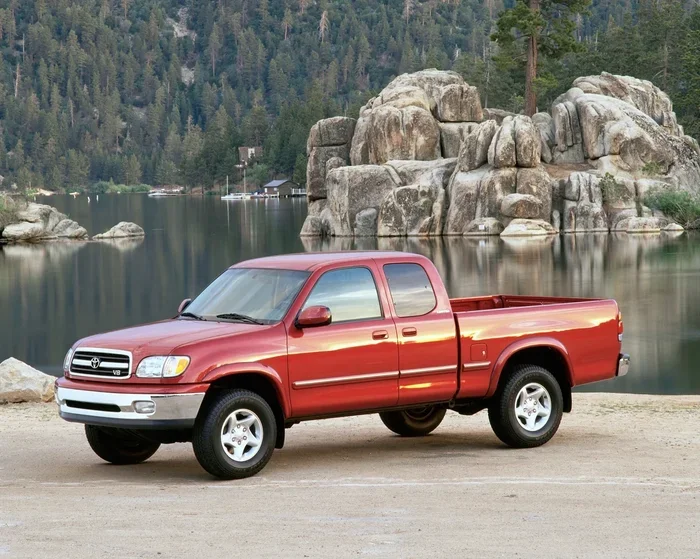
Are Old Toyota Tundras Reliable and Worth the Money
Are old Toyota Tundras reliable? The short answer is yes — older Toyota Tundras are known for exceptional durability, strong resale value, and long-lasting performance. With proper maintenance, a used Toyota Tundra can easily surpass 200,000 miles. However, certain model years have known issues that buyers should understand before making a purchase.
When you think about old Toyota Tundras, what comes to mind? For most truck enthusiasts, the answer is simple — toughness, durability, and a reputation that just won’t quit. The Toyota Tundra has been a staple in the American full-size truck market for over two decades now. But the real question most buyers ask is this: are old Toyota Tundras reliable enough to justify the purchase?
Whether you are looking for a dependable work truck, a weekend towing rig, or a daily driver that can handle anything you throw at it, the answer matters. A lot of truck shoppers overlook older models because they assume age equals problems. But that assumption does not hold true for the Toyota Tundra. In fact, many of these trucks are still running strong well past the 200,000-mile mark. Let us break down exactly what makes these trucks tick, what to watch out for, and whether an older Tundra is truly worth your hard-earned money.
Key Takeaways
- Proven Reliability: Old Toyota Tundras consistently rank among the most dependable full-size trucks on the road.
- Strong Resale Value: Toyota Tundras hold their value exceptionally well compared to competing brands.
- Common Issues Exist: Some years have specific problems like transmission issues, rust, and coolant leaks that buyers should know about.
- Maintenance Matters: Regular upkeep dramatically extends the lifespan of any older Tundra.
- Best Years Stand Out: The 2007-2013 generation is widely considered the sweet spot for reliability and value.
- Worth the Money: A well-maintained older Tundra offers excellent bang for your buck, especially for towing and hauling needs.
📑 Table of Contents
Why Old Toyota Tundras Have a Strong Reputation
The Toyota Tundra earned its reputation the hard way — through real-world use by real people. Unlike some trucks that rely on flashy marketing, the Tundra built trust through sheer consistency. Owners across the country have put hundreds of thousands of miles on their Tundras with minimal major issues.
Built to Last
Toyota designs its trucks with a simple philosophy: over-engineer the important parts and use proven technology. The Toyota Tundra engine options, particularly the 4.7-liter V8 and the 5.7-liter V8, are known for their longevity. These engines use cast-iron blocks and durable internal components that handle high mileage gracefully. The 5.7-liter V8, introduced in 2007, is especially praised for its power and reliability.
Beyond the engine, the Tundra’s frame is a full-length boxed design that resists flex and fatigue. This matters a lot if you plan on hauling heavy loads or towing a trailer. The Toyota Tundra durability is not just a marketing claim — it is backed by decades of ownership data and countless forum discussions from real owners.
Simple Engineering = Fewer Problems
One reason old Toyota Tundras hold up so well is that Toyota kept the engineering relatively straightforward. The truck does not rely on overly complex electronics or cutting-edge systems that break down frequently. The 4WD systems are robust, the transmissions are proven units, and the suspension components are built for heavy-duty use.
This simplicity also makes repairs easier and more affordable. Most Toyota Tundra parts are widely available and reasonably priced compared to competitors like the Ford F-150 or Ram 1500. You are not paying a premium for proprietary technology when you own a Tundra.
Common Problems with Older Toyota Tundras
No truck is perfect, and older Toyota Tundras do come with their share of known issues. Understanding these problems before you buy can save you from a costly headache down the road. Here are the most common concerns reported by owners and mechanics.
Transmission Issues
The 4-speed automatic transmission found in earlier Tundra models (2000-2006) has been a point of concern for some owners. While Toyota built this transmission to be tough, it can develop problems at higher mileages. Common symptoms include slipping between gears, rough shifts, and delayed engagement.
The good news is that the 5-speed automatic introduced in the 2007 model year addressed most of these concerns. If you are shopping for a used Tundra, going with a 2007 or newer model gives you a much more refined and reliable transmission experience.
Rust and Corrosion
Rust is one of the biggest enemies of any older truck, and the Toyota Tundra is no exception. Models from the early 2000s, particularly those driven in northern states where road salt is common, can develop rust on the frame, rocker panels, and wheel wells.
Regular undercarriage inspections and prompt rust treatment can prevent minor surface rust from becoming a structural problem. Always ask for a rust inspection report when buying a used Tundra, especially if it is from a cold-weather state.
Coolant Leaks and Engine Overheating
Some older Tundra models, particularly the 2000-2006 generation, have reported issues with coolant leaks. The most common culprits are the water pump, thermostat housing, and radiator hoses. Left unchecked, coolant leaks can lead to engine overheating and serious internal damage.
Regular coolant flushes and hose inspections can prevent these issues from escalating. Keep an eye on your temperature gauge and address any leaks immediately.
Ball Joint and Suspension Wear
The Tundra is a heavy truck, and all that weight takes a toll on suspension components over time. Ball joints, control arms, and tie rods can wear out, especially in models with higher mileage. Symptoms include clunking noises over bumps, uneven tire wear, and steering looseness.
Replacing these parts is relatively affordable, but ignoring them can lead to unsafe driving conditions. Stay on top of your suspension inspections, and you will keep your Tundra riding smoothly for years to come.
Electrical Gremlins
Some older Tundra owners have reported electrical issues, including flickering lights, faulty power window switches, and intermittent gauge malfunctions. These problems are usually minor and inexpensive to fix, but they can be annoying if left unaddressed.
Most electrical issues in older trucks stem from corroded connectors or worn wiring harnesses. A thorough inspection of the electrical system during a pre-purchase check can identify these problems early.
Which Years Are the Best and Worst?
Not all Toyota Tundras are created equal. Some model years stand out as excellent buys, while others have more reputation for problems. Here is a breakdown of the key generations and what you need to know about each.
The First Generation (2000-2006)
The original Toyota Tundra was a bold entry into the full-size truck market. It proved that Toyota could build a competitive American-style truck. The 2000-2006 models are known for their strong V8 engines and solid towing capacity. However, these early years also introduced some of the issues mentioned above, including transmission concerns and rust problems.
If you are considering a first-generation Tundra, look for models with lower mileage and a clean maintenance history. The 4.7-liter V8 is generally more reliable than the earlier 4.7L, and the 5.7-liter V8 is the gold standard for power and longevity.
The Second Generation (2007-2013)
The 2007-2013 Tundra is widely considered the best generation for reliability and value. This model year range introduced the 5.7-liter V8, a significant upgrade in power and efficiency. The transmission was improved, the styling was more refined, and Toyota addressed many of the issues from the first generation.
Many experts and owners consider the 2007-2013 Tundra the sweet spot for anyone looking for a reliable used full-size truck. The Toyota Tundra resale value for these years remains strong, making them a smart investment.
The Third Generation (2014-Present)
The 2014 and newer Tundra models brought a more modern design, improved fuel economy, and updated technology. While these trucks are still relatively new in the used market, early reports suggest they continue Toyota’s tradition of reliability. The 2014-2021 models use the same 5.7-liter V8 and offer strong performance for both work and recreation.
If budget allows, a third-generation Tundra with lower mileage can give you many more years of dependable service with fewer concerns about age-related wear.
Quick Comparison Table
| Generation | Years | Engine Options | Reliability Rating | Best For |
|---|---|---|---|---|
| First Gen | 2000-2006 | 4.7L V8, 5.7L V8 | Good | Budget buyers |
| Second Gen | 2007-2013 | 4.7L V8, 5.7L V8 | Excellent | Best overall value |
| Third Gen | 2014-2021 | 5.7L V8 | Excellent | Modern features |
Maintenance Tips for Keeping an Old Tundra Running
Owning an older Toyota Tundra is rewarding, but it does require some attention to keep it running at its best. Regular maintenance is the single most important factor in determining how long your Tundra will last. Here are the essential tips every Tundra owner should follow.
Stay on Top of Oil Changes
Clean oil is the lifeblood of any engine, and the Tundra is no different. Change your oil every 5,000 to 7,500 miles with high-quality synthetic or conventional oil. For older models with higher mileage, consider switching to high-mileage oil formulations that help seal worn gaskets and reduce engine noise.
Flush the Cooling System Regularly
Coolant flushes every 30,000 to 50,000 miles help prevent the buildup of rust and sediment inside the cooling system. This simple maintenance task can prevent overheating and extend the life of your water pump, radiator, and thermostat.
Inspect the Transmission Fluid
Transmission fluid should be checked regularly and changed every 60,000 to 80,000 miles. Fresh transmission fluid keeps the gears shifting smoothly and reduces wear on internal components. For older Tundras with higher mileage, a transmission fluid change can make a noticeable difference in performance.
Replace Suspension Components Proactively
Do not wait for ball joints or control arms to fail completely. Inspect these components every 30,000 miles and replace them at the first sign of wear. Proactive suspension maintenance keeps your Tundra handling safely and prevents more expensive damage to tires and steering components.
Address Rust Early
If you live in a cold-weather state or frequently drive on salted roads, rust prevention should be a priority. Wash the undercarriage regularly, apply rust-proofing treatments, and address any surface rust immediately before it spreads.
Common Mistakes to Avoid
- Skipping regular maintenance: Even small neglect can lead to expensive repairs on older trucks.
- Ignoring warning signs: Unusual noises, vibrations, or fluid leaks should always be investigated promptly.
- Buying without a pre-purchase inspection: Always have a trusted mechanic inspect any used truck before you buy.
- Overlooking the maintenance history: A Tundra with incomplete service records is a gamble. Always ask for documentation.
- Buying the cheapest option: The lowest-priced Tundra often has the most hidden problems. Pay for quality.
Expert Insights
According to long-term Tundra owners and mechanics, the key to a long-lasting old Toyota Tundra is simple: maintain it consistently and address small problems before they become big ones. Many owners report that their Tundras reach 300,000 miles or more with only routine maintenance and a few minor repairs along the way. The truck’s reputation for reliability is well-earned, but it does require the owner to take care of it properly.
Is a Used Toyota Tundra Worth the Money?
This is the question that really matters for most buyers, and the answer depends on what you need from a truck. Let us break down the pros and cons to help you decide.
The Pros
- Exceptional reliability: Toyota Tundras consistently rank at the top of reliability surveys for full-size trucks.
- Strong resale value: Even older Tundras hold their value remarkably well compared to competitors.
- Powerful towing capacity: The 5.7-liter V8 can tow up to 10,500 pounds, making it a capable workhorse.
- Affordable parts and repairs: Toyota parts are widely available and competitively priced.
- Simple, proven technology: Fewer complex systems mean fewer things to go wrong.
- Comfortable and spacious: The Tundra offers a comfortable cabin with plenty of room for passengers and cargo.
The Cons
- Lower fuel economy: Full-size trucks are not known for their gas mileage, and older Tundras are no exception.
- Rust potential: Especially in northern climates, rust can be a persistent issue on older models.
- Aging technology: Older Tundras lack modern safety features and infotainment systems found in newer trucks.
- Higher insurance costs: Full-size trucks generally cost more to insure than smaller vehicles.
Who Should Buy an Old Toyota Tundra?
An older Toyota Tundra is an excellent choice for anyone who needs a dependable, hardworking truck for towing, hauling, or general utility. It is also a great option for buyers who want a truck that will last for many years without the high price tag of a new model. If you are willing to perform regular maintenance and accept the minor quirks of an older vehicle, a used Tundra can serve you well for a very long time.
However, if you need the latest safety technology, fuel efficiency, or modern comfort features, you may want to consider a newer model or a different truck altogether.
Quick Tips for Buyers
- Always request a full vehicle history report using the VIN number.
- Have a trusted mechanic perform a pre-purchase inspection.
- Test drive the truck in various conditions, including highway and towing scenarios if possible.
- Check for recall notices specific to the model year you are considering.
- Compare prices across multiple listings to ensure you are getting a fair deal.
Final Verdict: Should You Buy an Old Toyota Tundra?
So, are old Toyota Tundras reliable? The answer is a resounding yes. The Toyota Tundra has earned its place as one of the most dependable full-size trucks on the market. With strong engines, a robust frame, and proven engineering, these trucks are built to last. The Toyota Tundra longevity is not a surprise — it is the result of thoughtful design and consistent quality.
Are old Toyota Tundras worth the money? For most buyers, absolutely. The combination of reliability, towing capability, and strong resale value makes the Tundra one of the best values in the used truck market. Just be sure to choose the right model year, get a thorough inspection, and commit to regular maintenance.
If you are in the market for a used full-size truck and want something that will keep on keeping on, the Toyota Tundra should be at the top of your list. It is a truck that rewards the owner who takes care of it — and gives back many years of dependable service in return.
Whether you need a truck for work, play, or both, an old Toyota Tundra delivers on the promise that made Toyota famous: build it strong, build it to last, and it will serve you faithfully for years to come.
Frequently Asked Questions
What is the most reliable year for a Toyota Tundra?
The 2007-2013 model years are widely regarded as the most reliable Toyota Tundra generation. These years introduced the improved 5.7-liter V8 engine and a better transmission, addressing many issues from earlier models. Buyers looking for the best combination of reliability and value should focus on these years.
How many miles can a Toyota Tundra last?
With proper maintenance, a Toyota Tundra can easily last 250,000 to 300,000 miles or more. Many owners report reaching 300,000 miles with only routine repairs and no major engine or transmission failures. Regular oil changes, fluid flushes, and timely part replacements are key to maximizing Tundra longevity.
What are the most common problems with old Toyota Tundras?
The most common issues include transmission problems in early models, rust and corrosion, coolant leaks, suspension wear on ball joints and control arms, and minor electrical gremlins. Most of these problems can be prevented or managed with regular maintenance and prompt repairs.
Is it expensive to maintain an old Toyota Tundra?
No, maintaining an old Toyota Tundra is generally affordable. Toyota parts are widely available and competitively priced compared to many competitors. Routine maintenance like oil changes, brake pads, and suspension components are reasonably priced, and the simplicity of the truck’s design keeps repair costs lower than more complex vehicles.
Can an old Toyota Tundra tow a trailer?
Yes, older Toyota Tundras are excellent towing machines. The 5.7-liter V8 engine can tow up to 10,500 pounds when properly equipped. Even the 4.7-liter V8 offers solid towing capacity for most recreational and light-duty needs. Always check the specific towing capacity for your model year and configuration.
Should I buy a first-generation Tundra (2000-2006)?
A first-generation Tundra can be a good buy if you find one with a clean maintenance history and lower mileage. However, these models have more known issues than later generations, including transmission concerns and rust problems. If you do buy a first-gen Tundra, budget for potential repairs and invest in a thorough pre-purchase inspection.
=== CONCLUSION ===
Are old Toyota Tundras reliable and worth the money? The evidence speaks for itself. Toyota Tundras are built tough, last long, and hold their value better than most competitors in the full-size truck segment. Whether you choose a first-generation model for budget savings or a second-generation truck for the best overall package, you are getting a dependable machine that will serve you well for years to come.
The key to unlocking the full potential of any old Toyota Tundra is simple: buy smart, maintain regularly, and address issues promptly. Follow these principles, and your Tundra will reward you with countless miles of reliable, capable service. A used Toyota Tundra remains one of the smartest truck purchases you can make in today’s market.