Honda Civic Wont Start but Has Power Here Are the Fixes
When your Honda Civic has power but won’t start, it is frustrating but usually fixable. The most common culprits include a dead battery, a failing starter motor, a bad ignition switch, or electrical issues. This guide walks you through every possible cause and gives you step-by-step solutions to get your car running again.
There are few moments more frustrating than turning the key or pressing the button and hearing nothing happen. Your Honda Civic has power. The dashboard lights up. The radio works. But the engine refuses to turn over. You are sitting there thinking, “Why won’t my Honda Civic start?”
Here is the good news. A Honda Civic that won’t start but has power is a very common problem. In most cases, the fix is simple and affordable. This guide breaks down every possible reason your Honda Civic won’t start but has power and gives you clear steps to fix it yourself or know when to call a pro.
Whether you drive a ninth-generation Civic or a brand-new tenth-generation model, the starting system works the same way. Power flows from the battery to the starter motor, which cranks the engine. If any part of that chain fails, you get power but no start. Let us dig into the details and figure out what is going on with your car.
Key Takeaways
- Battery Issues: A weak or dead Honda Civic battery is the number one reason for power with no start.
- Starter Motor Problems: A faulty starter solenoid or motor prevents cranking even when the dashboard lights up.
- Ignition Switch Failure: Worn ignition switches can send power to accessories but not engage the starter.
- Electrical and Fuse Issues: Blown fuses or corroded wiring can block the start signal entirely.
- Key Fob and Immobilizer: A dead key fob battery or security system lockout can prevent starting on push button models.
- DIY Fixes Save Money: Many of these issues can be diagnosed and resolved at home with basic tools and a little patience.
📑 Table of Contents
- Why Your Honda Civic Has Power But Won’t Start
- Dead or Weak Honda Civic Battery
- Faulty Starter Motor or Solenoid
- Ignition Switch Problems on the Honda Civic
- Electrical Issues, Fuses, and Relays
- Other Common Reasons Your Honda Civic Won’t Start
- Preventing Honda Civic Starting Problems
- When to Call a Professional Mechanic
- Final Thoughts
Why Your Honda Civic Has Power But Won’t Start
Before you start replacing parts, it helps to understand what is happening. When you turn the key or push the start button, several things need to work together. The battery sends electricity to the starter motor. The starter motor turns the engine. The ignition switch tells the system to engage. The fuel pump delivers gas. The spark plugs ignite the mixture.
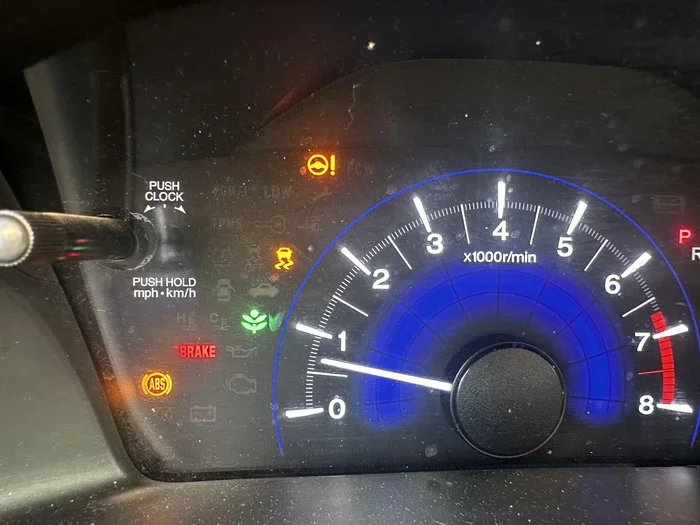
If your Honda Civic dashboard lights come on but the engine does not crank, something in that chain is broken. The good news is that you can narrow it down by paying attention to what does and does not work.
Understanding the Difference Between Power and Crank
Let us be clear about something. “Power” means the electrical systems are working. Your lights, radio, and dashboard gauges are all alive. “Crank” means the engine is actually turning over. When we say Honda Civic power but no start, we mean the electrical side is fine but the engine is not firing up.
This distinction matters because it tells you where to look. If you have power, your battery has enough charge for the accessories. The problem is likely in the starter, ignition switch, or a safety switch that blocks the start signal. Knowing this saves you time and keeps you from replacing parts that are actually fine.
Common Symptoms to Watch For
Your Honda Civic will give you clues before it completely refuses to start. Here are the most common symptoms people notice:
- Dashboard lights are on but no crank: You turn the key and nothing happens. No sound at all.
- Single click or rapid clicking: You hear a click but the engine does not turn.
- Lights dim when you turn the key: This suggests the starter is drawing power but not engaging properly.
- Dashboard warning lights flash: A flashing security light often points to an immobilizer issue.
- Push button start does nothing: The brake pedal is pressed but the engine stays completely dead.
Each symptom points to a different cause. We will walk through them one by one below so you can pinpoint the problem.
Dead or Weak Honda Civic Battery
The Honda Civic battery is the heart of your entire starting system. Even if the dashboard lights work, the battery might not have enough juice to crank the engine. Accessories need very little power. Cranking the engine takes a lot more energy out of the battery. This is why you can have a Honda Civic dead battery and still see the dashboard lights glow.
A Honda Civic dead battery is the number one reason people call a tow truck. Before you panic, try these checks first.
How to Test Your Honda Civic Battery
You do not need to be a mechanic to test your battery. Grab a multimeter from your local auto parts store. Set it to DC voltage. Touch the red probe to the positive terminal and the black probe to the negative terminal.
Here is what the readings mean:
- 12.6 volts or higher: Your battery is fully charged. The problem is probably not the battery.
- 12.0 to 12.5 volts: Your battery is partially discharged. It might still crank the engine but could be weak.
- Below 12.0 volts: Your battery is dead or very weak. It needs charging or replacement right away.
If your battery reads low, try jump starting it first. If you have a Honda Civic hybrid, the process is slightly different. Can You Jump Start A Toyota Hybrid Car and Can You Jump Start Another Car With A Camry Hybrid both have useful tips that apply to hybrid starting procedures.
When to Replace the Honda Civic Battery
Most Honda Civic batteries last three to five years. If yours is older than that, consider replacing it even if it still holds a charge. Cold weather kills batteries fast. If you live in a northern climate, you might need a new battery every three years to stay reliable.
Look for these signs that your battery is on its way out:
- The engine cranks slowly in the morning.
- You need to jump start the car more than once a year.
- The battery terminals have white or green corrosion buildup.
- The dashboard battery light flickers when you are idling.
Replacing a Honda Civic battery is one of the easiest DIY repairs you can do. It costs between $100 and $200 for the part and about $30 for the shop if you decide not to do it yourself. Either way, it is a quick fix that gets you back on the road.
Faulty Starter Motor or Solenoid
If your battery is good but your Honda Civic still won’t start, the starter motor is the next suspect. The starter motor is a small but powerful electric motor that cranks the engine when you turn the key. The solenoid is the switch that sends power to the starter. When either one goes bad, you get Honda Civic power but no start. The electrical systems work fine, but the engine never turns over.
Starter problems are very common in Honda Civics, especially as the car ages. The good news is that replacing a starter is a straightforward repair for most Honda Civic models.
Signs of a Failing Starter Motor
Watch for these warning signs that your starter is going bad:
- Single loud click when you turn the key: The solenoid engages but the motor does not spin.
- Rapid clicking noise: The solenoid is trying to engage but the starter motor is too weak to turn.
- Grinding sound: The starter gear is worn and not meshing properly with the flywheel ring gear.
- Intermittent starting: The car starts sometimes but not others. This is a classic early starter failure sign.
- Starter stays on after starting: If you hear a grinding noise after the engine starts, the starter solenoid is stuck and needs immediate attention.
Starter motors wear out over time. They are a normal wear item, just like brake pads or tires. The mileage on your Civic plays a big role in when the starter will fail. Higher mileage Civics are more likely to experience starter problems.
Starter Replacement Costs and Tips
A new Honda Civic starter motor costs between $200 and $400 for the part. Labor adds another $100 to $200 at most shops. If you are handy, you can replace the starter yourself and save the labor cost. The starter is usually located on the passenger side of the engine, near the transmission bell housing.
Before you buy a new starter, have someone tap the starter with a hammer while someone else turns the key. Sometimes a stuck starter can be freed up temporarily. If the car starts after tapping, you definitely need a new starter. This old trick works more often than you might think.
Ignition Switch Problems on the Honda Civic
The ignition switch is the component that tells your Honda Civic to go from accessory mode to start mode. When you turn the key to the “start” position, the ignition switch sends a signal to engage the starter motor. When this switch fails, you get power to the accessories but no start signal to the engine. Ignition switch failure is more common in older Honda Civic models, but it can happen in any generation.
How the Ignition Switch Works
Most Honda Civics have an ignition switch with several positions:
- Lock: The steering wheel is locked and the key cannot be removed from the switch.
- Accessory: The radio, power windows, and other accessories work without starting the engine.
- ON: All dashboard lights come on and the fuel pump primes for startup.
- Start: The starter motor engages and cranks the engine to fire it up.
If your ignition switch is worn out, it might work fine in the accessory and ON positions but fail in the START position. This is exactly the scenario where you have Honda Civic dashboard lights but no start. The electrical circuits for accessories work, but the circuit for cranking does not.
Diagnosing Ignition Switch Failure
Here is a simple test you can do at home. Turn the key to the ON position and wait for all the dashboard lights to come on. Then try to start the car. If nothing happens but the lights stay bright, the ignition switch might be the problem.
Another clue is if your Honda Civic stalls or loses power while driving. A bad ignition switch can cut power to the fuel pump and ignition system while you are on the road. This is dangerous and should be fixed immediately. Do not ignore warning signs like stalling or power loss while driving.
Replacing an ignition switch is not expensive. The part itself costs between $50 and $150. Labor is usually under $100 at most repair shops. If you are comfortable working with electrical components, this is a great DIY project that can save you money.
Electrical Issues, Fuses, and Relays
Your Honda Civic has a complex electrical system with dozens of fuses and relays. Each one protects a specific circuit from overload. When a fuse blows or a relay fails, it can prevent the starter from receiving the signal it needs to engage. Electrical gremlins are tricky because they do not always follow a pattern. One day your car starts fine. The next day it does not.
Checking the Honda Civic Fuse Box
Every Honda Civic has two fuse boxes. One is under the hood near the battery. The other is inside the cabin, usually under the dashboard on the driver side. Check your owner’s manual to find the exact location of the starter relay and ignition fuse for your specific model year.
Look for blown fuses. A blown fuse will have a broken metal strip inside the plastic housing. Replace it with a fuse of the same amperage. Never use a higher-rated fuse because it can damage the wiring and cause bigger problems down the road.
Common fuses that can cause a Honda Civic not to start include:
- The main ignition fuse that powers the starting circuit.
- The starter relay fuse that sends power to the solenoid.
- The fuel pump fuse that allows gas to reach the engine.
- The ECU (Engine Control Unit) fuse that manages engine operations.
Wiring and Relay Problems
Beyond fuses, corroded or loose wiring can cause Honda Civic electrical issues that mimic bigger problems. The starter relay is a small switch that sends power from the battery to the starter motor. If the relay fails, you might hear nothing when you turn the key.
You can test a relay by swapping it with a similar relay in the fuse box. If the car starts after the swap, the relay was the problem. Relays are cheap and easy to replace. Most auto parts stores carry relay assortment kits for just a few dollars.
Also check the ground connections on your Honda Civic. A bad ground wire can cause all sorts of strange electrical problems, including a car that has power but won’t start. Clean any corroded terminals with a wire brush and a baking soda solution. Good ground connections are essential for the entire electrical system to work properly.
Other Common Reasons Your Honda Civic Won’t Start
Battery, starter, ignition switch, and electrical issues cover most cases. But there are a few other causes that are worth checking. These are less common but can still leave you stranded if you do not know what to look for.
Key Fob and Immobilizer Problems
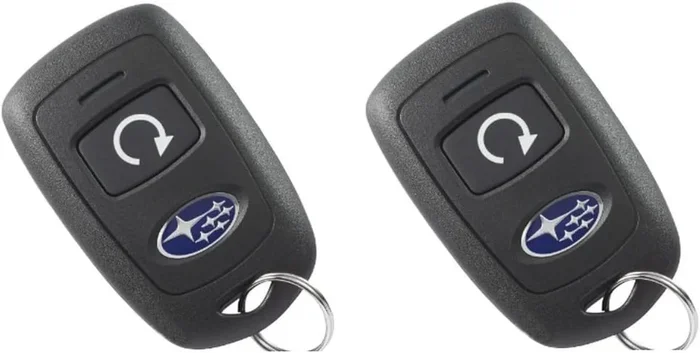
If your Honda Civic has push button start, the key fob plays a big role in the starting process. The car’s immobilizer system reads the fob to verify it is a programmed key. If the fob battery is dead or the system cannot read the fob, the car will not start even though it has power.
This is a very common issue that people overlook. Try these steps:
- Replace the key fob battery. They usually use a CR2032 coin cell battery that costs just a few dollars.
- Hold the fob directly against the start button. Some systems can read the fob through the plastic even with a weak battery.
- Check if the immobilizer light is flashing on the dashboard. A flashing security light means the system is not recognizing the key.
If you have a spare key, try it. If the spare key works, the problem is with the original fob, not the car itself. This is an easy fix that costs almost nothing.
Fuel Pump Failure
The fuel pump delivers gasoline from the tank to the engine. When the fuel pump fails, the engine cranks but does not start because it has no fuel. However, in some cases, a failing fuel pump can cause Honda Civic starting problems that look like electrical issues. The fuel pump relay or fuse could be the actual problem rather than the pump itself.
You can test the fuel pump by turning the key to the ON position (not start). You should hear a brief humming sound from the back of the car. That is the fuel pump priming the system. If you hear nothing, the fuel pump or its relay might be bad. A failing fuel pump often gets worse over time, starting as an intermittent problem.
Neutral Safety Switch
The neutral safety switch prevents the Honda Civic from starting unless the transmission is in Park or Neutral. If this switch is bad, the car has power but will not start, even with the key turned or the button pressed. This is a simple and inexpensive fix that many people overlook.
Try shifting the gear selector to Neutral and pressing the start button or turning the key. If the car starts in Neutral but not in Park, the neutral safety switch needs adjustment or replacement. The switch is usually built into the transmission or shifter assembly. Replacement costs between $100 and $250 depending on the model year and where you go for service.
Preventing Honda Civic Starting Problems
The best way to deal with Honda Civic starting issues is to prevent them from happening in the first place. Regular maintenance goes a long way toward keeping your car reliable and trouble-free. A little prevention saves a lot of headaches down the road.
Here are some simple habits that help keep your Civic starting strong:
- Replace the battery every 3 to 4 years: Do not wait for it to die on you. Proactive replacement saves you from being stranded at the worst possible moment.
- Check the battery terminals regularly: Clean off any corrosion with a wire brush. Tight connections ensure good electrical flow through the entire system.
- Keep the key fob battery fresh: Replace it once a year or when you notice the range getting shorter. A dead fob battery is the easiest fix of all.
- Listen for warning sounds: A slow crank or clicking noise is your car telling you something is wrong. Address it early before it becomes a bigger problem.
- Follow the maintenance schedule: Regular oil changes and inspections keep the entire starting system healthy and working as it should.
Honda Civics are known for being reliable cars. If you want to learn more about Honda Civic dependability and long-term ownership, check out this guide on Are Honda Civics Reliable. It covers everything from common issues to long-term ownership costs and what to expect as your Civic ages.
Taking care of your Honda Civic also protects your investment. Honda Civics hold their value better than most competitors in the compact car segment. If you are curious about resale value, read up on Do Honda Civics Hold Their Value for detailed insights on what to expect when it is time to sell or trade in.
When to Call a Professional Mechanic
Many of the fixes in this guide are DIY-friendly. But some situations call for a professional mechanic who has the right tools and experience. Here is when you should call in the experts:
- You have checked the battery, fuses, and starter but still cannot diagnose the problem: A professional diagnostic tool can read error codes that point to the exact issue hiding in your car’s computer system.
- Your Honda Civic started and then died and will not start again: This could indicate a deeper electrical or computer issue that needs professional attention right away.
- You smell burning or see smoke: Stop immediately. Electrical fires are serious and require professional attention. Do not keep trying to start the car.
- You are not comfortable working with electrical components: There is no shame in calling a mechanic. Your safety matters more than saving a few dollars on a repair.
Most auto parts stores will test your battery and starter for free. Take advantage of this before buying any parts. A proper diagnosis saves you money and prevents unnecessary replacements that do not fix the real problem.
Final Thoughts
A Honda Civic that has power but won’t start is almost always a fixable problem. The most common causes are a dead battery, a bad starter motor, a failing ignition switch, or a simple fuse issue. With the right information, you can diagnose the problem yourself and save hundreds of dollars in shop fees.
Start with the simplest checks first. Test the battery with a multimeter. Check the fuses in both boxes. Listen for clicking sounds when you turn the key. Work your way through this list and you will find the answer in most cases. And if the problem is beyond your DIY skills, a professional mechanic can sort it out quickly and get you back on the road.
Remember, Honda Civics are built to last. With proper care and timely repairs, your Civic will keep running strong for years to come. Stay on top of maintenance, listen to your car’s warning signs, and you will spend less time worrying about starting problems and more time enjoying the drive.
For more Honda Civic tips and troubleshooting guides, explore our full library of articles on Honda vehicles. Whether you are dealing with a starting issue, wondering about towing capacity, or just looking for maintenance advice, we have you covered with expert guidance and practical advice.
Frequently Asked Questions
Why does my Honda Civic have power but won’t start?
The most common reasons are a weak or dead battery, a failing starter motor, a bad ignition switch, or a blown fuse. Since the electrical systems still work, the battery has some charge. The problem is usually in the starting circuit, not the charging system. Check the battery voltage first, then move on to the starter and ignition switch.
Can a dead key fob battery cause a Honda Civic not to start?
Yes, absolutely. If your Honda Civic has push button start, the key fob must be recognized by the immobilizer system. A dead fob battery prevents the car from recognizing the key. Replace the fob battery with a CR2032 coin cell. You can also hold the fob directly against the start button as a temporary workaround until you get a new battery.
How much does it cost to fix a Honda Civic that won’t start?
The cost depends on the cause. A battery replacement costs $100 to $200. A starter motor replacement runs $300 to $600. An ignition switch fix is $50 to $150 for the part plus labor. Fuse replacements are very cheap. Always get a proper diagnosis before replacing expensive parts so you do not waste money on the wrong repair.
What should I do if my Honda Civic clicks but won’t start?
A clicking noise usually means the starter solenoid is engaging but the starter motor is not spinning. This points to a weak battery or a bad starter. First, test the battery voltage. If the battery is good, the starter motor or solenoid likely needs replacement. Jump starting the car can help confirm whether the battery is the issue.
Is it safe to drive a Honda Civic with starting problems?
It depends on the cause. If the car starts sometimes but not always, it is risky to rely on it for daily driving. A failing ignition switch or fuel pump can leave you stranded unexpectedly. Have the car diagnosed as soon as possible. If the car will not start at all, you need a jump start or tow to get it to a repair shop safely.
Can weather cause a Honda Civic not to start?
Yes, cold weather is a major factor. Low temperatures reduce battery capacity and make it harder for the starter motor to turn the engine. If your Honda Civic starts fine in summer but struggles in winter, the battery is likely the culprit. Consider upgrading to a cold-weather battery if you live in a northern climate where winters are harsh.
=== CONCLUSION ===
Dealing with a Honda Civic that has power but won’t start is frustrating, but it is almost always a solvable problem. The key is to work through the possible causes systematically and methodically. Start with the battery, then check the starter, ignition switch, fuses, and electrical connections. Do not overlook simple fixes like a dead key fob battery or a neutral safety switch issue.
Most of these repairs are affordable and many can be done at home with basic tools. Even if you need to visit a mechanic, knowing the likely cause helps you avoid being overcharged or sold unnecessary parts that do not fix the real problem.
Keep this guide bookmarked for future reference. Your Honda Civic is a dependable machine, and with the right troubleshooting approach, you will be back on the road in no time. Stay proactive with maintenance and your Civic will keep starting strong for miles and miles to come.