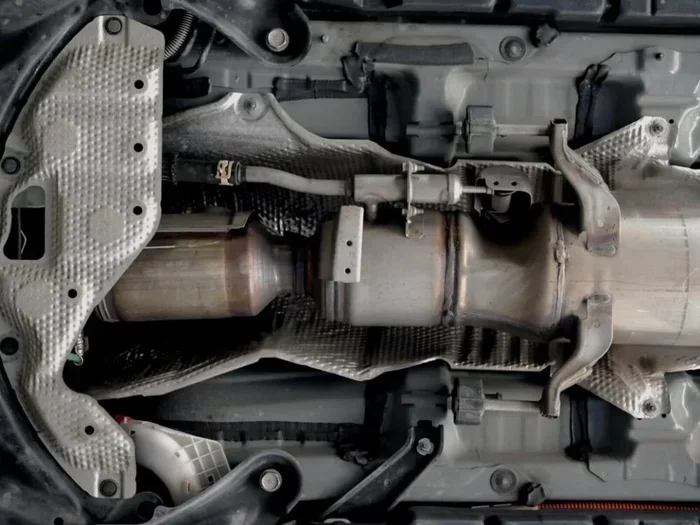
Can a Toyota Still Run Without a Catalytic Converter
Yes, a Toyota can technically run without a catalytic converter, but doing so comes with serious risks. You may notice rough idling, failed emissions tests, and trigger the check engine light. Removing or driving without a catalytic converter can also damage your engine over time and violate federal and state laws.
Can a Toyota Still Run Without a Catalytic Converter?
Many Toyota owners wonder about the catalytic converter. Maybe yours got stolen. Maybe it is clogged and failing. Or maybe you are thinking about removing it for performance reasons. Whatever the reason, the question is the same: can a Toyota still run without a catalytic converter?
The short answer is yes. A Toyota can technically run without a catalytic converter. But the real question is whether you should. And the answer to that is a firm no for most drivers.
The catalytic converter plays a critical role in your Toyota’s exhaust system. It reduces harmful emissions and keeps your engine running smoothly. Without it, you face a host of problems. These include failed emissions tests, engine damage, and legal trouble.
In this article, we will cover everything you need to know. We will explain what happens when a Toyota runs without a catalytic converter. We will look at the risks, the legal issues, and the cost of replacement. We will also share tips on how to protect your converter from theft.
Let us dive in.
Key Takeaways
- A Toyota can run without a catalytic converter, but it is not recommended for everyday driving.
- Removing the catalytic converter triggers the check engine light and causes your Toyota to run poorly.
- Driving without a catalytic converter is illegal in most states and can result in fines.
- Your Toyota’s engine can suffer long-term damage without a functioning catalytic converter.
- Emissions testing will fail if your catalytic converter is missing or damaged.
- Replacement cost varies but typically ranges from $500 to $2,500 depending on the Toyota model.
- Aftermarket high-flow converters offer a legal alternative for performance enthusiasts.
📑 Table of Contents
- What Does a Catalytic Converter Do?
- Can a Toyota Run Without a Catalytic Converter?
- What Happens When You Remove the Catalytic Converter?
- Is It Legal to Drive a Toyota Without a Catalytic Converter?
- How Much Does It Cost to Replace a Toyota Catalytic Converter?
- Can You Replace a Toyota Catalytic Converter with an Aftermarket One?
- Signs Your Toyota Catalytic Converter Is Failing
- Final Thoughts
What Does a Catalytic Converter Do?
Before we answer whether a Toyota can run without one, let us understand what the catalytic converter actually does. This small but mighty component sits in your exhaust system. It converts harmful gases into less harmful ones before they exit the tailpipe.
Here is how it works. Your Toyota’s engine produces exhaust fumes. These fumes contain dangerous chemicals like carbon monoxide, nitrogen oxides, and hydrocarbons. The catalytic converter uses a chemical reaction to break these pollutants down into safer substances. Carbon dioxide and water vapor are the main byproducts.
Inside the converter, you will find precious metals like platinum, palladium, and rhodium. These metals act as catalysts. They speed up the chemical reaction without being consumed themselves.
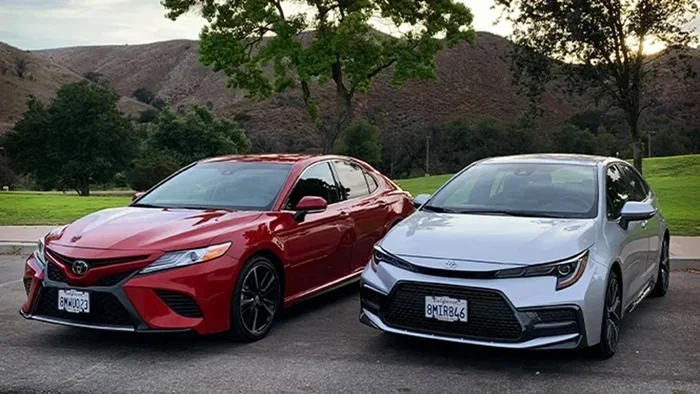
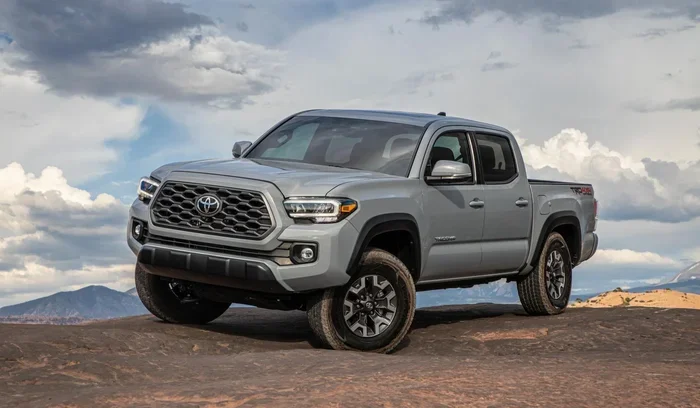
This is why catalytic converters are so valuable. The precious metals inside them make them a target for thieves. Toyota models like the Tacoma and Camry are especially popular targets.
Without the catalytic converter doing its job, your Toyota’s exhaust fumes become much more polluting. And your engine does not run as efficiently either.
Can a Toyota Run Without a Catalytic Converter?
Yes, a Toyota can physically run without a catalytic converter installed. The engine does not need the converter to ignite fuel or move the pistons. The combustion process happens in the engine cylinders. The exhaust system simply carries the gases away.
So if you remove the catalytic converter or if it fails completely, your Toyota will still start and drive. Many people who have had their converter stolen report that the car starts and runs. At least for a little while.
But here is the catch. Running without a converter causes a cascade of problems. Your Toyota was designed to work with the converter in place. Removing it changes how the engine runs.
For example, the oxygen sensors in your Toyota rely on data from the catalytic converter. Without it, the sensors send incorrect readings to the engine control module. This throws off the air-fuel mixture. The result is poor performance.
Some people compare it to removing a part of your Toyota’s lungs. The engine can breathe, but not properly.
You may also wonder about older Toyotas. Models from the 1980s and early 1990s sometimes did not have catalytic converters. But those vehicles were built before modern emissions standards. Today’s Toyotas are designed around the converter. Removing it causes problems.
The Difference Between Driving With and Without a Converter
Let us compare what driving looks like with and without a catalytic converter. This makes it very clear why keeping yours intact matters.
With a working catalytic converter:
- Smooth idle and acceleration
- Passes emissions testing
- Good fuel economy
- No check engine light
- Quieter exhaust note
- Lower harmful emissions
Without a catalytic converter:
- Rough or uneven idle
- Failed emissions test
- Reduced fuel economy
- Check engine light comes on
- Loud, rattling exhaust
- Higher harmful emissions
The difference is significant. Even a short drive without a converter can trigger warning lights and error codes. If you want to understand more about what happens when you remove parts of the exhaust system, check out this article on does a cat back exhaust include the catalytic converter. It covers how different exhaust setups affect your Toyota.
What Happens When You Remove the Catalytic Converter?
Removing the catalytic converter from a Toyota is not like taking off a spare tire. It changes how the entire vehicle operates. Here is what you can expect.
Check Engine Light and Error Codes
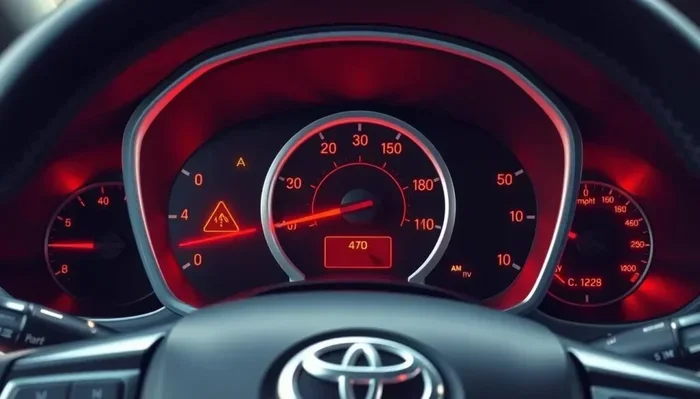
The moment you remove the catalytic converter, your Toyota’s computer notices. The oxygen sensors detect a change in exhaust flow. Within seconds, the check engine light turns on.
The most common error codes include P0420 and P0430. These codes specifically indicate catalyst system efficiency issues. Your Toyota’s OBD-II system is designed to catch this immediately.
If you want to learn how to deal with a check engine light, we have a helpful guide on how to clear a check engine code. But removing the converter will just trigger it again.
Failed Emissions Test
Most states require annual or biannual emissions testing. A Toyota without a catalytic converter will fail this test every single time. The converter is the primary device that reduces harmful emissions.
Without it, your exhaust output contains high levels of hydrocarbons, carbon monoxide, and nitrogen oxides. These are exactly the pollutants that emissions tests measure.
In states like California, Colorado, and New York, emissions testing is strict. You simply cannot register or renew your registration without a working catalytic converter.
Engine Performance Issues
You might think removing the converter would make your Toyota faster. After all, there is less restriction in the exhaust. But the opposite usually happens.
The engine control module relies on proper exhaust back pressure. Without the converter, the back pressure drops. The air-fuel mixture becomes too lean. This causes rough running, misfires, and reduced power.
Over time, running lean can damage the engine. Valves can burn. Piston rings can wear. The costs of these repairs far exceed the cost of replacing a catalytic converter.
Increased Fuel Consumption
Your Toyota’s fuel economy drops when the catalytic converter is missing. The engine runs less efficiently because the air-fuel ratio is off. You will notice yourself filling up more often.
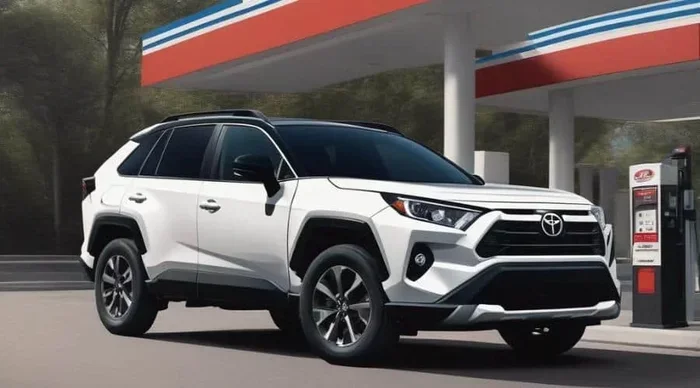
For a vehicle like the Toyota Camry or RAV4, this adds up quickly. Over a year of driving, the extra fuel costs can be significant.
Loud and Annoying Exhaust Noise
The catalytic converter also acts as a muffler of sorts. It dampens exhaust noise. Without it, your Toyota will be extremely loud. The exhaust note becomes a deep, rumbling roar that turns heads.
Some people enjoy the sound. But in most neighborhoods, it is a nuisance. And it can also lead to noise violation tickets.
Is It Legal to Drive a Toyota Without a Catalytic Converter?
The short answer is no. In most cases, it is illegal to drive a Toyota without a catalytic converter. Here is what you need to know.
The catalytic converter became a required part of vehicles in the United States starting in 1975. The federal Clean Air Act mandates that all new vehicles include emissions control devices. The catalytic converter is one of the most important of these devices.
Driving without a catalytic converter violates federal emissions regulations. Most states have adopted these federal standards into their own laws. This means that removing or driving without a converter can result in:
- Fines ranging from $100 to $1,000 or more depending on the state
- Failed vehicle inspection
- Inability to register or renew vehicle registration
- Possible vehicle impoundment in extreme cases
- Voided warranty on emissions-related components
Some states are stricter than others. California has the most rigorous emissions standards in the country. If you live in California, driving without a catalytic converter is practically impossible. You cannot pass smog certification.
Even if your state does not test emissions, removing the converter is still a federal violation. Law enforcement can issue citations during routine stops or inspections.
How Much Does It Cost to Replace a Toyota Catalytic Converter?
If your catalytic converter is stolen or damaged, you will need to replace it. The cost can be significant. Toyota catalytic converters are among the most expensive to replace.
Here is a general cost breakdown:
- OEM converter replacement: $1,000 to $2,500
- Aftermarket converter: $500 to $1,200
- Labor costs: $100 to $300
- Total cost range: $600 to $2,800
The exact cost depends on your Toyota model. A Toyota Camry converter is less expensive than a Toyota Tacoma or Toyota Prius converter. The Prius uses a special type of converter that is particularly expensive.
Some Toyota models from 2018 onward have seen a rise in converter theft. This is because the converters in newer Toyotas contain more precious metals. They are easier to access and more valuable on the black market.
If you are looking for ways to protect your Toyota, consider a catalytic converter anti-theft device. These are metal shields that bolt onto the undercarriage. They make it much harder for thieves to remove the converter quickly.
Also, parking in well-lit areas and garages helps. Some insurance policies cover catalytic converter theft. Check with your provider to see if you are covered.
Can You Replace a Toyota Catalytic Converter with an Aftermarket One?
Yes, you can replace a Toyota catalytic converter with an aftermarket unit. But you need to choose the right one.
High-flow catalytic converters are a popular option. They reduce exhaust restriction while still cleaning emissions. This means your Toyota maintains legal compliance while gaining some performance improvement.
Direct-fit aftermarket converters are designed specifically for your Toyota model. They bolt right in without any modifications. These are a good middle ground between OEM and performance options.
Universal fit converters are the cheapest option. But they often require welding and modification. They may also not pass emissions testing in strict states.
If you are considering an aftermarket converter, make sure it is CARB compliant. CARB stands for the California Air Resources Board. CARB-compliant converters are legal in all 50 states. They meet strict emissions standards.
Always check local laws before purchasing any aftermarket converter. What is legal in one state may not be legal in another.
Signs Your Toyota Catalytic Converter Is Failing
Catalytic converters do not last forever. They can degrade over time. Here are the signs that yours may be failing:
- Check engine light: The most common indicator. Your Toyota’s computer detects inefficiency in the converter.
- Rotten egg smell: A sulfur or rotten egg odor from the exhaust means the converter is not processing gases properly.
- Reduced engine power: A clogged converter restricts exhaust flow. This causes sluggish acceleration.
- Dark exhaust smoke: Black or dark smoke indicates unburned fuel passing through the converter.
- Rattling noise: A broken or melting converter substrate can cause a rattling sound, especially at idle.
- Poor fuel economy: A failing converter disrupts the air-fuel mixture, causing you to burn more fuel.
If you notice any of these symptoms, get your Toyota inspected right away. A failing converter will only get worse over time. And a completely failed converter means your Toyota will not pass emissions testing.
For Toyota owners dealing with check engine lights related to exhaust issues, understanding how to diagnose and address the problem is key. You can find more information on handling these issues in our guide about clearing check engine codes.
Final Thoughts
So, can a Toyota still run without a catalytic converter? Yes, technically it can. But should you do it? Absolutely not.
The catalytic converter is an essential part of your Toyota’s exhaust and emissions system. Without it, your vehicle runs poorly, pollutes heavily, and breaks the law. The risks far outweigh any perceived benefits of removal.
If your converter has been stolen, replace it as soon as possible. If it is failing, have it diagnosed and repaired by a qualified mechanic. And if you are considering performance modifications, look into high-flow aftermarket converters that keep you legal and compliant.
Your Toyota is a valuable investment. Protecting it means protecting every component, including the catalytic converter. Keep it intact, keep it legal, and keep your Toyota running right for years to come.
Frequently Asked Questions
Can I drive my Toyota without a catalytic converter temporarily?
Technically yes, but only for very short distances. Driving without a converter triggers the check engine light and causes poor engine performance. You risk long-term engine damage and will fail any emissions test. It is not advisable even for temporary driving.
Why are Toyota catalytic converters so expensive to replace?
Toyota catalytic converters contain precious metals like platinum, palladium, and rhodium. Newer Toyota models use more of these metals, making replacement costs higher. The design and engineering of Toyota converters also contribute to the price.
Can I pass emissions without a catalytic converter?
No. In all 50 states, a vehicle must have a functioning catalytic converter to pass emissions testing. The converter is the primary device that reduces harmful exhaust pollutants. Without it, your Toyota will fail every time.
What should I do if my Toyota catalytic converter is stolen?
First, file a police report. Then contact your insurance company. You will need to replace the converter as soon as possible. Consider installing an anti-theft device to protect your new converter from future theft.
Will removing the catalytic converter improve my Toyota’s performance?
No. Removing the catalytic converter actually reduces performance. The engine runs with an incorrect air-fuel mixture, causing rough idling, reduced power, and poor fuel economy. Any perceived improvement in exhaust flow is far outweighed by the engine damage it causes.
How can I prevent catalytic converter theft on my Toyota?
Install a catalytic converter anti-theft shield. Park in well-lit areas or garages. Consider an aftermarket converter with serial numbers that are harder to sell. Some insurance policies also cover theft, so check your coverage.