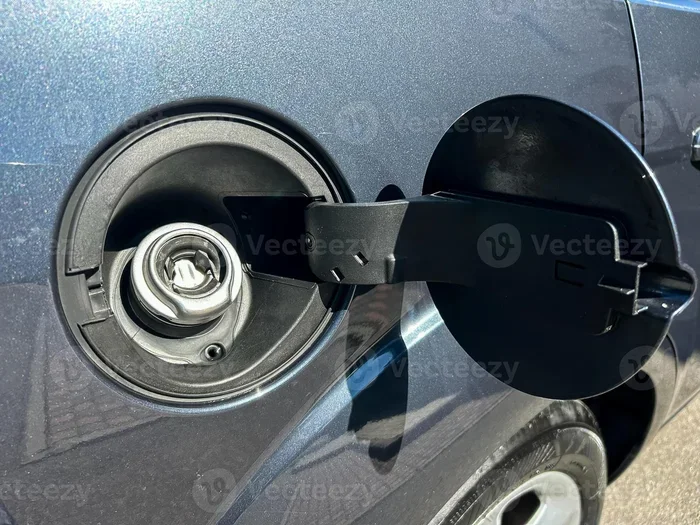
How Do You Open the Gas Cap on a Car Without Trouble
Opening your gas cap is easier than you think once you know where to look and what to do. Whether your car has a button, lever, or remote release, this guide walks you through every method so you never get stranded at the pump. We also cover troubleshooting tips for gas caps that are stuck, jammed, or hard to open.
Have you ever pulled up to a gas station, ready to fill up, and then realized you have no idea how to open the gas cap on your car? It happens more often than you might think. Whether you are driving a brand-new vehicle or a used car you just picked up, the gas cap release can be confusing at first.
The good news is that opening the gas cap is a simple process once you know what to look for. Every car manufacturer places the release mechanism in a slightly different spot. Some cars have a button on the dashboard. Others use a lever near the driver’s seat. And some vehicles even let you open the fuel door from the key fob.
In this guide, we will walk you through every common method for opening your gas cap. We will also cover what to do when the gas cap is stuck, how to replace a broken fuel cap, and tips to keep your fuel system working smoothly. By the end, you will feel confident opening your gas cap every single time.
Key Takeaways
- Know Your Release Type: Most cars use a dashboard button, center console lever, or trunk-mounted release to open the gas cap.
- Check the Owner Manual: It is the fastest way to find your specific vehicle’s gas cap release location.
- Stuck Gas Caps Are Common: Ice, rust, or a broken latch can cause your fuel door to jam, but simple fixes often work.
- Safety First: Always turn off the engine and avoid smoking before opening the gas cap.
- Replacement Is Affordable: A new gas cap costs between $10 and $30 and prevents fuel vapor leaks.
- Electronic Fuel Doors Are Growing: Many newer cars offer remote or button-operated fuel door releases for added convenience.
📑 Table of Contents
- Why Knowing How to Open the Gas Cap Matters
- Common Gas Cap Release Locations
- Step-by-Step: How to Open the Gas Cap on Any Car
- What to Do When the Gas Cap Will Not Open
- How to Replace a Gas Cap
- Gas Cap Warning Signs You Should Not Ignore
- Tips to Keep Your Gas Cap and Fuel Door Working Well
- Electric vs. Manual Fuel Doors: What to Know
- Fuel Cap Types and Compatibility
- Key Takeaways
- Conclusion
Why Knowing How to Open the Gas Cap Matters
The gas cap might seem like a small, unimportant part of your car. But it plays a big role in your vehicle’s fuel system. A proper gas cap seals the fuel tank and prevents harmful vapors from escaping. It also keeps dirt and moisture out of the fuel system.
When your gas cap is missing, broken, or not closing properly, it can trigger the check engine light. It can also reduce your fuel efficiency. In some states, a missing gas cap can even cause your car to fail an emissions test. That is why knowing how to open and close it correctly matters more than most people realize.
Beyond function, knowing your gas cap release saves time and frustration. Imagine standing at a busy gas station with other cars waiting behind you. If you cannot figure out how to open the fuel door, it holds everyone up. A quick look at this guide fixes that problem for good.
Common Gas Cap Release Locations
Every car maker hides the gas cap release in a different spot. Here are the most common locations you will find it in.
Dashboard Button
Many modern cars have a fuel door release button on the dashboard. It is usually located near the driver’s left knee or on the lower part of the dashboard. The button often has a small fuel pump icon on it. You can see this icon from the driver’s seat without getting up.
To use it, simply press the button while sitting in the driver’s seat. The fuel door will pop open or unlock. Then you can walk around to the side of the car and lift the fuel door by hand. Some cars require you to press and hold the button for a second or two.
Center Console or Steering Column Lever
Other vehicles use a lever or switch located near the center console, the steering column, or the driver’s seat. You might find it under the steering wheel, near the driver’s door, or on the side of the console.
These levers usually pull outward or push downward to release the fuel door. The trick is finding it. If you cannot spot it right away, sit in the driver’s seat and run your hand along the lower dashboard and the area near the steering column. You will likely feel a small lever or switch.
Trunk or Tailgate Release
Some cars, especially SUVs and trucks, place the gas cap release inside the trunk. You will find it on the trunk lid, the trunk wall, or near the spare tire area. It often looks like a small switch or a pull handle with a fuel icon.
This design is common in vehicles where the fuel door is on the rear side of the car. It keeps all the controls grouped together in one convenient area. Just pop the trunk, find the switch, and the fuel door unlocks.
Remote Key Fob Release
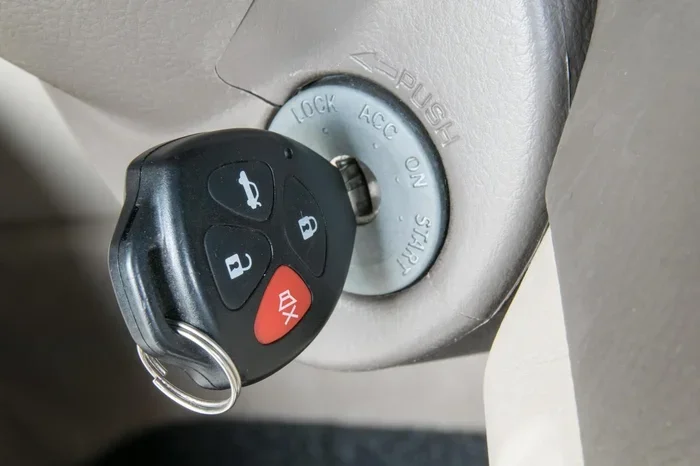
Many newer vehicles come with a remote fuel door release on the key fob. This is one of the most convenient options. You simply press and hold a specific button on the key fob, and the fuel door pops open.
The button layout varies by car brand. On some vehicles, you hold the unlock button for two seconds. On others, there is a dedicated fuel door button. Check your owner’s manual to learn which button does what on your specific model.
Manual Lift of the Fuel Door
A few older cars and some economy models do not have a release mechanism at all. In these cases, you simply walk around to the fuel door and lift it by hand. The door may have a slight spring assist or it may require a bit of pressure to pop open.
If your car works this way, you are already familiar with the process. Just pull the fuel door upward gently. If it feels stuck, do not force it. Check for ice or debris around the edges before trying again.
Step-by-Step: How to Open the Gas Cap on Any Car
Now that you know where the release might be, let us walk through the process step by step. These instructions work for most vehicles on the road today.
- Turn off the engine. Safety comes first. Always shut off the car before opening the gas cap. Running engines create sparks and heat that can be dangerous near fuel vapors.
- Find the release mechanism. Check the dashboard, center console, steering column, trunk, or key fob. Look for a fuel pump icon or the word “fuel” on the switch or lever.
- Press or pull the release. Activate the switch, press the button, or pull the lever. You may hear a clicking sound or feel the fuel door unlock.
- Walk to the fuel door. Go to the side of the car where the fuel door is located. Most cars have the fuel door on the rear quarter panel, either on the left or right side.
- Open the fuel door. Lift the door or press it gently to open it. Some doors swing outward, while others flip up.
- Unscrew the gas cap. Turn the cap counterclockwise. It should come off with light pressure. If it feels tight, that is normal. Do not use excessive force.
- Fill the tank. Insert the fuel nozzle and fill up. Choose the correct fuel grade for your vehicle.
- Replace the cap. Screw the gas cap back on clockwise until it clicks. This seals the fuel system properly.
- Close the fuel door. Push or close the fuel door until it clicks into place.
That is it. Nine simple steps that take less than a minute once you get the hang of them. The more you do it, the more natural it becomes.
What to Do When the Gas Cap Will Not Open
A stuck gas cap is one of the most common car problems people face. It can happen for several reasons. Here is what to check and how to fix it.
Check for Ice or Frost Buildup
In cold weather, ice can form around the fuel door latch or the gas cap threads. This makes the door or cap nearly impossible to open. If you suspect ice, do not use warm water directly on the area. Instead, use a de-icer spray or gently apply pressure with your hand. You can also wait for the car to warm up slightly before trying again.
Look for a Broken or Jammed Latch
The fuel door latch can break or become misaligned over time. If you press the release button and nothing happens, the latch may be stuck or damaged. Try pressing the release a few times to see if it eventually gives. If the latch is completely broken, you may need a mechanic to inspect it.
Use a Gas Cap Wrench
If the gas cap itself is stuck and will not twist off, a gas cap wrench can help. This simple tool provides extra grip and leverage. You can find one at most auto parts stores for just a few dollars. Wrap it around the cap and turn counterclockwise. This works especially well on older vehicles where the cap gets corroded over time.
Check for a Child Safety Lock
Some vehicles have a child safety lock on the fuel door. This feature prevents the fuel door from being opened from the outside. If your fuel door will not open from the outside, check for a small switch inside the car near the release mechanism. Flip it to unlock the fuel door.
When to See a Mechanic
If none of the above solutions work, it is time to visit a mechanic. The fuel door actuator, latch mechanism, or fuel tank seal could have a deeper issue. A professional can diagnose the problem safely and recommend the right fix. Do not try to pry open the fuel door with a tool, as this can damage the paint and surrounding bodywork.
How to Replace a Gas Cap
Over time, gas caps wear out. The rubber seal inside can crack, and the threads can become stripped. When that happens, your car may lose fuel vapor, trigger the check engine light, or fail an emissions test. Replacing a gas cap is quick and inexpensive.
First, check your owner’s manual for the correct gas cap size and type. Gas caps are not universal. Using the wrong size can prevent a proper seal. You can find replacement caps at auto parts stores, online retailers, or your car dealership.
To replace the cap, simply unscrew the old one and thread the new one on by hand. Turn it clockwise until it clicks. Do not overtighten. A snug fit is all you need. After installation, drive the car for a few minutes and watch the dashboard. If the check engine light goes off, the new cap is working correctly.
The average cost for a gas cap replacement ranges from $10 to $30. Some high-end or specialty vehicles may cost a bit more. But compared to the cost of a mechanic visit or the fuel wasted through a bad seal, this is a very affordable fix.
Gas Cap Warning Signs You Should Not Ignore
Your car gives you signals when something is wrong with the gas cap or fuel system. Learning to recognize these signs can save you time and money.
- Check Engine Light: A loose or damaged gas cap is one of the most common reasons for the check engine light. If it comes on shortly after fueling, try tightening the cap first.
- Fuel Smell Around the Car: If you smell fuel near the rear of the vehicle, the gas cap seal may be worn or the cap may not be closing properly.
- Reduced Fuel Economy: A bad gas cap can cause fuel vapors to escape, which reduces your miles per gallon over time.
- Failed Emissions Test: In states with emissions testing, a faulty gas cap can cause your vehicle to fail the inspection.
- Fuel Door Will Not Close: If the fuel door feels loose or does not latch, the latch mechanism or hinge may need replacement.
If you notice any of these signs, inspect your gas cap right away. A quick fix now can prevent bigger problems later.
Tips to Keep Your Gas Cap and Fuel Door Working Well
Prevention is always easier than repair. Here are some simple tips to keep your gas cap and fuel door in great shape.
- Always tighten the cap until it clicks. A loose cap lets vapors escape and can trigger warning lights.
- Clean the fuel door area regularly. Dirt and debris can build up around the latch and make it harder to open or close.
- Do not force the cap. If it feels stuck, stop and investigate. Forcing it can break the threads or damage the seal.
- Replace the cap every few years. Rubber seals degrade over time. A new cap every 3 to 5 years is a good practice.
- Keep a spare cap in your trunk. You never know when you might lose or damage yours on the road.
- Use the correct fuel grade. This keeps the engine and fuel system running efficiently and reduces stress on the gas cap seal.
These small habits add up over time. They keep your fuel system sealed, your engine running smoothly, and your car passing inspections with ease.
Electric vs. Manual Fuel Doors: What to Know
The automotive industry is moving toward more advanced fuel door systems. Electric fuel doors are becoming more common in newer vehicles. These doors open automatically when you press a button or use the key fob. There is no need to find a manual release lever or button.
Manual fuel doors are still found on many cars today. They rely on mechanical latches and simple release mechanisms. Both systems work well. Electric doors offer more convenience, especially in bad weather or when your hands are full. Manual doors are simpler and tend to have fewer electronic parts that can fail.
When buying a car, consider which type of fuel door system you prefer. If convenience is a priority, look for models with electric or remote fuel door releases. If you prefer simplicity and reliability, a manual system works just fine.
Fuel Cap Types and Compatibility
Not all gas caps are the same. Understanding the different types can help you choose the right replacement when needed.
Standard Screw-On Caps: These are the most common type. They twist on and off and use a rubber seal to create a tight closure. Most passenger vehicles use this type.
Pressure-Release Caps: Some vehicles use caps designed to release excess pressure from the fuel tank. These caps have a valve that opens when pressure builds up too high. They are common on older vehicles and some performance cars.
Slow-Drain Valves: These caps allow fuel vapors to flow back into the charcoal canister instead of escaping into the air. They are part of the vehicle’s evaporative emissions control system and are required on most cars sold in the United States today.
When buying a replacement, make sure the cap matches your vehicle’s make, model, and year. Using the wrong type can cause fuel system issues and warning lights.
Key Takeaways
- Know Your Release Type: Most cars use a dashboard button, center console lever, or trunk-mounted release to open the gas cap.
- Check the Owner Manual: It is the fastest way to find your specific vehicle’s gas cap release location.
- Stuck Gas Caps Are Common: Ice, rust, or a broken latch can cause your fuel door to jam, but simple fixes often work.
- Safety First: Always turn off the engine and avoid smoking before opening the gas cap.
- Replacement Is Affordable: A new gas cap costs between $10 and $30 and prevents fuel vapor leaks.
- Electronic Fuel Doors Are Growing: Many newer cars offer remote or button-operated fuel door releases for added convenience.
Conclusion
Opening the gas cap on your car does not have to be a mystery. Whether your vehicle uses a dashboard button, a center console lever, a trunk switch, or a key fob remote, the process is straightforward once you know where to look. We have covered every common release method, shared troubleshooting tips for stuck fuel doors, and explained how to replace a worn-out gas cap.
The most important thing to remember is to always tighten the cap until it clicks. This small habit protects your fuel system, improves your gas mileage, and keeps your car running smoothly. If you ever run into a gas cap that will not open, refer back to the troubleshooting tips in this guide before calling a mechanic.
Keep this article bookmarked or saved for later reference. The next time you pull up to a gas station, you will know exactly what to do. And if someone asks you how to open the gas cap on their car, you will have all the answers ready to share.
Frequently Asked Questions
Where is the gas cap release button located?
The location varies by car model. Most commonly, you will find it on the dashboard near the driver’s seat, on the center console, or on the steering column. Some vehicles place it inside the trunk. Check your owner’s manual for the exact location on your car.
Why won’t my gas cap open even after pressing the release button?
This can happen if the fuel door latch is frozen, jammed, or broken. Ice buildup in cold weather is a common cause. Try pressing the release a few times or using a de-icer. If the latch is damaged, a mechanic can inspect and repair it for you.
Can I drive without a gas cap?
You can drive a short distance without a gas cap, but it is not recommended. Driving without a cap allows fuel vapors to escape, reduces fuel efficiency, and can trigger the check engine light. It can also cause your car to fail an emissions test in many states.
How much does it cost to replace a gas cap?
A replacement gas cap typically costs between $10 and $30. The price depends on your vehicle’s make and model. High-end or specialty vehicles may cost a bit more. This is one of the cheapest and easiest car parts to replace on your own.
What does the gas cap warning light mean?
The gas cap warning light usually means your cap is loose, missing, or not sealing properly. It can also indicate a cracked seal or a faulty cap. Try tightening the cap first. If the light stays on, you may need to replace the gas cap entirely.
Are all gas caps the same size?
No, gas caps are not universal. Different car manufacturers use different sizes and thread types. Always check your owner’s manual or the part number before buying a replacement cap. Using the wrong size can prevent a proper seal and cause fuel system issues.