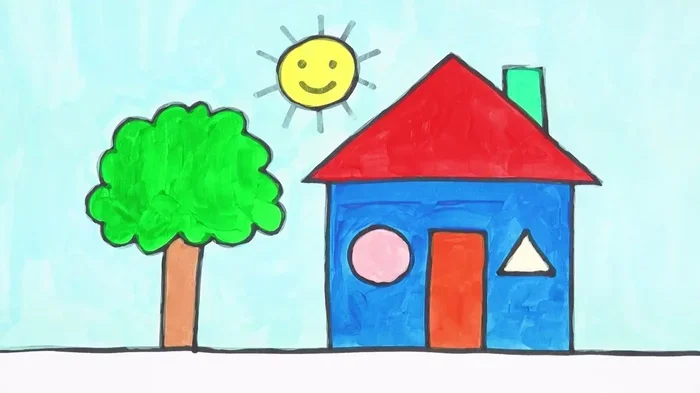
What Is the Easiest Drawing Ever for Kids and Beginners
What Is the Easiest Drawing Ever for kids and beginners? It is any simple sketch that uses basic shapes like circles, squares, and lines to create recognizable images. Whether your child wants to draw a car, an animal, or a cartoon character, the easiest drawings rely on easy-to-follow steps and minimal tools. This guide covers the best beginner-friendly drawing ideas, tips, and techniques to build confidence fast.
Have you ever looked at a blank piece of paper and thought, “I don’t know how to draw anything”? You are not alone. Millions of kids and adults feel the same way every single day. The good news is that what is the easiest drawing ever is simpler than you think. You do not need talent. You do not need expensive supplies. You just need a pencil and the willingness to try.
Drawing is one of the most rewarding skills you can learn. It boosts creativity, improves focus, and builds confidence. For kids, it develops fine motor skills and hand-eye coordination. For adults, it is a relaxing way to unwind after a long day. And the best part? easy drawings for kids and beginners can be started right now, today, with zero experience.
In this guide, we will explore the simplest drawing ideas, step-by-step techniques, and practical tips that make learning to draw fun and stress-free. We will also look at how automotive subjects like cars and trucks make some of the best beginner drawings because of their basic shapes and clear lines. Whether you are a parent looking for a fun activity or an adult wanting to pick up a new hobby, this article has everything you need.
Key Takeaways
- Start with basic shapes: Every easy drawing begins with simple circles, squares, and triangles that kids and beginners can master in minutes.
- Cars and vehicles are perfect first drawings: Automotive subjects like cars and trucks use straight lines and curves that are ideal for building foundational skills.
- Consistency beats perfection: Drawing a little every day builds skill faster than one long session ever could.
- Use the right tools: A basic pencil, eraser, and paper are all you need to start your drawing journey.
- Follow step-by-step tutorials: Breaking a drawing into small steps removes the overwhelm and makes learning fun.
- Mistakes are part of the process: Even professional artists started with simple sketches and learned from their errors.
📑 Table of Contents
Why Drawing Is the Perfect Beginner Activity
Drawing is different from many other hobbies. You do not need a team, a gym membership, or expensive gear. All you need is something to draw with and something to draw on. That makes it the most accessible creative activity in the world.
For children, drawing helps with brain development. It teaches them to observe the world closely. It improves their ability to focus on small details. And it gives them a way to express emotions they might not yet have words for. Studies show that kids who draw regularly perform better in problem-solving tasks and creative thinking exercises.
For adults, drawing is a form of meditation. It slows the mind. It reduces stress and anxiety. Many therapists recommend simple art for beginners as a mindfulness practice. You do not have to create a masterpiece. The act of putting pencil to paper is the reward itself.
What Makes a Drawing “Easy”?
Not all drawings are created equal. Some require advanced shading techniques, precise proportions, and years of practice. But the easiest things to draw share a few common traits:
- They use basic shapes: Circles, squares, rectangles, and triangles form the foundation of almost every simple drawing.
- They have clear outlines: Bold, simple lines are easier to follow than subtle shading or complex details.
- They are recognizable at a glance: A drawing does not need to be photorealistic. Even a rough sketch of a car or a cat is a success if you can tell what it is.
- They require minimal tools: A pencil, an eraser, and a sheet of paper are enough.
- They follow a logical sequence: The best beginner drawings are broken into small, manageable steps.
When you look for beginner drawing ideas, keep these traits in mind. If a drawing uses simple shapes and clear steps, it is a great place to start.
The Easiest Drawings for Kids and Beginners
Now let us get to the fun part. What should you actually draw first? Here are some of the easiest drawings ever that work perfectly for kids and absolute beginners.
Easy Car Drawing
A car is one of the best subjects for a first drawing. Why? Because a car is basically a rectangle with circles. That is it. The simplicity of an easy car drawing makes it perfect for children who are just learning to control a pencil.
Start with a rectangle for the body. Add two circles for the wheels. Draw a smaller rectangle on top for the cabin. Add lines for windows and doors. In just five or six steps, you have a recognizable car. Once you get comfortable, you can add details like a bumper, side mirror, or racing stripes.
Automotive drawing is a fantastic gateway into the world of sketching. Cars have a mix of straight lines and curved shapes, which helps beginners practice both types of strokes. If you want to explore this further, search for drawing tutorials for beginners focused on vehicles.
Simple Animals
Animals are another hugely popular choice for kids drawing activities. Cats, dogs, birds, and fish all use rounded shapes that are forgiving for new drawers. A simple cat can be made from a circle for the head, ovals for the body, and triangles for the ears. A fish is just a curved triangle with a circle for the eye.
The beauty of animal drawings is that they allow for creativity. You can make your cat as simple or as detailed as you want. There is no wrong way to do it.
Cartoon Faces and Emojis
Cartoon faces are incredibly easy and fun. A basic smiley face is just a circle with two dots for eyes and a curved line for a mouth. From there, you can experiment with different expressions. Happy, sad, surprised, silly — the possibilities are endless.
Many people start their drawing practice for kids with emoji-style faces. They are relatable, fun, and require almost no skill. Once a child can draw a basic face, they can move on to more complex characters with confidence.
Nature Scenes
Simple nature drawings like suns, clouds, trees, and flowers are excellent for building confidence. A sun is a circle with zigzag lines around it. A tree is a rectangle trunk with a cloud-shaped canopy on top. These drawings teach beginners how to combine basic shapes to create a scene.
Nature drawings also connect kids to the world around them. Drawing a flower from your garden or a bird from your backyard turns a simple art project into a learning experience about the natural world.
Doodle Art
Doodle art is one of the most freeing forms of simple sketch ideas. There are no rules. You can draw swirls, stars, hearts, arrows, or anything that comes to mind. Doodling is perfect for people who feel stuck or overwhelmed by a blank page.
Start with a simple pattern. Draw a row of small circles. Add lines or dots inside each one. Repeat with different shapes. Before you know it, you have created a full doodle page. Doodle art is a wonderful way to build muscle memory and get comfortable with your pencil.
Step-by-Step: How to Draw a Simple Car
Since we are in the automotive category, let us walk through a complete step by step drawing of a simple car. This example shows exactly how easy it can be when you break the process down.
- Draw the body: Start with a long rectangle. Keep the lines light and loose. This is just the foundation.
- Add the cabin: On top of the rectangle, draw a smaller, slightly tilted rectangle. This forms the roof and windshield area.
- Sketch the wheels: Draw two circles, one near the front and one near the back. Make them the same size for a balanced look.
- Add details: Draw a horizontal line across the middle of the body to separate the hood from the trunk. Add small rectangles for windows.
- Draw the headlights and bumper: Add a small circle or rectangle at the front and back for headlights and bumpers.
- Ink and erase: Go over the lines you want to keep with a darker pencil or pen. Erase the guidelines you no longer need.
- Color it in: Use crayons, colored pencils, or markers to bring your car to life.
That is it. Seven simple steps and you have drawn a car. This is exactly what drawing for absolute beginners should feel like — straightforward, fun, and satisfying.
Why Automotive Drawings Work So Well for Beginners
Cars and trucks are made up of shapes that everyone already knows. Rectangles, circles, ovals, and triangles. There are no organic curves or complex proportions to worry about. This predictability makes automotive subjects ideal for building early drawing skills.
Here is a quick comparison of why cars are better than many other subjects for first-time drawers:
| Subject | Basic Shapes Needed | Skill Level | Fun Factor for Kids |
|---|---|---|---|
| Car | Rectangle, circles, triangles | Very Easy | High |
| House | Square, triangle, rectangle | Very Easy | Medium |
| Dog | Circles, ovals, curves | Easy | High |
| Tree | Rectangle, cloud shape | Very Easy | Medium |
| Person | Circles, lines, rectangles | Easy | Medium |
| Airplane | Rectangle, curves, triangles | Very Easy | High |
As you can see, a simple easy car drawing sits right at the top of the beginner-friendly scale. It requires very few shapes and delivers a highly recognizable result, which keeps kids motivated and excited to draw more.
Tools You Need to Get Started
One of the biggest misconceptions about drawing is that you need fancy supplies. The truth is, the best tool for a beginner is whatever you already have. Here is a simple list of what you need to start:
- A standard pencil: A regular No. 2 pencil works perfectly. You do not need artist-grade graphite.
- An eraser: A soft, kneaded eraser is ideal because it lifts graphite without tearing the paper.
- A blank notebook or printer paper: Smooth paper is easier to draw on than textured paper.
- A ruler (optional): A ruler helps keep straight lines clean, but it is not required.
- Colored pencils or markers (optional): These add fun and make the finished drawing feel more polished.
That is all. Five items or fewer, and you are ready to start your fun art projects at home. Do not let the lack of fancy supplies stop you from picking up a pencil today.
Quick Tips for Better Beginner Drawings
Here are some practical tips that will immediately improve your drawings, no matter your skill level:
- Draw light first: Start with faint, loose lines. You can always darken them later. This makes it easy to erase mistakes.
- Use your whole arm: Do not just move your fingers. Let your arm and shoulder guide the pencil for smoother, more confident lines.
- Break things into shapes: Before drawing any object, look at it and identify the basic shapes inside it. A car is a rectangle with circles.
- Practice the same thing multiple times: Drawing the same car five times is more valuable than drawing five different things once each.
- Take breaks: If your hand gets tired or frustrated, stop. Come back in a few minutes with fresh eyes.
Expert Insight
Many professional artists agree that the single most important habit for beginners is consistency over perfection. Drawing for just 10 minutes a day builds skill faster than a two-hour session once a week. The goal is to make drawing a natural part of your daily routine, not a stressful task.
Common Mistakes Beginners Make (And How to Avoid Them)
Everyone makes mistakes when they start drawing. The key is to know what they are so you can avoid them. Here are the most common ones:
- Pressing too hard: This tires your hand and makes it difficult to erase mistakes. Keep your grip light and relaxed.
- Trying to draw perfectly the first time: No one draws perfectly on the first try. Use light sketch lines and refine as you go.
- Skipping the basic shapes: Jumping straight into details is the number one mistake beginners make. Always start with the foundation shapes.
- Comparing yourself to others: Your drawing journey is your own. Compare yourself only to who you were yesterday.
- Giving up too soon: The first few drawings might not look great. That is completely normal. Keep going and you will see progress.
Avoiding these mistakes will save you frustration and keep you motivated. Remember, every expert was once a beginner who refused to quit.
How to Build a Daily Drawing Habit
The best way to improve at drawing for absolute beginners is to practice a little bit every day. Here is a simple plan to get started:
- Set a timer for 10 minutes. That is all you need. Short sessions are more effective than long, infrequent ones.
- Pick one simple subject. A car, a face, a tree — anything from the list above.
- Follow a step-by-step guide. Use a tutorial or this article to walk you through the process.
- Review your drawing. Look at what you like and what you want to improve. No judgment, just observation.
- Repeat the next day. Draw the same subject again or try something new. The variety keeps things fresh.
Within just two weeks of this routine, you will notice a significant improvement in your confidence and skill. The key is to make drawing a habit, not an event.
Fun Drawing Challenges for Kids
If you want to make drawing even more exciting for children, try these fun challenges:
- Draw the same car five different ways: Make one cartoon, one realistic, one futuristic, one tiny, and one giant.
- Draw with your non-dominant hand: This is silly and surprisingly fun. It also builds neural connections in the brain.
- Draw a car using only circles and rectangles: This constraint forces creativity and simplifies the process.
- Draw a scene from your favorite cartoon: Choose a character or scene and try to recreate it in your own style.
These challenges turn drawing into a game, which is exactly how kids learn best. When drawing feels like play, children naturally want to do more of it.
Where to Find More Easy Drawing Ideas
If you are hooked on drawing and want more inspiration, there are many great resources available. YouTube is full of drawing tutorials for beginners that walk you through each step in real time. Websites dedicated to easy drawings for kids offer free printable guides and templates.
You can also find drawing books at your local library or bookstore. Look for titles that focus on beginner friendly drawings and use simple language with clear illustrations. Many of these books are specifically designed for children ages 5 and up, but adults enjoy them too.
The most important thing is to just start. Pick up a pencil. Choose a subject. Follow the steps. That is all it takes to begin your drawing journey. The easiest drawing ever is the one you actually start.
Conclusion
What Is the Easiest Drawing Ever? The answer is simple — it is any drawing that uses basic shapes, clear steps, and a willingness to try. Whether you are drawing a car, a cat, or a smiley face, the goal is the same: to have fun and build confidence with every stroke of the pencil.
Drawing is one of the most accessible and rewarding activities for people of all ages. Kids benefit from improved motor skills and creativity. Adults benefit from relaxation and self-expression. And everyone benefits from the joy of creating something with their own hands.
Start with the simplest subjects. Use the tips and techniques in this guide. Practice a little bit every day. In time, you will be amazed at how far you have come. The world of drawing is waiting for you. All you have to do is pick up a pencil and begin.
So grab your pencil, find something to draw, and start today. The easiest drawing ever is the one you make right now.
Frequently Asked Questions
What is the easiest thing to draw for a complete beginner?
A simple car, a smiley face, or a basic house are the easiest things to draw for complete beginners. These subjects use only basic shapes like rectangles, circles, and triangles, making them perfect for anyone picking up a pencil for the first time.
How can kids start drawing if they have never drawn before?
Kids can start by tracing simple shapes and following step-by-step tutorials. The key is to keep it fun and pressure-free. Drawing a car, an animal, or a cartoon face using basic shapes builds confidence quickly and encourages them to keep going.
Do I need special supplies to start drawing?
No, you do not need special supplies at all. A regular pencil, an eraser, and any piece of paper are enough to start. Colored pencils or markers are nice to have but are completely optional for beginners.
How long does it take to get better at drawing?
Most people notice improvement within two to three weeks of drawing for just 10 minutes a day. Consistency matters more than the length of each session. The more you practice, the faster your skills will develop.
Are cars good subjects for beginner drawings?
Yes, cars are excellent subjects for beginner drawings. They are made up of simple geometric shapes like rectangles and circles, which makes them easy to break down and sketch. An easy car drawing is one of the best first projects for kids and beginners alike.
What should I do if my drawing does not look right?
If your drawing does not look right, that is completely normal and okay. Every artist starts somewhere. Try tracing the basic shapes lightly first, then refine the details. Remember, the goal is to have fun and improve over time, not to be perfect on the first try.