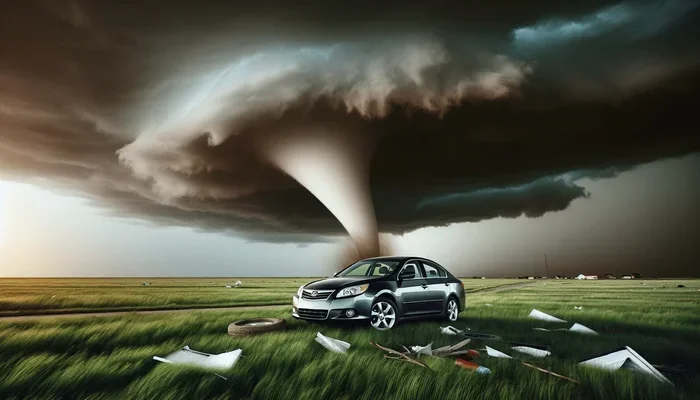
Can a Tornado Pick Up a Car and Hurl It Across Town
Can a tornado pick up a car and hurl it across town? The short answer is yes, and it happens more often than most people realize. Tornadoes generate wind speeds that can exceed 300 miles per hour, easily lifting vehicles off the ground. In this guide, you will learn the science behind tornado wind force, real-life stories of cars thrown by twisters, and practical steps to protect your vehicle. We also cover what happens to cars after a tornado, insurance claims, and driver safety tips. This article gives you everything you need to know about vehicle safety during severe weather events.
Have you ever watched a storm chaser video and wondered, can a tornado pick up a car and send it flying through the air? It sounds like something from a movie, but it is a real and terrifying reality. Tornadoes are among the most powerful natural forces on Earth, and they do not discriminate between buildings, trees, and vehicles.
Every year in the United States, thousands of cars suffer damage or are completely destroyed by tornadoes. Some vehicles are tossed just a few feet, while others travel miles across town. Understanding how tornadoes interact with vehicles is not just fascinating. It is also essential for your safety and for protecting your property.
In this article, we will explore the science behind tornado wind force, look at real-life cases of cars being thrown, and give you practical advice on how to protect your vehicle during severe weather. Whether you live in tornado alley or are just curious about tornado wind speeds and vehicle damage, this guide has you covered.
Key Takeaways
- Tornadoes can absolutely pick up cars: Wind speeds in violent tornadoes easily exceed the weight threshold needed to lift a vehicle off the ground.
- Cars can be thrown miles: Documented cases show vehicles traveling over a mile or more from their original location.
- The EF Scale determines destruction level: Higher-rated tornadoes on the Enhanced Fujita Scale pose a far greater threat to vehicles and structures.
- Parking strategy matters: Where you park your car during a storm warning can mean the difference between minor damage and total loss.
- Never try to outrun a tornado in a car: Vehicles are not safe shelters, and driving toward a tornado is extremely dangerous.
- Insurance coverage varies: Comprehensive auto insurance typically covers tornado damage, but understanding your policy is essential.
- Preparation saves lives and vehicles: Having a severe weather plan and emergency kit reduces risk significantly.
📑 Table of Contents
- The Science Behind Tornadoes and Wind Force
- Can a Tornado Actually Pick Up a Car?
- How Far Can a Tornado Hurl a Car?
- Protecting Your Vehicle During a Tornado
- What Happens to Cars After a Tornado
- Tornado Safety Tips for Drivers
- Common Myths About Tornadoes and Vehicles
- Key Takeaways for Vehicle Owners
The Science Behind Tornadoes and Wind Force
To understand whether a tornado can lift a car, we need to look at the raw power these storms produce. Tornadoes form from severe thunderstorms when warm, moist air collides with cool, dry air. This clash creates a rotating column of air that extends from the cloud to the ground.
How Tornadoes Generate Such Incredible Power
The wind inside a tornado is not like the breeze on a sunny day. These are violently rotating columns of air that can reach extraordinary speeds. The atmospheric pressure inside a tornado drops dramatically, which creates an upward force that can lift heavy objects.
Here is what makes tornado winds so dangerous for vehicles:
- Rotating wind columns: The spiral motion grabs objects from below and flings them upward with tremendous force.
- Low pressure zones: The drop in pressure inside a tornado creates a lifting effect, similar to how an airplane wing generates lift.
- Debris acceleration: Tornadoes pick up dirt, rocks, and other debris, turning them into high-speed projectiles that compound damage.
- Sustained wind duration: Unlike gusty winds, tornado winds can persist for minutes to over an hour, giving them time to lift and carry heavy objects.
A typical family sedan weighs around 3,000 to 4,000 pounds. You might think that is too heavy for any wind to move. But tornado winds do not just push from the side. They create a combination of lift, suction, and impact force that overwhelms the vehicle’s weight. This is why tornado wind force is so destructive to cars and trucks alike.
Understanding the EF Scale and Wind Speeds
The Enhanced Fujita Scale (EF Scale) classifies tornadoes based on the damage they cause. Each level corresponds to a range of estimated wind speeds. Here is a quick breakdown of what different tornado categories can do to vehicles:
| EF Rating | Wind Speed (mph) | Effect on Vehicles |
|---|---|---|
| EF0 | 65-85 | Minor damage. Can push light cars sideways. |
| EF1 | 86-110 | Moderate damage. Cars can be rolled or lifted slightly. |
| EF2 | 111-135 | Considerable damage. Cars can be thrown 50-100 feet. |
| EF3 | 136-165 | Severe damage. Cars lifted and thrown hundreds of feet. |
| EF4 | 166-200 | Extreme damage. Cars thrown over 100 yards. |
| EF5 | 200+ | Incredible damage. Cars airborne for miles. |
As you can see, even an EF1 tornado can cause serious problems for a vehicle. But it is the EF3 and above tornadoes that truly demonstrate the terrifying reality of cars thrown by tornadoes. An EF5 tornado, the most powerful category, can send a car so high into the air that it becomes almost invisible against the storm clouds.
Can a Tornado Actually Pick Up a Car?
The answer is a definitive yes. A tornado can pick up a car with relative ease once wind speeds exceed about 100 miles per hour. But the real question most people want answered is how and why this happens, and what it means for drivers and car owners.
Real-Life Stories of Cars in Tornadoes
There are countless documented cases of vehicles being picked up and moved by tornadoes. One of the most famous incidents occurred during the 2011 Joplin tornado in Missouri, an EF5 storm with winds exceeding 200 miles per hour. In that disaster, cars were found blocks away from where they started, some crushed beyond recognition and others tossed into buildings.
Another striking case happened during the 2013 Moore tornado in Oklahoma. Storm chasers captured footage of cars being lifted off the road and carried through the air. These were not just small compact cars. Full-sized SUVs and pickup trucks were thrown as if they weighed nothing.
These real-life examples prove that when a tornado hits, your vehicle is extremely vulnerable. The flying debris alone can shatter windows and dent metal panels, but the actual lifting and throwing of the vehicle causes the most catastrophic damage.
What Wind Speed Is Needed to Lift a Car?
You might wonder exactly how much wind it takes to lift a car. The answer depends on several factors, including the vehicle’s weight, shape, and the angle of the wind. However, most experts agree that sustained winds of around 100 to 110 miles per hour can begin to move a standard passenger car.
Here is a simple way to think about it:
- Below 70 mph: A car can be pushed but will stay on the ground.
- 70-100 mph: A car may slide, skid, or be nudged sideways.
- 100-150 mph: A car can be lifted off the ground and rolled.
- 150+ mph: A car becomes airborne and can travel great distances.
The key thing to remember is that tornadoes do not just push cars horizontally. They create a vertical lifting force that is far more powerful than a simple push. This is why even relatively lightweight vehicles can be picked up and thrown by a strong tornado. The concept of vehicle aerodynamics in storms is fascinating and terrifying at the same time.
How Far Can a Tornado Hurl a Car?
This is one of the most common questions people ask, and the answer might surprise you. A tornado can hurl a car anywhere from a few feet to several miles. The distance depends on the tornado’s intensity, the car’s weight, and the terrain it travels over.
Documented Cases of Cars Thrown Across Towns
Some of the most dramatic cases of cars thrown across towns come from major tornado outbreaks. During the April 2011 tornado outbreak, which produced multiple EF4 and EF5 tornadoes across the southeastern United States, vehicles were found miles from their starting points.
In one documented case, a pickup truck was discovered nearly half a mile from where it had been parked. The vehicle was wrapped around a tree, barely recognizable as a truck. In another instance, a family sedan was found on the roof of a house three-quarters of a mile from its original location.
These stories are not just statistics. They are powerful reminders of the raw destructive force that tornadoes unleash. If you live in an area prone to severe weather, understanding the potential for tornado vehicle damage is crucial for both safety and financial planning.
Factors That Determine How Far a Car Travels
Not every car in a tornado travels the same distance. Several factors influence how far a vehicle gets thrown:
- Tornado intensity: An EF5 tornado will throw a car much farther than an EF1 tornado.
- Vehicle weight: Heavier trucks and SUVs may travel shorter distances than lighter sedans.
- Vehicle shape: Aerodynamic cars can catch the wind and travel farther, similar to a leaf blowing in the breeze.
- Wind direction: Updraft winds carry vehicles upward first, then the horizontal wind carries them forward.
- Obstacles in the path: Trees, buildings, and other structures can slow a car down or change its trajectory.
- Ground surface: A car thrown over open fields may travel farther than one thrown over rough terrain or water.
The bottom line is that there is no safe distance from a tornado when it comes to vehicles. Even a short throw can turn a car into a dangerous wreck. This is why disaster preparedness and having a plan for your vehicle are so important.
Protecting Your Vehicle During a Tornado
Knowing that a tornado can pick up and destroy your car raises an obvious question: what can you do to protect it? While you cannot prevent a tornado, you can take steps to reduce the risk to your vehicle.
Where to Park When Storms Approach
Your parking location is one of the most important factors in vehicle safety during a tornado. Here are some guidelines to follow:
- Garage: Parking inside a garage is the best option. A sturdy garage can shield your car from wind and flying debris.
- Interior parking garage: If you live in an apartment or work in a building with underground parking, use it during storm warnings.
- Away from trees: Park away from trees and power lines. A falling tree can crush a car even without a tornado.
- Low-lying areas: If you are caught outside, parking in a low-lying area away from the road can reduce exposure to wind.
- Avoid open parking lots: Cars parked in open lots with no overhead protection are extremely vulnerable to tornado damage.
The goal is to create as many barriers between your car and the tornado as possible. Even a carport or a covered parking structure offers better protection than being fully exposed.
Garage and Shelter Options for Vehicle Protection
If you live in tornado alley or a region with frequent severe weather, investing in a dedicated vehicle shelter is worth considering. Here are some options:
- Attached garage: The most common and affordable option. Make sure the garage door is reinforced to withstand high winds.
- Detached garage: A sturdy detached garage can protect your car, but make sure it is anchored to the foundation.
- Community storm shelters: Some neighborhoods and mobile home parks have shared shelters where you can store vehicles.
- Underground bunkers: For the ultimate protection, some homeowners build underground shelters that can house vehicles.
Keep in mind that protecting your vehicle is secondary to protecting yourself and your family. Always prioritize personal safety over property. If a tornado warning is issued, get yourself and your loved ones to a safe shelter first.
What Happens to Cars After a Tornado
Once a tornado passes, the aftermath can be overwhelming. Cars that survived the storm may have hidden damage that is not immediately visible. Understanding what happens to vehicles after a tornado helps you make informed decisions about repairs, insurance, and safety.
Damage Assessment and Insurance Claims
After a tornado, inspect your vehicle carefully. Look for the following types of damage:
- Structural damage: Frame bends, suspension damage, and misaligned wheels are common after a tornado.
- Glass damage: Shattered windows and windshields from flying debris are extremely frequent.
- Engine and interior damage: Water intrusion from heavy rain can ruin the interior and electrical systems.
- Body damage: Dents, scratches, and paint damage from debris impact are almost guaranteed.
Contact your auto insurance company as soon as possible. Most comprehensive auto insurance policies cover tornado damage, including wind damage and flying debris. However, liability-only policies do not cover storm damage. This is why having comprehensive coverage is so important for vehicle owners in tornado-prone areas.
Salvage and Total Loss Situations
In many cases, tornado damage is so severe that a car is declared a total loss. Insurance companies consider a vehicle a total loss when the cost of repairs exceeds the vehicle’s actual cash value. A car that has been picked up, thrown, and landed may have damage that is simply not worth repairing.
If your car is totaled, the insurance company will pay you the vehicle’s market value minus your deductible. This amount may not be enough to buy a replacement vehicle, especially if you still owe money on a car loan. Gap insurance can help cover the difference between what your car is worth and what you owe.
For those interested in buying damaged vehicles at auction, tornado salvage cars are often available at steep discounts. However, purchasing a salvage-title vehicle comes with risks and should be done carefully.
Tornado Safety Tips for Drivers
Driving during a tornado is one of the most dangerous situations a person can face. Understanding what to do when you encounter a tornado while driving can save your life.
If You Are Driving When a Tornado Hits
If you see a tornado while driving, follow these steps:
- Do not try to outrun the tornado. Tornadoes can travel at speeds of up to 70 miles per hour, and your car cannot outpace one.
- Abandon the vehicle if safe to do so. Get out of the car and find a sturdy building or a low-lying area.
- Lie flat in a ditch or low area. If no building is available, lie flat in a ditch and cover your head with your hands.
- Stay away from overpasses. Many people mistakenly seek shelter under highway overpasses, but this is extremely dangerous. Wind speeds actually increase under overpasses.
- Keep your seatbelt on if you cannot exit the vehicle. If you are trapped in the car, stay buckled in and cover your head with a blanket or coat.
The bottom line is that a vehicle is not a safe place during a tornado. Cars can be picked up, rolled, and thrown. Always seek proper shelter when a tornado warning is issued.
Emergency Kit Essentials for Your Vehicle
Keeping an emergency kit in your car is a smart practice year-round, but it is especially important during tornado season. Here is what your car emergency kit should include:
- First aid supplies: Bandages, antiseptic, pain relievers, and any personal medications.
- Flashlight and extra batteries: Power outages are common after tornadoes.
- Water and non-perishable snacks: Keep at least a day’s supply in your car.
- Blanket or sleeping bag: Nights after a tornado can be cold, especially if your home or car is damaged.
- Portable phone charger: A dead phone means no way to call for help.
- Important documents: Keep copies of your insurance policy, ID, and emergency contacts in a waterproof bag.
- Sturdy shoes: Debris on the ground after a tornado can cause serious foot injuries.
Review your emergency kit every few months and replace expired items. A well-stocked kit gives you peace of mind and practical help when you need it most.
Common Myths About Tornadoes and Vehicles
There are several myths that circulate about tornadoes and cars. Let us debunk a few of the most common ones:
Myth 1: A heavy truck can survive a tornado. Even large pickup trucks and SUVs can be picked up and thrown by violent tornadoes. No vehicle is tornado-proof.
Myth 2: You should seek shelter under an overpass. This is one of the most dangerous myths. Wind speeds increase under overpasses, and you are more exposed to flying debris.
Myth 3: A car is a good shelter during a tornado. As we have discussed, vehicles are extremely vulnerable in tornadoes. Always seek a sturdy building instead.
Myth 4: Tornadoes only hit open areas and avoid cities. Tornadoes can and do hit urban areas. Cars in city parking lots are just as at risk as those in rural areas.
Myth 5: If a tornado is far away, your car is safe. Tornadoes can change direction quickly, and wind gusts can extend far from the main funnel. Do not assume your car is safe just because the tornado seems distant.
Key Takeaways for Vehicle Owners
Protecting your car from tornado damage starts with awareness and preparation. Here is a quick recap of the most important points:
- Always park your vehicle in a garage or sheltered area when a storm warning is issued.
- Never try to outrun a tornado in your vehicle. It is extremely dangerous and rarely successful.
- Comprehensive auto insurance is essential for covering tornado-related vehicle damage.
- Keep a well-stocked emergency kit in your car at all times, especially during tornado season.
- Understand that no vehicle is safe during a tornado. Seek proper shelter for yourself and your family first.
- After a tornado, document all damage with photos and contact your insurance company promptly.
- Stay informed about weather conditions by monitoring local forecasts and tornado warnings.
The power of a tornado is something we cannot control or fully predict. But we can control how prepared we are. By understanding the risks, taking preventive steps, and knowing what to do in an emergency, you can protect both yourself and your vehicle from the devastating effects of these powerful storms.
Whether you have a brand new SUV or a reliable old sedan, the question remains the same: can a tornado pick up a car? The answer is yes, and it can happen in seconds. The best thing you can do is stay informed, stay prepared, and never underestimate the power of nature.
Take the time today to review your insurance coverage, update your emergency kit, and make a family tornado plan. These simple steps could save your life and save you thousands of dollars in vehicle damage. Severe weather does not wait for anyone, but with the right knowledge and preparation, you can face it with confidence.
Stay safe, stay informed, and remember that your vehicle, no matter how valuable, is replaceable. Your life and the lives of your loved ones are not. Always prioritize safety above all else when severe weather threatens.
Frequently Asked Questions
What wind speed does it take for a tornado to pick up a car?
Most experts estimate that sustained winds of around 100 to 110 miles per hour can begin to lift a standard passenger car off the ground. However, the actual wind speed needed depends on the vehicle’s weight, shape, and the tornado’s lifting force. Violent tornadoes rated EF3 or higher can easily pick up cars with their powerful updrafts and rotating winds.
Has a tornado ever thrown a car over a mile?
Yes, there are documented cases of cars being thrown over a mile by violent tornadoes. The most extreme cases involve EF4 and EF5 tornadoes with winds exceeding 200 miles per hour. These storms can carry vehicles incredible distances, often leaving them unrecognizable or completely destroyed upon landing.
Is it safe to shelter in your car during a tornado?
No, it is not safe to shelter in your car during a tornado. Vehicles are extremely vulnerable to tornado winds and can be picked up, rolled, or thrown. Always seek shelter in a sturdy building or a designated storm shelter. If no shelter is available, lie flat in a low-lying area and cover your head.
Does auto insurance cover tornado damage to vehicles?
Comprehensive auto insurance typically covers tornado damage, including wind damage and flying debris. However, liability-only policies do not cover storm-related damage. If you live in a tornado-prone area, comprehensive coverage is highly recommended to protect your vehicle from severe weather events.
What is the most common type of tornado damage to cars?
The most common types of tornado damage to cars include flying debris impact, water damage from heavy rain, structural damage from being thrown or rolled, and glass breakage from wind-borne objects. Even a minor tornado can cause significant body damage and interior flooding to a vehicle.
How can I protect my car from tornado damage?
The best ways to protect your car from tornado damage include parking in a garage or covered structure during storm warnings, avoiding open parking lots, keeping comprehensive auto insurance, and having a severe weather plan. Never park under trees or power lines, and always monitor local weather alerts during tornado season.
=== CONCLUSION ===
The power of a tornado to pick up a car and hurl it across town is not a myth. It is a documented and scientifically understood phenomenon. From the Enhanced Fujita Scale to real-life stories of vehicles being thrown for miles, the evidence is clear. Tornadoes are among the most destructive forces on Earth, and vehicles are among the most vulnerable objects in their path.
Understanding tornado wind force and how it affects vehicles empowers you to make better decisions about parking, insurance, and emergency planning. Whether you live in tornado alley or a region that rarely sees severe storms, being prepared is always a smart move. Keep your car protected, your insurance updated, and your emergency kit ready.
Remember, no car is worth risking your life for. When a tornado warning is issued, get yourself and your family to safety first. Your vehicle can be replaced, but your life cannot. Stay prepared, stay informed, and stay safe.