How to Choose the Best Car Air Conditioner Refrigerant
Choosing the right car air conditioner refrigerant keeps your cabin cool and your system running smoothly. Whether you drive a classic car or a modern vehicle, picking the correct refrigerant type matters for performance and safety. This guide covers R-134a, R-1234yf, and everything in between so you can make a confident choice. We will walk you through signs of low refrigerant, how to recharge, and common mistakes to avoid. By the end, you will know exactly which refrigerant works best for your car.
There is nothing worse than climbing into a hot car on a summer day and turning on the air conditioning only to feel warm air blowing back at you. Your car air conditioner refrigerant is the lifeblood of the entire cooling system, and when it runs low or gets contaminated, your comfort goes right out the window. Understanding how refrigerant works and which type your vehicle needs can save you time, money, and a whole lot of frustration.
This guide breaks down everything you need to know about car AC refrigerant in simple, straightforward terms. We will cover the different types available, how to spot low refrigerant, and the step-by-step process of choosing and recharging the right one. Whether you are a DIY enthusiast or just someone who wants to understand their car better, this article has you covered.
The right refrigerant type makes a huge difference in how well your AC performs. Using the wrong one can lead to poor cooling, compressor damage, and even environmental harm. Let us dive in and make sure you never have to suffer through another scorching drive.
Key Takeaways
- R-134a is the most common refrigerant: Most older and many newer cars use this type, and it is widely available at auto parts stores.
- R-1234yf is the newer standard: Modern vehicles from 2021 onward often require this eco-friendly refrigerant with a lower global warming potential.
- Never mix refrigerant types: Using the wrong refrigerant can damage your AC compressor and void your warranty.
- Watch for warning signs: Warm air, strange noises, and visible leaks all point to low refrigerant levels that need attention.
- Recharging is doable at home: With the right tools and a little care, you can recharge your car AC refrigerant yourself and save money.
- Professional service helps too: For complex leaks or system failures, a certified mechanic can diagnose and fix the problem properly.
- Regular maintenance matters: Routine AC checks extend the life of your system and keep cooling performance strong all year long.
📑 Table of Contents
- What Is Car Air Conditioner Refrigerant and How It Works
- Types of Car AC Refrigerants: R-134a vs R-1234yf
- How to Know When Your Car Needs a Refrigerant Recharge
- Step-by-Step Guide to Choosing the Right Refrigerant
- Common Mistakes to Avoid When Recharging Your AC
- Expert Tips for Keeping Your Car AC Running Cool
- Conclusion
What Is Car Air Conditioner Refrigerant and How It Works
Car air conditioner refrigerant is a special chemical compound that cycles through your vehicle’s AC system to absorb heat from the cabin and release it outside. Think of it as the medium that makes the magic happen. Without refrigerant, your air conditioning compressor has nothing to pressurize and circulate, and the entire cooling process comes to a halt.
The refrigerant flows through several key components in a continuous loop. It starts at the compressor, where it gets pressurized and heated. Then it moves to the condenser, where it releases heat to the outside air. Next, it passes through an expansion valve or orifice tube, which drops its pressure and temperature. Finally, it reaches the evaporator core inside your dashboard, where it absorbs heat from the cabin air. This cycle repeats over and over while you drive.
The Role of Refrigerant Pressure
Proper refrigerant pressure is essential for efficient cooling. When the system has the correct amount of refrigerant, the pressure readings stay within the manufacturer’s recommended range. If the pressure drops too low, the AC compressor struggles to cool the cabin. If the pressure gets too high, it can strain the compressor and lead to costly repairs.
Most automotive AC systems use a pressure gauge set to check both the high-side and low-side readings. These gauges help technicians determine whether the system needs a recharge, has a leak, or has a mechanical problem. Understanding these basics helps you make smarter decisions about your car cooling system.
Types of Car AC Refrigerants: R-134a vs R-1234yf
Not all refrigerants are the same, and using the wrong one can cause serious problems. The two main types of car air conditioner refrigerant you will encounter are R-134a and R-1234yf. Each has its own properties, applications, and environmental considerations.
R-134a Refrigerant
R-134a has been the standard refrigerant type for most vehicles since the mid-1990s. It replaced the older R-12 refrigerant, which was phased out due to its harmful effects on the ozone layer. R-134a offers reliable cooling performance and is compatible with the vast majority of cars, trucks, and SUVs on the road today.
This refrigerant is widely available at auto parts stores, gas stations, and online retailers. A can of R-134a refrigerant typically costs between $15 and $50, making it an affordable option for most drivers. It also has a well-established track record, so mechanics and DIYers alike are very familiar with how it works.
However, R-134a has a relatively high global warming potential (GWP) compared to newer alternatives. This has led to regulatory changes in many countries, pushing the automotive industry toward more environmentally friendly options.
R-1234yf Refrigerant
R-1234yf is the newer generation of car AC refrigerant designed to address environmental concerns. It has a significantly lower GWP than R-134a, which means it contributes less to global warming if it leaks into the atmosphere. Many automakers have started adopting R-1234yf as the standard refrigerant for new vehicles.
If you drive a model year 2021 or newer vehicle, there is a good chance it requires R-1234yf. European manufacturers were among the first to adopt this refrigerant, but it is now becoming standard across the industry, including in North American and Asian markets.
The main downside of R-1234yf is the cost. It is more expensive than R-134a, both in terms of the refrigerant itself and the specialized equipment needed to handle it. A can of R-1234yf refrigerant can cost anywhere from $30 to $80 or more per can. The AC service equipment required is also more sophisticated, which is why many independent shops are still catching up.
Comparison Table: R-134a vs R-1234yf
| Feature | R-134a | R-1234yf |
|---|---|---|
| Global Warming Potential | High | Low |
| Availability | Widely available | Growing availability |
| Cost per Can | $15 – $50 | $30 – $80+ |
| Compatible Vehicles | Most pre-2021 models | Most 2021+ models |
| Cooling Performance | Excellent | Excellent |
| Environmental Impact | Moderate to high | Low |
| Equipment Required | Standard AC gauges | Specialized equipment |
How to Know When Your Car Needs a Refrigerant Recharge
Your vehicle gives you clear signs when the car air conditioner refrigerant level is running low. Catching these symptoms early can prevent further damage to your AC system and save you from expensive repairs down the road.
Warm Air From the Vents
The most obvious sign is warm or lukewarm air coming from the vents even when the AC is set to maximum cold. When refrigerant levels drop, the system cannot absorb enough heat from the cabin air. This results in weak or no cooling at all.
Visible Leaks Around AC Components
Sometimes you can actually see refrigerant leak evidence. Look for oily residue around the AC lines, compressor, or condenser. This oily substance is the refrigerant oil that escapes along with the gas when a seal or hose fails. Even a small leak will gradually reduce your system’s performance.
Strange Noises From the AC System
A low refrigerant level can cause the AC compressor to make unusual sounds. You might hear clicking, buzzing, or squealing noises when you turn on the air conditioning. These sounds often indicate the compressor is struggling to operate with insufficient refrigerant pressure.
Intermittent Cooling
If your AC blows cold air for a while and then gets warm, this could signal fluctuating refrigerant levels. The system might work temporarily as the remaining refrigerant cycles through, but it cannot sustain proper cooling over time. This pattern is a strong indicator that a car AC recharge is needed.
Step-by-Step Guide to Choosing the Right Refrigerant
Picking the correct refrigerant type for your vehicle is not complicated, but it does require a little research. Follow these steps to make sure you get it right every time.
Step 1: Check Your Owner’s Manual
Your vehicle’s owner manual is the best place to start. Look for the section on air conditioning or climate control. The manual will specify the exact refrigerant type recommended for your car. This information is also often printed on a sticker under the hood, near the AC compressor or radiator support.
Step 2: Identify Your Vehicle Model Year
The model year of your car plays a big role in determining which refrigerant to use. Vehicles manufactured before 1994 typically used R-12 refrigerant, which is no longer produced for new cars. Most vehicles from 1994 to 2020 use R-134a. Vehicles from 2021 onward increasingly use R-1234yf.
If you are unsure, you can also check online databases or ask a local auto parts store. They can look up your vehicle by year, make, and model and tell you exactly which refrigerant type fits.
Step 3: Inspect the Existing System
Before adding any new refrigerant, take a moment to inspect the system. Look for damaged hoses, loose fittings, or corroded connections. If you see signs of a refrigerant leak, simply recharging the system will not solve the problem. You need to repair the leak first, or the new refrigerant will escape again.
Using a refrigerant gauge set can help you check the current pressure levels. Low pressure readings confirm that the system is indeed low on refrigerant. High or irregular readings might indicate a different problem entirely.
Step 4: Purchase the Correct Refrigerant
Once you know which type your vehicle needs, buy the right product from a reputable supplier. Look for brands that include a sealant or leak-stop additive if you suspect a minor leak. Always check the expiration date on the can, as old refrigerant may not perform as well.
For R-134a, popular brands include Interdynamics, EZ Chill, and AC Pro. For R-1234yf, brands like Sonnax and Four Seasons offer quality options. Make sure the can comes with the appropriate adapter hose for your vehicle’s service port.
Step 5: Recharge Carefully
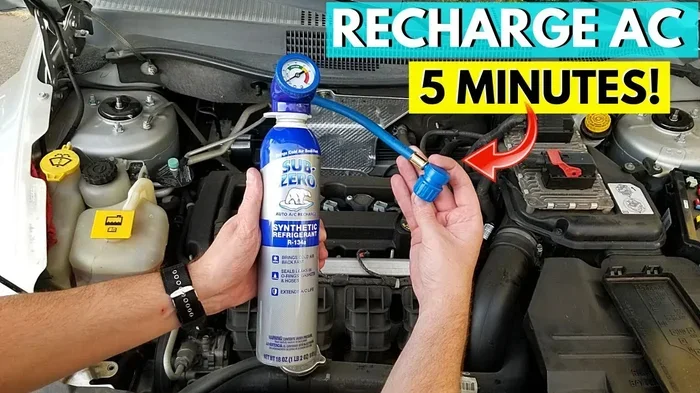
If you are doing the recharge yourself, follow the instructions on the can carefully. Attach the gauge and hose to the low-side service port, which is usually the larger of the two ports under the hood. Start the engine, turn the AC to maximum cold, and slowly add refrigerant while monitoring the pressure gauge.
Do not overfill the system. Adding too much refrigerant can cause high pressure and damage the AC compressor. Stop adding refrigerant once the pressure reaches the recommended range for your vehicle.
Common Mistakes to Avoid When Recharging Your AC
Even with good intentions, many people make avoidable mistakes when dealing with car air conditioner refrigerant. Knowing what to watch out for can save you time, money, and potential damage to your vehicle.
Mixing Refrigerant Types
One of the biggest mistakes is adding R-134a to a system designed for R-1234yf, or vice versa. These refrigerants are not interchangeable. Mixing them can cause chemical reactions that damage internal components, reduce cooling performance, and potentially harm the environment. Always verify the type before you add anything.
Overcharging the System
More refrigerant is not better. Overcharging the system creates excessive pressure, which forces the AC compressor to work harder than it should. This leads to premature wear, reduced fuel efficiency, and in severe cases, compressor failure. Always follow the manufacturer’s recommended charge level.
Ignoring Leaks
If your refrigerant keeps running low, there is a leak somewhere in the system. Simply recharging without finding and fixing the leak is a temporary fix at best. The refrigerant will escape again, and you will be back where you started. Use a UV dye or electronic leak detector to find the source of the refrigerant leak before recharging.
Skipping the Compressor Oil
Some car AC recharge kits include refrigerant with added oil, but not all of them do. The AC compressor relies on refrigerant oil to lubricate its internal moving parts. If your system is low on oil, adding refrigerant alone may not be enough. Check whether your compressor needs additional oil before recharging.
Expert Tips for Keeping Your Car AC Running Cool
Maintaining your automotive AC system does not have to be complicated. A few simple habits can keep your car cooling system in top shape and extend the life of your compressor and other components.
Run Your AC Regularly
Even in the winter months, turn on your AC for a few minutes every week or two. This keeps the compressor seals lubricated and prevents them from drying out and cracking. Dry seals are one of the leading causes of refrigerant leaks.
Replace Your Cabin Air Filter
A clogged cabin air filter restricts airflow through the evaporator core, making your AC work harder. Replace the filter according to your vehicle’s maintenance schedule, or more often if you drive in dusty or polluted conditions. Good airflow means better cooling performance and less strain on the system.
Have Your AC System Inspected Annually
A professional AC service once a year can catch small problems before they become big ones. A technician can check refrigerant levels, inspect for leaks, test the compressor clutch, and clean the condenser fins. This simple routine keeps your car air conditioner refrigerant system running efficiently for years.
Park in the Shade When Possible
Parking in direct sunlight heats up your cabin dramatically, which means your AC has to work much harder to cool things down. Using a windshield sunshade can reduce the interior temperature significantly and take the load off your cooling system. Less strain means less wear on the compressor and other components.
Use the Recirculation Mode
When cooling your car quickly, switch to recirculation mode. This recycles the already-cooled air inside the cabin instead of pulling in hot outside air. Once the cabin is cool, you can switch back to fresh air mode for better air quality. Using recirculation wisely helps your AC reach the desired temperature faster and more efficiently.
Conclusion
Choosing the right car air conditioner refrigerant is one of the simplest things you can do to keep your vehicle comfortable and your AC system healthy. Whether your car uses R-134a or R-1234yf, the key is to match the refrigerant type exactly to your vehicle’s specifications. Never mix types, always check for leaks before recharging, and follow the manufacturer’s guidelines for proper charge levels.
With the right refrigerant type, a basic understanding of your car cooling system, and a little regular maintenance, you can enjoy cold, refreshing air all year long. Take the time to learn your system, invest in quality products, and do not hesitate to call a professional when the job needs expert hands. Your automotive AC will thank you with years of reliable performance.
Frequently Asked Questions
Can I use R-134a in a car that requires R-1234yf?
No, you should never mix refrigerant types. R-134a and R-1234yf have different chemical properties and operating pressures. Using the wrong type can damage your AC compressor and other components. Always check your owner’s manual or the label under the hood to confirm the correct refrigerant for your vehicle.
How much does it cost to recharge car AC refrigerant?
A DIY recharge kit for R-134a typically costs between $15 and $50. For R-1234yf, expect to pay $30 to $80 per can. If you visit a professional shop, the total cost including labor usually ranges from $100 to $250, depending on the refrigerant type and whether any leaks need to be repaired first.
How often should I recharge my car air conditioner refrigerant?
A properly sealed AC system should not need regular recharging. If you find yourself needing to recharge more than once every year or two, there is likely a leak that needs to be fixed. Routine inspections and prompt leak repairs are the best way to maintain proper refrigerant levels over time.
Is it safe to recharge my car AC refrigerant myself?
Yes, recharging your car AC is generally safe if you follow the instructions carefully and use the correct refrigerant type. Always work in a well-ventilated area, wear safety glasses, and avoid opening the system or releasing refrigerant into the atmosphere. If you are unsure about any step, consult a professional mechanic for guidance.
What causes car AC refrigerant to leak?
The most common causes of a refrigerant leak include worn seals, damaged hoses, corroded connections, and failing AC compressor shaft seals. Over time, rubber components can dry out and crack, creating small openings where refrigerant can escape. Road debris and vibration can also damage AC lines and the condenser, leading to leaks.
Can low refrigerant damage my AC compressor?
Yes, running the AC with low refrigerant can cause serious damage. The compressor relies on the refrigerant for both cooling and lubrication. When refrigerant levels drop too low, the compressor overheats and the internal components wear out faster. This can lead to expensive compressor replacement if the problem is not addressed promptly.