At What Point Does a Hybrid Switch to Gas and When
Understanding at what point a hybrid switches to gas helps you drive smarter and save more at the pump. A hybrid vehicle uses both an electric motor and a gas engine, and the switch happens based on speed, battery level, and driving conditions. This guide breaks down the exact triggers, system types, and practical tips so you can get the best fuel economy from your hybrid car.
Have you ever wondered when exactly your hybrid car flips the switch from electric to gas? It is a question that confuses a lot of drivers, especially those new to hybrid technology. The truth is, the transition is not as complicated as it sounds. Once you understand the basics, everything clicks into place.
A hybrid vehicle combines two power sources — an electric motor and a gas engine — to deliver the best of both worlds. The electric motor handles low-speed driving and light loads, while the gas engine takes over when more power is needed. But the exact moment of the switch depends on several factors. In this article, we will explore at what point a hybrid switches to gas and why it matters for your fuel economy.
Whether you drive a Toyota Prius, a Ford Escape Hybrid, or any other hybrid model, this guide will help you understand your car better. You will learn about the different hybrid systems, the triggers that cause the switch, and practical tips to get the most out of every tank of fuel. Let us dive in.
Key Takeaways
- Switching Triggers: A hybrid switches to gas when the battery is low, under heavy acceleration, or at higher speeds.
- System Types Matter: Different hybrid systems — mild, full, and plug-in — switch between power sources in distinct ways.
- Driving Habits Count: Your driving style directly affects when and how often the gas engine kicks in.
- Regenerative Braking Helps: This feature recharges the battery and reduces how often the gas engine is needed.
- Fuel Economy Boost: Knowing when your hybrid switches to gas lets you optimize routes and driving patterns for better mileage.
- Maintenance Matters: A healthy hybrid battery ensures smooth transitions between electric and gas power.
- Myth Busting: Hybrids don’t always run on gas — the electric motor plays a much bigger role than most people think.
📑 Table of Contents
- What Is a Hybrid Vehicle and How Does It Work?
- At What Point Does a Hybrid Switch to Gas?
- Types of Hybrid Powertrains and Their Switching Behavior
- Factors That Determine When a Hybrid Switches to Gas
- How to Get the Most Out of Your Hybrid’s Fuel Efficiency
- Common Myths About Hybrid Switching
- Conclusion
What Is a Hybrid Vehicle and How Does It Work?
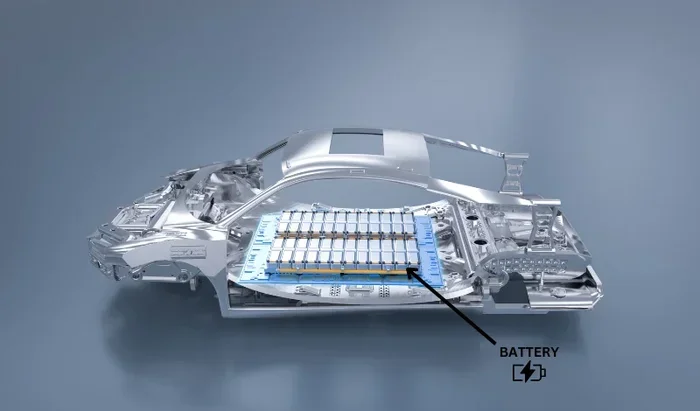
A hybrid vehicle uses two or more power sources to move the car. Most commonly, these are an electric motor and a gas engine. The electric motor runs on a high-voltage battery pack, while the gas engine burns traditional fuel. Together, they work to provide smooth power and excellent fuel economy.
The beauty of hybrid technology is that the car decides which power source to use at any given moment. This decision happens automatically through a control unit. The system monitors speed, battery charge, throttle input, and power demand. Based on all of these inputs, it chooses the best source of energy.
There are three main types of hybrid systems. Each one handles the switch between electric and gas differently. Understanding these types is key to answering the question of when a hybrid switches to gas.
Full Hybrids
A full hybrid, also called a strong hybrid, can run on electric power alone for short distances. The Toyota Prius is the most well-known example. In a full hybrid, the electric motor handles city driving at low speeds. When you accelerate harder or hit highway speeds, the gas engine kicks in. The system can also use both power sources at the same time for maximum acceleration.
Mild Hybrids
A mild hybrid uses a smaller electric motor and battery. It cannot drive on electric power alone. Instead, the electric motor assists the gas engine during acceleration and stops the engine at traffic lights. The gas engine is always running in a mild hybrid, so the switch is more about assistance than full transition.
Plug-In Hybrids
A plug-in hybrid, or PHEV, has a larger battery that you can charge from an outlet. It can travel 20 to 50 miles on electric power alone before the gas engine starts. Once the battery depletes, it behaves like a regular hybrid. Plug-in hybrids offer the longest electric-only range of any hybrid type.
At What Point Does a Hybrid Switch to Gas?
This is the core question, and the answer depends on several factors working together. There is no single speed or RPM that triggers the switch. Instead, the hybrid control system makes real-time decisions based on driving conditions.
Here are the main situations that cause a hybrid to switch to gas.
Low Battery Charge
The most common trigger is a low hybrid battery. When the battery level drops below a certain threshold, the gas engine starts to recharge it. This is called battery sustain mode. The system prioritizes keeping enough charge in the battery for later electric-only driving. So, even if you are driving at a steady speed, the gas engine may turn on to preserve battery health.
High Speed Driving
At higher speeds, the gas engine becomes more efficient than the electric motor. Highway driving at 60 mph or above usually engages the gas engine. The electric motor is better suited for stop-and-go traffic and low-speed maneuvers. So when you merge onto a freeway, expect the gas engine to take over.
Heavy Acceleration
When you press the accelerator hard, the car needs more power than the electric motor alone can provide. The gas engine fires up to meet the extra demand. This is why you might notice the engine turning on when you quickly merge or pass another vehicle on the road.
Climbing Steep Hills
Hills demand more power. When your hybrid climbs a steep incline, the gas engine joins in to provide the extra torque needed. Uphill driving is one of the most common reasons the gas engine activates, even at low speeds.
High Power Accessories
Running the air conditioning on max, using heated seats, or charging devices can draw extra power. In some hybrids, the gas engine turns on to support these high-power accessories, especially when the battery is already low.
Cold Weather Conditions
Cold temperatures reduce battery efficiency. In winter, the hybrid system may rely more on the gas engine to maintain performance. The engine also warms up faster in cold weather, which helps the catalytic converter reach operating temperature quicker.
Battery Regeneration Is Complete
When you brake or coast downhill, regenerative braking recharges the battery. Once the battery reaches full charge, the system may switch to the gas engine to avoid overcharging. This keeps the battery at an optimal level for the next burst of electric driving.
Types of Hybrid Powertrains and Their Switching Behavior
Not all hybrids switch to gas the same way. The type of hybrid system determines how and when the transition happens. Let us look closer at each system and its switching behavior.
Parallel Hybrid System
In a parallel hybrid, both the electric motor and gas engine connect to the transmission. Either one can drive the wheels independently or together. The switch between electric and gas is smoother in this setup. The car can seamlessly blend power from both sources. You might not even notice when the transition happens.
Series Hybrid System
A series hybrid uses the gas engine as a generator, not a direct driver. The electric motor always powers the wheels. The gas engine only turns on when the battery needs recharging. This means the switch to gas happens more predictably in a series hybrid. The Chevrolet Volt is a popular example of this architecture.
Power-Split Hybrid System
The power-split hybrid uses a planetary gear set to blend electric and gas power seamlessly. Toyota’s Hybrid Synergy Drive uses this system. The switch between electric and gas is almost invisible to the driver. The car constantly adjusts the ratio of electric to gas power based on driving conditions. This is one of the most sophisticated hybrid powertrains available today.
Factors That Determine When a Hybrid Switches to Gas
Several factors influence the exact moment your hybrid transitions from electric to gas. Understanding these can help you drive more efficiently and get better fuel economy.
State of Charge
The battery’s state of charge, or SOC, is the biggest factor. Most hybrids keep the battery between 40% and 60% charge. When it drops below that range, the gas engine starts to recharge it. If you drive aggressively and drain the battery quickly, you will see the gas engine turn on more often.
Driving Style
Your driving habits have a huge impact. Gentle acceleration keeps the car in electric mode longer. Aggressive driving with rapid acceleration forces the gas engine to work harder and kick in sooner. Smooth, predictable driving helps maximize electric-only miles.
Vehicle Speed
Speed plays a clear role. Below 25 to 30 mph, the electric motor usually handles the driving. Above 40 mph, the gas engine becomes more dominant. The transition zone between these speeds is where most switching occurs.
Ambient Temperature
Hot and cold temperatures both affect hybrid performance. Extreme heat increases cooling loads, which can trigger the gas engine. Extreme cold reduces battery capacity, making the electric motor less effective. Moderate temperatures are ideal for electric-only driving.
Terrain and Road Conditions
Flat roads favor electric driving. Hilly or mountainous terrain demands more power and engages the gas engine more frequently. Stop-and-go city traffic is also great for electric mode, while open highways favor the gas engine.
Hybrid Battery Health
A degraded battery holds less charge and may trigger the gas engine more often. Regular maintenance and proper care of the hybrid battery pack help ensure smooth transitions. If you notice the gas engine running constantly, it could be a sign of battery degradation.
How to Get the Most Out of Your Hybrid’s Fuel Efficiency
Now that you know when a hybrid switches to gas, let us talk about how to minimize gas usage and maximize electric driving. These tips can help you save money and reduce emissions.
Drive Smoothly and Predictably
Avoid hard acceleration whenever possible. Gentle starts keep the electric motor in control for longer. Coasting to red lights also helps preserve battery charge. The smoother you drive, the less the gas engine needs to intervene.
Use Cruise Control on Highways
Cruise control maintains a steady speed, which is more efficient than constantly adjusting your speed. On flat highways, cruise control can help the hybrid system find its most efficient operating point. Just be aware that the gas engine will likely be active at highway speeds regardless.
Monitor Your Battery Gauge
Most hybrids display the battery charge level on the dashboard. Keep an eye on it. If you see the charge dropping, ease off the accelerator and let regenerative braking recharge it. This simple habit can extend your electric-only driving range significantly.
Plan Your Routes Wisely
City routes with lots of stops and low speeds are ideal for hybrid driving. The electric motor handles stop-and-go traffic beautifully. If you can, choose routes with less highway driving to maximize electric miles. This is especially true for plug-in hybrids, which can go entirely on electric for short trips.
Keep Tires Properly Inflated
Underinflated tires create more rolling resistance, which forces the hybrid system to work harder. This can cause the gas engine to kick in more often. Check your tire pressure regularly and keep it at the manufacturer’s recommended level. This one simple step can improve fuel economy by several percentage points.
Reduce Excess Weight
Carrying heavy loads makes the hybrid system use more energy. Remove unnecessary items from your trunk and back seat. Less weight means less power demand, which means the electric motor can handle more of the driving.
Precondition the Cabin in Extreme Weather
In very hot or very cold weather, use the climate control wisely. Preconditioning the cabin while the car is still plugged in (for plug-in hybrids) saves battery power for driving. This keeps the electric motor in control for longer and delays the switch to gas.
Common Myths About Hybrid Switching
There are many misconceptions about how hybrid vehicles work. Let us clear up some of the most common ones.
Myth 1: Hybrids Always Run on Gas
This is far from true. Most hybrids run on electric power for a significant portion of driving, especially in the city. The gas engine only activates when needed. A well-driven hybrid can go miles on electric power alone during a typical commute.
Myth 2: Switching Between Modes Damages the Car
The hybrid system is designed to switch seamlessly thousands of times over the life of the vehicle. There is no extra wear or damage from the transition. The control unit manages everything automatically and efficiently.
Myth 3: You Need to Plug In a Regular Hybrid
Only plug-in hybrids need external charging. Traditional hybrids recharge their batteries through regenerative braking and the gas engine. You never need to plug them in. This is one of the biggest advantages of a full hybrid over a plug-in hybrid.
Myth 4: Hybrid Batteries Need Frequent Replacement
Modern hybrid batteries are built to last the lifetime of the vehicle. Many manufacturers warranty hybrid batteries for 8 to 10 years or 100,000 miles. While replacement is possible, it is rarely needed within the normal ownership period.
Myth 5: Hybrids Are Slow and Weak
Many modern hybrids offer impressive performance. The instant torque from the electric motor provides quick acceleration from a stop. Some hybrid cars are faster than their gas-only counterparts. The Toyota Prius Prime and the Honda Accord Hybrid are great examples of performance-friendly hybrids.
Conclusion
So, at what point does a hybrid switch to gas? The answer is that it depends on your battery level, driving speed, acceleration demand, terrain, temperature, and the type of hybrid system you own. There is no single trigger. Instead, the hybrid control system makes dozens of decisions every second to choose the most efficient power source.
The good news is that understanding this process helps you become a better, more efficient driver. By driving smoothly, monitoring your battery, and choosing the right routes, you can enjoy more electric-only miles and less time at the gas pump. Hybrid technology is smart, and the more you understand it, the more you will appreciate how well it works.
Whether you are considering buying a hybrid or already own one, knowing when the switch happens gives you an edge. You can optimize your driving habits, save money on fuel, and reduce your environmental footprint. Hybrid vehicles represent a smart step forward in automotive technology, and understanding their switching behavior is the key to unlocking their full potential.
Take what you have learned here and apply it on your next drive. Pay attention to when the gas engine turns on and when it stays off. Over time, you will develop an intuitive feel for how your hybrid works. And that knowledge will pay off every time you fill up at the pump.
Frequently Asked Questions
Can a hybrid car run on electric power alone?
Yes, most full hybrids and plug-in hybrids can run on electric power alone for short distances. The exact range depends on battery size and charge level. Full hybrids typically offer 1 to 3 miles of electric-only driving, while plug-in hybrids can go 20 to 50 miles on electricity alone.
Does the hybrid battery recharge while driving?
Yes, the hybrid battery recharges through regenerative braking and the gas engine. When you brake or coast, the electric motor acts as a generator and converts kinetic energy back into electrical energy. This process keeps the battery charged without needing an external plug.
Is it bad to drive a hybrid only on gas?
Driving a hybrid only on gas is not harmful, but it defeats the purpose of owning a hybrid. The gas engine will run more often and fuel economy will drop significantly. The hybrid system is designed to use both power sources efficiently, so relying only on gas wastes the electric motor’s benefits.
How long does a hybrid battery last before needing replacement?
Most hybrid batteries last 8 to 10 years or 100,000 to 150,000 miles. Many manufacturers warranty hybrid batteries for 8 years or 100,000 miles. With proper care, some hybrid batteries last the entire lifetime of the vehicle without needing replacement.
Does cold weather affect when a hybrid switches to gas?
Yes, cold weather can cause the hybrid to switch to gas more frequently. Low temperatures reduce battery efficiency and capacity. The gas engine may also run more often to warm up the cabin and battery. Once the engine reaches operating temperature, electric driving resumes more normally.
Can I manually control when the hybrid switches to gas?
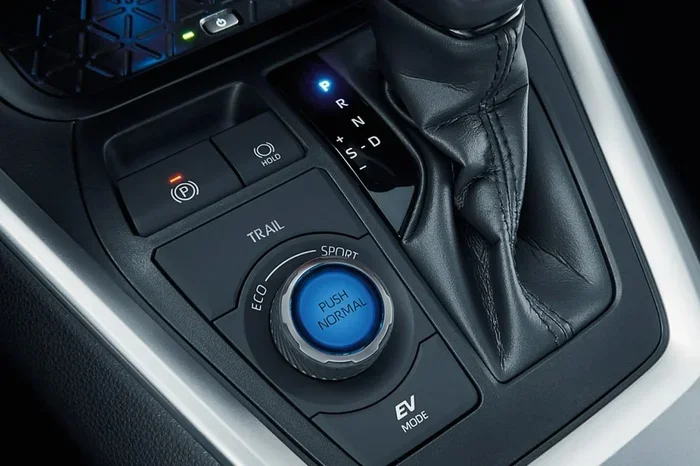
Most hybrids do not allow manual control of the switching process. The control unit handles all decisions automatically. However, some plug-in hybrids offer an EV mode button that forces electric-only driving until the battery depletes. Using EV mode wisely can help maximize electric miles in city driving.