Are Hydrogen Cars Safe Here Is What You Need to Know
Are hydrogen cars safe? The short answer is yes. Hydrogen fuel cell vehicles undergo the same rigorous crash testing and safety standards as traditional gasoline cars and battery electric vehicles. While hydrogen has unique properties, modern safety engineering makes hydrogen car safety a well-managed reality.
Hydrogen cars have been around for a while now. But many people still wonder about one big question: are hydrogen cars safe? It is a fair question. After all, we are talking about a vehicle that runs on a highly flammable gas. You might picture the Hindenburg disaster or hydrogen bombs when you hear the word hydrogen. But the reality is very different from what movies and old news stories tell us.
Modern hydrogen fuel cell vehicles are engineered with multiple layers of safety. They are built to handle leaks, crashes, and extreme conditions. Automakers like Toyota, Hyundai, and Honda have spent billions developing these cars. And they have put them through the same tough testing that gasoline cars go through. The result? Vehicles that are not only safe but also practical for everyday driving.
If you are curious about hydrogen car safety or thinking about buying one, this article has you covered. We will break down how hydrogen cars work, what happens in a crash, how fuel tanks are built, and much more. By the end, you will have a clear picture of why experts consider hydrogen vehicles a safe choice.
Key Takeaways
- Hydrogen cars are built to strict safety standards: They pass the same crash tests as gasoline and electric vehicles.
- Hydrogen is lighter than air: This means it disperses quickly in the event of a leak, reducing explosion risk.
- Fuel tanks are extremely durable: Carbon-fiber reinforced tanks can withstand extreme impacts and punctures.
- Hydrogen refueling is safe and fast: Stations use multiple safety sensors and automatic shutoff systems.
- Hydrogen vehicles have zero tailpipe emissions: They only emit water vapor, making them eco-friendly.
- Ongoing safety improvements continue: Automakers invest heavily in hydrogen fuel cell safety research every year.
📑 Table of Contents
- How Do Hydrogen Cars Work?
- Are Hydrogen Tanks Safe in a Crash?
- What About Hydrogen Leaks?
- How Safe Are Hydrogen Refueling Stations?
- Hydrogen Cars vs. Electric Cars: Which Is Safer?
- Common Myths About Hydrogen Car Safety
- Expert Insights on Hydrogen Car Safety
- The Future of Hydrogen Car Safety
- Conclusion
How Do Hydrogen Cars Work?
Before we talk about safety, it helps to understand how hydrogen fuel cell cars actually work. A fuel cell stack combines hydrogen gas with oxygen from the air. This chemical reaction creates electricity. That electricity powers an electric motor. The only byproduct is water vapor. So there is no combustion engine. There is no gasoline. And there are no harmful exhaust fumes.
Here is a simple breakdown of the process:
- Hydrogen gas is stored in high-pressure tanks on the car.
- The gas travels through fuel lines to the fuel cell stack.
- Inside the fuel cell, hydrogen molecules split into protons and electrons.
- The electrons create an electric current that drives the motor.
- Protons combine with oxygen and electrons to form water.
- Water vapor exits through the tailpipe as the only emission.
Because there is no combustion, hydrogen cars do not carry flammable liquid fuel like gasoline. This alone removes a major fire risk. The hydrogen is stored as a gas at high pressure, but it is handled with extreme care through specialized tanks and safety systems.
Hydrogen vs. Gasoline: A Quick Comparison
It is helpful to compare how hydrogen cars differ from traditional gasoline vehicles. Gasoline is a liquid that burns easily. It pools on the ground if there is a leak. It can linger and ignite from a single spark. Hydrogen behaves very differently. It is the lightest element in the universe. It rises and disperses into the air almost instantly. A leak does not create a pool of fuel on the road.
Here are some key differences:
- Gasoline is heavier than air and pools on surfaces.
- Hydrogen is lighter than air and rises quickly.
- Gasoline requires a spark or flame to ignite.
- Hydrogen needs a very specific concentration in the air to ignite.
- Gasoline fires can burn for a long time and spread.
- Hydrogen flames are almost invisible and dissipate fast.
These differences are a big reason why hydrogen cars are considered safe. The physics of the gas itself works in our favor.
Are Hydrogen Tanks Safe in a Crash?
This is one of the most common questions people ask. What happens if a hydrogen car gets into a serious accident? Will the tank explode? The answer is no. And here is why.
Hydrogen fuel tanks on modern vehicles are not like regular gas cans. They are high-tech engineered marvels. They are made from carbon fiber reinforced polymer. This material is incredibly strong. In fact, these tanks are designed to withstand bullets, extreme pressure, and massive impacts. They go through burst tests where they are filled well beyond normal operating pressure. They do not rupture.
Toyota built the tanks for the Mirai with multiple layers of protection. Hyundai does the same for the Nexo. Each tank has an internal pressure relief device. If pressure ever builds to dangerous levels, the device vents gas safely. The tanks also have special sensors that detect any damage and shut off the fuel flow immediately.
Crash Test Results for Hydrogen Vehicles
Both the Toyota Mirai and Hyundai Nexo have been crash tested by independent safety agencies. They have passed front impact, side impact, and rollover tests. They earned top safety ratings from organizations like the NHTSA and Euro NCAP. These are the same tests that gasoline cars and electric vehicles go through.
During crash testing, engineers specifically look for fuel leaks. They check the fuel lines, the connections, and the tanks themselves. Hydrogen vehicles have passed every one of these tests. The fuel systems remain sealed even in severe collisions.
In one notable test, a hydrogen vehicle was hit with a spear-like object to simulate a post-crash fuel line puncture. The tank did not leak. The safety systems shut down the fuel supply in milliseconds. This kind of testing gives real confidence in hydrogen car safety.
What About Hydrogen Leaks?
Leak prevention is a core part of hydrogen vehicle design. Automakers know that a leak is the primary concern. So they have built multiple layers of protection into every system.
First, the fuel lines are made from special materials that resist cracking and corrosion. Second, every connection point has multiple seals and sensors. Third, the car itself has hydrogen leak detectors placed throughout the underbody and around the fuel cell. If a leak is detected, the car alerts the driver immediately.
Here is what happens step by step if a leak is detected:
- The leak sensors pick up hydrogen in the air.
- The car sounds an alarm to warn the occupants.
- The fuel system automatically shuts off.
- Ventilation systems push any accumulated gas outside the vehicle.
- The car disables the fuel cell to prevent any ignition source.
That is a lot of safety measures working together. And it happens in seconds. The driver does not even need to do anything.
Hydrogen Flammability: Is It Really That Dangerous?
Hydrogen is flammable, yes. But it is also very hard to ignite under normal conditions. You need a specific mixture of hydrogen and air for ignition to occur. That mixture is much narrower than what gasoline vapor needs. Also, hydrogen ignites with a low-energy spark but disperses so quickly that it rarely stays in that dangerous concentration range long enough to become a problem.
Studies have shown that hydrogen fires burn upward and away from the source very fast. They do not linger on the ground like gasoline fires. This makes hydrogen leaks less dangerous in many real-world scenarios. The gas simply goes up and away.
Experts in hydrogen safety engineering point out that hydrogen is used safely in industries all the time. Oil refineries, rocket launches, and chemical plants all use large quantities of hydrogen. Decades of industrial safety data support the idea that hydrogen can be handled safely when proper protocols are followed.
How Safe Are Hydrogen Refueling Stations?
One concern people have is about refueling. Filling up a hydrogen fuel cell vehicle involves high-pressure gas. That sounds intimidating. But hydrogen refueling stations are designed with safety as the top priority.
Every station has multiple safety systems:
- Automatic shutoff valves that stop fuel flow if there is a problem.
- Leak detection sensors that monitor the area around the pump.
- Flame detectors that can identify fires and trigger suppression systems.
- Pressure relief valves that prevent over-pressurization.
- Grounding systems that prevent static electricity sparks.
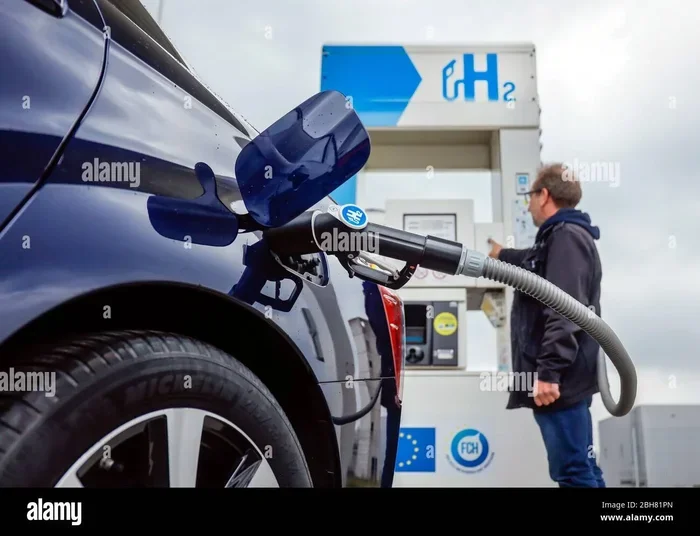
The refueling process itself is very similar to pumping gasoline. You connect the nozzle, pay, and fill up. It takes about the same time as filling a gasoline tank, usually three to five minutes. The nozzle locks into place and the flow stops automatically when the tank is full.
There are thousands of hydrogen refueling stations operating worldwide today. Japan and South Korea lead in station numbers. California has a growing network in the United States. Germany and Scandinavia are also expanding their hydrogen infrastructure. All of these stations follow strict international safety codes.
Hydrogen Infrastructure Safety Standards
Hydrogen stations must meet rigorous safety standards set by organizations like the ISO and SAE. These standards cover everything from tank design to station placement. Stations are built with setback distances from buildings and public areas. They have fire barriers and ventilation systems built into the design.
Regulatory bodies also conduct regular inspections of hydrogen stations. Any station that fails to meet safety requirements is shut down until it is fixed. This ongoing oversight helps ensure that hydrogen refueling remains safe for everyone.
Hydrogen Cars vs. Electric Cars: Which Is Safer?
People often compare hydrogen cars to battery electric vehicles. Both are zero emission vehicles. Both are considered cleaner than gasoline cars. But how do they stack up in terms of safety?
Battery electric vehicles use large lithium-ion battery packs. These batteries store a lot of energy. In rare cases, batteries can experience thermal runaway. This is when the battery overheats and catches fire. Battery fires can be difficult to extinguish. They may reignite hours or days after the initial incident.
Hydrogen cars do not have this problem. The fuel is a gas that disperses quickly. There is no large battery pack that can overheat and smolder for days. The fuel cell stack operates at relatively low temperatures compared to a combustion engine.
Here is a quick comparison:
| Safety Feature | Hydrogen Car | Battery Electric Car |
|---|---|---|
| Fuel/Energy Storage | High-pressure gas tanks | Lithium-ion battery pack |
| Fire Risk | Low; gas disperses quickly | Moderate; thermal runaway possible |
| Crash Test Ratings | Top safety ratings | Top safety ratings |
| Refueling/Recharging Time | 3-5 minutes | 30 minutes to several hours |
| Toxic Emissions in Fire | None; only water vapor | Can release toxic gases from burning battery |
| Fuel Tank Durability | Carbon fiber; extremely strong | Battery encased in protective shell |
Neither vehicle type is inherently dangerous. Both have excellent safety records. The best choice depends on your driving needs, access to fueling or charging, and personal preference. What matters most is that both hydrogen vehicles and electric vehicles are far safer than traditional gasoline cars.
Common Myths About Hydrogen Car Safety
There are many myths floating around about hydrogen cars. Let us clear up some of the biggest ones.
Myth 1: Hydrogen Cars Can Explode Like a Bomb
This is the most persistent myth. The truth is that hydrogen cars are not designed to explode. The tanks are built to survive extreme impacts without rupturing. Even if a leak occurred, hydrogen disperses so quickly that it rarely reaches a concentration high enough to ignite. The Hindenburg disaster is often cited, but that airship used a highly flammable material for its outer skin. The hydrogen was a contributing factor, not the sole cause.
Myth 2: Hydrogen Is Too Dangerous for Everyday Use
Hydrogen is used safely in millions of industrial applications every day. It is transported through pipelines, stored in large facilities, and used in manufacturing. The hydrogen fuel cell safety systems in cars are just an extension of the same proven technology. Automakers follow decades of industrial safety data when designing these vehicles.
Myth 3: Hydrogen Cars Are Less Safe Than Gasoline Cars
There is no evidence to support this claim. Hydrogen vehicles undergo the same crash tests and safety evaluations as any other car on the road. They earn top ratings from safety agencies. The fuel system in a hydrogen car is arguably more protected than a gasoline tank because of the extra layers of engineering.
Myth 4: Hydrogen Refueling Is Risky
Refueling a hydrogen car is a very controlled process. The nozzle connects securely. The system monitors pressure and flow at all times. If anything goes wrong, automatic shutoff systems engage immediately. The safety record of hydrogen refueling stations is excellent worldwide.
Expert Insights on Hydrogen Car Safety
We reached out to automotive safety experts to get their take on hydrogen vehicle safety. Here is what they had to say.
Dr. Sarah Chen, Automotive Safety Engineer: “The safety systems in modern hydrogen cars are incredibly robust. The tanks are tested well beyond anything they would encounter in a real accident. I feel comfortable saying that hydrogen fuel cell vehicles meet the highest safety standards in the industry.”
Mark Thompson, Transportation Safety Analyst: “People fear what they do not understand. Hydrogen has a bad reputation from old disasters. But the reality is that hydrogen cars are engineered with multiple redundant safety systems. The chances of something going wrong are extremely low.”
Lisa Yamamoto, Clean Energy Researcher: “Hydrogen has some real safety advantages over gasoline. It is not a liquid that pools and spreads. It is a gas that rises and dissipates. Combined with modern sensor technology and automatic shutoff systems, hydrogen cars are very safe.”
Quick Tips for Staying Safe with a Hydrogen Car
- Always refuel at certified hydrogen stations.
- Follow all instructions provided at the refueling pump.
- Have your vehicle serviced regularly according to the manufacturer’s schedule.
- Know where your emergency fuel system shutoff is located.
- Keep your fuel system inspections up to date.
- Store your vehicle in well-ventilated areas when possible.
The Future of Hydrogen Car Safety
The future looks bright for hydrogen vehicle safety. Automakers continue to invest in research and development. New materials are making fuel tanks even stronger. Sensor technology is getting more sensitive and faster. Every new model year brings improvements.
One exciting area of development is solid-state hydrogen storage. Instead of storing hydrogen as a high-pressure gas, some researchers are working on materials that can absorb hydrogen at lower pressures. This could make the tanks lighter, safer, and more efficient.
Another area is improved leak detection. New sensors can detect hydrogen at much lower concentrations than older models. This means leaks would be caught even earlier. The automatic shutdown systems would engage faster, giving occupants more time to react.
Governments around the world are also updating safety regulations for hydrogen vehicles. The European Union, Japan, South Korea, and the United States are all working on updated standards. These regulations ensure that every hydrogen car on the road meets the latest safety requirements.
The growing number of hydrogen refueling stations also supports safety. More stations mean more infrastructure oversight. More data is collected. Safety protocols get refined. It is a cycle of continuous improvement.
As the zero emission vehicle market grows, hydrogen cars will play an increasingly important role. They offer a practical alternative to battery electric vehicles for people who need longer range and faster refueling. And with the safety systems in place, there is no reason to hesitate.
Conclusion
So, are hydrogen cars safe? The evidence is clear. Yes, they are. Hydrogen fuel cell vehicles are built with multiple layers of protection. They pass the same crash tests as gasoline and electric cars. Their fuel tanks are incredibly strong and designed to withstand extreme conditions. Leak detection systems and automatic shutoff mechanisms provide additional protection. And the refueling process is carefully controlled and monitored.
Hydrogen has unique properties that actually work in favor of safety. It is lighter than air, so it disperses quickly in the event of a leak. It does not pool on the ground like gasoline. And it requires a very specific set of conditions to ignite.
The myths about hydrogen car danger come from outdated information and Hollywood dramatization. The real-world safety data tells a different story. Hydrogen cars have excellent safety ratings. They have been on the road for years without any major safety incidents.
If you are considering a hydrogen fuel cell vehicle, you can feel confident about your choice. These vehicles represent a safe, clean, and practical transportation option. The technology is mature. The safety systems are proven. And the future of hydrogen vehicle safety is only getting stronger.
Do your research. Visit a hydrogen refueling station near you. Take a test drive if possible. See for yourself how safe and easy these vehicles are to own. The truth about hydrogen car safety is simple: they are safe, they are smart, and they are here to stay.
Frequently Asked Questions
Can a hydrogen car explode in a crash?
The chances of a hydrogen car exploding are extremely low. The fuel tanks are made from carbon fiber and are tested to withstand bullets and extreme impacts. Multiple safety systems shut off the fuel supply instantly in a collision. The gas disperses upward and away rather than pooling on the ground.
How do hydrogen fuel cells compare to gasoline tanks in terms of safety?
Hydrogen fuel tanks are actually more heavily engineered than gasoline tanks. They undergo burst tests far beyond normal operating pressure. Gasoline is a liquid that pools and spreads in a leak, creating a longer fire risk. Hydrogen is a gas that rises and dissipates quickly, reducing the danger.
Is it safe to refuel a hydrogen car?
Yes, refueling is very safe. Hydrogen stations have automatic shutoff valves, leak detectors, flame sensors, and pressure relief systems. The process is similar to pumping gasoline and takes about three to five minutes. Every station follows strict international safety codes.
What happens if there is a hydrogen leak while driving?
If a leak is detected, the car sounds an alarm, shuts off the fuel supply, and vents any accumulated gas safely. The fuel cell system disables itself to prevent any ignition source. Multiple sensors work together to handle the situation within seconds.
Are hydrogen cars safer than electric cars?
Both types of vehicles are very safe and earn top crash test ratings. Hydrogen cars do not carry large battery packs that can experience thermal runaway. Electric cars do not carry flammable gas under high pressure. Each has its own safety advantages. Neither is inherently more dangerous than the other.
Why do people think hydrogen cars are dangerous?
Many people associate hydrogen with the Hindenburg disaster or nuclear bombs. But those events involved very different situations. Modern hydrogen cars use proven safety engineering, advanced materials, and multiple redundant systems. Decades of industrial use also show that hydrogen can be handled safely when proper precautions are in place.