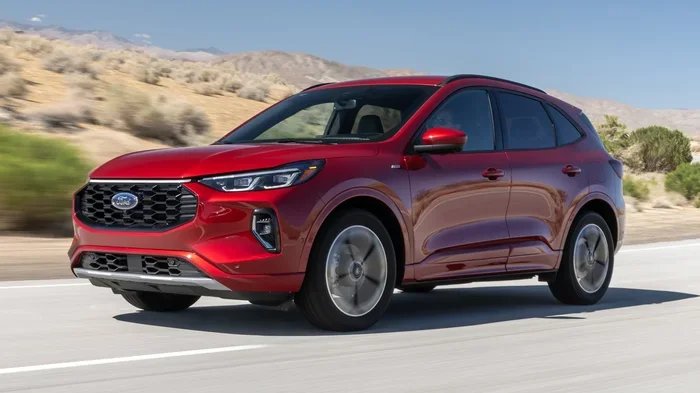
At What Speed Does the Hybrid Escape Switch to Gas
At What Speed Does the Hybrid Escape Switch to Gas? The Ford Escape Hybrid typically runs on electric power up to about 30 mph, then seamlessly blends in the gas engine. The exact switch point depends on battery charge, throttle input, and driving conditions. This guide breaks down the full speed threshold, how the hybrid system works, and simple tips to stay in electric mode longer.
The Ford Escape Hybrid has become a popular choice for drivers who want strong fuel economy without the range anxiety of a plug-in. One question comes up again and again: At What Speed Does the Hybrid Escape Switch to Gas? The answer isn’t a single number etched in stone. It’s a dynamic process controlled by the vehicle’s hybrid control module, which constantly balances electric motor power, gas engine power, and battery charge. Understanding this process helps you drive smarter, save fuel, and enjoy the quiet electric feel for longer stretches.
When you first start the Escape Hybrid, the car often runs purely on electricity at low speeds. You glide away from the curb in near-silence. Then, as you pick up speed or demand more power, the gas engine gently joins in. The switch isn’t a cliff—it’s a blend. The hybrid system uses a power-split device to divide torque between the electric motor, the gas engine, and the wheels. This seamless integration is what makes the Escape Hybrid feel so natural to drive. In this article, we’ll explore exactly how that switch works, what speeds trigger it, and how you can maximize electric-only driving.
Key Takeaways
- Electric-first design: The Escape Hybrid uses electric motor power for low-speed driving and light loads, switching to gas only when needed.
- 30 mph threshold: Most drivers experience the gas switch around 30 mph, but it can happen earlier or later based on conditions.
- Power-split device: A planetary gearset blends electric and gas power smoothly, so you rarely feel a harsh transition.
- Battery state matters: A low battery forces earlier gas use, while a full charge extends electric-only range.
- Driving style affects switching: Gentle acceleration keeps you in EV mode; hard acceleration triggers the gas engine faster.
- Regenerative braking helps: Coasting and braking recharge the battery, supporting more electric driving.
- You can influence the switch: Using ECO mode and maintaining steady speeds encourages electric-only operation.
📑 Table of Contents
How the Ford Escape Hybrid Powertrain Works
To understand the speed switch, you need a basic picture of the Escape Hybrid powertrain. The system includes a 2.5-liter four-cylinder gas engine, an electric motor, a generator, and a planetary power-split device. These components work together as a single integrated unit. The car’s computer decides in real time which power source to use, how much power to draw from the battery, and when to send energy back to the battery through regenerative braking.
The Power-Split Device
The planetary gearset acts like a clever torque manager. It connects the gas engine, the electric motor, and the generator in a loop. When you’re cruising at steady speeds, the system can let the gas engine handle the work while the electric motor either assists or generates electricity. At low speeds, the electric motor takes the lead. The power-split device ensures that the transition between electric and gas power happens without any noticeable jolt. You simply feel smooth acceleration.
Electric Motor and Gas Engine Teamwork
The electric motor delivers instant torque, which is why the Escape Hybrid feels responsive in city traffic. The gas engine kicks in when you need more sustained power, such as highway cruising or hard acceleration. The hybrid control module monitors dozens of inputs, including vehicle speed, accelerator pedal position, battery state of charge, and electrical load. Based on these inputs, it decides the optimal mix of electric and gas power. This is why the question At What Speed Does the Hybrid Escape Switch to Gas doesn’t have a single fixed answer—it depends on what the system is asked to do at that moment.
At What Speed Does the Hybrid Escape Switch to Gas
The most direct answer is that the Escape Hybrid typically runs in electric-only mode up to about 30 mph under light-load conditions. Beyond that speed, the gas engine begins to participate more actively. However, this 30 mph mark is a general guideline, not a hard limit. The system can switch earlier or stay in electric mode longer depending on the factors we’ll cover next.
What Happens Below 30 mph
Below 30 mph, the electric motor is the primary driver. You’ll notice this when pulling away from a stoplight or crawling in traffic. The gas engine stays off, which means zero fuel consumption and zero emissions at that moment. The electric motor draws energy from the hybrid battery, which is a nickel-metal hydride pack in most Escape Hybrid models. As long as the battery has sufficient charge and you’re not demanding heavy acceleration, the car stays in EV mode.
The 30 to 45 mph Transition Zone
Between roughly 30 mph and 45 mph, the hybrid system enters a blending zone. The gas engine starts to spin up and share the workload. You might feel a slight change in engine note or a subtle increase in sound. The power-split device smoothly routes torque from both sources. During this zone, the system is deciding whether to charge the battery, provide extra power for passing, or maintain a steady cruise. If you’re cruising gently at 35 mph on a flat road, the Escape might stay in electric mode longer. If you’re climbing a hill or accelerating firmly, the gas engine will engage sooner.
Above 45 mph: Gas Engine Dominance
Once you’re above 45 mph, the gas engine becomes the primary power source for most driving conditions. The electric motor still plays a role—it can assist during acceleration or recover energy during deceleration—but the gas engine handles the bulk of the work. At highway speeds, the Escape Hybrid operates much like a conventional vehicle, though it still uses the electric motor to smooth out transitions and support the engine’s efficiency.
| Speed Range | Primary Power Source | Typical Scenario |
|---|---|---|
| 0–30 mph | Electric motor | City driving, stop-and-go traffic, low-speed cruising |
| 30–45 mph | Blended electric and gas | Moderate acceleration, hills, merging onto highways |
| 45+ mph | Gas engine (electric assists) | Highway cruising, sustained high-speed driving |
Factors That Influence the Gas Switch
The speed at which the Escape Hybrid switches to gas isn’t just about the speedometer. Several factors can make the switch happen earlier or later. Understanding these gives you more control over your fuel economy and driving experience.
Battery State of Charge
The hybrid battery’s charge level is a major factor. When the battery is fully charged, the system is happy to stay in electric mode longer because it has plenty of energy to draw from. When the battery is low, the gas engine will kick in sooner—not only to power the wheels but also to generate electricity and recharge the battery. This is why you might notice the gas engine engaging more often in stop-and-go traffic after a long drive; the battery needs replenishing.
Throttle Input and Driving Style
How you press the accelerator directly affects the switch. A gentle, gradual press keeps the electric motor in charge. A sudden, hard press tells the system that you need immediate power, and the gas engine jumps in to help. The hybrid control module prioritizes responsiveness when you demand it. So if you want to stay in electric mode, smooth, predictable inputs are your best friend.
Electrical Load
Everything that draws electricity in the car—air conditioning, heated seats, infotainment system, headlights—comes from the hybrid battery when the engine is off. If you’re running the AC on a hot day and the battery charge is moderate, the system might switch to gas earlier to ensure there’s enough power for all the electrical demands. Conversely, on a mild day with minimal electrical load, you can stay in EV mode longer.
Terrain and Gradient
Driving uphill requires more power. The Escape Hybrid will switch to gas sooner when climbing a steep hill because the electric motor alone may not provide enough torque. On flat or downhill roads, the system can stay in electric mode more easily, and the regenerative braking system can even add charge back to the battery.
Temperature and Climate
Cold weather affects battery performance. In winter, the hybrid battery may not be able to deliver as much electric power, causing the gas engine to engage at lower speeds. Hot weather can also trigger early gas use if the system needs to run the cooling fans to protect the battery and power electronics. These environmental factors are part of why the switch point varies from day to day.
Electric-Only Driving: How to Maximize It
Many Escape Hybrid owners want to stay in electric mode as much as possible to save fuel and enjoy the quiet, smooth driving feel. You can influence the system’s behavior with a few simple habits.
Use ECO Mode
The Escape Hybrid offers an ECO mode that adjusts the throttle response and shifts the power-blend strategy toward electric use. When ECO is active, the system favors the electric motor more aggressively. It delays the gas engine engagement and uses less fuel for accessories. For city driving and light-load conditions, ECO mode is a great way to stretch your electric-only range.
Accelerate Gently from Stops
Instead of flooring the accelerator after a red light, apply steady, moderate pressure. The electric motor has plenty of torque for low-speed acceleration, so a gentle touch keeps the gas engine off. You’ll notice the tachometer stays at zero and the car moves silently. This habit alone can significantly improve your fuel economy in urban driving.
Maintain Steady Speeds
Cruising at a constant speed below 45 mph on flat roads gives the hybrid system the best chance to stay in electric mode. Avoid frequent speed changes and hard passing maneuvers when possible. If you’re on a long, flat stretch of road, you can often stay in EV mode for several miles, using only the electric motor to maintain speed.
Use Regenerative Braking to Your Advantage
When you lift off the accelerator or apply the brakes, the electric motor becomes a generator. It captures kinetic energy and sends it back to the battery. This regenerative braking recharges the battery, which in turn supports more electric-only driving later. The Escape Hybrid’s brake pedal is blended, meaning the regenerative system handles most of your everyday slowing down. The friction brakes only engage when you need sudden, hard stopping or when the battery is fully charged and can’t accept more energy.
Precondition the Battery
On very hot or very cold days, the hybrid system may use the gas engine to warm up or cool down the battery before allowing extended electric driving. You can’t fully prevent this, but keeping the car plugged in (if it’s a plug-in hybrid variant) or parking in a shaded area can help the battery start at a more optimal temperature. For the standard Escape Hybrid, simply allowing the system a few minutes of gentle driving after startup lets it manage the battery temperature more effectively.
Common Mistakes That Force Early Gas Engagement
Some everyday driving habits can cause the Escape Hybrid to switch to gas earlier than necessary. Avoiding these mistakes helps you stay in electric mode longer and get better fuel economy.
- Flooring the accelerator: Hard acceleration demands maximum power, which the electric motor alone can’t always provide instantly. The gas engine kicks in immediately to meet the demand.
- Ignoring the battery gauge: The hybrid display shows the battery’s state of charge. If you see it’s low, the system will use the gas engine more often to recharge it. Try to drive in a way that allows regenerative braking to keep the charge up.
- Using high-power accessories excessively: Running the rear HVAC, heated seats, and high-brightness headlights all at once can drain the battery faster, prompting earlier gas use.
- Riding the brakes: Keeping slight pressure on the brake pedal confuses the hybrid system. It thinks you’re slowing down and may not engage regenerative braking efficiently. Keep your foot off the brake unless you’re actually stopping.
- Driving aggressively on hills: Climbing a steep hill at full throttle forces the gas engine to work hard. Using a lower gear (if available) and maintaining a steady, moderate throttle helps the system manage power more efficiently.
Expert Tips for Smooth Hybrid Driving
Experienced Escape Hybrid drivers develop a feel for the system that makes the electric and gas transitions almost invisible. Here are some tips that can help you drive like a pro.
Watch the Dashboard Indicators
The instrument cluster often shows when the car is running on electric only. A green EV icon or a similar indicator tells you the gas engine is off. Pay attention to this feedback. When you see the icon disappear, you’ll know the system has switched to gas, and you can adjust your driving to encourage it back to electric mode.
Anticipate Traffic Flow
Hybrid driving is all about anticipation. If you see a red light ahead, ease off the accelerator early and let regenerative braking do the work. You’ll slow down smoothly, recharge the battery, and often arrive at the light with enough charge to restart in electric mode. This predictability reduces gas engine use and improves overall efficiency.
Use Cruise Control Wisely
On highways, cruise control can help maintain a steady speed, which supports efficient gas engine operation. However, on hilly terrain, cruise control may cause the system to work harder, using more gas to maintain speed on inclines. In flat, open highway driving, cruise control can be a fuel-saving ally.
Keep Tires Properly Inflated
Underinflated tires create rolling resistance, which forces the hybrid system to use more power—often from the gas engine. Check your tire pressure monthly and keep them at the manufacturer’s recommended level. This simple step improves fuel economy and helps the electric motor handle more of the driving load.
Understand the Hybrid Battery’s Role
The hybrid battery in the Escape Hybrid is not like the starter battery in a conventional car. It’s a high-voltage nickel-metal hydride pack designed to provide and absorb energy repeatedly. It’s meant to be cycled daily. You don’t need to worry about overcharging or deep discharging. The system manages the battery health automatically. Trust the process, and the battery will support many years of efficient hybrid driving.
Conclusion
The question At What Speed Does the Hybrid Escape Switch to Gas opens the door to understanding how the Ford Escape Hybrid blends electric and gas power for maximum efficiency. In most everyday driving, you’ll stay in electric mode up to about 30 mph, with a gradual blend between 30 and 45 mph, and gas engine dominance above 45 mph. But the real magic is in the details—the battery state, your driving style, the temperature, and the terrain all shape the switch point. By driving gently, using ECO mode, and letting regenerative braking recharge the battery, you can enjoy longer stretches of quiet, electric-only driving and better fuel economy. The Escape Hybrid is designed to be intuitive. Once you understand its rhythm, you’ll find it’s a very capable, efficient, and enjoyable vehicle to own.
Frequently Asked Questions
Can the Ford Escape Hybrid run on electric power alone at highway speeds?
Generally, the Escape Hybrid relies on the gas engine for sustained highway speeds above 45 mph. The electric motor can assist briefly during acceleration, but it cannot maintain highway cruising on electricity alone without the gas engine. The system prioritizes fuel efficiency and power availability at higher speeds.
What happens if the hybrid battery dies?
The Escape Hybrid is designed to keep you moving even if the hybrid battery loses charge. The gas engine can power the wheels directly, though fuel economy will drop significantly. The vehicle will still operate like a conventional car, but you should have the hybrid system inspected by a dealer or qualified technician as soon as possible.
Does the Escape Hybrid have a plug-in option?
Yes, Ford offers the Escape Plug-in Hybrid (PHEV) model. This version has a larger battery that you can charge from an external outlet, allowing for longer electric-only driving distances—up to about 37 miles in some conditions. The standard Escape Hybrid does not plug in and relies on regenerative braking and the gas engine to maintain battery charge.
Is the gas engine switch noticeable to the driver?
Most drivers report that the transition is very smooth. The power-split device blends electric and gas torque seamlessly. You might notice a slight change in engine sound or a subtle vibration, but it’s rarely jarring. The hybrid system is engineered to make the switch feel almost imperceptible during normal driving.
How can I check if my Escape Hybrid is in electric mode?
Look at the instrument cluster for an EV mode indicator, which is typically a green icon. The hybrid information display also shows the current power source. When the car is running on electricity alone, the indicator will show EV or a similar symbol, and the tachometer will read zero.
Does cold weather affect how fast the Escape Hybrid switches to gas?
Yes, cold temperatures can cause the gas engine to start more frequently. The hybrid system needs to warm up the battery and engine for optimal performance. In winter, you may notice the gas engine engaging at lower speeds or staying on longer to generate heat and maintain battery temperature.