Can You Use Acetone on Car Paint What You Need to Know
Using acetone on car paint can be risky, but it might be necessary for certain tasks like removing paint overspray or adhesive residue. You need to know the right technique, dilution, and safety precautions to avoid damage. This guide covers everything you need to know about acetone and car paint safety.
You just spilled nail polish remover on your hood. Or maybe you need to strip old paint from a small panel before a touch-up. In those moments, the question hits you hard: can you use acetone on car paint? The short answer is yes, but with serious caveats. Acetone is a powerful solvent that can eat through automotive paint if you are not careful. Many car owners have learned this the hard way, ending up with dull spots, etching, or a ruined clear coat. This guide walks you through everything you need to know. We will cover the risks, the safe techniques, and the best alternatives so you can protect your vehicle’s finish.
Understanding how acetone interacts with automotive paint is essential. Car paint is not a single layer. It is a system of primer, base coat, and clear coat. Each layer reacts differently to chemicals. Acetone can dissolve uncured paint, strip wax, and cloud clear coats. However, when used correctly, it can remove stubborn adhesive residue or paint overspray without harming the underlying surface. The key lies in preparation, dilution, and timing. You will learn exactly how to do that safely in this article.
Whether you are a DIY enthusiast or just trying to fix a mistake, this article gives you the confidence to act. We will break down the science in simple terms. You will get step-by-step instructions, expert tips, and warnings about common pitfalls. By the end, you will know exactly when acetone is the right tool and when you should reach for something else. Let us dive in and save your car’s paint.
Key Takeaways
- Acetone can damage car paint: It dissolves paints and clear coats if left too long or used undiluted.
- Spot treatment is the safest approach: Use a diluted mix and apply with a microfiber cloth for short periods only.
- Never use acetone on a freshly painted car: Wait at least 30 days for the paint to fully cure.
- Safer alternatives exist: Isopropyl alcohol, clay bars, and dedicated paint removers work well for most jobs.
- Preparation matters: Wash the car, mask surrounding areas, and test in a hidden spot first.
- Quick action prevents damage: Wipe off acetone immediately after the target material dissolves.
📑 Table of Contents
- What Is Acetone and Why Do People Use It on Cars?
- Can Acetone Damage Car Paint? The Real Risks
- When It’s Safe to Use Acetone on Car Paint
- Step-by-Step: How to Use Acetone on Car Paint Without Causing Damage
- Safer Alternatives to Acetone for Common Car Paint Tasks
- Expert Tips and Common Mistakes to Avoid
- Conclusion
What Is Acetone and Why Do People Use It on Cars?
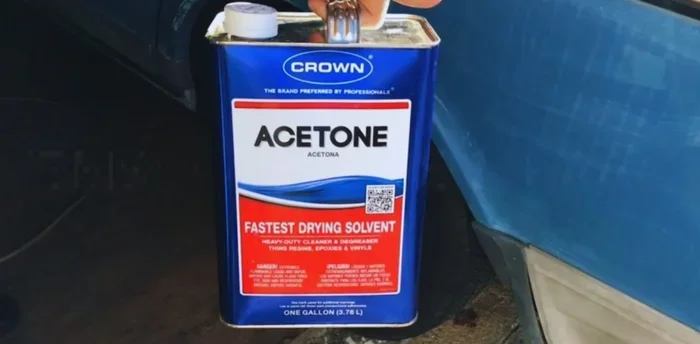
Acetone is a fast-evaporating organic solvent. It is a colorless liquid with a strong smell. You probably know it as the main ingredient in nail polish remover. In the automotive world, it serves as a heavy-duty degreaser and paint remover. Its ability to dissolve many substances makes it useful for surface preparation and cleanup. But that same power is what makes it dangerous for your car’s paint.
How Acetone Works as a Solvent
Acetone breaks down the bonds in paints, adhesives, and oils. It works quickly because it evaporates fast, leaving no residue behind. For paint removal, this speed is both a blessing and a curse. It can strip a mistake in seconds, but it can also attack your factory paint in seconds. The solvent penetrates the clear coat and softens the layers beneath. If you leave it sitting, it can cause permanent damage. Understanding this chemistry helps you respect the product and use it with care.
Common Uses for Acetone in Automotive Settings
Many detailers and painters keep acetone on hand for specific tasks. Here are the most common uses where acetone is the go-to choice:
- Removing paint overspray: When you accidentally spray paint onto a nearby panel, a small amount of acetone on a cloth can dissolve it before it cures.
- Stripping adhesive residue: Price stickers, tape marks, and bumper stickers often leave a sticky film. Acetone dissolves this residue quickly.
- Degreasing surfaces: Before applying paint or primer, acetone can clean a surface of oils and contaminants.
- Cleaning paint equipment: Spray guns and brushes often need acetone to thin or clean certain paints.
- Removing nail polish or sap: A quick dab can lift these substances from a painted surface if acted upon fast.
Notice a pattern? All these uses involve short contact time and small areas. That is the golden rule of using acetone on car paint. The moment you need to soak or scrub broadly, you are stepping into danger territory.
Can Acetone Damage Car Paint? The Real Risks
The honest answer is yes, acetone can damage car paint. The extent of the damage depends on several factors. The age of the paint, the type of paint system, and the duration of contact all play a role. A modern car with a clear coat is more vulnerable than an old car with single-stage paint. Let us explore exactly what can go wrong.
Understanding Automotive Paint Layers
Your car’s paint is a sandwich of materials. The first layer is the primer, which adheres to the metal. Next comes the base coat, which gives the color. Finally, the clear coat sits on top, providing gloss and protection. Acetone can attack all three layers, but it especially loves the clear coat. The clear coat is a polyurethane layer that is sensitive to harsh solvents. When acetone touches it, it can soften, cloud, or even dissolve the finish. This leaves a dull, rough spot that cannot be fixed with a simple polish.
When Acetone Causes Harm
Damage happens in a few specific scenarios. First, leaving acetone on the paint for more than a few seconds. Even a diluted mix can cause issues if it sits too long. Second, using undiluted acetone directly from the bottle. This is far too aggressive for most automotive paint. Third, applying acetone to a car that has not been washed. Dirt particles act like sandpaper, and the acetone drags them across the surface, creating swirl marks and scratches. Finally, using acetone on a freshly painted surface. New paint is soft and vulnerable. Acetone can peel it right off.
Another risk is the damage to wax and sealant layers. Acetone strips everything, including your protective wax. After using acetone, you must reapply a quality wax or ceramic coating to restore protection. Skipping this step leaves the paint exposed to the elements.
When It’s Safe to Use Acetone on Car Paint
So, when should you reach for acetone? The answer is for small, controlled tasks where the paint is fully cured and you can limit the contact time. Safety comes from preparation and discipline. Here are the two most common safe scenarios.
Controlled Spot Treatments
If you need to remove a small drip of paint or a sticky label, acetone works well. The key is to use the smallest amount possible. Pour a tiny bit onto a microfiber cloth, not directly onto the paint. Dab the affected area gently. Do not rub aggressively. Watch for the solvent to dissolve the target material. As soon as the residue lifts, wipe the area clean with a damp cloth. This entire process should take less than 30 seconds of contact. That short window greatly reduces the risk of paint damage.
Removing Paint Overspray Safely
Paint overspray is a common annoyance. If you notice wet paint mist on your fender while spraying a nearby part, you can use acetone to fix it. Wait for the overspray to partially dry but not fully cure. A tiny amount of acetone on a soft cloth will dissolve it. Work quickly and lightly. The paint has not bonded deeply yet, so it releases easily. Once the overspray is gone, wash the area with soap and water to remove any acetone residue. This method is safe because the contact time is minimal and the paint layer is intact.
Always remember that acetone should never be used for large-scale paint removal. If you are stripping an entire panel, you need a dedicated paint stripper designed for automotive use. Those products are formulated to work on paint without attacking the clear coat as aggressively as pure acetone.
Step-by-Step: How to Use Acetone on Car Paint Without Causing Damage
If you have decided that acetone is the right tool for the job, follow this careful process. The goal is to remove the unwanted material while preserving the paint beneath. Patience and gentle technique are your best friends here.
Preparation and Materials Needed
Before you start, gather your supplies. You will need a bottle of pure acetone, several clean microfiber cloths, a bucket of soapy water, a soft-bristle brush, painter’s tape, and a quality automotive wax. Having everything ready prevents you from rushing and making mistakes. The preparation phase is where most people cut corners, and that is where damage happens.
- Wash the car thoroughly. Use a gentle car shampoo and a microfiber wash mitt. Rinse well and dry with a clean microfiber towel. This removes loose dirt that could scratch the surface.
- Mask off the surrounding area. Use painter’s tape to protect the paint edges around the spot you will treat. This prevents acetone from accidentally spreading to good paint.
- Choose a hidden test spot. Find an inconspicuous area, like inside a door jamb. Apply a small amount of diluted acetone to a cloth and dab it for 10 seconds. Wipe it off and inspect the paint. If any clouding or discoloration occurs, do not proceed with acetone on that car.
- Dilute the acetone. For most tasks, mix one part acetone with one part water. This reduces the solvent strength and gives you more working time. Pure acetone is only for the most stubborn, fully cured adhesive spots.
The Application Process
Now you are ready to apply the acetone. Follow these steps exactly:
- Dip a clean microfiber cloth into your diluted acetone mix. Wring it out so it is damp, not dripping wet.
- Place the cloth gently on the target area. Do not rub back and forth. Just hold it there for a few seconds.
- Check the area frequently. As soon as the unwanted material starts to dissolve, lift the cloth and wipe it away.
- Use a fresh, damp cloth to immediately wipe the area clean. This removes any acetone residue before it can cause harm.
- Inspect the paint under good light. If you see any haze or dullness, stop and move to the next step.
- Apply a layer of automotive wax or sealant to the treated area. This restores the protective barrier that the acetone stripped away.
This process might feel slow, but that is the point. Speed is the enemy of paint safety. Taking your time ensures you get the result you want without a costly repair bill.
Safer Alternatives to Acetone for Common Car Paint Tasks
Acetone is not always the best choice. For many car paint tasks, there are gentler and equally effective alternatives. Knowing these options gives you flexibility and reduces the risk of damage. Let us compare the most common substitutes.
Comparing Acetone to Other Solvents
Not all solvents are created equal. Some are safer for automotive paint, while others are just as harsh as acetone. Here is a quick comparison table of common options:
| Solvent | Paint Safety | Best Use | Risk Level |
|---|---|---|---|
| Acetone | Low to moderate | Removing cured adhesive, paint overspray | High if misused |
| Isopropyl Alcohol (70% or higher) | Moderate | Degreasing, removing light adhesive | Low to moderate |
| Lacquer Thinner | Low | Cleaning paint equipment, heavy-duty removal | Very High |
| Rubbing Alcohol (standard) | Moderate | Spot cleaning, sticky residue | Low |
| Detailing Clay Bar | Very High | Removing bonded contaminants, overspray | Very Low |
| Dedicated Paint Remover (chemical) | Moderate | Striping old paint safely | Moderate |
| Soap and Water | Very High | General cleaning, light dirt | Very Low |
When to Use Each Alternative
For most day-to-day paint cleanup, start with soap and water. A dedicated detailing clay bar is excellent for removing overspray without any chemicals at all. It lifts contaminants gently from the surface. Isopropyl alcohol is a great middle-ground solvent. It is strong enough to dissolve many adhesives but safer for clear coats than acetone. Use rubbing alcohol for light sticky spots like price tag residue. Reserve lacquer thinner and pure acetone for the most stubborn, cured materials where no other option works. Always test any solvent in a hidden spot first.
Another excellent alternative is a dedicated paint correction compound. If acetone has already caused light haze, a compound and polish can often restore the clarity. Prevention is always better than cure, though. Using the right tool from the start saves you the trouble of fixing mistakes.
Expert Tips and Common Mistakes to Avoid
Even with the best intentions, mistakes happen. I have seen car owners ruin a perfect paint job with a careless swipe of acetone. Here are the most important tips and pitfalls to keep in mind.
Quick Tips for Safe Acetone Use
- Always dilute acetone with water before applying it to any painted surface. A 50/50 mix is a safe starting point.
- Use a microfiber cloth rather than paper towels or old rags. Microfiber is gentle and does not scratch the paint.
- Work in a shaded area. Sunlight heats the paint and can cause acetone to flash off too quickly, leaving residue and uneven spots.
- Never use acetone on matte or satin finishes. These surfaces are especially sensitive and can be permanently ruined.
- Keep a spray bottle of water nearby. If you accidentally splash acetone on good paint, rinse it off immediately with water.
- Reapply wax after any acetone use. The solvent strips away all protection, leaving the paint vulnerable.
Common Mistakes That Ruin Paint
The biggest mistake is using acetone without testing first. What works on a friend’s car might destroy your paint if it has an older or softer clear coat. Another error is soaking the area with acetone and letting it sit. People think a longer soak will work faster, but it only deepens the damage. Scrubbing aggressively with a hard cloth is also a common blunder. The combination of acetone and friction melts the clear coat right off. Finally, ignoring the surrounding areas is a mistake. Acetone can creep beyond your target spot if you are not careful with your tape and cloth placement.
One expert insight I always share is this: acetone should be your last resort, not your first tool. Exhaust all gentler options before reaching for that bottle. Your car’s paint is a valuable asset. Treat it with respect, and it will protect your vehicle for years to come.
Conclusion
So, can you use acetone on car paint? Yes, you can, but it requires knowledge, care, and restraint. Acetone is a powerful solvent that can remove stubborn paint mistakes, adhesive residue, and overspray when used correctly. However, it can also strip your clear coat, cause etching, and ruin your paint’s glossy finish if you are careless. The key is to limit contact time, dilute the solvent, and always prepare the surface first. Safer alternatives like isopropyl alcohol and detailing clay should be your first line of defense. If you do use acetone, follow the step-by-step process outlined here, and always reapply wax afterward. Your car’s paint deserves the best care you can give it. Use this guide to make informed decisions and keep your vehicle looking its best.
Frequently Asked Questions
Will acetone remove car paint instantly?
Acetone can begin to soften and dissolve paint within seconds, but it does not instantly remove a whole paint layer. On a cured clear coat, it may cause clouding or dullness rather than full removal. For spot treatments, it dissolves small amounts of paint or adhesive quickly, but larger areas require more time and increase the risk of damage.
How long can acetone sit on car paint safely?
Acetone should never sit on car paint for more than 10 to 15 seconds. Even with dilution, prolonged contact can penetrate the clear coat and cause permanent haze. Always wipe it off immediately after the target material dissolves, and follow up with a clean damp cloth.
Can acetone damage a car’s clear coat?
Yes, acetone can damage a clear coat. It softens the polyurethane layer, leading to cloudiness, roughness, or even melting if left on too long. Modern clear coats are especially vulnerable, so any acetone use requires extreme caution and minimal contact time.
Is nail polish remover the same as pure acetone?
Most nail polish removers contain acetone mixed with oils, fragrances, and other additives. These additives can leave a residue on paint and are not ideal for automotive use. Pure acetone is a better choice if you must use it, but even pure acetone should be diluted for car paint applications.
What should I do if acetone ruins my car paint?
If acetone causes damage, do not panic. Start by washing the area with mild soap and water. For light haze, a quality paint correction compound and a dual-action polisher can often restore the clarity. Deep etching or clear coat removal may require professional repainting of the affected panel. Always wax or seal the area after any correction to restore protection.
Can I use acetone on a matte or satin paint finish?
No, you should never use acetone on matte or satin finishes. These surfaces have a special texture that acetone can permanently dissolve or smooth out, destroying the unique look. For matte paint, use a dedicated matte-safe cleaner or a mild soap and water solution only.