Is It OK to Drive With the Traction Control Light On
Is it OK to drive with the traction control light on? The short answer is yes, in most cases you can still drive, but you should not ignore it. When the traction control light stays on, it means your traction control system has a problem that could affect your safety on slippery roads. This guide covers what the light means, common causes, and when to get help.
Key Takeaways
- You can usually drive short distances with the traction control light on, but exercise caution on wet or icy roads.
- The traction control light often points to a faulty wheel speed sensor, ABS issue, or a simple fuse problem.
- Driving without traction control increases the risk of wheel spin and loss of vehicle control on slippery surfaces.
- Common causes include bad wheel speed sensors, low battery voltage, and a malfunctioning traction control module.
- Resetting the light is sometimes possible, but fixing the root cause is always the best approach.
- See a mechanic right away if the light flashes or comes with other warning signals on your dashboard.
- Regular maintenance of your braking system and tires can help prevent traction control issues.
📑 Table of Contents
- Is It OK to Drive With the Traction Control Light On?
- Can You Safely Drive When the Traction Control Light Is On?
- Common Causes of the Traction Control Warning Light
- What Happens When Traction Control Is Not Working?
- How to Fix the Traction Control Light
- When Should You See a Mechanic?
- Common Mistakes Drivers Make When the Traction Control Light Comes On
- Expert Insights on Traction Control and Vehicle Safety
- Key Takeaways
- Conclusion
Is It OK to Drive With the Traction Control Light On?
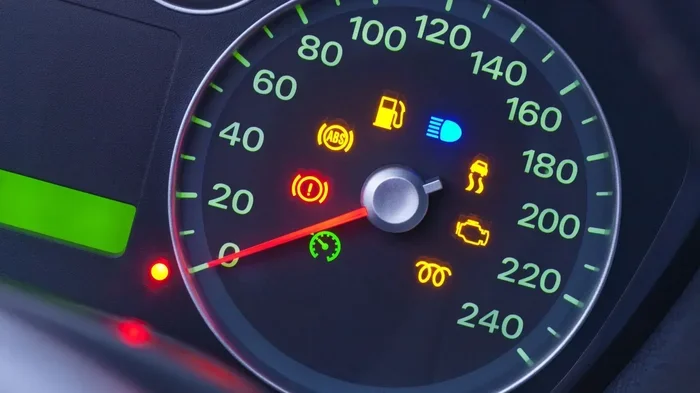
You are driving down the road and suddenly notice a yellow or orange light on your dashboard. It looks like a car with wavy lines behind it. That is your traction control light. Your first thought might be, “Is it OK to drive with the traction control light on?” The answer is not a simple yes or no. It depends on what is causing the light and the road conditions you are facing.
Most drivers will tell you that you can still drive a short distance with the traction control light on. Your car will still move. The engine will still run. But here is the catch. Without a working traction control system, your wheels can spin freely on wet or icy surfaces. This can lead to dangerous situations. So while it is not an immediate emergency in most cases, you should treat this warning seriously.
The traction control system is a safety feature designed to help you keep control of your vehicle. It works closely with your anti-lock braking system and electronic stability control. When one of these systems has a problem, your car loses an important layer of protection. Understanding what the light means and what to do about it can keep you and your passengers safe.
What Does the Traction Control Light Actually Mean?
The traction control light on your dashboard is a warning indicator. It tells you that something is not right with your traction control system. This system uses sensors at each wheel to monitor how fast the wheels are spinning. If one wheel starts spinning faster than the others, the system steps in. It reduces engine power or applies the brakes to that specific wheel. This helps you maintain grip.
When the traction control light stays on, it means the system has detected a fault. It has either turned itself off or cannot function properly. Sometimes the light comes on briefly when you start the car. That is normal. It is just a quick self-check. But if the light stays on while you are driving, something needs attention.
The symbol itself usually looks like a car with squiggly lines underneath. Some vehicles show a slightly different design. But the meaning is the same. Your traction control is not working as it should. This is not something you want to put off for too long.
Can You Safely Drive When the Traction Control Light Is On?
The short answer is yes, you can usually keep driving. But you need to be very careful. Your traction control system helps you accelerate smoothly on slippery surfaces. Without it, your rear wheels might spin when you hit the gas. This is especially true on rain-soaked roads, gravel, or ice.
Here is a simple way to think about it. The traction control light is like a check engine light for your grip. Your car can still move. But it has lost one of its safety nets. On a dry highway at steady speed, you might not even notice a difference. But the moment conditions get tricky, the lack of traction control becomes very obvious.
If the light comes on and stays on, reduce your speed. Avoid sudden acceleration. Leave more space between you and the car ahead. These small changes can make a big difference in keeping you safe until you can get the problem fixed.
Short-Term Driving vs. Long Trips
Driving a few miles to the nearest repair shop is generally fine. You are not putting yourself in extreme danger. But you should not take a long road trip with a faulty traction control system. Long drives through mountains, rain, or snow can be very risky without proper traction control. Plan to get the issue resolved before any extended journey.
Common Causes of the Traction Control Warning Light
Understanding what triggers the traction control light can help you figure out the next steps. Several issues can cause this warning to appear. Some are simple fixes. Others require professional help. Let us look at the most common causes.
Faulty Wheel Speed Sensors
The most common reason for the traction control light is a bad wheel speed sensor. These small devices sit near each wheel and measure how fast they are turning. They send this information to your car’s computer. If one sensor fails or gets dirty, the system cannot work properly. The computer then triggers the traction control light.
Wheel speed sensors get exposed to a lot of road grime, salt, and moisture. Over time, they can wear out or become clogged. This is a relatively common issue and not usually expensive to fix. But ignoring it can lead to bigger problems with your anti-lock braking system too.
ABS System Problems
Your traction control system works hand in hand with the anti-lock braking system. If your ABS has a problem, the traction control light often comes on too. A failing ABS module, low brake fluid, or a blown ABS fuse can all trigger both lights at the same time. These are serious issues that need immediate attention.
Low Battery Voltage
This one surprises a lot of drivers. A weak car battery or a failing alternator can cause the traction control light to turn on. Your car’s computer needs a steady power supply to run all its systems. When the voltage drops, the computer may shut down safety features like traction control. If you also notice other electrical issues, a battery test is a great first step.
Bad Traction Control Switch
Some vehicles have a manual switch to turn the traction control system on or off. If this switch goes bad, it can keep the light on even when the system is working fine. This is a simple and inexpensive fix. But it is easy to overlook because the problem is in the switch, not the system itself.
Traction Control Module Failure
The traction control module is the brain of the system. It processes data from the wheel speed sensors and decides when to intervene. If this module fails, the entire system goes down. A module issue is less common than a sensor problem, but it is more serious and more expensive to repair.
Tire and Wheel Issues
Mismatched tire sizes, worn tires, or a damaged wheel can also cause the traction control light to come on. Your car expects all four wheels to be the same size and in good condition. When they are not, the wheel speed readings become inaccurate. The system gets confused and shuts down. Keeping your tires properly maintained helps prevent this issue.
What Happens When Traction Control Is Not Working?
When your traction control system is off, you lose a key safety feature. Here is what you can expect on the road.
On wet roads, your wheels may spin when you try to accelerate. This makes it hard to speed up smoothly. On icy roads, the effect is even worse. Your car might slide or fishtail when you press the gas pedal. Even on dry roads, you may notice that your wheels spin more than usual during hard acceleration.
The traction control system also works with your electronic stability control. When traction control is off, stability control may be limited too. This means your car has less help staying on course during sharp turns or sudden maneuvers. For everyday driving on dry roads, this might not cause a noticeable problem. But in challenging conditions, the difference is significant.
How the Traction Control System Works With ABS
It helps to understand how these systems work together. Your anti-lock braking system prevents your wheels from locking up when you brake hard. The traction control system prevents your wheels from spinning when you accelerate. Both systems share the same wheel speed sensors and often the same control module. When one fails, the other is usually affected too.
This is why many drivers see both the traction control light and the ABS light on at the same time. It is a sign that the shared components are having a problem. You should address this as soon as possible.
How to Fix the Traction Control Light
Fixing the traction control light starts with finding the root cause. You cannot just clear the code and hope the problem goes away. Here are the steps you can take.
Step 1: Check for Other Warning Lights
Look at your dashboard carefully. Is the check engine light also on? Is the ABS light glowing? Are there any other warning symbols? Multiple lights at once usually point to a shared problem. This information will help you and your mechanic diagnose the issue faster.
Step 2: Inspect Your Tires
Check all four tires for even wear. Make sure they are the same size. Look for any visible damage like bulges or cuts. Uneven tires or a mismatched set can confuse the traction control system. Simple tire maintenance can sometimes clear the light entirely.
Step 3: Check the Brake Fluid
Low brake fluid can affect both your ABS and traction control systems. Open the hood and look at the brake fluid reservoir. If the level is low, top it off with the correct type of fluid recommended in your owner’s manual. If the fluid is consistently low, there may be a leak that needs professional attention.
Step 4: Get a Diagnostic Scan
Most auto parts stores will run a free diagnostic scan on your car. This tool reads the error codes stored in your vehicle’s computer. The codes tell you exactly which sensor or component is causing the problem. This is the fastest way to know what is wrong without guessing.
Step 5: Reset the System
After fixing the issue, you may need to reset the traction control light. In many cars, you can do this by disconnecting the battery for a few minutes. Some vehicles require a scan tool to clear the codes. If the light comes back after resetting, the problem is not fully fixed yet. Go back to step one.
Quick Tips for Traction Control Light Issues
- Always start with the simplest fix. Check tire pressure and fluid levels first.
- Do not ignore the light just because your car seems to drive fine.
- Keep your wheel speed sensors clean during routine car washes.
- Replace tires in pairs to maintain balanced readings across all wheels.
- Read your owner’s manual to understand what each dashboard light means for your specific vehicle.
When Should You See a Mechanic?
Some traction control issues are easy to fix on your own. But others need a professional touch. Here are signs that it is time to see a mechanic.
If the traction control light flashes instead of staying steady, that is a red flag. A flashing light usually means a more serious problem that needs immediate diagnosis. If the light comes with a shaking steering wheel, grinding brakes, or a burning smell, pull over safely and call for help.
Also see a mechanic if you have tried the basic checks and the light will not go away. A professional mechanic has the right tools and experience to pinpoint the exact issue. They can also run advanced diagnostics that go beyond what a basic scan tool offers. Trying to drive for weeks with the light on can lead to more damage and higher repair bills.
Cost of Repairs
The cost to fix the traction control light varies widely. A wheel speed sensor replacement might cost between 100 and 300 dollars. An ABS module repair can run into the hundreds or even thousands. A simple fuse replacement costs very little. The best way to avoid surprise bills is to get a proper diagnosis early. Small problems become big problems when they are left alone.
Common Mistakes Drivers Make When the Traction Control Light Comes On
Many drivers make mistakes when they see the traction control light. Avoiding these errors can save you time, money, and stress.
The biggest mistake is ignoring the light. Some drivers see a yellow warning and assume it is not important. It is important. The traction control system is a safety feature. It exists to protect you in moments when you need grip the most.
Another common mistake is assuming the problem is the traction control system itself. Often, the real issue is a wheel speed sensor or a wiring problem. Jumping to conclusions can lead to unnecessary part replacements. Always let a diagnostic scan guide your next steps.
Some drivers try to disconnect the light by pulling a fuse or unplugging a sensor. This does not fix the problem. It just hides the warning. The underlying issue is still there and will likely get worse over time.
Expert Insights on Traction Control and Vehicle Safety
Automotive experts agree that the traction control system is one of the most important safety features in modern vehicles. It was designed to reduce accidents caused by wheel spin and loss of grip. According to safety studies, electronic stability and traction control systems have significantly lowered the number of fatal single-vehicle crashes over the past two decades.
Mechanics recommend treating the traction control light the same way you would treat the check engine light or the ABS light. It is a warning that something needs attention. The sooner you address it, the safer you stay. Regular vehicle maintenance, including tire rotations and brake inspections, can help prevent many traction control issues before they start.
Also keep in mind that weather plays a big role. In rainy or snowy climates, a working traction control system is not a luxury. It is a necessity. Drivers in these areas should be especially proactive about addressing any warning lights that appear on the dashboard.
Key Takeaways
- You can usually drive short distances with the traction control light on, but exercise caution on wet or icy roads.
- The traction control light often points to a faulty wheel speed sensor, ABS issue, or a simple fuse problem.
- Driving without traction control increases the risk of wheel spin and loss of vehicle control on slippery surfaces.
- Common causes include bad wheel speed sensors, low battery voltage, and a malfunctioning traction control module.
- Resetting the light is sometimes possible, but fixing the root cause is always the best approach.
- See a mechanic right away if the light flashes or comes with other warning signals on your dashboard.
- Regular maintenance of your braking system and tires can help prevent traction control issues.
Conclusion
So, is it OK to drive with the traction control light on? The honest answer is that it depends. In an emergency, you can drive a short distance. But you should not make a habit of it. Your traction control system is a vital safety feature. When it is not working, your car has less grip and less stability. This is especially dangerous on wet, icy, or gravel roads.
The best approach is simple. Pay attention to the light. Do not ignore it. Start with basic checks like tire condition and brake fluid. Get a diagnostic scan to find the exact cause. And visit a mechanic if the problem is beyond your skill level. Taking these steps keeps you safe and prevents small issues from turning into expensive repairs.
Your car talks to you through its dashboard lights. The traction control light is one of those important messages. Listen to it. Respond to it. And you will enjoy a safer, smoother ride every time you get behind the wheel.
Frequently Asked Questions
Can I drive my car if the traction control light is on?
Yes, you can usually drive a short distance with the traction control light on. Your car will still move and the engine will still run. However, you should be extra careful on slippery roads because your wheels may spin more easily without traction control active.
What does the traction control warning light look like?
The traction control light usually looks like a car with wavy or squiggly lines underneath it. It is typically yellow or orange. If you are not sure what the symbol means, check your vehicle owner’s manual for the exact icon and meaning.
How much does it cost to fix the traction control light?
The cost varies depending on the cause. A wheel speed sensor replacement might cost 100 to 300 dollars. More complex issues like an ABS module failure can be more expensive. A diagnostic scan at an auto parts store is often free and helps narrow down the problem.
Can a bad battery cause the traction control light to come on?
Yes, a weak battery or failing alternator can trigger the traction control light. Your car’s computer needs stable voltage to run all safety systems. When power drops, the system may shut down and light up your dashboard.
Will the traction control light reset itself?
Sometimes the light will turn off on its own after the issue is resolved. In other cases, you may need to reset it manually by disconnecting the battery or using a diagnostic tool. If the light keeps coming back, the underlying problem is not fully fixed.
Is it safe to drive in the rain with the traction control light on?
It is not ideal. Without a working traction control system, your wheels are more likely to spin on wet roads. You should drive slowly, avoid sudden acceleration, and get the problem checked as soon as possible before driving in rainy conditions.
=== CONCLUSION ===
Is it OK to drive with the traction control light on? Yes, for a short distance, but you should not ignore the warning. Your traction control light is an important signal from your vehicle. It tells you that a safety system needs attention. By understanding what causes the light, how to fix it, and when to seek professional help, you can stay safe on the road. Take action early, keep up with regular maintenance, and never underestimate the value of a properly working traction control system.