Why Wont My Electric Parking Brake Release Properly
An electric parking brake that won’t release is a frustrating and potentially dangerous problem. This guide covers the most common reasons your electric parking brake release fails, from simple sensor issues to mechanical failures. You’ll learn how to diagnose the problem yourself and when to call a professional mechanic for help.
Key Takeaways
- Low brake fluid or old fluid can prevent your electric parking brake release from working properly.
- A faulty brake motor or actuator is one of the most common causes of a stuck parking brake.
- Wiring and sensor problems are often overlooked but can easily stop your EPB system.
- Regular maintenance helps prevent most electric parking brake issues before they start.
- Some fixes are simple DIY jobs, while others require a qualified mechanic.
- Driving with a stuck parking brake can damage your brakes and reduce safety.
📑 Table of Contents
- What Is an Electric Parking Brake and Why Does It Matter?
- Common Reasons Why Your Electric Parking Brake Wont Release
- How to Diagnose the Problem Yourself
- Step-by-Step Fixes for a Stuck Electric Parking Brake
- When to Call a Professional Mechanic
- Preventing Electric Parking Brake Problems in the Future
- Key Takeaways
- Conclusion
What Is an Electric Parking Brake and Why Does It Matter?
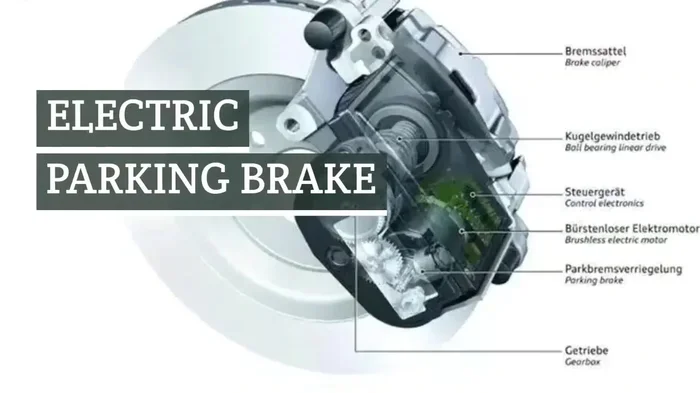
Most modern cars use an electric parking brake, also called an EPB. Instead of a lever or stick you pull with your hand, this system uses a motor and electronic controls to engage and release your rear brakes. You simply press a button on your dashboard or center console, and the system does the rest.
The electric parking brake release mechanism relies on a small motor, wiring, sensors, and your car’s computer to work correctly. When everything functions as it should, you get a smooth, reliable parking brake every time. But when something goes wrong, that little button can become the most frustrating thing in your car.
A stuck parking brake is more than just an inconvenience. If your rear brakes stay locked, you can damage your brake pads, rotors, and even your tires. In worst cases, driving with a stuck brake creates a serious safety risk. That is why understanding why your electric parking brake release fails matters so much.
In this article, we will walk through every common cause, show you how to diagnose the problem, and give you practical steps to fix it. Whether you are a DIY enthusiast or just want to understand what your mechanic is talking about, this guide has you covered.
Common Reasons Why Your Electric Parking Brake Wont Release
Several things can cause your electric parking brake release to stop working. Some are simple and cheap to fix. Others need professional attention. Let us look at the most common culprits.
Low or Contaminated Brake Fluid
Your electric parking brake system depends on proper brake fluid levels. When fluid gets low, the system may not have enough pressure to release the brakes. Old brake fluid also absorbs moisture over time, which can corrode internal parts and cause the EPB motor to malfunction.
If you have not checked your brake fluid recently, this is the first place to look. You can find the brake fluid reservoir under your hood, usually near the back of the engine bay. The fluid should be clear or light yellow. If it looks dark or dirty, you may need a flush.
Before you add any new fluid, check whether you can add new brake fluid to old. Mixing old and new fluid can sometimes cause problems, so it is best to follow your vehicle manual or consult a professional. Also, old brake fluid past its recommended service life can contribute to brake system failures, so always check the age of your fluid first.
Faulty Brake Motor or Actuator
The brake motor is the small electric motor that physically engages and releases your parking brake. Over time, this motor can wear out, overheat, or simply fail. When the motor stops working, your electric parking brake release will not function at all.
You might hear a clicking or grinding sound when you press the release button. That sound usually means the motor is trying to work but cannot. In some cases, the motor gets stuck in one position and needs to be replaced entirely.
Actuator failure is another common issue. The actuator is the component that translates the motor’s movement into actual brake engagement. If the actuator seizes up, no amount of pressing buttons will free your brakes. This type of repair typically requires a visit to a mechanic.
Wiring and Electrical Connection Problems
Your EPB system relies on a network of wires and connectors. If any wire becomes damaged, corroded, or loose, the signal between your button and the brake motor gets interrupted. This is one of the sneakiest causes because it does not always show up as an obvious problem.
Water intrusion is a common cause of wiring issues. If you drive through deep puddles or your car sits in wet conditions, moisture can get into connectors near the rear brakes. Corrosion builds up over time and eventually blocks the electrical signal.
Sometimes a wire simply chafes against a nearby component and breaks. This happens more often in older vehicles or cars with high mileage. A mechanic can use a diagnostic tool to trace the wiring and find the exact location of the break.
Faulty Brake Sensor or Switch
Your car has sensors that tell the EPB module when the parking brake is engaged or released. If a sensor fails or sends incorrect signals, the system may refuse to release the brake. This is similar to how a tire pressure sensor can give false readings when it malfunctions.
Sensor issues often trigger a warning light on your dashboard. If you see a brake warning light or a parking brake symbol staying on, do not ignore it. The sensor might be telling you something important about your brake system.
Software or Module Malfunction
Modern vehicles rely heavily on computer modules to control everything from braking to engine performance. The EPB control module is no exception. Sometimes a software glitch or a corrupted module can cause the parking brake to stick.
In many cases, a simple reset or software update from your dealership fixes this problem. If the module itself has failed, replacement may be necessary. This is a less common cause, but it does happen, especially in older vehicles with higher mileage.
Mechanical Binding or Seized Brake Components
Sometimes the problem is purely mechanical. The brake calipers can seize up, especially if a car sits unused for a long time. Rust, dirt, or lack of lubrication can cause the caliper pins to stick, which locks the parking brake in place.
This is more common in humid climates or coastal areas where salt and moisture accelerate corrosion. Regular driving helps keep things moving, but if your car sits for weeks at a time, you may notice the parking brake becoming harder to release.
How to Diagnose the Problem Yourself
Before you rush to a mechanic, there are a few things you can check at home. These steps will help you narrow down the cause and save time and money.
Check Your Dashboard Warning Lights
Start your car and look at your dashboard. Do you see a brake warning light or a parking brake symbol? If the light stays on after you try to release the brake, your car’s computer has detected a problem. This is your first clue about what might be going wrong.
Write down exactly what the light looks like and when it appears. Some cars show a generic brake warning, while others display a specific parking brake message. This information helps your mechanic diagnose the issue faster.
Listen for Unusual Sounds
When you press the electric parking brake release button, listen carefully. Do you hear a clicking sound? A grinding noise? Or complete silence? Each sound tells a different story.
A clicking noise usually means the motor is trying to work but cannot reach the brake. Silence often points to an electrical problem or a dead motor. Grinding suggests mechanical binding or a seized component.
Check Brake Fluid Level and Condition
Open your hood and locate the brake fluid reservoir. Check the fluid level against the minimum and maximum markers. If the level is low, top it off with the correct type of fluid for your vehicle. Then watch the level over the next few days. If it drops again, you likely have a leak that needs professional attention.
Also check the color and condition of the fluid. Fresh brake fluid is clear or light amber. Dark brown or black fluid means it is old and needs to be replaced. Keeping your brake fluid fresh is one of the best ways to maintain your entire brake system, including your electric parking brake.
Try the Manual Override
Many vehicles with an electric parking brake have a manual release mechanism hidden somewhere. This is usually a small access panel near the rear of the center console or under the trunk trim. Check your owner’s manual for the exact location.
The manual override lets you release the parking brake mechanically if the electronic system fails. This is not a permanent fix, but it can get you moving in an emergency. Always use the manual release carefully and drive slowly to a safe location or repair shop.
Inspect the Rear Brake Area
If you feel comfortable getting under your car, visually inspect the rear brake components. Look for obvious signs of damage, rust, or fluid leaks. You do not need to be a mechanic to spot something clearly wrong, like a broken wire or a leaking caliper.
However, be careful. Never work under a car supported only by a jack. Use jack stands or ramps, and make sure the car is parked on a flat, stable surface. Safety always comes first when working on your brake system.
Step-by-Step Fixes for a Stuck Electric Parking Brake
Once you have a good idea of what is causing the problem, you can try some fixes. Remember, some of these are safe for DIYers, while others need a professional touch.
Fix 1: Top Off or Replace Brake Fluid
If your brake fluid level is low, start by adding the correct type of fluid. Check your owner’s manual for the specification, usually DOT 3 or DOT 4. Pour the fluid slowly into the reservoir until it reaches the maximum line.
After adding fluid, try releasing the parking brake again. If it releases and stays released, you have found your cause. However, if the fluid was low because of a leak, you need to find and repair the leak before this becomes a bigger problem.
For best results, consider having the brake system flushed and refilled with fresh fluid. Old fluid loses its effectiveness over time, and replacing it helps protect all brake components, not just the parking brake.
Fix 2: Reset the EPB System
Sometimes the EPB module just needs a reset. To do this, turn off your car, wait about 30 seconds, and then restart the engine. Try pressing the parking brake release button again.
For a more thorough reset, you can disconnect your car battery for about 15 minutes. This clears any stored error codes in the system. Reconnect the battery, start the car, and try the parking brake again.
Keep in mind that disconnecting the battery may reset other settings in your car, like radio presets or clock settings. Make sure you know how to restore those before you disconnect anything.
Fix 3: Lubricate and Clean Brake Components
If the problem is mechanical binding, cleaning and lubricating the brake caliper pins can help. You will need a basic set of tools and some brake caliper grease. Remove the caliper, clean the pins with brake cleaner, apply fresh grease, and reinstall.
This fix works well for rust or dirt buildup that prevents the caliper from moving freely. It is a relatively simple job if you are comfortable working on your brakes. If you are not, leave this one to a professional mechanic.
Regular cleaning and lubrication of brake components is part of good vehicle maintenance. It prevents problems before they start and extends the life of your braking system.
Fix 4: Replace the Brake Motor or Actuator
If the motor or actuator has failed, replacement is usually the only option. The cost varies depending on your vehicle make and model, but expect to pay between $200 and $600 for parts and labor in most cases.
Some repair shops can replace just the motor, while others recommend replacing the entire actuator assembly. Ask your mechanic to explain the options and give you an estimate before proceeding.
After replacement, the new component may need to be programmed into your car’s computer. Many dealerships and independent shops have the tools to do this quickly and correctly.
Fix 5: Repair Wiring or Replace Sensors
If the problem is electrical, you may need to repair or replace damaged wiring. A mechanic can trace the wiring harness, find the damaged section, and splice in a new piece of wire. This fix is usually affordable and takes about an hour.
Sensor replacement is similarly straightforward. A new brake position sensor typically costs between $30 and $80, plus labor. The sensor is usually located near the rear brake assembly and is easy to access once the component is identified.
When to Call a Professional Mechanic
Not every parking brake problem is a DIY fix. Here are some situations where you should definitely call a professional.
- The parking brake is completely stuck and you cannot move the car at all.
- You smell burning or see smoke coming from the rear wheels.
- Brake fluid is leaking from anywhere under your car.
- You hear loud grinding or metal-on-metal sounds when trying to release the brake.
- Dashboard warning lights are flashing along with the parking brake message.
- You have tried basic fixes but the problem persists or comes back repeatedly.
Driving with a stuck parking brake can cause serious damage to your braking system. If you are ever unsure about a problem, it is always better to be safe and get professional help. A qualified mechanic can use diagnostic tools to read error codes from your car’s computer and pinpoint the exact issue.
Also, if you have recently had other brake work done, such as routine maintenance or brake pad replacement, the parking brake issue might be related. Sometimes a new part or adjustment can affect how the EPB system operates. Letting your mechanic know about recent work helps them diagnose the problem faster.
Preventing Electric Parking Brake Problems in the Future
The best way to deal with a stuck parking brake is to prevent the problem from happening in the first place. Here are some simple habits that keep your electric parking brake release working smoothly for years.
Use Your Parking Brake Regularly
It sounds counterintuitive, but using your parking brake regularly keeps the system in good working order. When you use it often, the motor and cables stay lubricated and move freely. If you never use it, components can seize up from lack of movement.
Make it a habit to engage and release your parking brake every time you park. This small action goes a long way toward preventing problems down the road.
Keep Brake Fluid Fresh
Brake fluid absorbs moisture over time, which leads to corrosion inside the system. Most manufacturers recommend replacing brake fluid every two years. Staying on top of this simple maintenance task protects your entire brake system, including the EPB motor and sensors.
Check your brake fluid level at least once a month. If you notice it dropping, investigate the cause right away. A small leak can become a big safety issue if left unchecked.
Drive Regularly and Avoid Long Periods of Inactivity
Cars that sit for weeks at a time are more prone to brake problems. Moisture builds up, components seize, and rubber parts deteriorate. If you can, drive your car at least once a week for 15 to 20 minutes. This keeps everything moving and helps prevent rust and corrosion.
If you must store your car for an extended period, consider using a battery tender and parking on a flat, dry surface. These small steps help protect your brake system during storage.
Address Warning Signs Immediately
Do not ignore warning lights, unusual sounds, or changes in how your parking brake feels. Catching problems early makes repairs easier and less expensive. A small sensor issue today can become a seized caliper next month if left unaddressed.
Stay proactive with your vehicle maintenance. Regular oil changes, brake inspections, and fluid checks keep your car running safely and help you avoid unexpected breakdowns.
Key Takeaways
- Low brake fluid or contaminated fluid is one of the simplest and most common reasons your electric parking brake release fails.
- A faulty brake motor or actuator requires professional diagnosis and often replacement.
- Wiring and sensor problems are sneaky causes that need diagnostic tools to find.
- Regular brake fluid changes and vehicle use prevent most EPB problems.
- Manual override features can get you moving in an emergency but are not permanent fixes.
- Driving with a stuck parking brake damages your brakes and compromises safety.
- When in doubt, see a mechanic rather than risk further damage to your brake system.
Conclusion
A stuck electric parking brake release is never fun, but it is almost always fixable. The key is to stay calm, diagnose the problem step by step, and know when to call for help. Whether it is low brake fluid, a dead motor, or a wiring issue, most causes have clear solutions.
Regular maintenance goes a long way in preventing these problems. Keep your brake fluid fresh, use your parking brake often, and pay attention to warning signs. These simple habits save you time, money, and stress in the long run.
If you have tried the basic fixes in this guide and your parking brake still will not release, do not hesitate to visit a trusted mechanic. A professional can diagnose the issue quickly and get you back on the road safely. Your brake system is one of the most important safety features on your car, so take care of it.
Frequently Asked Questions
Can I drive my car if the electric parking brake is stuck?
You should not drive your car with a stuck parking brake. Doing so can damage your rear brakes, reduce braking performance, and create a safety hazard. If the parking brake is partially engaged, you may notice a burning smell or reduced fuel efficiency. Have the problem diagnosed and repaired before driving the vehicle.
How much does it cost to fix an electric parking brake release?
The cost varies widely depending on the cause. Simple fixes like topping off brake fluid cost very little. Replacing a brake motor or actuator typically runs between $200 and $600 for parts and labor. Wiring repairs are usually on the lower end of the cost range. Always get a detailed estimate before authorizing any work.
Can cold weather cause an electric parking brake to stick?
Yes, cold weather can contribute to a stuck parking brake. Moisture in the brake system can freeze, causing components to bind. This is more common in older vehicles or cars that have not been driven regularly. Keeping your car in a garage and using your parking brake regularly helps prevent cold-weather issues.
Is it safe to use the manual override for my electric parking brake?
Yes, the manual override is designed as an emergency feature. Use it to get your car to a safe location or repair shop, but do not rely on it as a permanent solution. The manual release bypasses the electronic system but does not fix the underlying problem that caused the failure.
How often should I have my electric parking brake inspected?
Most manufacturers recommend inspecting the EPB system during every brake service, which is typically every 12,000 to 15,000 miles. If you notice any warning signs, such as a sticking brake or unusual sounds, have the system checked immediately. Regular inspections help catch small problems before they become expensive repairs.
Can a dead car battery cause the electric parking brake to fail?
Yes, a dead or weak battery can prevent the electric parking brake release from working because the system needs electrical power to operate. If your battery is dead, jump-start your car first and then try releasing the parking brake. If the problem persists after the battery is charged, the issue is likely something else in the EPB system.