What Do Dealerships Do When They Service Your Car
Dealerships perform a wide range of services when servicing your car, from oil changes and brake inspections to multi-point checks and software updates. Understanding what happens during a dealership service visit helps you make informed decisions and avoid unnecessary charges. This guide breaks down every step of the process so you know exactly what to expect.
You pull into the dealership service center for your first scheduled maintenance. You hand over your keys and wonder, what actually happens behind those garage doors? The process is more detailed than most people realize. Dealerships follow a structured routine designed to keep your vehicle safe, reliable, and running like new.
Knowing what do dealerships do when they service your car gives you confidence. You will not feel lost or taken advantage of. Instead, you will understand every step of the process. This knowledge also helps you spot unnecessary upsells and save money.
Whether you own a brand-new SUV or a trusted sedan, dealership servicing plays a big role in your car’s longevity. Let us walk through the entire process together.
Key Takeaways
- Dealerships follow a structured service process that includes diagnostic checks, fluid changes, and component inspections.
- Factory-trained technicians work on your vehicle using OEM parts and manufacturer-approved procedures.
- Understanding the service menu helps you avoid upsells and unnecessary expenses.
- Regular dealership servicing keeps your warranty valid and your car running smoothly.
- Not all dealerships perform the same services, so it pays to ask questions and compare.
- Some dealerships offer free services like key fob battery replacement and recall repairs.
- Keeping service records is essential for warranty claims and resale value.
📑 Table of Contents
- The Dealership Service Process Explained
- Common Services Performed During a Dealership Visit
- What to Expect During a Dealership Service Visit
- Do All Dealerships Perform the Same Services?
- How to Get the Most Out of Your Dealership Service
- Common Mistakes to Avoid During Dealership Service
- Final Thoughts on Dealership Servicing
The Dealership Service Process Explained
Every dealership follows a general service process. While the details may vary by brand and location, the core steps remain the same. Understanding these steps helps you feel prepared and informed.
Step One: Check-In and Vehicle Inspection
When you arrive, the service advisor greets you. They review your maintenance schedule and discuss any concerns you have. The advisor then walks your car to the service bay.
During this phase, the team performs a visual inspection. They check for obvious issues like worn tires, leaks, or damaged components. Some dealerships also offer a multi-point inspection at no extra cost. This checklist covers lights, fluids, belts, and hoses.
Step Two: Diagnostic Testing
Modern vehicles are essentially computers on wheels. Dealerships connect specialized diagnostic tools to your car’s onboard computer. These tools read error codes and identify hidden problems.
You might wonder, do dealers charge a diagnostic fee? Some do, but many include diagnostics in the service cost. Always ask before any work begins. Clear communication prevents surprise bills.
Step Three: Performing the Service
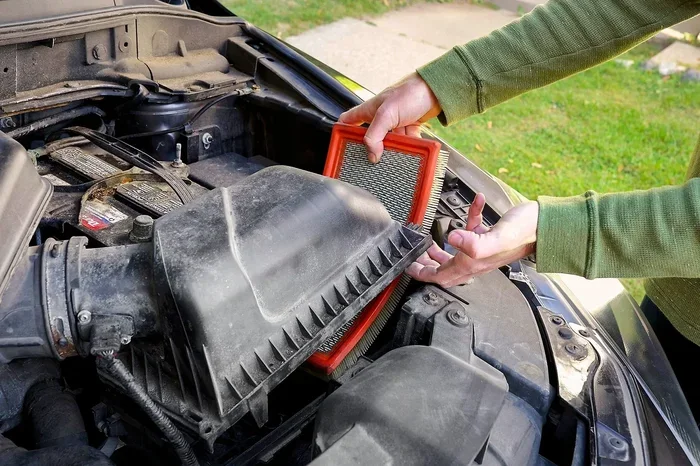
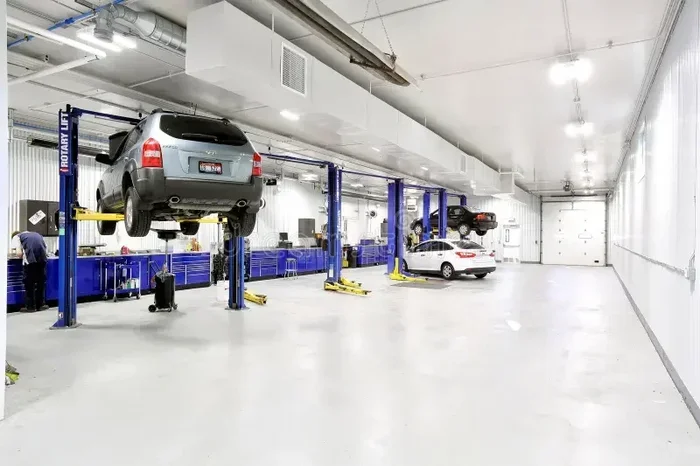
This is where the actual work happens. The technician follows the manufacturer’s recommended maintenance plan. Common tasks include oil changes, filter replacements, and fluid top-offs. The team also checks brakes, suspension, and steering components.
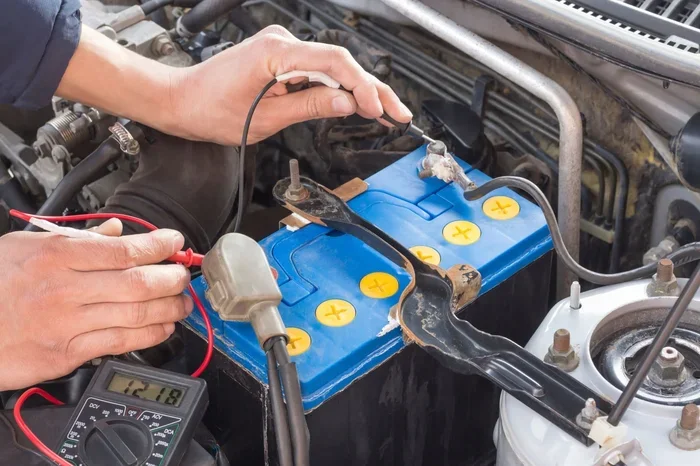
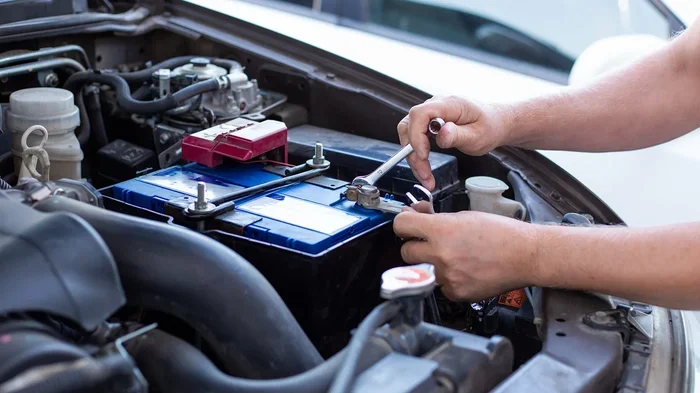
For hybrid and electric vehicles, the process includes battery checks and software updates. Can you jump start a Toyota hybrid car during service? Dealerships handle all types of vehicle needs, including hybrid-specific maintenance.
Common Services Performed During a Dealership Visit
Dealerships offer a wide range of services. Some are routine, while others address specific issues. Here is a breakdown of what you can typically expect.
Oil and Filter Changes
Regular oil changes keep your engine running smoothly. Most manufacturers recommend changing oil every 5,000 to 7,500 miles. The dealership uses OEM-grade oil that meets your vehicle’s specifications.
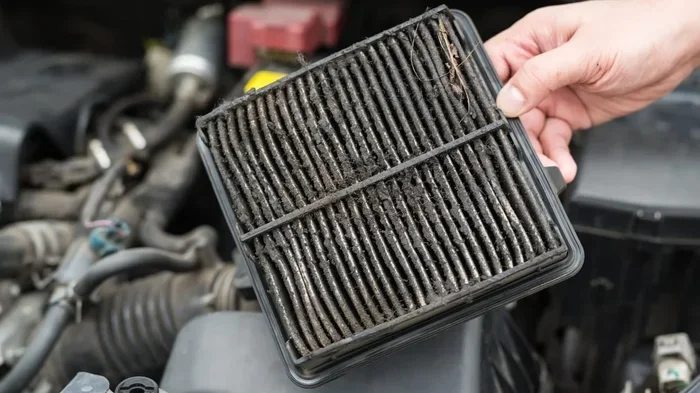
During an oil change, the technician also replaces the oil filter. This simple task prevents contaminants from damaging your engine. It is one of the most important parts of routine maintenance.
Brake Inspections and Repairs
Your brakes are your car’s most critical safety feature. During a service visit, the team inspects brake pads, rotors, and fluid levels. Worn brake pads get replaced promptly.
Dealerships use factory-approved brake components. These parts meet the same standards as the original equipment. Aftermarket brakes may not perform as reliably.
Tire Rotations and Alignment Checks
Tire rotations ensure even wear across all four tires. The dealership swaps tires from front to back and side to side. This simple step extends tire life and improves fuel efficiency.
Some service visits also include alignment checks. Proper alignment prevents your car from pulling to one side. It also keeps your steering wheel centered.
Fluid Flushes and Top-Offs
Your vehicle relies on several fluids to operate correctly. The dealership checks and replenishes coolant, transmission fluid, brake fluid, and power steering fluid. Neglecting fluid maintenance leads to costly repairs down the road.
Transmission fluid deserves special attention. Dirty fluid causes slipping and rough shifts. Regular flushes keep your transmission healthy for years.
Software and System Updates
Modern cars receive regular software updates. These updates improve performance, fix bugs, and add new features. Dealerships have access to the latest manufacturer software.
For Toyota and Lexus owners, software updates may also address can two people use the Toyota app for the same car connectivity issues. Keeping software current ensures all systems work properly.
What to Expect During a Dealership Service Visit
The service experience at a dealership differs from a quick-lube shop. You get access to specialized equipment and trained professionals. Here is what a typical visit looks like.
The Service Advisor Role
Your service advisor acts as your main point of contact. They explain what work needs to be done and provide cost estimates. A good advisor answers all your questions patiently.
Do not hesitate to ask for clarification. If the advisor recommends a service you do not understand, ask them to explain. You have every right to know what work is being done on your vehicle.
The Waiting Area Experience
Most dealership service centers offer comfortable waiting areas. You can enjoy free coffee, Wi-Fi, and magazines while your car gets serviced. Some locations even have shuttle services or loaner cars.
For shorter services like oil changes, you may be able to wait in the lounge. Longer services might require leaving your car and returning later. The advisor will give you a time estimate upfront.
Post-Service Walkaround
Once the work is complete, the service advisor walks you through the repairs. They point out what was done and what needs attention in the future. This is a great time to ask about upcoming maintenance needs.
The advisor also reviews the bill with you. Make sure every charge makes sense. If something seems unclear, speak up before you pay.
Do All Dealerships Perform the Same Services?
The short answer is no. Not all dealerships offer identical services. Several factors influence what a dealership can and will do.
Do all dealerships perform recalls? Yes, authorized dealerships handle manufacturer recalls at no cost to you. Recalls are a critical part of dealership servicing. They address safety issues and keep your vehicle compliant.
Some dealerships also offer bodywork, paint repair, and detailing services. Others focus strictly on mechanical work. The range of services varies by location and brand.
For example, do dealerships tint your car? Many dealerships offer aftermarket add-ons like window tinting. These extras are optional and usually not covered under warranty service.
Similarly, do dealerships replace key fob batteries for free? Some brands include this as a courtesy service. Others charge a small fee. Always check with your specific dealership.
How to Get the Most Out of Your Dealership Service
You can take steps to make every dealership visit more productive. These tips help you stay informed and avoid common pitfalls.
Know Your Maintenance Schedule
Your owner’s manual contains the recommended maintenance schedule. Follow it closely. Sticking to the schedule keeps your warranty intact and your car reliable.
Set reminders for upcoming services. Most dealerships offer service reminders via email or text. Take advantage of these notifications.
Ask Questions Without Hesitation
Never feel shy about asking questions. Your service advisor expects them. Ask about the purpose of each recommended service. Understand why it matters for your specific vehicle.
If a service seems unnecessary, request more information. A reputable dealership will explain their reasoning clearly. Trust your instincts and seek clarification.
Review the Invoice Carefully
Always review the invoice before paying. Check that all listed services match what was discussed. Look for any charges you do not recognize.
Keep copies of every service invoice. These records prove you maintained your vehicle properly. They also boost resale value when you decide to sell.
Compare Dealership Service Costs
Dealership service costs can vary. One location might charge more for the same work as another. When possible, compare pricing across dealerships in your area.
Keep in mind that dealership service often includes warranty coverage on parts and labor. Independent shops may offer lower prices but lack manufacturer backing.
Common Mistakes to Avoid During Dealership Service
Even informed car owners make mistakes during dealership visits. Here are a few pitfalls to watch out for.
Skipping the multi-point inspection. This free checkup can catch small problems before they become expensive repairs. Always accept the inspection.
Ignoring service reminders. Delaying scheduled service voids your warranty and risks mechanical failure. Stay on top of maintenance dates.
Not asking about recall repairs. Many car owners do not realize their vehicle has an open recall. Always ask the service advisor to check.
Approving work without understanding it. Never authorize repairs you do not fully understand. Ask for a detailed explanation before giving the go-ahead.
Final Thoughts on Dealership Servicing
Understanding what do dealerships do when they service your car empowers you as a car owner. You walk into the service center with knowledge and confidence. You know what to expect and what questions to ask.
Dealership servicing offers unique benefits. Factory-trained technicians work on your vehicle. OEM parts ensure compatibility and quality. Manufacturer-backed warranties give you peace of mind.
Regular dealership maintenance keeps your car running at its best. It also preserves resale value and prevents costly breakdowns. Make servicing a priority, not an afterthought.
Next time you visit the dealership, you will know exactly what is happening under the hood. That knowledge makes all the difference.
Frequently Asked Questions
What happens during a typical dealership car service?
A typical dealership service includes a multi-point inspection, diagnostic testing, fluid checks, and any manufacturer-recommended maintenance. The service advisor reviews the findings with you and provides a detailed estimate before any work begins.
Do dealerships charge for diagnostic testing?
Some dealerships charge a diagnostic fee, while others include it in the service cost. Always ask about diagnostic charges upfront. Many manufacturers offer free diagnostics during scheduled maintenance visits.
Can you get your car serviced at a dealership if it is still under warranty?
Yes, servicing your car at an authorized dealership keeps your warranty valid. Dealerships use OEM parts and follow manufacturer procedures. This ensures all warranty requirements are met during every service visit.
Do dealerships perform recall repairs for free?
Yes, all authorized dealerships perform recall repairs at no cost to the vehicle owner. Recalls address safety issues identified by the manufacturer. You can check for open recalls using your vehicle identification number.
What should you bring to a dealership service appointment?
Bring your owner’s manual, service records, and any relevant warranty documents. Also bring your vehicle registration and insurance information. If you have specific concerns, write them down before your appointment.
How long does a dealership service appointment take?
A routine service like an oil change typically takes one to two hours. More extensive services, such as major inspections or repairs, may take half a day or longer. The service advisor will give you a time estimate when you drop off your vehicle.
=== CONCLUSION ===
What do dealerships do when they service your car involves a thorough, multi-step process designed to keep your vehicle in top condition. From diagnostic testing to fluid changes and inspections, every step serves a purpose. Regular dealership maintenance protects your investment and keeps your car safe on the road.
Stay informed, ask questions, and keep your service records organized. These simple habits pay off in the long run. Your car deserves the best care, and now you know exactly how to give it.
Next time you visit the service center, you will feel prepared and confident. That is the power of knowledge when it comes to dealership car service.