Is It Worth Replacing a Hybrid Battery for Your Vehicle
Replacing a hybrid battery is a big decision that depends on cost, vehicle age, and your driving needs. Many drivers worry about the high price tag, but a new battery can restore fuel economy and extend your car’s life by several years. Understanding the signs, costs, and alternatives helps you make a confident choice.
Many hybrid owners face a tough question at some point: is it worth replacing a hybrid battery? The answer isn’t always straightforward. It depends on your vehicle, your budget, and how long you plan to keep the car.
A hybrid battery replacement can feel overwhelming. The cost is high, and the process seems complicated. But here’s the good news: a new battery often brings back the fuel efficiency and performance you loved when you first bought the car.
This guide breaks down everything you need to know. We’ll cover the signs that your battery is failing, the costs involved, and whether replacing it makes sense for your situation. By the end, you’ll have a clear picture of your options.
Key Takeaways
- Hybrid battery replacement costs typically range from $1,000 to $6,000 depending on the vehicle.
- Warning signs like reduced fuel economy and strange warning lights point to battery degradation.
- OEM and aftermarket options both exist, and refurbished batteries can save you significant money.
- Hybrid battery life averages 8 to 15 years with proper maintenance and care.
- Alternatives like recharging or module replacement may be cheaper than a full battery swap.
- Resale value improves significantly after a fresh battery installation.
📑 Table of Contents
- Understanding How Hybrid Batteries Work
- Signs Your Hybrid Battery May Need Replacement
- Hybrid Battery Replacement Cost Breakdown
- Factors That Affect Hybrid Battery Life
- Alternatives to Full Battery Replacement
- Is Replacement Worth It? Making the Decision
- Tips for Maximizing Your Hybrid Battery Investment
- Conclusion
Understanding How Hybrid Batteries Work
The Basics of Hybrid Battery Technology
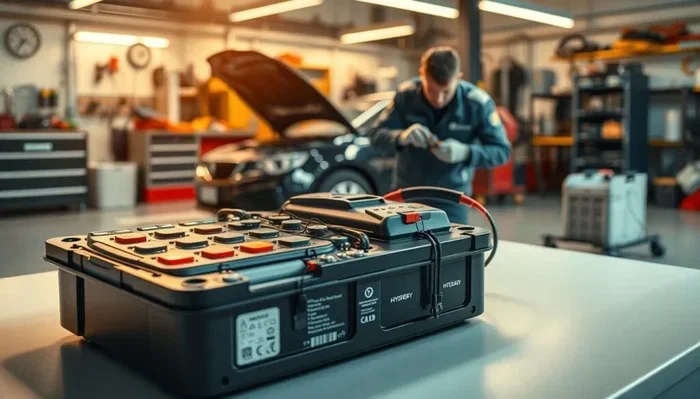
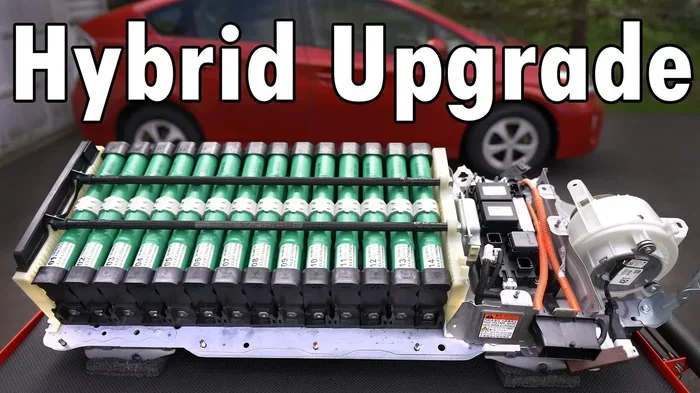
Hybrid vehicles use two power sources: a gas engine and an electric motor. The hybrid battery stores energy that powers the electric motor. Unlike a regular car battery, this is a high-voltage battery designed to last many years.
The battery works alongside a system called regenerative braking. This system captures energy when you slow down and stores it back in the battery. It’s a clever design that helps improve fuel economy and reduces wear on the brake pads.
Most hybrid batteries are nickel-metal hydride (NiMH) or lithium-ion (Li-ion). Toyota hybrids often use NiMH, while newer models may use Li-ion. Both types are durable, but they do degrade over time. Understanding this helps set realistic expectations for hybrid battery life.
Types of Hybrid Systems and Their Batteries
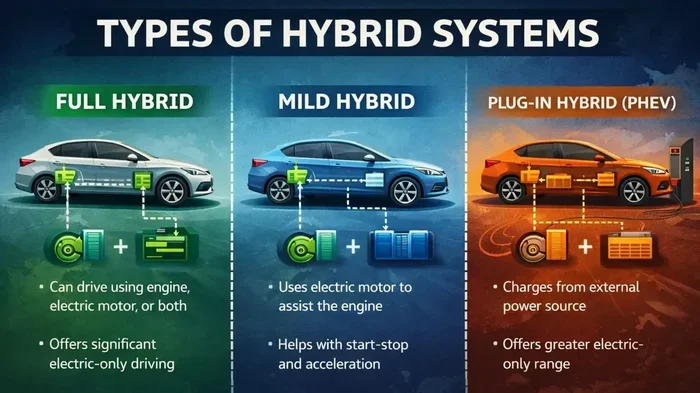
Not all hybrids are the same. Full hybrids can run on electric power alone for short distances. Mild hybrids use the electric motor only to assist the gas engine. Plug-in hybrids have larger batteries that you charge from an outlet.
Each type uses a different battery size and configuration. Full hybrids tend to have bigger batteries that wear out more slowly. Plug-in hybrids experience more charge cycles, which can shorten their lifespan. Knowing your hybrid type helps you understand what to expect.
Signs Your Hybrid Battery May Need Replacement
Common Warning Signs to Watch For
Your car usually tells you when something is wrong. The key is paying attention to the signals. Here are the most common signs that your hybrid battery is degrading:
- Reduced fuel economy — You fill up more often even though your driving habits haven’t changed.
- Uneven battery charge — The battery indicator shows lower charge than it should.
- Check engine or hybrid system warning light — These lights on the dashboard should never be ignored.
- Rough idle or stalling — The car struggles to stay running at stoplights.
- Reduced electric-only driving — Your car no longer runs on electric power as often.
- Strange noises — Clicking or buzzing sounds from the battery area.
When to Get a Diagnostic Test
If you notice any of these signs, don’t wait. Visit a mechanic who specializes in hybrid vehicles. A diagnostic test can read the battery’s state of health. Many dealerships and independent shops offer this service for a reasonable fee.
Some drivers ignore the warning signs because they fear the cost. But delaying a replacement can lead to bigger problems. A failing battery can strain the gas engine and reduce overall performance. Addressing the issue early often saves money in the long run.
Hybrid Battery Replacement Cost Breakdown
What Drives the Price of a New Battery
The cost of replacing a hybrid battery varies widely. Several factors determine the final price. Understanding these helps you budget and avoid surprises.
First, the vehicle make and model matter a lot. A Toyota Camry hybrid battery costs differently than a plug-in hybrid battery. Second, the battery type plays a role. Lithium-ion batteries tend to cost more than NiMH packs.
Third, labor costs vary by location and shop. Some hybrid battery replacements take several hours of work. The high-voltage system requires special tools and trained technicians. This adds to the overall expense.
OEM vs Aftermarket Battery Options
You have two main choices when buying a replacement battery. OEM stands for Original Equipment Manufacturer. These batteries come directly from the carmaker. They match the original specs perfectly and usually carry a warranty.
Aftermarket batteries are made by third-party manufacturers. They cost less but may not match the quality of OEM parts. Some aftermarket options are excellent, while others are questionable. Always buy from a reputable supplier.
Here’s a quick comparison of the two options:
- OEM Battery: Higher cost ($3,000–$6,000), full warranty, guaranteed compatibility.
- Aftermarket Battery: Lower cost ($1,500–$3,500), varying warranty, check compatibility carefully.
- Refurbished Battery: Mid-range cost ($1,000–$2,500), shorter warranty, eco-friendly option.
Many drivers choose a refurbished hybrid battery to save money. These batteries are tested, repaired, and certified. They can be a smart middle-ground option if you work with a trusted provider.
Factors That Affect Hybrid Battery Life
Driving Habits That Extend Battery Health
How you drive has a big impact on how long your hybrid battery lasts. Gentle acceleration and smooth braking reduce stress on the battery. Avoiding extreme temperatures when possible also helps.
Short trips can actually be good for hybrid batteries. The regenerative braking system keeps the battery active and healthy. However, very short trips without enough recharge time can cause issues over the long term.
Climate and Environmental Factors
Extreme heat is the enemy of hybrid batteries. Parking in direct sunlight for years can accelerate battery degradation. Cold weather doesn’t damage the battery but can reduce its performance temporarily.
Keeping your car in a garage or shaded area helps preserve battery health. If you live in a hot climate, consider parking strategies that reduce sun exposure. Small habits add up over thousands of miles.
Regular maintenance also plays a role. Keeping the cooling system in good shape ensures the battery stays at the right temperature. Follow your owner’s manual for recommended service intervals.
Alternatives to Full Battery Replacement
Can a Dead Hybrid Battery Be Recharged?
Sometimes a hybrid battery isn’t truly dead. It may just be deeply discharged or have a faulty module. In these cases, recharging or refurbishing the battery can solve the problem without a full replacement.
Many shops specialize in hybrid battery reconditioning. They test each battery module and replace only the weak ones. This approach costs a fraction of a full replacement. It’s worth exploring before committing to a brand-new battery.
Some drivers also ask, “can you jump start a hybrid battery?” The answer depends on the vehicle. Most hybrids have a separate 12-volt auxiliary battery that you can jump start. The high-voltage hybrid battery itself cannot be jump-started in the traditional sense. Check your owner’s manual or consult a professional for guidance.
Module Replacement vs Full Pack Replacement
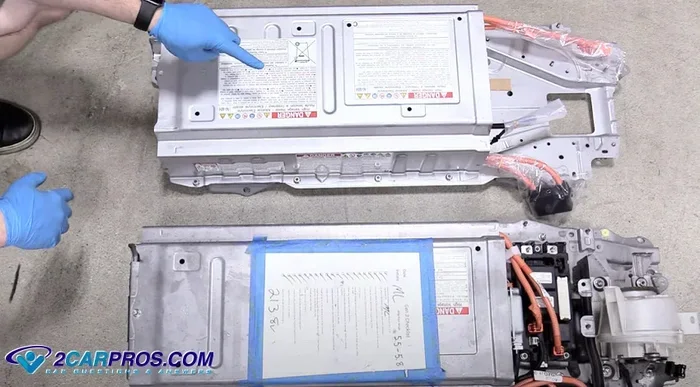
Hybrid battery packs are made up of individual modules. If one or two modules fail, you don’t always need to replace the entire pack. Module replacement is a much cheaper option.
A single module might cost $200 to $500 to replace. Compare that to a full pack replacement costing $3,000 or more. This approach works well when the rest of the battery is still healthy.
Ask your mechanic to run a module-by-module diagnostic. This test identifies exactly which modules are failing. It can save you thousands of dollars and extend your battery’s life significantly.
Is Replacement Worth It? Making the Decision
Weighing the Cost Against Vehicle Value
This is the big question. A new hybrid battery costs between $1,000 and $6,000. Is that worth it for your car? The answer depends on your vehicle’s overall value and condition.
If your car is relatively new and in good shape, a battery replacement makes sense. The restored fuel economy and performance justify the investment. You’ll likely save money on gas over the next several years.
But if your car is older with high mileage and other issues, it might not be worth it. In those cases, you might consider selling the car as-is or exploring other options. A failing battery can reduce a car’s resale value significantly, but a fresh battery restores it.
When Replacing Makes Financial Sense
Here are situations where replacement usually makes sense:
- Your car is less than 10 years old.
- The rest of the vehicle is in good mechanical condition.
- You drive enough miles to benefit from improved fuel economy.
- The battery is still under warranty or you can get a good extended warranty.
- You plan to keep the car for several more years.
When It Might Be Better to Move On
On the other hand, replacement might not make sense if:
- The car has over 200,000 miles and other major systems are failing.
- The replacement cost exceeds the car’s current market value.
- You’re planning to trade in or sell the car soon anyway.
- You find that driving without a hybrid battery is possible but not practical for your needs.
Some owners discover that their hybrid can still run on the gas engine alone if the battery fails completely. However, this is not ideal. The car loses its fuel efficiency advantage and may not perform as well. If you’re considering this route, research your specific model first.
Tips for Maximizing Your Hybrid Battery Investment
Maintenance Habits That Help
Once you’ve replaced your hybrid battery, take steps to protect your investment. Follow the manufacturer’s maintenance schedule closely. Keep the cooling system clean and functional.
Avoid draining the battery completely. Plug in plug-in hybrids regularly to maintain optimal charge levels. Drive smoothly whenever possible to reduce stress on the battery cells.
Warranty and Coverage Options
Many manufacturers offer hybrid battery warranties. Toyota, for example, covers hybrid batteries for 8 years or 100,000 miles in most states. Check your warranty before paying for a replacement. You might be covered at no cost to you.
Some extended warranty plans also cover hybrid batteries. If you purchased an extended warranty, contact the provider before scheduling any work. This could save you hundreds or even thousands of dollars.
Finding a Reliable Repair Shop
Not every mechanic can work on hybrid batteries safely. The high-voltage system requires specialized training and equipment. Look for shops that specifically advertise hybrid or electric vehicle services.
Ask for certifications and experience before committing. A qualified technician will test the entire hybrid system, not just the battery. They can identify related issues that might be causing or worsening battery problems.
Conclusion
So, is it worth replacing a hybrid battery? For most owners, the answer is yes. A new battery restores the fuel efficiency, performance, and driving experience that made your hybrid special in the first place. The upfront cost is significant, but the long-term benefits often outweigh the expense.
Explore all your options before deciding. Consider reconditioning, module replacement, and refurbished batteries alongside a full replacement. Each situation is unique, and the right choice depends on your vehicle, your budget, and your plans.
Take the time to get multiple quotes and run proper diagnostics. Don’t rush into a decision out of fear or frustration. With the right information and a trusted mechanic, you can make a confident choice that keeps your hybrid on the road for years to come.
Frequently Asked Questions
How long does a hybrid battery typically last?
Most hybrid batteries last between 8 and 15 years. Driving habits, climate, and maintenance all play a role. Regular care can push the lifespan toward the higher end of that range.
Can I still drive my hybrid if the battery fails?
In most cases, yes. The gas engine can take over, but you’ll lose the fuel economy benefits. Some drivers also ask whether you can still drive a hybrid without the battery, and while it’s possible, it’s not ideal for long-term use. Have the battery repaired or replaced as soon as possible.
Is a refurbished hybrid battery a good option?
Refurbished batteries can be a great money-saving choice. They’re tested, repaired, and often come with a warranty. Just make sure you buy from a reputable shop with positive reviews and solid warranties.
Does hybrid battery replacement affect fuel economy?
Absolutely. A new battery restores the fuel economy you had when the car was new. Many owners see a noticeable improvement in miles per gallon after replacement. This alone can offset the cost over time.
Can I replace the hybrid battery myself?
It’s not recommended. Hybrid batteries operate at high voltages that can be dangerous without proper training and equipment. Always have a qualified technician perform the replacement to ensure safety and proper installation.
How do I know if my hybrid battery is under warranty?
Check your owner’s manual or contact the dealership with your VIN. Most manufacturers cover hybrid batteries for 8 years or 100,000 miles. Some states have longer coverage requirements. A quick call can save you from paying for a replacement you don’t need to cover.