How to Make a Hybrid Battery Last Longer and Save Money
Keeping your hybrid battery healthy is one of the best ways to save money and avoid costly repairs. You can extend the life of your hybrid battery with simple habits like smart driving, proper charging, and regular maintenance checks. This guide covers the most effective ways to make a hybrid battery last longer, so you get the best return on your investment.
Owning a hybrid car comes with many perks. Better fuel economy. Lower emissions. And a quieter ride. But one thing every hybrid owner worries about is the battery. The hybrid battery is the heart of your vehicle’s powertrain, and it plays a huge role in how well your car performs. When it starts to fade, you notice reduced fuel efficiency, weaker acceleration, and even warning lights on your dashboard. The good news is that you can take steps to make a hybrid battery last longer. With the right habits and a little attention, you can stretch your battery life well beyond the average expectation.
Most hybrid batteries are designed to last between 100,000 and 150,000 miles. But that number isn’t set in stone. Your driving habits, climate, and maintenance routine all play a role. Some owners see their hybrid battery health decline after just 80,000 miles. Others push past 200,000 miles without a single issue. What’s the difference? It usually comes down to how well they care for the battery. This guide will walk you through the most effective strategies to keep your hybrid battery strong for years to come.
Key Takeaways
- Drive gently: Avoid aggressive acceleration and hard braking to reduce strain on your hybrid battery.
- Monitor battery health: Use your car’s battery management system and watch for warning signs early.
- Keep temperatures in check: Extreme heat and cold both harm hybrid battery life over time.
- Use regenerative braking: This feature naturally recharges your battery and reduces wear.
- Follow the maintenance schedule: Regular dealer checkups catch small problems before they become big ones.
- Avoid deep discharges: Keep your battery between 20% and 80% charge for maximum longevity.
- Know when to replace: Even with the best care, hybrid batteries eventually degrade and may need replacement.
📑 Table of Contents
- Understanding How Hybrid Batteries Work
- Drive Smarter to Protect Your Hybrid Battery
- Keep Your Battery Temperature in the Sweet Spot
- Follow a Smart Charging Routine
- Stick to a Regular Maintenance Schedule
- Common Mistakes That Shorten Hybrid Battery Life
- When It Is Time to Replace Your Hybrid Battery
- Final Thoughts: Making Your Hybrid Battery Last
Understanding How Hybrid Batteries Work
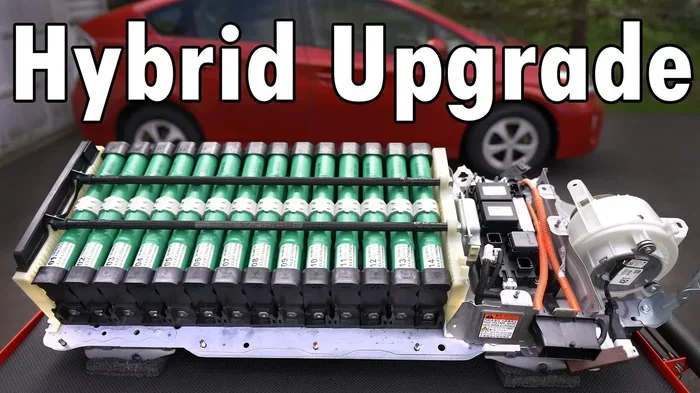
Before you can protect your hybrid battery, it helps to understand what it does and how it works. A hybrid battery stores electrical energy and works alongside your gas engine to power the car. During normal driving, the battery powers the electric motor at low speeds. When you brake, the system captures energy and sends it back to the battery. This process is called regenerative braking, and it is one of the smartest features in any hybrid vehicle.
Most hybrid cars use either nickel-metal hydride or lithium-ion batteries. Both types are durable, but they react differently to heat, cold, and charging habits. Knowing which type you have helps you tailor your care routine. Check your owner’s manual or ask your dealer if you are unsure. Understanding the basics of hybrid battery function also helps you spot problems early. When something feels off, you will know exactly what to look for.
The Role of the Battery Management System
Every modern hybrid has a battery management system, or BMS. This computer monitors your battery’s state of charge, temperature, and overall health. It adjusts how much power goes in and out of the battery to keep things running smoothly. The BMS also prevents overcharging and deep discharging, which are two of the biggest threats to battery longevity. You do not need to understand the technical details, but knowing the BMS exists helps you trust your car’s built-in protections.
Drive Smarter to Protect Your Hybrid Battery
Your driving style has a direct impact on how long your hybrid battery lasts. Aggressive driving puts extra stress on every part of your car, and the battery is no exception. Hard acceleration draws huge amounts of power from the battery in a short time. Hard braking wastes the energy your battery worked hard to store. Over time, this cycle wears down the battery cells and reduces their overall capacity.
Here are some simple driving habits that help your hybrid battery last longer:
- Accelerate smoothly and gradually. Give yourself extra time to merge or pass other cars. Gentle acceleration uses less battery power and reduces heat buildup.
- Use cruise control on highways. Steady speeds let the battery management system work at a consistent level. This reduces stress on the battery cells.
- Coast to a stop when possible. Instead of slamming on the brakes at the last second, ease off the accelerator early. This lets regenerative braking do its job and recharge the battery.
- Avoid carrying heavy loads unnecessarily. Extra weight forces the battery and engine to work harder, which shortens battery life over time.
These habits might feel small, but they add up over thousands of miles. Think of it this way: you are not just driving the car. You are actively charging and discharging the battery every time you hit the road. Treat it well, and it will treat you back.
Keep Your Battery Temperature in the Sweet Spot
Temperature is one of the biggest factors in battery health. Hybrid batteries perform best in moderate conditions, typically between 60 and 80 degrees Fahrenheit. When temperatures climb too high, the chemical reactions inside the battery speed up. This causes faster degradation of the battery cells. When temperatures drop too low, the battery struggles to hold a charge and delivers less power.
Hot weather is especially tough on hybrid batteries. If you live in a warm climate or park your car outside in direct sunlight, the heat can slowly damage your battery over time. This is why thermal management systems exist in most modern hybrids. These systems use liquid cooling or air cooling to keep the battery at a safe temperature. But even with these systems, you can take extra steps to help.
Tips for Hot Weather
- Park in the shade whenever possible.
- Use a windshield sunshade to keep the interior cool.
- Avoid charging your battery immediately after a long drive in hot weather. Let it cool down first.
- If your car has a battery cooling setting, use it during the hottest months.
Tips for Cold Weather
- Garage your car if you have the option.
- Take short, frequent drives rather than letting the car sit for days.
- Avoid using excessive heating right after startup, as it draws extra power from the battery.
- Give the battery a few minutes to warm up before driving aggressively.
If you are dealing with extreme temperatures regularly, your battery may degrade faster than normal. In that case, you might want to look into whether a dead hybrid battery can be recharged as part of a revival strategy. Sometimes a controlled reconditioning process can restore some lost capacity.
Follow a Smart Charging Routine
How you charge your hybrid battery matters more than most people realize. Unlike a phone battery, a hybrid battery is designed to stay within a specific charge range at all times. The battery management system handles most of this automatically, but there are still things you can do to help.
One of the most important rules is to avoid letting your battery drop to zero. Deep discharges are one of the fastest ways to damage hybrid battery cells. When the battery sits at a very low charge for too long, the internal chemistry changes in ways that reduce capacity permanently. On the flip side, keeping the battery at 100% charge all the time generates excess heat, which also causes wear.
The ideal range for most hybrid batteries is between 20% and 80%. Staying within this window gives the battery room to breathe and reduces stress on the cells. If you drive short trips most days, your battery will naturally cycle within this range. For longer road trips, try to recharge when the battery hits around 20%, but do not wait until it drops lower.
Should You Plug In Your Hybrid?
Some hybrid models, like the Toyota Prius Prime, allow you to plug in and charge the battery from an external source. Plug-in hybrids give you more control over your battery charge level. If you have access to a charging station at home or work, take advantage of it. Regular top-ups keep the battery in its optimal range and reduce the need for the gas engine to kick in for battery recharging.
If you are curious about charging options, you might wonder, can you charge a Prius Prime at a Tesla station? The answer depends on the connector type and station compatibility, but many modern hybrids can use universal charging networks. Always check your vehicle’s charging specifications before plugging in.
Stick to a Regular Maintenance Schedule
Routine maintenance is one of the easiest and most effective ways to extend your hybrid battery life. During scheduled service visits, technicians check your battery’s voltage, temperature, and overall performance. They also inspect the cooling system, which plays a big role in keeping the battery at a safe operating temperature. Skipping these checkups means small issues can go unnoticed and turn into expensive problems.
Here is what a typical hybrid battery maintenance routine looks like:
- Monthly: Check the dashboard for any battery warning lights. Pay attention to changes in fuel economy, as a sudden drop can signal battery issues.
- Every 5,000 miles: Have the technician inspect the battery terminals and cooling lines for corrosion or leaks.
- Every 15,000 miles: Run a full battery diagnostic test. This measures the state of health and identifies any weak cells before they cause bigger problems.
- Every 30,000 miles: Replace the battery coolant if your model requires it. Fresh coolant keeps the thermal management system working efficiently.
Sticking to this schedule might feel like a lot, but most of these checks happen during regular oil changes and service visits. You will barely notice the extra time. And the peace of mind is well worth it.
Warning Signs Your Hybrid Battery Is Failing
Knowing the warning signs of a failing hybrid battery helps you act before the problem gets worse. Here are the most common symptoms to watch for:
- The battery warning light stays on or flashes on the dashboard.
- Your fuel economy drops noticeably, even with normal driving habits.
- The car struggles to start or shuts off unexpectedly.
- You hear strange sounds coming from the battery area, such as clicking or humming.
- The battery state of charge drops faster than usual, even after short drives.
- Your car runs more on the gas engine than the electric motor, even at low speeds.
If you notice any of these signs, do not ignore them. The longer you wait, the worse the problem can get. In some cases, a failing battery cell can put extra strain on the healthy cells, causing a chain reaction of damage. Catching the issue early gives you more options and saves you money.
It is also worth noting that if your hybrid battery does fail, you are not necessarily stuck with a massive repair bill. Many shops can recondition or replace individual battery modules rather than the entire pack. This can save you thousands of dollars compared to a full replacement. Before you commit to anything, get multiple quotes and ask about refurbished battery options.
Common Mistakes That Shorten Hybrid Battery Life
Even with the best intentions, many hybrid owners make mistakes that quietly damage their batteries. Here are the most common ones to avoid:
- Letting the car sit for weeks without driving. When a hybrid sits idle, the battery slowly loses charge. A deeply discharged battery can suffer permanent damage. If you will not drive for a while, start the car and let it run for at least 15 minutes every week.
- Ignoring the cooling system. The battery cooling system works hand in hand with the battery management system. If the coolant level is low or the system is clogged, the battery overheats. Check the cooling system during every service visit.
- Using the wrong type of charger. If you own a plug-in hybrid, only use chargers that match your vehicle’s specifications. A mismatched charger can overcharge or undercharge the battery, both of which reduce lifespan.
- Relying only on the gas engine. Some drivers avoid using the electric motor as much as possible, thinking it saves the battery. In reality, regularly using the electric motor keeps the battery cells active and healthy. Let the hybrid system do its job.
- Skipping software updates. Modern hybrids receive software updates that improve battery management algorithms. These updates can optimize charging patterns and improve overall battery health. Keep your car’s software up to date.
Avoiding these mistakes might not sound exciting, but they make a huge difference over the life of your hybrid battery. Think of it as preventive care. A little effort now saves a lot of money and headaches later.
When It Is Time to Replace Your Hybrid Battery
Even with the best care, every hybrid battery eventually reaches the end of its useful life. Most manufacturers warrant their hybrid batteries for 8 to 10 years or 100,000 miles, whichever comes first. But some batteries last well beyond that. When the time comes to replace your battery, you have several options.
You can choose a brand-new battery from the dealer, which offers the best warranty and longest lifespan. You can also opt for a refurbished battery, which is a used battery that has been tested, repaired, and reconditioned. Refurbished batteries cost significantly less than new ones and can still deliver solid performance for years. Another option is to replace only the failing modules instead of the entire pack. This is the most cost-effective solution in many cases.
Before you decide, get a professional diagnosis. A trusted technician can tell you exactly what is wrong and recommend the best path forward. If you are considering a used hybrid, you might want to check whether the vehicle has a healthy battery first. And if you are wondering about resale value, remember that a well-maintained hybrid battery adds real value to your car.
Also, keep in mind that you do not need to replace your hybrid battery to keep driving. Many owners continue to operate their vehicles even with a degraded battery, relying more on the gas engine. However, this reduces fuel efficiency and defeats one of the main reasons you bought a hybrid in the first place. Can you still drive a hybrid without the battery? Technically yes, but it is not the ideal way to operate your vehicle.
Final Thoughts: Making Your Hybrid Battery Last
Making a hybrid battery last longer is not complicated. It comes down to a few simple habits: drive gently, keep the battery in its optimal temperature range, follow a smart charging routine, and stick to your maintenance schedule. These steps protect your investment and keep your car running at its best for years to come.
The money you save on fuel is already a big win with a hybrid. But avoiding an early battery replacement is an even bigger one. A new hybrid battery can cost anywhere from $2,000 to $8,000 or more, depending on the vehicle. By taking care of your battery now, you can delay or even avoid that expense entirely.
Your hybrid battery is a durable, sophisticated piece of technology. It is designed to handle thousands of charge cycles and millions of miles of driving. But it needs your help to reach its full potential. Follow the tips in this guide, stay alert to warning signs, and enjoy the benefits of a healthy hybrid battery for many years ahead.
Start today. Pick one habit from this list and commit to it this week. Small changes lead to big results, and your wallet will thank you every time you fill up the tank.
Frequently Asked Questions
How long should a hybrid battery last?
Most hybrid batteries are designed to last between 100,000 and 150,000 miles. With proper care and good driving habits, many owners push their hybrid battery life well beyond 200,000 miles. The key is consistent maintenance and avoiding habits that cause battery degradation.
What is the average hybrid battery replacement cost?
The cost to replace a hybrid battery typically ranges from $2,000 to $8,000 depending on the vehicle model and battery type. However, you can save money by opting for refurbished batteries or replacing only the faulty modules instead of the entire pack. Always get multiple quotes before committing to a replacement.
Can you jump start a hybrid battery?
Yes, you can jump start a hybrid battery, but it requires some extra care. Hybrid vehicles have both a 12-volt auxiliary battery and a high-voltage hybrid battery. Always consult your owner’s manual for the correct jump-starting procedure to avoid damaging the electrical system.
Does driving style really affect hybrid battery life?
Absolutely. Aggressive driving, hard braking, and rapid acceleration put extra strain on the battery and reduce its overall lifespan. Smooth, steady driving helps the battery manage charge cycles more efficiently and keeps the cells healthier for longer.
Should I keep my hybrid plugged in all the time?
No, keeping a plug-in hybrid plugged in at 100% charge all the time is not ideal. It generates excess heat and can accelerate battery wear. Aim to keep the charge level between 20% and 80% for the best long-term battery health and performance.
Can extreme cold damage a hybrid battery?
Extreme cold does not permanently damage a hybrid battery, but it does reduce its ability to hold a charge and deliver power efficiently. In very cold climates, the battery may take longer to reach optimal operating temperature. Parking in a garage and taking regular drives helps maintain battery health in cold weather.