How Much of Subaru Does GM Own and What It Means for You
GM does not own Subaru — not today, not ever in a full sense. General Motors held a roughly 20% stake in Fuji Heavy Industries for several years but sold that investment completely by the mid-2000s. Subaru Corporation now operates as a fully independent automaker, and that independence shapes everything from vehicle design to resale value.
The question “How Much of Subaru Does GM Own” comes up frequently among car buyers and automotive fans. GM does not currently own any part of Subaru. General Motors once held a roughly 20% stake in Fuji Heavy Industries, Subaru’s parent company, but divested that investment over a decade ago. Today, Subaru Corporation operates as a fully independent Japanese automaker with no ties to General Motors. Understanding this ownership history matters because it affects everything from resale value to how the brand designs and builds its vehicles.
The story behind GM and Subaru is more nuanced than most people realize. There was a real partnership, shared platforms, and even some common parts. But the two companies have always maintained their own identities. If you are shopping for a Subaru or just curious about how car companies relate to each other, this guide covers the full story.
We will walk through what GM owns, what Subaru owns, and why the answer to “how much of Subaru does GM own” is simpler than you think. You will learn the history, the current state of ownership, and what it all means for you as a driver or buyer.
Key Takeaways
- GM owns zero percent of Subaru. The old 20% stake was sold off completely over 15 years ago.
- Subaru Corporation is fully independent. It operates from Japan with no parent company or major automotive owner.
- Toyota holds a small minority stake in Subaru. But this is a strategic investment, not an ownership takeover.
- GM’s past investment had minimal impact on Subaru vehicles. The cars you buy today are designed and built entirely by Subaru.
- Subaru’s independence helps its brand identity. The company stays true to its core values like all-wheel drive and boxer engines.
- For consumers, the ownership question matters little. What matters is the quality, reliability, and features of the vehicle itself.
📑 Table of Contents
The Truth About GM and Subaru’s Relationship
Many car buyers assume that GM owns a big chunk of Subaru. After all, General Motors is one of the largest automakers in the world. Subaru is a well-known brand too. So it is easy to see why people wonder about the connection between them.
The truth is simpler than most folks think. GM does not own Subaru today. In fact, GM has not owned a meaningful stake in Subaru for many years. But the history between these two companies is more interesting than you might expect.
What Does GM Own in the Auto World?
General Motors has a long history of buying and selling car companies. GM owns brands like Chevrolet, GMC, Cadillac, and Buick. The company has also held stakes in other automakers over the years. For example, GM once owned a big share of Saab, the Swedish car maker. GM also had investments in Suzuki and Isuzu at various points.
But Subaru is not on that list. GM does not own any part of Subaru today. The two companies operate completely separately. They share no parent company, no board members, and no major business ties.
So How Much of Subaru Does GM Own Right Now?
The direct answer to “how much of Subaru does GM own” is zero. GM sold its last shares in Fuji Heavy Industries back in the mid-2000s. Since then, Subaru has been fully independent. Subaru Corporation owns and operates the brand from Japan.
This is good news for Subaru fans. It means the company makes all its own decisions. Subaru does not have to answer to a parent company that might push it in a different direction. The brand can focus on its core strengths like all-wheel drive and boxer engines.
Quick Tip
When researching any car brand, always check the current ownership status. Companies change hands, merge, or divest stakes frequently. A brand’s current independence often reflects its commitment to a unique identity.
A Brief History of GM’s Investment in Subaru
The relationship between GM and Subaru had a real beginning. It was not just a rumor or a misunderstanding. There was an actual investment, a partnership period, and a clean exit.
How Did GM Get Involved with Subaru?
The story goes back to the late 1990s. In 1999, General Motors bought about 20% of Fuji Heavy Industries. This gave GM a meaningful minority stake in the company behind Subaru. At the time, both automakers were looking for ways to share costs and technology.
GM and Subaru did share some platforms and parts during this period. This kind of sharing is common in the auto industry. It helps companies save money on development and manufacturing. The partnership was never deep, but it was real.
Why Did GM Sell Its Stake in Subaru?
GM sold its Subaru shares for a few key reasons. First, GM was going through serious financial trouble in the mid-2000s. The company needed to focus on its core brands. Holding minority stakes in other automakers did not fit that strategy.
Second, the partnership between GM and Subaru was never a deep one. They did not share major platforms or engines. The collaboration was mostly about small cost savings. When GM needed to cut costs, the Subaru stake was an easy sell.
By 2005, GM had completely divested its Subaru shares. The GM divestiture marked the end of any formal ownership tie between the two companies. Subaru went back to being fully independent.
Who Actually Owns Subaru Today?
Now that we have cleared up the GM question, let us look at who really owns Subaru. The answer might surprise you.
Subaru Corporation and Its Shareholders
Today, Subaru is owned by Subaru Corporation, which was formerly known as Fuji Heavy Industries. The company is publicly traded on the Tokyo Stock Exchange. Its largest shareholders include institutional investors and the Toyota Motor Corporation.
Yes, Toyota owns a small stake in Subaru. But this is a minority investment, not an ownership takeover. Toyota and Subaru have worked together on some projects, like the Toyota 86 and Subaru BRZ sports cars. Still, Subaru Corporation runs its own show.
Think of it this way. Subaru is like a neighbor who sometimes borrows tools from Toyota. They help each other out, but they live in separate houses and make their own decisions.
How Does Subaru’s Independence Affect the Brand?
Subaru’s independence gives it a lot of freedom. The company can focus on its own vision without answering to a giant parent corporation. This is why Subaru has stuck with its signature boxer engine and standard all-wheel drive for so long.
The brand has built a loyal following because of this consistency. Subaru owners appreciate that the company stays true to its values. It is not chasing trends just because a parent company demands it.
| Brand | Parent Company | Independent? | Key Focus |
|---|---|---|---|
| Subaru | Subaru Corporation (publicly traded) | Yes | All-wheel drive, boxer engines, safety |
| Chevrolet | General Motors | No | Mass-market vehicles, trucks, SUVs |
| Toyota | Toyota Motor Corporation | Yes | Reliability, hybrid technology, global reach |
| Cadillac | General Motors | No | Luxury vehicles |
What GM’s Past Investment Meant for Subaru Owners
Even though GM’s ownership of Subaru ended long ago, it is worth exploring what that period meant for actual Subaru drivers. Did the partnership change the cars? Did it affect quality?
Did GM’s Ownership Change Subaru Cars?
During the time GM held its Subaru stake, there were some visible changes. Subaru and GM shared a few platforms and components. This led to some overlap in parts and technology between the brands.
However, these changes were subtle. Most Subaru owners probably never noticed them. The core Subaru driving experience remained the same. The boxer engine, the symmetrical all-wheel drive, and the focus on safety all stayed intact.
Expert analysts note that GM’s investment period had very little impact on the quality or character of Subaru vehicles. The cars were still designed by Subaru engineers in Japan. The manufacturing still happened in Subaru’s own facilities.
How Does Ownership History Affect Subaru Resale Value?
You might wonder if GM’s past ownership affects how much your Subaru is worth today. The answer is not much. When it comes to how to determine the actual cash value of a car, buyers look at the brand, model, condition, and mileage. GM’s old stake in Subaru is not a factor most people consider.
That said, Subaru has a strong reputation for reliability. This reputation helped the brand build solid resale numbers over the years. Models like the Subaru Outback and Subaru Forester hold their value well.
Expert Insight
Automotive analysts agree that brand independence often correlates with stronger resale value. When a brand is not tied to a larger parent company’s ups and downs, consumers tend to trust it more. Subaru’s clean independence from GM is one reason the brand maintains steady demand in the used car market.
How GM’s Automotive Strategy Differs from Subaru’s
Understanding the ownership question also means understanding how each company approaches the auto industry. GM and Subaru could not be more different in their strategies.
GM’s Approach to Car Ownership
General Motors takes a very different approach to the auto industry. GM owns multiple brands and tries to cover every market segment. From economy cars like Chevrolet to luxury rides like Cadillac, GM casts a wide net.
GM also partners with other companies for technology and manufacturing. The company has invested heavily in electric vehicles through the Ultium platform. GM’s strategy is all about scale and market dominance. The company wants to be everywhere at once.
This approach has its advantages. GM can spread costs across many brands. But it also means each brand can feel less unique. GM brands sometimes share platforms and parts to save money.
Subaru’s Focus on Niche Excellence
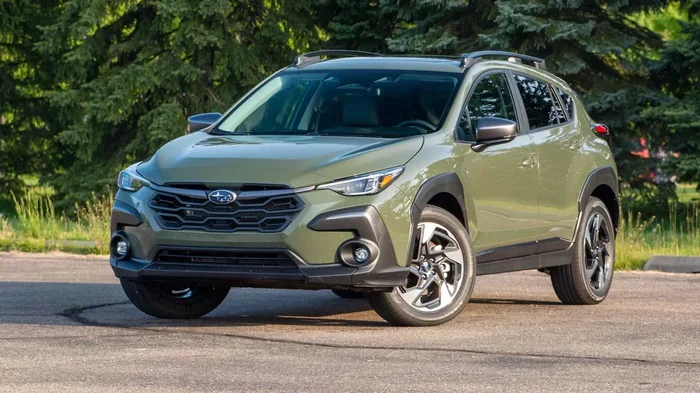
Subaru takes a completely different path. The company focuses on a smaller lineup of vehicles. Each Subaru model is designed with specific buyers in mind. The Subaru Ascent targets families. The Subaru WRX appeals to driving enthusiasts. The Subaru Crosstrek attracts outdoor adventurers.
Subaru’s automotive partnerships are also different. Instead of buying stakes in other companies, Subaru collaborates on specific projects. The Toyota 86 and Subaru BRZ are great examples. Both companies share development costs but keep their brands separate.
This focused approach has helped Subaru build a strong identity. People know exactly what a Subaru stands for. That clarity is a big part of the brand’s success.
Common Mistake
Do not assume that a car brand’s parent company determines its quality. Some of the best vehicles come from independent brands, and some average vehicles come from giant corporations. Always judge a car on its own merits, not its ownership structure.
What This Means for You as a Consumer
By now, you know the answer to “how much of Subaru does GM own.” But what does all of this actually mean for you? Let us break it down into practical terms.
Should You Buy a Subaru Because GM Does Not Own It?
Some buyers wonder if Subaru’s independence makes it a better choice. The short answer is that it does not really matter in a practical sense. Whether GM owns Subaru or not, the cars are built the same way. Subaru still designs, engineers, and manufactures its vehicles in Japan.
What does matter is the quality of the car itself. Subaru vehicles are known for their safety ratings, all-wheel drive systems, and reliability. These are the things you should focus on when shopping.
Here are a few tips to keep in mind when buying any Subaru:
- Test drive the specific model you are interested in. Each Subaru has a different feel.
- Check the vehicle history report for any accidents or maintenance gaps.
- Compare pricing across dealerships and consider certified pre-owned options.
- Ask about warranty coverage and what is included with the purchase.
How Much Can a Subaru Carry?
One thing Subaru owners love is the cargo capacity. How much weight can a regular car carry is a common question, and Subaru models are surprisingly capable. The Subaru Outback, for example, can handle serious gear for road trips and outdoor adventures.
Similarly, how much stuff can I put in my car depends on the model. The Subaru Forester offers a spacious cargo area. The Subaru Ascent provides room for up to eight passengers and plenty of luggage space. These practical features make Subaru a great choice for active families.
Keeping Your Subaru in Great Shape
Owning a Subaru comes with some simple maintenance needs. Regular oil changes, tire rotations, and brake checks keep your car running smoothly. How do I check my car battery is another common question among Subaru owners. A healthy battery is key to starting your car reliably, especially in cold weather.
Taking care of your Subaru ensures it lasts for many years. The brand is known for vehicles that easily surpass 200,000 miles with proper maintenance. That is a big selling point for budget-conscious buyers.
Quick Tip
Subaru recommends oil changes every 6,000 miles or 6 months, whichever comes first. Staying on top of this simple task can add years to your engine’s life. Also, always use genuine Subaru parts for replacements to maintain warranty coverage.
Key Takeaways
- GM owns zero percent of Subaru. The old 20% stake was sold off completely over 15 years ago.
- Subaru Corporation is fully independent. It operates from Japan with no parent company or major automotive owner.
- Toyota holds a small minority stake in Subaru. But this is a strategic investment, not an ownership takeover.
- GM’s past investment had minimal impact on Subaru vehicles. The cars you buy today are designed and built entirely by Subaru.
- Subaru’s independence helps its brand identity. The company stays true to its core values like all-wheel drive and boxer engines.
- For consumers, the ownership question matters little. What matters is the quality, reliability, and features of the vehicle itself.
Conclusion
The answer to “How Much of Subaru Does GM Own” is clear. GM does not own Subaru. The company did hold a 20% stake for a brief period, but that ended over 15 years ago. Today, Subaru Corporation runs the brand independently and proudly.
This independence has been good for Subaru owners. The brand stays true to its identity. It keeps making the cars that fans love. And it does not answer to a parent company that might change its direction.
If you are considering a Subaru, go for it with confidence. The brand stands on its own merits. From the Subaru Outback to the Subaru Forester, these vehicles deliver real value. How much of Subaru does GM own is a question with a simple answer. And that answer is good news for anyone who loves these unique, capable cars.
Whether you are a first-time Subaru buyer or a loyal owner, understanding the brand’s independence gives you a deeper appreciation for what makes Subaru special. The company builds vehicles with care, focuses on safety, and stays true to its roots. That is something worth knowing every time you turn the key.
Frequently Asked Questions
Does GM own any percentage of Subaru today?
No. GM does not own any percentage of Subaru today. The company sold its last shares in Fuji Heavy Industries over 15 years ago. Subaru Corporation operates fully independently with no GM ownership stake.
Why did GM sell its stake in Subaru?
GM sold its Subaru stake because of financial difficulties in the mid-2000s. The company needed to focus on its core brands and cut costs. The Subaru investment was a minority position that did not align with GM’s survival strategy at the time.
Who owns Subaru Corporation now?
Subaru Corporation is a publicly traded company on the Tokyo Stock Exchange. Its largest shareholders include institutional investors and Toyota Motor Corporation, which holds a small minority stake. Subaru Corporation itself manages the brand.
Does Toyota own Subaru?
No, Toyota does not own Subaru. Toyota holds a small minority investment in Subaru Corporation, but this is not an ownership stake that gives Toyota control. Subaru Corporation remains fully independent in its operations and decision-making.
How did GM’s ownership period affect Subaru vehicles?
The impact was minimal. During GM’s ownership period, Subaru and GM shared some small parts and platforms. However, Subaru vehicles were still designed, engineered, and built by Subaru. The core driving experience and quality remained unchanged.
Should I care about who owns Subaru when buying a car?
Not really. What matters most is the quality of the vehicle itself. Subaru’s independence means the brand stays true to its identity. Focus on test driving the car, checking its features, and comparing it to your needs rather than worrying about ownership structures.