How Often Should I Change the Oil for Best Performance
Changing your oil at the right interval is the single most important thing you can do for your engine’s health and long-term performance. Most drivers need an oil change every 5,000 to 7,500 miles, but your specific vehicle may require a different schedule based on oil type, driving habits, and manufacturer recommendations. This guide covers everything you need to know about oil change frequency, warning signs, oil types, and common mistakes so you can keep your engine running strong for years to come.
Your engine oil is the lifeblood of your vehicle. It keeps all the moving parts lubricated, reduces friction, and prevents overheating. But how often should you actually change it? The answer isn’t always straightforward. Many factors play a role, from your driving habits to the type of oil you use. In this guide, we’ll walk you through everything you need to know about how often should I change the oil to keep your engine running at its best.
Skipping or delaying an oil change is one of the cheapest ways to cause serious engine damage. Fresh oil cleans, cools, and protects your engine every single time you drive. Old, degraded oil loses its ability to do all of that. The result can be costly repairs that are entirely preventable. That’s why understanding your oil change frequency matters so much.
Whether you drive a new car with a modern oil life monitoring system or an older vehicle that needs more traditional care, this guide has you covered. We’ll break down the general rules, the exceptions, and the warning signs that tell you it’s time for a change. By the end, you’ll feel confident about your oil change interval and how to keep your engine healthy for the long haul.
Key Takeaways
- Stick to a regular schedule: Most vehicles need an oil change every 5,000 to 7,500 miles when using synthetic oil, and every 3,000 to 5,000 miles with conventional oil.
- Watch for warning signs: Dark oil, engine noise, burning smells, and dashboard lights all signal that your oil needs changing sooner.
- Choose the right oil type: Full synthetic oil lasts longer and provides better protection, while conventional oil works well for older vehicles with simpler engines.
- Don’t skip the oil filter: Always replace the oil filter with every change to keep contaminants out of your engine.
- DIY is doable: Changing your own oil saves money and is easier than most people think, as long as you follow the right steps and dispose of old oil properly.
- Avoid common mistakes: Ignoring your owner manual, using the wrong oil, and pushing too far past the recommended interval are the top errors to avoid.
📑 Table of Contents
Why Regular Oil Changes Matter for Engine Health
Engine oil does more than just lubricate. It also cleans internal components, traps contaminants, and helps regulate engine temperature. Over time, all of those functions break down. The oil gets dirty, loses its viscosity, and can no longer protect your engine the way it should. Think of it like changing the water in your car’s cooling system. Fresh fluid does its job perfectly. Old fluid gets cloudy, gritty, and less effective. The same thing happens with your engine oil.
Here are the key reasons why staying on top of your oil changes is so important for engine health:
- Lubrication: Fresh oil reduces friction between metal parts, preventing wear and tear on critical engine components.
- Cooling: Oil helps carry heat away from hot engine areas that your radiator can’t reach.
- Cleaning: New oil picks up dirt, debris, and metal particles that build up inside the engine over time.
- Fuel Efficiency: Clean oil allows your engine to run more smoothly, which can improve your gas mileage and save money at the pump.
- Engine Longevity: Regular oil changes are the single best thing you can do to extend the life of your engine and avoid major repairs.
When you neglect your car maintenance schedule, the oil breaks down and forms sludge. This sludge can clog oil passages and starve your engine of lubrication. In worst-case scenarios, this leads to complete engine failure. That’s a repair bill you absolutely want to avoid. The good news is that staying on top of your engine oil replacement schedule is one of the easiest and most affordable forms of vehicle maintenance. A simple oil change every few thousand miles can save you thousands in potential repairs down the road.
Many drivers underestimate how quickly oil degrades. Oil degradation happens naturally through heat exposure, combustion byproducts, and moisture accumulation. Even if you don’t drive very often, your oil can break down over time. That’s why both mileage and time matter when planning your oil change frequency. As a general rule of thumb, change your oil at least twice a year even if you haven’t hit the mileage mark.
How Often Should You Change Your Oil
The most common question we get is: how often should I change the oil? The general answer is every 5,000 to 7,500 miles for most modern vehicles. But that’s just the starting point. Your actual interval depends on several factors that we’ll break down below.
The General Rule of Thumb
For many years, the standard advice was to change your oil every 3,000 miles. That rule was based on older conventional oils and driving conditions. Today, with advances in oil technology and engine design, most cars can go much longer between changes. Here is a quick look at the general guidelines based on oil type:
- Conventional Oil: Every 3,000 to 5,000 miles
- Synthetic Blend: Every 5,000 to 7,500 miles
- Full Synthetic Oil: Every 7,500 to 10,000 miles
These are broad ranges. Always check your vehicle’s owner manual for the manufacturer’s specific recommendation. The manual will give you the most accurate interval for your particular engine and oil type. Following the manufacturer recommended oil change schedule is the best way to protect your warranty and ensure optimal engine performance.
What Affects Your Oil Change Frequency
Not all driving is equal. Some driving habits and conditions cause oil to degrade faster. If any of the following apply to you, you may need to change your oil more often than the standard interval suggests.
Severe Driving Conditions: These include short trips (under 5 miles), stop-and-go traffic, towing heavy loads, driving in extreme heat or cold, and driving on dusty or gravel roads. All of these put extra stress on your oil and cause it to break down faster. If you regularly drive in these conditions, consider shortening your interval by 1,000 to 2,000 miles.
Driving Style: Aggressive driving with rapid acceleration and hard braking generates more heat in the engine. This accelerates oil degradation and reduces its effectiveness. Smooth, steady driving is much easier on your oil and can help you stretch your oil change interval a bit further.
Vehicle Age and Mileage: Older vehicles with higher mileage tend to burn oil faster and may need more frequent changes. If your engine has high miles, consider shortening your interval by about 1,000 to 2,000 miles. Engines that have accumulated a lot of miles may have more internal clearances, which means oil gets used up faster.
Oil Life Monitoring Systems: Many newer vehicles have an oil life indicator on the dashboard. This system tracks your driving conditions and tells you exactly when it’s time for a change. To understand what your specific indicator means, check out our guide on at what percent oil life should you change oil for a detailed breakdown of how these systems work and what the numbers mean for your vehicle.
The bottom line is that there’s no one-size-fits-all answer. Your driving habits, vehicle type, and the oil you use all play a role in determining your ideal oil change interval. When in doubt, err on the side of changing your oil more frequently rather than less. It’s always better to be safe than sorry when it comes to engine lubrication.
Signs Your Oil Needs Changing
Even if you follow a mileage-based schedule, it’s important to pay attention to warning signs. Sometimes oil needs changing before the recommended interval. Knowing what to look for can save your engine from serious damage. These oil change signs are your vehicle’s way of telling you it needs help.
Dashboard Warning Lights
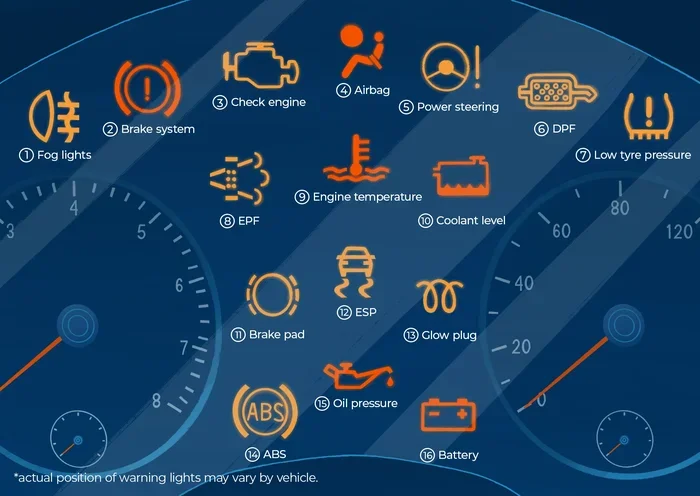
Your vehicle has several warning lights that can alert you to oil problems. The most common ones include:
- Check Engine Light: This light can come on for many reasons, but low or degraded oil is one of them. Don’t ignore it.
- Oil Pressure Warning: This is a red or amber light that looks like an oil can. It means your oil pressure is too low, which is a serious issue that needs immediate attention.
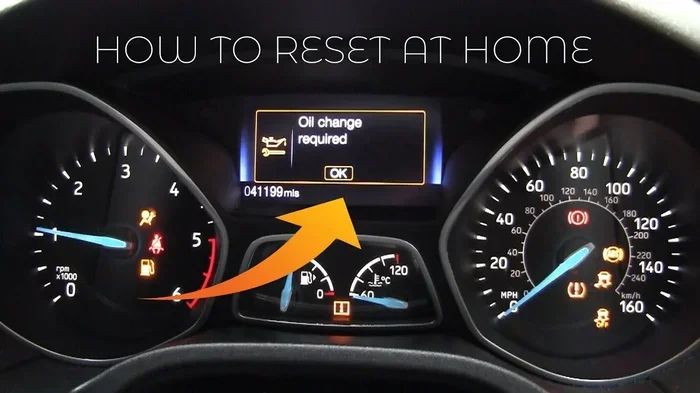
- Maintenance Required Light: Many newer vehicles have a specific maintenance light that triggers based on mileage or time since the last service.
If you notice any of these lights, check your oil level right away. Low engine oil can cause significant damage if left unchecked. For more details on what dashboard warnings mean and how to respond, read our article on does low engine oil show on the dashboard. It covers exactly what each light means and what steps to take next.
Physical Signs to Watch For
Beyond dashboard lights, there are several physical signs that your oil needs changing. Here are the most common ones to look out for during your regular vehicle maintenance tips checks:
- Dark, Dirty Oil: Fresh oil is amber and translucent. As it ages, it turns dark brown or black. If you pull the dipstick and the oil looks very dark and gritty, it’s time for a change.
- Burning Smell: A burnt odor coming from under the hood can indicate overheating oil. This happens when oil has lost its ability to cool the engine properly.
- Unusual Engine Noise: Clean oil lubricates engine parts smoothly. When oil gets old, it loses its lubricating properties, which can cause knocking or ticking sounds, especially at startup.
- Reduced Fuel Economy: If you notice you’re filling up more often, dirty oil might be the culprit. Old oil creates more friction, which makes your engine work harder and burn more fuel.
- Exhaust Smoke: Blue or gray smoke from your exhaust can signal that oil is burning inside the engine. This is a clear sign something is wrong and needs immediate attention.
Don’t ignore these signs. Addressing them early can prevent minor issues from turning into major engine repairs. Regular oil change frequency checks and prompt action when you notice these signs will keep your engine in great shape. Make it a habit to check your oil level at least once a month, even if you haven’t hit your mileage mark yet.
Types of Engine Oil and How They Affect Change Intervals
The type of oil you use has a big impact on how often you need to change it. Not all oils are created equal, and choosing the right one for your vehicle can extend your change interval and improve engine protection. Understanding the differences between oil types is one of the most important vehicle maintenance tips you can learn.
Conventional Oil
Conventional oil is the most basic and affordable option. It’s made from crude oil and refined to meet minimum engine protection standards. It works well for older vehicles and drivers with standard driving habits. If you have an older car with a simple engine design, conventional oil is a perfectly fine choice.
With conventional oil, you should plan to change your oil every 3,000 to 5,000 miles. It breaks down faster than synthetic options, which means more frequent changes. However, it’s affordable and widely available at every gas station and service center. The lower oil change cost makes it attractive for budget-conscious drivers, especially those with older vehicles that may not benefit as much from premium oils.
Synthetic Oil
Synthetic oil is the premium option. It’s chemically engineered to provide superior protection, better thermal stability, and longer life. Many modern vehicles come filled with synthetic oil from the factory. If you drive a newer car, there’s a good chance it already uses full synthetic.
Full synthetic oil can last between 7,500 and 10,000 miles before needing a change. Some high-performance synthetic oils can even go longer, but always follow your manufacturer’s recommendation. The higher cost of synthetic oil is offset by the longer intervals and better engine protection. Over time, the extended oil change interval means you buy oil less often, which can balance out the higher per-change price.
Synthetic Blend Oil
Synthetic blend oil is a mix of conventional and synthetic oils. It offers better protection than conventional oil at a lower price point than full synthetic. It’s a popular middle-ground choice for many drivers who want better performance without paying the full synthetic price.
With synthetic blend oil, you can typically go 5,000 to 7,500 miles between changes. It’s a great option if you want a step up from conventional oil but don’t want to commit to the full synthetic price tag. Many drivers find that synthetic blend gives them the best of both worlds when it comes to oil type for my car decisions.
Does the Oil You Use Really Matter?
Many car owners wonder if the specific oil they choose really makes a difference. The answer is yes. Using the wrong oil can reduce engine performance, shorten your change interval, and even void your warranty. The right oil viscosity and formulation ensures your engine gets the protection it was designed to receive.
To understand why oil choice matters so much, check out our detailed guide on does it really matter what oil I put in my car. It covers everything from viscosity grades to manufacturer-specific requirements and helps you make the best choice for your specific vehicle.
Always use the oil weight and type recommended by your vehicle manufacturer. You can find this information in your owner’s manual. Using the right oil ensures your engine gets the protection it was designed to receive. This is especially important for DIY oil change projects, where you have full control over what goes into your engine.
DIY Oil Changes: Can You Do It Yourself?
Changing your own oil is one of the most satisfying DIY car maintenance tasks. It saves money, teaches you about your vehicle, and gives you full control over the quality of the oil and filter you use. But is it right for everyone? Let’s break down what you need to know.
What You’ll Need
Before you start, gather these supplies so you’re not scrambling halfway through the job:
- The correct type and amount of oil for your vehicle (check your owner manual)
- A new oil filter (get the correct part number for your make and model)
- An oil filter wrench
- A socket wrench and the correct socket size
- A drain pan to catch the old oil
- A funnel for pouring new oil cleanly
- Jack and jack stands or a ramp (if your vehicle sits low to the ground)
- Disposable gloves and plenty of rags for cleanup
Step-by-Step Process
Here is a simplified overview of the DIY oil change process that even beginners can follow:
- Warm up the engine for a few minutes. This helps the oil flow more easily and drain completely.
- Lift the vehicle safely using a jack and jack stands or drive onto a ramp. Never work under a vehicle supported only by a jack.
- Locate the oil drain plug underneath the engine. Place your drain pan directly beneath it.
- Carefully remove the drain plug and let the old oil drain completely into the pan.
- Remove the old oil filter using an oil filter wrench. Be ready for some residual oil to spill out.
- Apply a thin layer of new oil to the rubber gasket on the new filter. This helps create a proper seal.
- Install the new oil filter by hand-tightening it. Don’t overtighten, or you may damage the gasket.
- Replace the drain plug and tighten it securely. Check the gasket to make sure it’s in place.
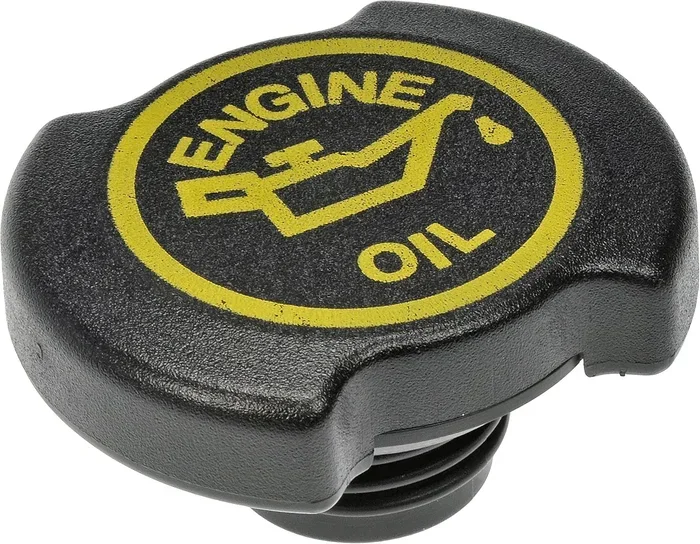
- Lower the vehicle safely and pour in the new oil through the engine’s oil fill cap.
- Check the oil level with the dipstick and add more if needed. Don’t overfill.
- Run the engine for a few minutes and check for leaks underneath the vehicle.
- Reset your oil change reminder if your vehicle has one.
For a more detailed walkthrough with tips and safety precautions, read our complete guide on can you do an oil and filter change yourself. It covers common pitfalls and pro tips that make the process even easier for first-timers.
DIY oil changes can save you $30 to $70 per change compared to a professional service. Over the life of your vehicle, those savings add up significantly. Just make sure you dispose of your old oil properly. Most auto parts stores accept used oil for recycling at no charge. Never pour old oil down a drain or into the trash. It’s a hazardous material that needs to be handled responsibly.
Common Oil Change Mistakes to Avoid
Even well-meaning car owners make mistakes when it comes to oil changes. Avoiding these common errors will help you get the most out of your engine and your oil change routine. These vehicle maintenance tips can save you from costly repairs down the road.
Mistake 1: Ignoring the Owner Manual. Your vehicle’s manufacturer knows your engine best. Following the recommended oil type and change interval in the owner manual is the single most important thing you can do. Don’t rely on generic advice from friends or internet forums. Every engine is different, and what works for one vehicle may not be right for yours.
Mistake 2: Waiting Too Long Between Changes. It’s tempting to push an oil change a few hundred miles past the recommended interval. But over time, this adds up and can cause accelerated engine wear. Set a reminder on your phone or calendar and stick to it. Consistency is the key to long-term engine health.
Mistake 3: Using the Wrong Oil. Not all oils are the same. Using the wrong viscosity or type can lead to poor lubrication, reduced fuel economy, and potential engine damage. Always match your oil to your manufacturer’s specifications. When in doubt, ask a professional or check your owner manual.
Mistake 4: Forgetting to Change the Oil Filter. The oil filter traps contaminants and keeps your oil clean. If you don’t replace it with every oil change, the old filter can clog and reduce oil flow. A new filter is a small cost that makes a big difference in maintaining clean engine lubrication.
Mistake 5: Skipping Oil Level Checks. Even between changes, it’s smart to check your oil level monthly. Engines can burn small amounts of oil over time, and catching a low level early prevents damage. If you’re concerned about what low oil means for your dashboard warnings, our article on does low engine oil show on the dashboard has helpful information on what to watch for.
Mistake 6: Choosing Based on Price Alone. The cheapest oil change isn’t always the best value. Make sure the service includes a quality oil filter and the correct oil type for your vehicle. Sometimes paying a little more upfront saves you from expensive repairs later. Look for reputable shops that use quality parts and employ certified technicians.
Final Thoughts on Oil Change Best Practices
So, how often should you change your oil for best performance? The answer is: it depends on your vehicle, your driving habits, and the type of oil you use. But the general rule of thumb is every 5,000 to 7,500 miles for most modern cars using synthetic oil, and every 3,000 to 5,000 miles for conventional oil. Staying consistent with your oil change frequency is one of the simplest and most impactful things you can do for your vehicle.
It protects your engine, improves fuel efficiency, and can even help you maintain your car’s resale value. Don’t wait for warning signs to appear. Be proactive and stick to your schedule. Set a reminder, mark your calendar, or use your vehicle’s built-in maintenance system to stay on track.
Whether you do it yourself or visit a professional, the key is to never skip or delay an oil change. Your engine works hard every day to get you where you need to go. Giving it fresh, clean oil is the least you can do in return. Take care of your oil, and your car will take care of you for miles to come. Start today by checking your oil level and scheduling your next oil change interval before you hit that 5,000-mile mark.
Frequently Asked Questions
How do I know if my oil needs changing between scheduled intervals?
Watch for dark or gritty oil on the dipstick, unusual engine noises, a burning smell under the hood, or reduced fuel economy. These are clear signs that your oil may be breaking down faster than expected and needs to be replaced sooner than your regular schedule calls for.
Can I mix different types of oil in my engine?
While it won’t cause immediate damage in an emergency, mixing oil types is not recommended as a regular practice. Different oils have different additives and formulations that can cancel each other out. Stick to one type consistently for the best engine lubrication and protection.
Is it really necessary to change the oil filter every time?
Yes, absolutely. The oil filter traps contaminants and debris that accumulate in the oil. Reusing an old filter means those particles stay in circulation and can clog oil passages. A new filter is inexpensive and essential for maintaining clean engine oil replacement quality.
What happens if I go too long without an oil change?
Old oil loses its viscosity and lubricating properties, which causes increased friction and heat inside the engine. Over time, this leads to sludge buildup, accelerated wear on engine components, and potentially catastrophic engine failure. Staying on top of your oil change frequency prevents all of these serious and costly problems.
Does driving in extreme weather really affect my oil change schedule?
Yes, it does. Extreme heat accelerates oil oxidation and breakdown, while extreme cold makes oil thicker and less effective at lubricating. If you regularly drive in very hot or very cold conditions, consider shortening your oil change interval by 1,000 to 2,000 miles to keep your engine properly protected.
Should I follow the 3,000-mile rule even for newer cars?
No, the 3,000-mile rule is outdated for most modern vehicles. Newer engines and advanced synthetic oils allow for much longer intervals. Always check your owner manual for the manufacturer’s recommendation. Following outdated advice can actually waste money and time without providing additional engine protection.