How Often Should Engine Coolant Be Replaced Regularly
How often should engine coolant be replaced? Most manufacturers recommend a coolant flush every 30,000 to 60,000 miles or every 2 to 5 years. Engine coolant replacement keeps your cooling system working properly and prevents costly damage. The exact interval depends on your vehicle, coolant type, and driving conditions.
Your engine generates a lot of heat. Without proper cooling, it can overheat fast and suffer serious damage. That is where engine coolant comes in. Also known as antifreeze, coolant flows through your engine and radiator to keep temperatures in a safe range.
But here is the thing many car owners overlook. Coolant does not last forever. Over time, it breaks down and loses its ability to protect your engine. That is why knowing how often engine coolant should be replaced is so important. In this guide, we will walk you through everything you need to know about the coolant replacement schedule, the signs your coolant is worn out, and how to keep your engine running smoothly.
Whether you drive a sedan, truck, or SUV, this article will help you understand your coolant change interval. We will cover traditional coolant versus extended-life formulas, the cost of a flush, and simple tips you can use at home. Let us dive in.
Key Takeaways
- Standard Interval: Most vehicles need a coolant flush every 30,000 to 60,000 miles or every 2 to 5 years.
- Coolant Type Matters: Traditional green coolant needs replacement more often than extended-life coolants.
- Check Your Manual: Always follow your manufacturer’s recommended coolant replacement schedule.
- Warning Signs: Discolored coolant, overheating, and unusual noises signal it is time for a flush.
- DIY or Professional: You can do a coolant flush yourself or have a mechanic handle it.
- Neglect Has Costs: Skipping coolant changes can lead to engine overheating and expensive repairs.
📑 Table of Contents
- What Is Engine Coolant and Why Does It Matter?
- How Often Should Engine Coolant Be Replaced?
- Signs It Is Time to Replace Your Coolant
- The Coolant Flush Process: What to Expect
- Common Mistakes People Make With Coolant
- How to Choose the Right Coolant for Your Vehicle
- Can You Run Diagnostics Without a Check Engine Light?
- How Regular Maintenance Keeps Your Engine Healthy
- Conclusion
What Is Engine Coolant and Why Does It Matter?
Engine coolant is a liquid mixture that circulates through your engine block, radiator, and hoses. It absorbs heat from the engine and carries it away to the radiator, where it cools down. This cycle repeats constantly while your engine runs.
Most coolant is a mix of ethylene glycol or propylene glycol and water. The glycol raises the boiling point and lowers the freezing point of the liquid. This means your coolant can handle extreme temperatures without boiling or freezing.
How the Cooling System Works
Your cooling system is made up of several parts working together. The water pump pushes coolant through the engine block. The thermostat opens and closes to regulate flow. The radiator releases heat into the air. And the fan kicks in when extra cooling is needed.
When any part of this system fails or when the coolant itself degrades, your engine is at risk. Overheating prevention depends on fresh, effective coolant. Old coolant can turn acidic, corrode metal parts, and form sludge that clogs passages.
Why Fresh Coolant Is Essential
Fresh coolant does more than just regulate temperature. It also contains additives that prevent corrosion and lubricate the water pump. These additives wear out over time. Once they are gone, your cooling system components start to deteriorate from the inside out.
Think of it like oil for your engine. You would not skip oil changes and expect your engine to last. The same logic applies to your coolant flush. Regular replacement keeps the entire cooling system in good shape.
How Often Should Engine Coolant Be Replaced?
This is the big question. The answer depends on several factors, including your vehicle type, the coolant you use, and how you drive. Let us break it down.
General Replacement Guidelines
As a rule of thumb, most car makers recommend replacing coolant every 30,000 miles or every 2 to 3 years for traditional formulas. For extended-life coolants, the interval can stretch to 60,000 or even 100,000 miles. But these are general guidelines. Your specific vehicle may differ.
Always check your owner’s manual first. It will have the manufacturer recommendation for your exact model. Following the factory schedule is the safest way to protect your warranty and your engine.
Coolant Type and Its Impact on Replacement Frequency
Not all coolant is the same. There are several types on the market, and each has a different lifespan.
- Inorganic Acid Technology (IAT): This is the traditional green coolant. It typically needs replacement every 2 years or 30,000 miles.
- Organic Acid Technology (OAT): These are extended-life coolants, often orange or dark green. They can last up to 5 years or 100,000 miles.
- Hybrid Organic Acid Technology (HOAT): A blend of IAT and OAT. Common in newer vehicles. Lasts about 5 years or 150,000 miles.
- Silicate Organic Acid Technology (Si-OAT): Used in some European brands. Offers long protection, often up to 5 years.
Using the wrong type of coolant can reduce its effectiveness. Always use the coolant type specified in your owner’s manual. Mixing incompatible coolants can cause chemical reactions that shorten the lifespan of the fluid.
Driving Conditions That Shorten Coolant Life
Your driving habits and environment play a big role in how fast your coolant degrades. If you frequently drive in stop-and-go traffic, your engine runs hotter. This accelerates coolant breakdown.
Similarly, if you live in a hot climate or tow heavy loads, your cooling system works harder. In these conditions, you may need to replace coolant more often than the standard interval suggests.
On the other hand, if you drive short trips in mild weather, your coolant may last longer. But even then, the additives still wear out over time. Time matters just as much as mileage.
Signs It Is Time to Replace Your Coolant
Your vehicle will give you clues when the coolant needs attention. Catching these signs early can save you from expensive repairs.
Discolored or Dirty Coolant
Fresh coolant is usually bright green, orange, or pink, depending on the type. Over time, it can become rusty, brown, or murky. If you open the coolant reservoir and see dark or dirty fluid, it is time for a change.
You can also use a coolant tester to check the pH level and freeze point of your coolant. These inexpensive tools give you a clear picture of your coolant’s condition.
Engine Overheating
If your temperature gauge climbs into the red zone, do not ignore it. Overheating is one of the most obvious signs that your coolant is not working properly. Old coolant loses its ability to absorb and transfer heat effectively.
If you notice steam coming from under the hood or a sweet smell, pull over safely and let the engine cool down. Continuing to drive an overheating engine can cause warped heads, blown head gaskets, and other serious damage.
Coolant Leaks
Puddles of coolant under your car are a red flag. Coolant leaks can happen from worn hoses, a failing radiator, or a corroded water pump. Old coolant becomes more acidic, which eats away at metal and rubber components. This makes leaks more likely.
Heater Problems
Your cabin heater relies on the same coolant that cools your engine. If you notice the heater blowing cold air even when the engine is warm, your coolant might be low or degraded. Interestingly, does turning on the heater cool the engine in an emergency? Yes, it can help draw heat away temporarily. But it is not a substitute for proper coolant maintenance.
Similarly, if you are wondering whether running the heater can help manage engine temperature, does running the heater help cool the engine? It can, to a degree. But again, the real fix is ensuring your coolant is fresh and at the right level.
Warning Lights on the Dashboard
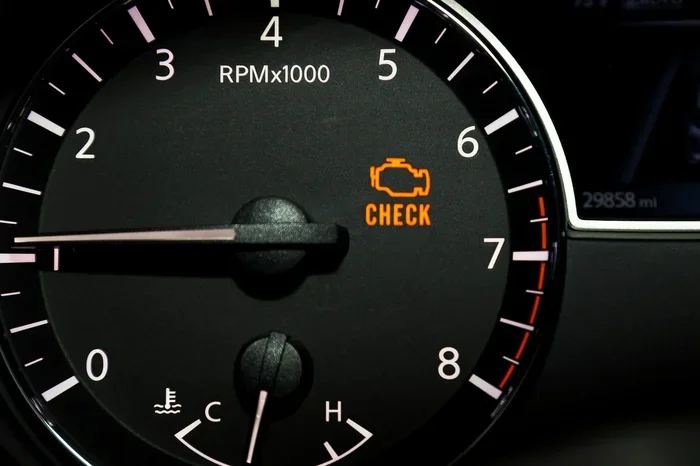
Some vehicles have a maintenance reminder light for coolant replacement. If your dashboard shows a coolant warning or a check engine light, do not delay inspection. Low coolant levels or a faulty cooling system can trigger these warnings.
For more information about what dashboard lights mean, you can read about does low engine oil show on the dashboard to understand how different fluid levels affect your warning lights.
The Coolant Flush Process: What to Expect
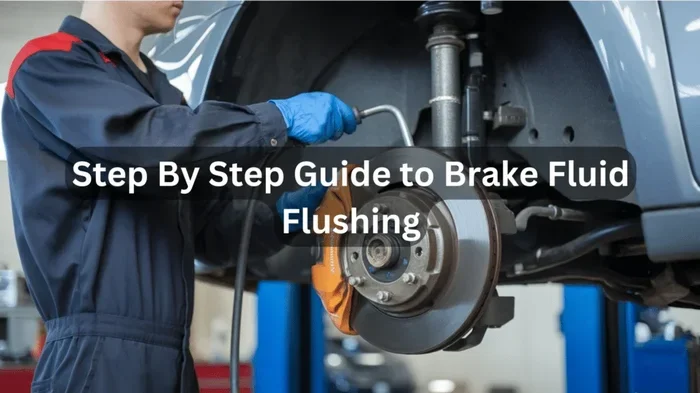
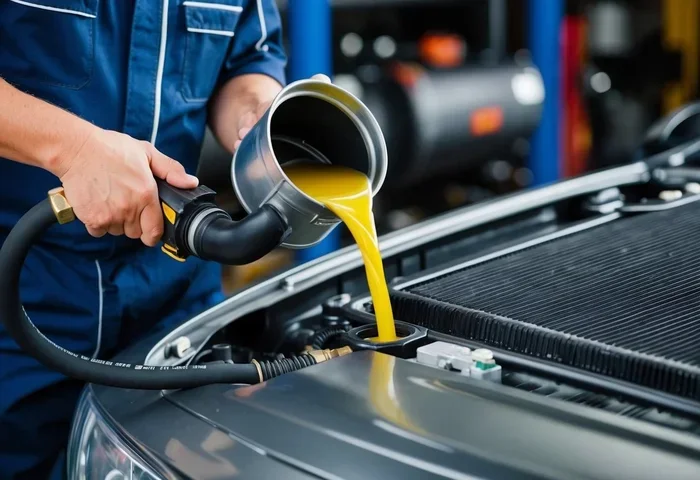
A coolant flush is not the same as simply draining and refilling. A proper flush removes all old coolant, including the residue that sticks to the inside of the engine block and hoses. Here is what the process typically looks like.
Step-by-Step Coolant Flush
- Drain the old coolant: The mechanic opens the drain plug and lets the old fluid out. This is collected and disposed of properly.
- Flush the system: A cleaning solution or distilled water is run through the cooling system to remove buildup and debris.
- Drain again: The flush solution is drained out.
- Refill with fresh coolant: New coolant is added, mixed with the correct ratio of distilled water.
- Bleed the system: Air pockets are removed from the system to ensure proper circulation.
- Test the system: The engine is run and checked for leaks and proper temperature regulation.
DIY Coolant Flush vs. Professional Service
Some car owners prefer to do a coolant flush themselves. It is possible with basic tools and a weekend. You will need a drain pan, distilled water, fresh coolant, and a helper to start the engine while you check for air bubbles.
However, a professional flush has its advantages. Mechanics have pressurized systems that force out all the old fluid. They can also inspect hoses, the radiator cap, and the water pump for wear. If you are not comfortable working under your car, a professional service is the safer choice.
For those wondering about the cost, a professional coolant flush typically ranges from $100 to $200 depending on your vehicle. DIY costs are lower, usually around $30 to $60 for the fluid and supplies.
Common Mistakes People Make With Coolant
Even well-meaning car owners make mistakes when it comes to coolant maintenance. Here are the most common ones to avoid.
Mixing Different Coolant Types
Not all coolants are compatible. Mixing an OAT coolant with an IAT coolant can create a gel-like substance that clogs your cooling system. Always flush the system completely before switching coolant types.
Topping Off Instead of Flushing
It is tempting to just add new coolant on top of the old stuff. But this dilutes the protective additives and does not remove the acidic byproducts of coolant breakdown. A full flush is the only way to truly refresh the system.
Using Water Instead of Coolant
In an emergency, you can top off with distilled water. But water alone does not provide corrosion protection or freeze protection. Always use the proper coolant mixture for long-term use.
Ignoring the Maintenance Schedule
It is easy to forget about coolant when your car seems to be running fine. But by the time you notice symptoms, damage may already be happening. Sticking to a regular coolant replacement schedule is the best way to prevent problems before they start.
Speaking of maintenance schedules, if you are curious about how other maintenance tasks compare in frequency, you might find it interesting to learn how long it takes to build a car from start to finish and appreciate the precision that goes into modern vehicle manufacturing.
How to Choose the Right Coolant for Your Vehicle
Selecting the right coolant can feel confusing with so many options available. Here are some tips to help you choose wisely.
- Check your owner’s manual: This is your best resource. It will specify the exact type and formulation required.
- Consult your dealer: If you do not have the manual, your local dealer can look up the correct coolant for your VIN.
- Read the label: Look for the coolant type (IAT, OAT, HOAT) and the recommended service interval on the back label.
- Buy from trusted brands: Brands like Prestone, Zerex, and Peak have been tested for compatibility with a wide range of vehicles.
- Avoid generic or off-brand products: They may not meet the same quality standards and could cause cooling system issues.
Using the right coolant ensures that your engine cooling system gets the protection it needs. It also helps maintain the warranty on newer vehicles.
Can You Run Diagnostics Without a Check Engine Light?
Sometimes cooling system problems do not trigger a check engine light right away. You might wonder, can you run diagnostics without a check engine light? The answer is yes. Many OBD2 scanners can read coolant temperature sensor data and other engine parameters even without a stored trouble code. This can help you catch cooling system issues early, before they turn into major problems.
How Regular Maintenance Keeps Your Engine Healthy
Coolant replacement is just one piece of the puzzle. A well-maintained engine relies on many fluids and components working together. Regular oil changes, air filter replacements, and belt inspections all contribute to long engine life.
If you are curious about whether you can clean your engine air filter instead of replacing it, check out can I clean my engine air filter instead of replacing it for practical advice on extending the life of another key maintenance component.
Similarly, understanding when other fluids need changing helps you stay on top of your vehicle’s overall health. For instance, at what percent oil life should you change oil is another common question that follows the same logic as coolant replacement: follow the numbers on your dash and in your manual, and do not wait for warning signs.
Also, some drivers wonder about the relationship between the heater and engine cooling. If you are interested in learning more, you can explore does running the heater help cool the engine to understand how your vehicle’s heating and cooling systems are connected.
Conclusion
How often should engine coolant be replaced? The answer is clear: every 30,000 to 60,000 miles or every 2 to 5 years, depending on your vehicle and coolant type. Sticking to this coolant replacement schedule protects your engine from overheating, corrosion, and costly repairs.
Pay attention to the signs that your coolant needs attention. Discolored fluid, overheating, leaks, and heater issues should all prompt you to check your coolant and consider a flush. And when in doubt, consult your owner’s manual or a trusted mechanic.
Regular engine coolant replacement is one of the simplest and most affordable ways to extend the life of your vehicle. It takes a little time and effort now but saves you from major headaches down the road. Make it part of your routine maintenance, and your engine will thank you for years to come.
Frequently Asked Questions
Can I just add new coolant without flushing the old one out?
Topping off is fine in an emergency, but it is not a substitute for a full flush. Old coolant contains acidic byproducts and depleted additives that can damage your cooling system over time. A proper flush removes all the old fluid and buildup, ensuring your engine gets the full protection of fresh coolant.
What happens if I never change my engine coolant?
Over time, coolant breaks down and becomes acidic. This acidity corrodes metal parts, damages rubber hoses, and can clog the radiator. The coolant loses its ability to regulate temperature, which can lead to engine overheating, blown head gaskets, and even complete engine failure in severe cases.
Is it okay to mix different colors of coolant?
Generally, no. Different colors usually indicate different chemical formulations. Mixing incompatible coolants can cause a chemical reaction that creates a gel-like substance, clogging your cooling system. Always use the same type of coolant or fully flush the system before switching.
How can I tell if my coolant is low?
Check the coolant reservoir when the engine is cool. The fluid level should be between the minimum and maximum marks. If it is low, top it off with the correct coolant type. Frequent drops in coolant level may indicate a leak that needs professional attention.
Does coolant expire or go bad over time?
Yes, coolant does degrade over time. The protective additives that prevent corrosion and freezing wear out, even if the vehicle is not driven often. This is why time-based replacement intervals matter just as much as mileage-based ones. As a general rule, do not let coolant sit in your system for more than 5 years.
Can I use water instead of coolant in an emergency?
In a pinch, distilled water can temporarily top off your coolant system. However, water does not provide corrosion protection, boil-over protection, or freeze protection. It should only be used as a very short-term solution until you can add the proper coolant mixture or get to a service center.