How Long Does It Take to Replace a Fuel Pump Quickly
Replacing a fuel pump typically takes between 2 and 6 hours, depending on your vehicle type, fuel pump location, and whether you go DIY or visit a mechanic. Electric fuel pumps inside the tank take longer, while external mechanical pumps are much faster to swap out. This guide covers every step, cost factor, and time-saving tip to help you plan your fuel pump replacement with confidence.
This is a comprehensive guide about How Long Does It Take to Replace a Fuel Pump.
Key Takeaways
- Average replacement time: Most fuel pump swaps take 2 to 6 hours at a shop.
- DIY can save money: If you have basic tools, you can do it yourself in a similar timeframe.
- Location matters: In-tank electric pumps take longer than external mechanical pumps.
- Cost range: Expect to pay between $400 and $1,200 for parts and labor combined.
- Prevention helps: Regular maintenance and keeping your tank above a quarter full extends pump life.
- Watch for warning signs: Whining noises, power loss, and hard starts signal a failing pump.
[FEATURED_IMAGE_PLACEHOLDER]
How Long Does It Take to Replace a Fuel Pump?
So you need a fuel pump replacement, and you want to know how long it will take. The short answer is that most replacements take between 2 and 6 hours. But the real answer depends on several factors. Your vehicle type, the pump location, your mechanic’s experience, and whether you choose to go the DIY route all play a role.
A fuel pump is a critical part of your car’s fuel system. It moves gas from the tank to the engine at the right pressure. When it fails, your car might not start, or it might stall unexpectedly. That is why getting this repair done quickly matters. Whether you are dealing with an electric fuel pump or a mechanical fuel pump, understanding the timeline helps you plan your day and your budget.
This guide breaks down the entire process. You will learn the average time, what affects the timeline, step-by-step details, costs, and tips to speed things up. By the end, you will feel confident and prepared. Let us dive in.
What Is a Fuel Pump and Why Does It Matter?
How Your Fuel Pump Works
Your fuel pump does one important job. It pushes gasoline from the tank to the engine. Without it, your car simply will not run. Most modern vehicles use an electric fuel pump located inside the fuel tank. The fuel surrounds the pump, which keeps it cool and quiet.
Older vehicles often use a mechanical fuel pump mounted on the engine block. These are driven by the camshaft and operate at lower pressure. Both types serve the same purpose, but they differ in location, design, and replacement complexity.
When the pump works well, you never think about it. But when it starts to fail, you notice fast. A weak pump means poor fuel delivery, which leads to engine problems. That is why timely fuel pump replacement is so important.
Signs Your Fuel Pump Is Failing
Knowing the warning signs helps you catch problems early. Here are the most common symptoms of a failing fuel pump:
- Whining or humming noise coming from the fuel tank area.
- Engine stalling at random speeds or under load.
- Difficulty starting the car, especially after it sits for a while.
- Loss of power when accelerating or hauling weight.
- Poor fuel economy without any obvious cause.
- Engine surging at steady speeds.
If you notice any of these signs, do not ignore them. A completely dead fuel pump leaves you stranded. The sooner you address the issue, the easier and faster the repair will be.
Average Time to Replace a Fuel Pump
Electric vs. Mechanical Fuel Pump Replacement
The type of pump in your vehicle has a big impact on the fuel pump replacement time. Here is a quick comparison:
| Pump Type | Typical Replacement Time | Location | Difficulty Level |
|---|---|---|---|
| Electric (in-tank) | 3 to 6 hours | Inside fuel tank | Moderate to High |
| Electric (external) | 1 to 3 hours | Outside the tank | Low to Moderate |
| Mechanical (engine-mounted) | 1 to 2 hours | On the engine block | Low |
Electric in-tank pumps are the most common in modern cars. They require dropping the fuel tank or accessing the pump through an access panel in the trunk or rear seat. This adds time to the job. Mechanical pumps are simpler and faster to replace because they sit right on the engine.
What Affects the Replacement Timeline?
Several factors influence how long it takes to replace a fuel pump:
- Vehicle make and model: Some cars have easy access to the pump. Others require significant disassembly.
- Fuel tank condition: Rusty or stuck fuel lines can add extra time.
- Mechanic experience: A seasoned tech works faster than someone doing it for the first time.
- DIY vs. shop: A professional shop has lifts and specialized tools. A DIYer works with basic equipment.
- Additional repairs: If the fuel filter or sending unit also needs replacement, the job takes longer.
Cold weather can also slow things down. If your car has been sitting in freezing temperatures, parts may be stiff and harder to remove. Knowing how long a car can sit in cold weather without issues is always worth considering before starting any underbody work.
Step-by-Step Fuel Pump Replacement Process
Preparing for the Job
Before you start, proper preparation saves time and prevents headaches. Here is what to do first:
- Relieve fuel system pressure. Remove the fuel pump fuse and crank the engine briefly. This releases pressure in the lines.
- Disconnect the battery. Always disconnect the negative terminal for safety.
- Drain the fuel tank. You do not want gallons of gas spilling during the job. Use a siphon pump or drain valve if your vehicle has one.
- Gather your tools. You will need wrenches, screwdrivers, a fuel line disconnect tool, and possibly a jack and stands.
Taking these steps seriously keeps you safe and makes the actual replacement smoother. Rushing through preparation often leads to mistakes that cost more time later.
Removing the Old Fuel Pump
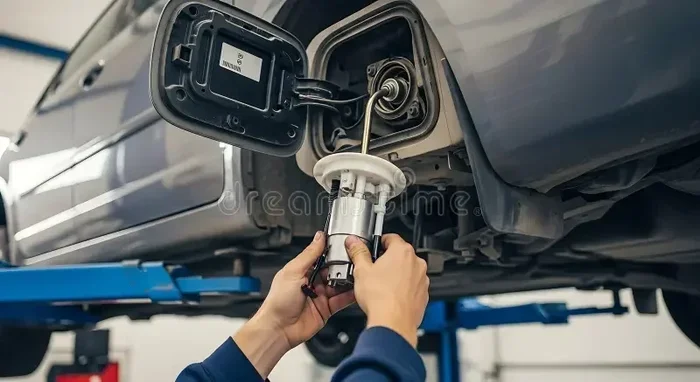
Once the tank is empty and the pressure is relieved, you can begin removal. For in-tank pumps, you typically need to drop the tank or access it through an interior panel. Here is the general process:
- Remove the rear seats or trunk trim to reach the access panel.
- Unbolt the fuel pump mounting bracket.
- Disconnect the fuel lines and electrical connectors carefully.
- Lower the old pump out of the tank.
- Inspect the tank for debris or rust while it is out.
For external pumps, the process is simpler. You locate the pump near the engine, disconnect the fuel lines and wiring, unbolt the mounting bolts, and pull the old unit out. Either way, take your time with the connections. Forcing anything can damage fuel lines or fittings.
Installing the New Fuel Pump
Installation is basically the reverse of removal. But a few extra tips make the job go faster:
- Replace the O-ring and gasket on the new pump. This prevents fuel leaks.
- Clean the pump mounting area before installing the new unit.
- Reconnect all electrical connectors firmly. A loose connection causes starting problems.
- Reinstall the fuel tank carefully if you dropped it. Align it properly before lowering.
- Reconnect the battery and turn the key to the ON position (do not start) for a few seconds. This primes the new pump.
After installation, start the engine and listen for the pump to hum. Check underneath the car for any fuel leaks. If everything looks and sounds good, you are done. The entire fuel pump replacement process goes much smoother when you follow each step carefully.
Fuel Pump Replacement Cost Breakdown
Parts Cost vs. Labor Cost
Understanding the cost helps you decide between a professional shop and a DIY approach. Here is a general breakdown:
- Parts only: $100 to $500 depending on whether you choose an OEM or aftermarket pump.
- Labor cost: $150 to $700, depending on your location and the shop rate.
- Total cost: Most people pay between $400 and $1,200 for a complete fuel pump replacement.
In-tank electric pumps tend to cost more in labor because of the extra disassembly. Mechanical pumps on the engine are cheaper and faster to replace. Always ask for a detailed estimate before authorizing any work.
DIY vs. Professional Replacement
Doing it yourself can save you $200 to $500 in labor costs. But it requires mechanical skill, the right tools, and a safe workspace. If you are comfortable working with fuel systems and have a basic understanding of car repair, DIY is a viable option.
On the other hand, if you have never done this before, a professional shop is the safer choice. A mistake with fuel lines can lead to leaks, which are a serious fire hazard. Know your limits and choose accordingly.
Tips to Make Fuel Pump Replacement Faster
Common Mistakes to Avoid
Avoiding common errors keeps your replacement on schedule. Here are mistakes that slow people down:
- Not relieving fuel pressure first. This can cause fuel to spray everywhere and waste time cleaning up.
- Forcing stuck fuel lines. Use the proper disconnect tool instead of pulling with pliers.
- Forgetting to replace the O-ring. A missing O-ring leads to leaks and a return trip to the shop.
- Mixing up connectors. Label everything before you disconnect it.
- Skipping the priming step. The new pump needs fuel around it to operate properly.
Avoiding these mistakes can shave an hour or more off your replacement time. Preparation and attention to detail make all the difference.
Quick Tips for a Smooth Job
Here are some practical tips that experienced mechanics swear by:
- Take photos before disconnecting anything. You will thank yourself during reassembly.
- Use a fuel-safe container to store drained gasoline. Never store fuel near open flames.
- Replace the fuel filter at the same time if it is easily accessible. This prevents a second job later.
- Keep your workspace ventilated. Fuel vapors are dangerous and can cause dizziness.
- Have a helper. An extra pair of hands makes dropping and aligning the fuel tank much easier.
These small habits add up to a faster, safer, and more successful fuel pump replacement. The goal is not just speed, but getting it done right the first time.
When to Replace Your Fuel Pump Before It Fails
Maintenance Schedule and Prevention
Prevention is always better than repair. While fuel pumps do not have a strict replacement schedule, a few habits can extend their life significantly:
- Keep your tank at least a quarter full. Running on empty causes the pump to overheat. The fuel in the tank acts as a coolant for the pump.
- Replace the fuel filter regularly. A clogged filter makes the pump work harder and wear out faster.
- Use quality fuel. Dirty or contaminated gasoline damages the pump internals over time.
- Address warning signs early. If you hear a whining noise or notice power loss, get it checked before the pump completely fails.
Your driving habits also matter. If you frequently drive in stop-and-go traffic or haul heavy loads, the pump works harder and may need attention sooner. Similarly, if you live in a cold climate and your car sits in cold weather for extended periods, fuel can thicken and strain the pump.
Some people also wonder about fuel system accessories. For example, you might ask, can you drive without a fuel flap? While that is a different component, any fuel system part that is damaged or missing can cause problems down the line. Keeping all fuel system components in good shape is the best approach.
Regular maintenance and attentive driving go a long way. You will get more life out of your fuel pump and avoid the hassle of an unexpected failure. And when the time does come for a replacement, you will be prepared and informed.
Conclusion
So, how long does it take to replace a fuel pump? For most vehicles, the answer is between 2 and 6 hours. The exact time depends on your pump type, vehicle model, and whether you handle the job yourself or visit a professional. Electric in-tank pumps take longer, while mechanical pumps are faster and simpler to swap out.
The cost typically ranges from $400 to $1,200, with labor making up a significant portion. If you are handy and comfortable working with fuel systems, a DIY replacement can save you real money. Just remember to follow every safety step and take your time.
Prevention remains your best tool. Keep your tank above a quarter full, replace your fuel filter on schedule, and address warning signs early. These habits keep your fuel pump healthy and your car running smoothly for years to come.
Now that you know what to expect, you can walk into the repair shop or start your weekend project with confidence. A well-planned fuel pump replacement is a manageable job, and you are fully equipped to handle it.
Frequently Asked Questions
Can I drive my car with a bad fuel pump?
It is not recommended. A failing fuel pump can leave you stranded if it stops working completely. Even a weak pump causes poor performance, stalling, and difficulty starting. Have it inspected and replaced as soon as possible to avoid getting stuck on the road.
How much does it cost to replace a fuel pump?
Most people pay between $400 and $1,200 total. The parts themselves cost $100 to $500, and labor runs $150 to $700. The final price depends on your vehicle, the pump type, and your local labor rates.
Can I replace a fuel pump myself?
Yes, if you have basic mechanical skills and the right tools. The job takes 2 to 6 hours depending on the vehicle. Just make sure you relieve fuel pressure first, disconnect the battery, and work in a well-ventilated area away from any open flames.
How long does a fuel pump last?
A fuel pump typically lasts between 100,000 and 200,000 miles. However, driving habits matter a lot. Keeping your tank at least a quarter full and using quality fuel can significantly extend the pump’s lifespan.
What happens if I ignore a failing fuel pump?
Ignoring a failing pump can lead to a complete breakdown. The engine may stall while driving and refuse to restart. In worst cases, a damaged pump can also harm the fuel system and other engine components, leading to much more expensive repairs.
Does cold weather affect fuel pump performance?
Yes, cold weather can thicken fuel and put extra strain on the pump. If your car sits in freezing temperatures for a long time, the pump may struggle to push fuel effectively. Keeping your tank at least half full in winter helps prevent fuel line issues and reduces stress on the pump.