How Do I Fix My Immobiliser Problem Once And For All
An immobiliser problem can leave you stranded, but most fixes are simpler than you think. Whether your car has a key fob issue, a faulty transponder chip, or an ECU glitch, this guide walks you through every step to diagnose and resolve the problem yourself. You will learn how the immobiliser system works, what triggers common faults, and the exact steps to get your vehicle running again.
You turn the key or press the start button, and nothing happens. The dashboard lights up, the radio works, but the engine refuses to turn over. If this sounds familiar, you are likely dealing with an immobiliser problem. It is one of the most frustrating issues a car owner can face, especially when you are in a hurry.
The good news is that most immobiliser faults are fixable without a trip to the dealer. Whether it is a dead key fob battery, a misaligned transponder chip, or a simple reset your system needs, the solution is often closer than you think. In this guide, we will walk you through every possible fix, from the easiest DIY steps to the more technical repairs you should leave to a professional.
By the end of this article, you will understand how your car’s immobiliser system works, why it fails, and exactly what you can do to get back on the road. Let us dive in.
Key Takeaways
- Understand the immobiliser system: Know how your car’s anti-theft mechanism works and why it sometimes fails.
- Spot the warning signs early: Dashboard lights, key recognition errors, and engine refusal are clear clues.
- Try simple fixes first: Battery replacement, key re-sync, and reset procedures solve most problems at home.
- Know when to call a pro: ECU faults and wiring issues need expert diagnosis and repair.
- Prevent future issues: Regular key maintenance and smart habits keep your immobiliser running smoothly.
- Related starting problems exist: Issues like starting your Toyota Highlander with a key share similar root causes with immobiliser faults.
📑 Table of Contents
What Is an Immobiliser and How Does It Work?
Every modern vehicle comes equipped with an anti-theft system called an immobiliser. Its job is simple but critical: it prevents your car from starting unless the correct key or key fob is present. Think of it as a digital lock on your engine.
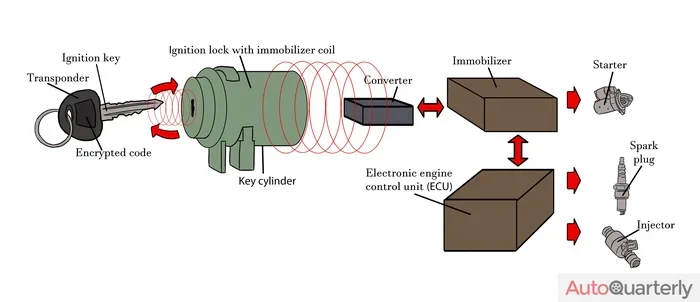
Here is how it works in plain terms. When you insert your key or press the start button, the transponder key sends a unique coded signal to the car’s engine control unit, or ECU. The ECU checks that code against its stored memory. If the codes match, the immobiliser disengages and the engine starts. If they do not match, the engine stays locked.
This system has been standard in vehicles since the mid-1990s. It has dramatically reduced car theft rates worldwide. However, like any electronic system, it can develop faults over time. Understanding the basics helps you troubleshoot more effectively when something goes wrong.
Key Components of the Immobiliser System
Several parts work together to make your immobiliser function. Knowing what they are helps you narrow down problems faster.
- Transponder chip: A tiny electronic chip inside your key or key fob that emits a unique identification code.
- Antenna ring: A coil around the ignition barrel that reads the signal from your transponder chip.
- Engine Control Unit (ECU): The car’s computer that verifies the code and decides whether to allow starting.
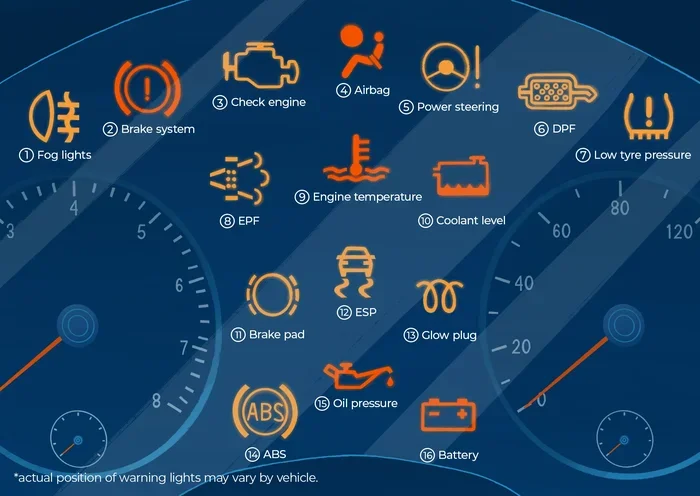
- Instrument cluster: The dashboard display that shows warning lights related to your vehicle security system.
- Key fob battery: The small battery inside your remote key that powers the wireless signal.
When any one of these components fails, your car immobiliser may not recognise your key, and your engine will not start. The challenge is figuring out which part is the culprit.
Common Signs You Have an Immobiliser Problem
Immobiliser issues do not always show up the same way. Some are obvious, while others are subtle and easy to ignore. Learning to recognise the early signs can save you from being stranded unexpectedly.
Your Car Will Not Start at All
The most common symptom is a complete refusal to start. You turn the ignition or press the button, and the engine cranks but does not fire. Or it does not crank at all. The dashboard may show a flashing security light or a key-shaped warning icon. This is your car telling you the immobiliser fault has been triggered.
If you have experienced issues starting your Toyota Highlander with a key, you already know how stressful this can be. The same principle applies across all vehicle brands and models.
The Dashboard Security Light Stays On
Your dashboard has a dedicated security or immobiliser light. It usually looks like a car with a key inside it, or it may simply say “SECURITY.” When this light stays on after you turn the ignition, it means the system has detected a problem with key recognition.
Sometimes the light flashes rapidly when you try to start the engine. Other times it stays solid. Both patterns indicate that the engine immobilizer has blocked the starting process.
Your Key Fob Stops Being Recognised
If your push-button start system suddenly stops reading your key fob, that is a strong sign of an immobiliser issue. You might notice the system says “No Key Detected” or “Key Not Recognised.” This can happen when the fob battery dies, when the fob is too far from the reader, or when the internal chip has a fault.
For those dealing with related key fob challenges, understanding how driving your Toyota Highlander without a key fob works can provide helpful context about your vehicle’s key system.
The Key Turns but the Engine Does Not Crank
In older vehicles with a physical key, you might be able to turn the ignition switch, but the engine simply will not turn over. This is a classic sign that the immobiliser has engaged because it did not receive the correct signal from the key’s transponder chip.
Why Immobiliser Problems Happen
Immobiliser faults do not appear out of nowhere. There is almost always a reason behind them. Understanding the root causes helps you choose the right fix and avoid repeating the problem.
Dead or Weak Key Fob Battery
This is the number one cause of immobiliser issues. Your key fob relies on a small coin-cell battery to transmit its signal. When that battery weakens, the signal becomes too faint for the car’s antenna ring to pick up. The result? Your car thinks you do not have the right key.
Replacing the battery is usually quick and inexpensive. For Toyota models that use a CR2032 battery, the process is straightforward and can often be done at home. Check out our guide on using a CR2032 in a Toyota key for a step-by-step walkthrough.
Worn or Damaged Transponder Chip
Inside every key is a small transponder chip. Over time, this chip can crack, chip, or lose its programming. Physical damage to the key is a common cause of immobiliser failure, especially if the key has been dropped or sat in a pocket through the wash.
Faulty Antenna Ring or Wiring
The antenna ring around the ignition barrel reads the signal from your key. If this ring becomes damaged, corroded, or loses its connection, it cannot read your key properly. Wiring issues can also disrupt the communication between the antenna, the ECU, and the key.
ECU Software Glitches
Your car’s ECU runs software that manages the immobiliser system. Like any computer, it can experience glitches. A power surge, a dead battery, or a recent software update can cause the ECU to lose its memory of your key’s code. This results in a temporary but frustrating immobiliser lockout.
Aftermarket Accessories Interference
Installing aftermarket alarm systems, stereo units, or immobiliser bypass devices can sometimes interfere with your factory car security system. Poorly wired accessories can send conflicting signals to the ECU, causing the immobiliser to engage unexpectedly.
How to Fix Your Immobiliser Problem Step by Step
Now that you understand the causes, let us walk through the fixes. Start with the simplest solutions and work your way up. Most immobiliser problems fall into one of these categories.
Step 1: Replace the Key Fob Battery
This should always be your first move. A weak battery is the most common reason your car will not recognise your key fob.
- Check your owner’s manual for the correct battery type. Most key fobs use a CR2032 battery.
- Use a small flathead screwdriver or a coin to open the key fob shell.
- Remove the old battery and note which side faces up.
- Insert the new battery with the correct orientation.
- Snap the fob back together and test it.
After replacing the battery, try starting your car again. In many cases, this single step resolves the entire immobiliser reset issue.
Step 2: Try the Resync Procedure
Sometimes the key fob loses its pairing with the car’s ECU. A resync procedure can re-establish the connection. The exact steps vary by vehicle, but here is a general approach:
- Sit in the driver’s seat and close all doors.
- Turn the ignition to the “On” position without starting the engine.
- Press the lock button on the key fob.
- Wait for the doors to lock.
- Turn the ignition off, then back to “On.”
- Press the unlock button on the key fob.
- Wait for the doors to unlock.
- Start the engine.
This simple procedure often resets the key recognition process and clears a temporary immobiliser fault.
Step 3: Check the Steering Lock
Your steering lock is a separate mechanical security feature that can sometimes interfere with the immobiliser system. If the steering wheel is locked tightly, it may prevent the ignition from turning fully. Try gently wiggling the steering wheel left and right while turning the key or pressing the start button. This releases the lock and allows the ignition cylinder to engage properly.
Step 4: Inspect the Key for Damage
Take a close look at your key or key fob. Are there cracks, chips, or signs of physical damage? If the transponder chip inside is damaged, no amount of battery replacement will fix the problem. You will need a replacement key programmed to your vehicle.
As a quick tip, always keep a spare key in a safe place. A spare key can save you from a lot of hassle if your primary key fails unexpectedly.
Step 5: Reset the ECU
If the ECU has experienced a software glitch, a full reset may clear the immobiliser fault. Here is how to do it:
- Turn off the engine and remove the key.
- Disconnect the negative battery terminal.
- Wait at least 15 minutes. This allows the ECU to fully power down.
- Reconnect the battery terminal.
- Start the engine and test the immobiliser system.
Keep in mind that resetting the ECU may also reset other settings in your vehicle, such as radio presets and clock settings. Make sure you have those details handy before you begin.
Step 6: Check for Aftermarket Interference
If you have recently installed any aftermarket accessories, they could be causing the problem. Temporarily disconnect any aftermarket alarm systems or stereo units and try starting the car again. If the immobiliser issue clears, you have found the culprit.
It is always best to have aftermarket accessories installed by a professional who understands your vehicle’s wiring and car security system.
Quick Tips for Immobiliser Troubleshooting
- Always try the simplest fix first: a new battery in your key fob.
- Keep your spare key in a separate location from your primary key.
- Avoid placing your key fob near electronic devices that might interfere with the signal.
- If the dashboard security light flashes, do not keep trying to start the engine repeatedly. This can sometimes make the problem worse.
- Write down the steps you have already tried before visiting a mechanic. This saves time and money.
When to Seek Professional Help
Not every immobiliser problem can be solved with a DIY fix. Some issues require professional diagnosis and repair. Here is when you should call in the experts.
The ECU Needs Reprogramming
If the ECU has lost the programming for all your keys, you will need a professional to reprogram it. This requires specialised diagnostic equipment that most car owners do not have at home. A dealership or a qualified locksmith with automotive expertise can handle this job.
Wiring or Antenna Ring Damage
If the problem is caused by damaged wiring or a faulty antenna ring around the ignition barrel, you will need a mechanic to inspect and repair the electrical connections. Attempting to fix wiring issues yourself can lead to further damage if you are not experienced with automotive electrical systems.
Multiple Keys Have Stopped Working
If more than one key has suddenly stopped working, the problem is likely not with the keys themselves. It points to a deeper issue with the ECU, the antenna ring, or the vehicle’s electrical system. This is a situation where professional diagnosis is essential.
The Immobiliser Warning Light Flashes Continuously
A continuously flashing immobiliser light that does not go away after trying all the basic fixes suggests a hardware fault. Do not keep trying to start the car. Have it towed to a qualified mechanic or dealership to avoid further complications.
It is also worth noting that some immobiliser problems share symptoms with other car issues. For example, if you are dealing with an engine that will not start, it could be related to other problems as well. Always consider the full picture before assuming it is purely an immobiliser issue.
Preventing Immobiliser Problems in the Future
The best way to deal with an immobiliser problem is to prevent one from happening in the first place. A few simple habits can keep your anti-theft system working reliably for years.
Replace Key Fob Batteries Regularly
Do not wait for the battery to die completely. Replace it every two to three years, or as soon as you notice the range of your key fob decreasing. Most key fob batteries cost just a few dollars and take minutes to swap out.
Handle Your Keys with Care
Transponder chips are delicate. Avoid dropping your keys, exposing them to extreme heat, or accidentally putting them through the wash. A protective key case can help extend the life of both the physical key and the internal chip.
Keep Software Updated
Some vehicles receive software updates that address known immobiliser issues. Check with your dealership if there are any recalls or technical service bulletins related to your vehicle’s security system.
Use Genuine or Programmed Replacement Keys
When you need a replacement key, always use a genuine OEM key or one programmed by a professional. Cheap aftermarket keys may not have the correct transponder chip, which can trigger the immobiliser and cause ongoing starting problems.
Store Spare Keys Properly
Keep your spare key in a cool, dry place away from electronic devices. Label it clearly and make sure someone you trust knows where it is. A spare key is your best backup if your primary key fails.
Taking these preventive steps seriously can save you hours of frustration and potentially costly repairs down the road. A little maintenance goes a long way when it comes to your vehicle’s immobiliser system.
Final Thoughts
Dealing with an immobiliser problem is never fun, but it is almost always solvable. Start with the basics: check the key fob battery, try a resync, and inspect your key for damage. Most of the time, one of these simple steps does the trick. If the problem persists, move on to ECU resets and professional diagnostics.
The key is to stay calm and work through the possibilities systematically. Panic and repeated attempts to start the car can sometimes make things worse. Be patient, follow the steps in this guide, and you will be back on the road in no time.
Remember that your car’s immobiliser is there to protect you from theft. Even when it causes headaches, it is doing its job. Taking care of your car security system through regular maintenance and mindful key handling ensures it continues to work reliably when you need it most.
Frequently Asked Questions
Can a dead key fob battery cause an immobiliser problem?
Yes, absolutely. A weak or dead battery in your key fob prevents the transponder chip from sending its signal to the car. Without that signal, the ECU does not recognise your key and the immobiliser stays engaged, blocking the engine from starting.
How do I know if my immobiliser is faulty?
The most common sign is a flashing security light on your dashboard when you try to start the engine. Your car may crank but not fire, or it may not crank at all. If the key fob is not being recognised even with a new battery, the immobiliser system is likely the issue.
Can I drive my car if the immobiliser is malfunctioning?
In most cases, no. A malfunctioning immobiliser will prevent the engine from starting. Some vehicles allow you to bypass the system temporarily with a spare key, but this is not a long-term solution. You should address the root cause as soon as possible.
How much does it cost to fix an immobiliser problem?
The cost varies widely depending on the cause. A new key fob battery costs under ten dollars. A key resync is free if you do it yourself. Professional ECU reprogramming can range from a hundred to several hundred dollars. Wiring repairs depend on the extent of the damage.
Can an aftermarket alarm system cause immobiliser problems?
Yes, poorly installed aftermarket alarms can interfere with your factory immobiliser system. They may send conflicting signals to the ECU or draw power in a way that disrupts the normal operation of your car’s security features.
Is it safe to reset the ECU to fix an immobiliser issue?
Yes, it is generally safe and is one of the recommended troubleshooting steps. However, be aware that a full ECU reset may erase stored settings like radio presets, clock, and sometimes adaptive driving parameters. Have those details ready before you disconnect the battery.