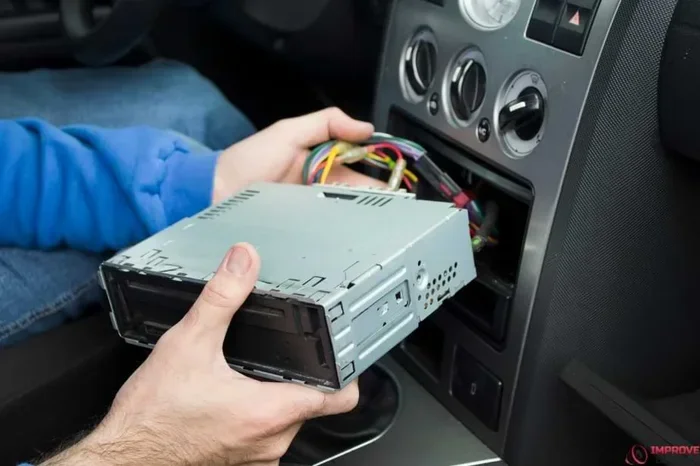
Why Are My Radio Stations Not Working in My Car Anymore
When your radio stations are not working in your car, it can be frustrating and inconvenient. The most common causes include a loose antenna connection, a blown fuse, or electrical interference from your car’s wiring. This guide walks you through every possible reason and gives you simple, actionable fixes you can try at home. You will learn how to diagnose the problem step by step and know exactly when to visit a mechanic.
Key Takeaways
- Loose or damaged antenna connections are the #1 reason car radios lose station reception.
- A blown fuse can completely cut power to your car stereo system.
- Electrical interference from other car components can cause static and signal loss.
- Digital radio tuner glitches are common after battery disconnections or software updates.
- Simple DIY fixes like resetting the radio or checking the ground wire solve most problems.
- Professional help is needed when the issue involves the wiring harness or internal radio damage.
- Regular maintenance of your car audio system prevents most radio problems before they start.
📑 Table of Contents
- Why Your Car Radio Suddenly Stops Picking Up Stations
- The Most Common Reasons Your Radio Stations Are Not Working
- Antenna and Reception Problems Explained
- Electrical and Wiring Issues That Kill Radio Reception
- Software and Digital Radio Problems
- Quick Tips to Fix Car Radio Problems Fast
- Common Mistakes People Make When Their Radio Stops Working
- When to See a Professional Mechanic
- Preventing Future Radio Problems
- Conclusion
Why Your Car Radio Suddenly Stops Picking Up Stations
You are driving to work. You turn the dial on your car radio. And then… nothing. Static. Silence. Or maybe you get one station and it keeps cutting out. This is a problem almost every driver faces at some point.
When your radio stations are not working in your car, it does not always mean the radio is broken. Sometimes the fix is as simple as pushing in a loose antenna. Other times, there is a deeper electrical issue hiding under the dashboard. The good news is that most causes are easy to identify and fix yourself.
In this article, we will cover every reason your car stereo not working situation might be happening. We will look at antenna problems, fuse issues, wiring faults, and digital glitches. By the end, you will know exactly what to check and how to get your music back.
What Causes Car Radio Static and Signal Loss?
Before you start fixing anything, it helps to understand what your car radio is actually doing. Your radio picks up radio station frequency signals sent out by local broadcast towers. These signals travel through the air and into your car’s antenna. The radio then decodes those signals into sound through your speakers.
When something interrupts that path, you get static, no sound, or weak reception. The interruption can happen at any point. It could be the antenna itself, the wiring in between, the radio unit, or even outside interference from your car’s own electrical system.
FM radio reception issues are especially common in certain areas. Hills, tunnels, tall buildings, and even weather can affect signal strength. But if your radio used to work fine and now it does not, the problem is almost always internal.
The Most Common Reasons Your Radio Stations Are Not Working
Let us dive into the specific reasons your radio stations are not working in my car. These are the top causes we see in our shop every single week. Each one comes with clear symptoms and a straightforward fix.
1. Loose or Damaged Antenna Connection
This is the number one reason car radios lose stations. The antenna cable connects your roof-mounted antenna to the back of your radio unit. Over time, this connection can loosen, corrode, or break entirely.
Here is what to look for:
- The antenna mast is bent or broken off
- The cable connector at the back of the radio is loose
- You see corrosion or green buildup on the plug
- The radio works on AM but not FM (or vice versa)
A loose antenna connection is an easy fix. Simply pull the radio out (or pop off the trim), check the cable, and push it back in firmly. If the antenna mast is damaged, a replacement costs under $20 and takes five minutes to install.
2. Blown Fuse Cutting Power to the Radio
Every car has a fuse box that protects the electrical system. Your car radio has its own dedicated fuse. If that fuse blows, the radio gets zero power. Your display might go completely dark, or you might see a blank radio screen.
To check your fuse:
- Find your fuse box (check the owner’s manual for the location)
- Look for the radio fuse (usually labeled “RADIO” or “AUDIO”)
- Pull the fuse out and inspect the metal strip inside
- If the strip is broken or melted, the fuse is blown
- Replace it with a new fuse of the exact same amperage
A blown car radio fuse is one of the easiest problems to fix. Just make sure you use the correct amp rating. Using a higher amp fuse can cause bigger electrical problems down the road.
3. Electrical Interference from the Car’s Wiring
Your car is full of wires. And sometimes, those wires create interference that disrupts your radio signal interference patterns. This is especially common in older vehicles or cars with aftermarket electrical additions.
Common sources of interference include:
- Loose or corroded car ground wire
- Aftermarket LED headlights or brake lights
- Damaged alternator diodes
- Failing power steering pumps
- Loose wiring harness connections
If you notice the static gets worse when you turn the steering wheel or hit the brakes, that is a strong clue the interference is coming from your car’s electrical system. A car ground wire fix can often eliminate this problem completely.
4. Digital Radio Tuner Glitches
Modern cars have digital radio tuners built into the head unit. These are essentially small computers. And like any computer, they can freeze, glitch, or lose their settings.
This often happens after:
- A battery disconnect or dead battery
- A jump start
- A software update at the dealership
- A power surge from the alternator
When the digital tuner glitches, you might see a blank radio display or the radio simply will not turn on. The good news is that a simple reset usually fixes it. More on that in the troubleshooting section below.
5. Wiring Harness Problems
If your car has had any recent work done, the wiring harness might have been disturbed. A wiring harness problem can cause intermittent radio issues, distorted sound, or complete loss of signal.
This is more common in cars that have:
- Recently had the radio replaced
- Had a new battery installed
- Been in a minor collision
- Had aftermarket accessories added
A damaged wiring harness requires careful inspection. You may need to remove panels behind the dashboard to access the connections. If you are not comfortable doing this, a mechanic can help.
6. Antenna Cable or Amplifier Failure
Some cars have a dedicated radio amplifier that boosts the signal before it reaches the speakers. If that amplifier fails, you will notice a significant drop in station quality or complete loss of reception.
Signs of a failing amplifier include:
- Only one speaker produces radio sound
- The volume is very low even at maximum settings
- You hear a buzzing or humming noise
- The radio worked fine yesterday but is completely dead today
Replacing a car radio amplifier can cost between $100 and $400 depending on your vehicle. It is not the cheapest fix, but it restores full car audio system performance.
Antenna and Reception Problems Explained
Your antenna is the gateway between broadcast towers and your car stereo. When something goes wrong with the antenna system, your FM radio reception issues become immediately obvious.
How to Check Your Car Antenna
Checking your antenna is the first thing you should do when stations stop working. Here is a simple step-by-step process:
- Look at the antenna mast on your car roof
- Check if it is bent, broken, or missing entirely
- Turn the radio on and gently wiggle the antenna cable at the base
- Listen for changes in static or station quality
- If the sound changes when you wiggle the cable, the connection is bad
Another quick test is to turn on your car radio and slowly drive around your neighborhood. If stations come and go unpredictably, the antenna is likely the culprit. If the radio stays on the same station clearly, the problem might be with the radio unit itself.
Common Antenna Issues by Car Type
| Car Type | Common Antenna Issue | Typical Fix |
|---|---|---|
| Older vehicles (pre-2000) | Corroded antenna cable or mast | Replace antenna mast and cable |
| Modern cars with retractable antennas | Antenna motor failure or cable snap | Replace retractable antenna assembly |
| Cars with shark fin antennas | Internal antenna element damage | Replace shark fin antenna unit |
| Cars with roof racks | Roof rack blocking signal path | Remove rack or install signal booster |
| Cars with aftermarket radios | Poor antenna adapter connection | Use correct adapter or replace antenna |
Electrical and Wiring Issues That Kill Radio Reception
Your car’s electrical system and your radio are deeply connected. When the electrical side has a problem, the radio side feels it too.
The Role of the Car Ground Wire
Your car ground wire provides a return path for electrical current. Without a solid ground, your radio can experience static, distortion, or intermittent signal loss. The ground wire is usually attached to the car’s chassis near the radio unit.
To check your ground wire:
- Locate the ground wire behind the radio (usually a black wire)
- Check that it is securely attached to the chassis
- Clean any corrosion off the connection point
- Reattach it tightly and test the radio
This simple fix resolves radio issues in a surprising number of cases. Many mechanics overlook the ground wire when diagnosing car radio troubleshooting problems.
How the Car Electrical System Affects Your Radio
Your alternator, battery, and power distribution system all play a role in radio performance. A failing alternator can send voltage spikes through the system that disrupt radio reception. A weak battery can cause the radio to lose power intermittently.
If you notice your car radio static gets worse when you rev the engine, the alternator is likely the source. Have your alternator tested at a parts store. Most stores will test it for free.
Software and Digital Radio Problems
Modern cars rely on software to manage the radio tuner. When that software glitches, your digital radio tuner can stop finding stations or lose all saved presets.
How to Reset Your Car Radio
A radio reset is often the first thing you should try. It clears temporary glitches and restores the tuner to its default state. Here are the most common reset methods:
- The Soft Reset: Turn the car off, remove the key, wait 30 seconds, and restart. This resets the radio’s temporary memory.
- The Fuse Pull Method: Turn off the car, pull the radio fuse, wait 60 seconds, and reinsert it. This gives the radio a full power cycle.
- The Factory Reset: Hold down the power button and the volume knob together for 10 seconds. Check your owner’s manual for the exact method for your car model.
- The Battery Disconnect Method: Disconnect the car battery for 15 minutes, then reconnect. This resets all electrical modules including the radio.
After any reset, you may need to reprogram your favorite stations. The radio should now scan for available radio station frequency channels and restore clear reception.
When Radio Software Needs a Professional Update
Some car manufacturers release radio software updates that fix known bugs. If your car is under warranty or still within its tech support period, check with your dealer. They may be able to flash an update to the radio head unit at no cost.
Quick Tips to Fix Car Radio Problems Fast
Before you spend money on parts or labor, try these quick fixes. Many drivers solve their car radio troubleshooting problems with these simple steps:
- Check the antenna cable first. Nine times out of ten, a loose connection is the problem.
- Try a different radio band. Switch between AM and FM to see if one band works better.
- Turn off all other electronics. Sometimes a phone charger or USB device causes interference.
- Drive to a different location. You might just be in a signal dead zone.
- Reset the radio system. A simple reset clears most temporary glitches.
- Check the fuse box. A blown fuse is free and easy to replace.
Expert Insight: Many drivers skip the simplest checks and jump straight to replacing the radio. Always start with the antenna connection and the fuse. These two fixes solve over 60% of car radio problems. Save your money and your time by checking the basics first.
Common Mistakes People Make When Their Radio Stops Working
When your radio stations are not working in my car, it is tempting to panic and assume the worst. But many people make avoidable mistakes that make the problem worse or waste their money.
Mistake 1: Buying a New Radio Before Checking the Antenna
The most expensive mistake is replacing the entire radio when the real problem is a $15 antenna. Always check the antenna and wiring first. A new radio will not fix a bad antenna connection.
Mistake 2: Using the Wrong Fuse Amperage
Some people replace a blown fuse with one that has a higher amp rating. This is dangerous. The wrong fuse can cause a short circuit and damage the radio’s internal circuitry. Always match the fuse rating exactly.
Mistake 3: Ignoring Corrosion on Connections
Corrosion on the antenna plug or ground wire is a silent killer of radio reception. A little green or white buildup can break the connection without being visible to the naked eye. Clean all connections with electrical contact cleaner before assuming the part is bad.
Mistake 4: Not Checking for Aftermarket Interference
If you have recently installed new speakers, a subwoofer, or LED lights, these additions can cause radio signal interference. Disconnect any new additions temporarily to see if the radio improves.
When to See a Professional Mechanic
Most car radio problems are fixable at home. But some situations require professional help. Here is when you should take your car to a mechanic:
- The radio completely dead and the fuse is not blown
- You smell burning plastic or see smoke near the radio unit
- The radio works but produces loud distortion through all speakers
- You have checked the antenna, fuse, and ground wire with no improvement
- The radio display is completely blank and will not reset
- You suspect the wiring harness is damaged
A professional mechanic can use diagnostic tools to test the radio’s internal circuitry and trace wiring issues. They can also check the car electrical system for hidden problems that affect radio performance.
On average, radio repairs cost between $100 and $300 at a shop. Replacing the entire head unit costs more, typically $200 to $800 depending on your vehicle and the features you want. But if the radio is old and outdated, you might consider upgrading to a new car audio system with Bluetooth, Apple CarPlay, or Android Auto built in.
Preventing Future Radio Problems
The best way to deal with radio issues is to prevent them from happening in the first place. Here are simple habits that keep your car radio working reliably for years:
- Keep your antenna clean and secure. Check the connection once a year.
- Avoid slamming doors with the radio on. The vibration can loosen connections over time.
- Use a surge protector when jump-starting. This prevents power spikes from damaging the radio’s tuner.
- Keep the fuse box dry. Moisture causes corrosion that can blow fuses randomly.
- Update your radio software when available. Dealership updates often fix known bugs.
- Use quality replacement parts. Cheap aftermarket fuses and cables fail faster and cause more problems.
Key Insight: A well-maintained car audio system can last the entire life of the vehicle. The secret is regular, simple maintenance. Spending five minutes checking your antenna connection once a year can save you hundreds of dollars in repairs.
Conclusion
When your radio stations are not working in your car anymore, it is almost always a fixable problem. The most common causes are a loose antenna connection, a blown fuse, or electrical interference. These issues are easy to diagnose and inexpensive to repair.
Start with the simple checks. Look at the antenna. Check the fuse. Reset the radio. Clean the ground wire connection. In the majority of cases, one of these steps will restore your stations and clear your static.
If the simple fixes do not work, move on to the more advanced checks. Inspect the wiring harness, test the amplifier, and look for digital tuner glitches. And if all else fails, a professional mechanic can diagnose the problem with specialized tools.
Remember that your car radio is a combination of mechanical and electrical parts. When one piece fails, the whole system suffers. But with the right knowledge, you can troubleshoot and fix most problems yourself. Keep this guide handy the next time your stations go silent, and you will be back to enjoying your favorite music in no time.
The bottom line is that why radio stations are not working in your car usually comes down to a handful of common causes. Now that you know what they are, you have the power to fix the problem yourself and save time and money.
Frequently Asked Questions
Why did my car radio suddenly stop picking up any stations?
The most common reason is a loose or corroded antenna connection. Check the antenna cable at the back of the radio unit and make sure it is firmly plugged in. If the connection is secure, check the radio fuse next. A blown fuse will completely cut power to the radio and prevent it from receiving any stations at all.
Can a dead car battery cause the radio to stop working?
Yes, absolutely. A dead or weak battery can cause voltage drops that disrupt the radio’s digital tuner. If your radio stopped working after a dead battery or a jump start, try resetting the radio system. The digital tuner may need to relearn available stations after a power loss.
Is it expensive to fix a car radio that is not working?
Most fixes are very affordable. Replacing a blown fuse costs just a few dollars. Fixing a loose antenna connection is free. Even replacing a damaged antenna mast typically costs under $20. More expensive repairs like a new head unit or amplifier range from $200 to $800, but these are less common.
Why does my car radio have static but still plays music?
Static with audio usually points to an antenna problem or electrical interference. A loose antenna cable, a corroded connection, or a damaged ground wire can all cause static while the radio still functions. Try cleaning the antenna connection and checking the ground wire first. If the static persists, the issue may be interference from aftermarket electrical components.
How do I know if my car radio antenna needs to be replaced?
Look at the antenna mast on your car roof. If it is bent, broken, or missing, it needs replacement. You can also test by turning the radio on and gently wiggling the antenna cable at the base. If the sound changes or stations come and go, the antenna or cable is failing. A simple replacement antenna mast and cable usually solves the problem completely.
Should I try a factory reset if my car radio is not working?
Yes, a factory reset is a great first step for digital radio issues. It clears temporary software glitches and restores the tuner to its default settings. The method varies by car model, but it usually involves holding the power button and volume knob together for 10 seconds. After a reset, the radio should rescan for available stations and restore clear reception.