Which Headlight Bulb Is Low Beam and What You Need to Know
The low beam headlight bulb is the one that shines downward to illuminate the road without blinding oncoming drivers. Most cars use halogen, LED, or HID bulbs for low beam, and the exact type depends on your vehicle model and year. In this guide, we break down every option so you can pick the right bulb with confidence.
When you turn on your headlights at night, not all the light beams work the same way. The low beam headlight is the one that points downward. It lights up the road directly in front of you without blinding the drivers coming toward you. Understanding which bulb serves this purpose can save you time, money, and a lot of confusion at the auto parts store.
Many car owners walk into a shop and ask, “Which headlight bulb is low beam?” The answer depends on your vehicle. Some cars use halogen bulbs. Others use LED or HID technology. Each type has its own strengths. This guide will walk you through everything you need to know. By the end, you will feel confident picking the right bulb and even installing it yourself.
Let us start with the basics. The low beam and high beam are two separate light settings in your headlight assembly. The low beam creates a short-range, wide-spread pattern. The high beam reaches farther down the road. Both are important, but the low beam is what you use most often. It is your everyday driving light for city streets and dark roads.
Key Takeaways
- Low beam bulbs point downward: They are designed to light the road without blinding other drivers.
- Halogen, LED, and HID are the main types: Each has its own brightness, lifespan, and price point.
- Check your owner manual: It tells you the exact bulb type your car needs for low beam.
- LED bulbs are popular upgrades: They last longer and produce brighter light than traditional halogens.
- Proper installation matters: Wrong bulbs can cause poor beam patterns and safety issues.
- Alignment is key after replacement: Even the best bulb won’t work well if the headlight is misaligned.
- Know your bulb socket type: Common types include H4, H7, H11, and 9005 for different vehicles.
📑 Table of Contents
- Understanding Low Beam vs High Beam Headlights
- Types of Bulbs Used for Low Beam
- How to Know Which Bulb Your Car Uses for Low Beam
- LED vs Halogen vs HID for Low Beam: Which Is Best?
- Installing the Right Low Beam Bulb
- Common Low Beam Bulb Problems and How to Fix Them
- Expert Tips for Maximizing Low Beam Performance
- Conclusion
Understanding Low Beam vs High Beam Headlights
Before we dive into bulbs, it helps to understand how the two beam settings work. The low beam and high beam serve different purposes on the road.
What Is a Low Beam Headlight?
A low beam headlight shines light downward toward the road surface. It has a specific cutoff line that prevents glare for other drivers. When you drive in town, on lit streets, or in fog, you use low beam. It gives you enough visibility without hurting the eyes of oncoming traffic.
The beam pattern for a low beam is wider and shorter. It covers the area close to your vehicle. This is perfect for city driving, parking lots, and rainy conditions. Most countries require low beams to be used when following another car or when visibility drops below certain levels.
What Is a High Beam Headlight?
A high beam points straight ahead with no cutoff. It reaches much farther than a low beam. You use high beams on dark, empty roads where no other cars are around. High beams give you more time to react to obstacles on the road.
However, high beams can blind other drivers. That is why you must switch back to low beam when you see approaching traffic. Using high beams in populated areas is both dangerous and often illegal.
How the Beam Pattern Affects Road Visibility
The beam pattern is shaped by the headlight housing and the bulb position. A reflector housing or a projector lens controls how the light spreads. The projector lens creates a sharp cutoff for low beams. A reflector housing scatters light more broadly. Both designs aim to give you the best road visibility while keeping other drivers safe.
When you upgrade your bulbs, the beam pattern matters a lot. A brighter bulb does not help if it is not aimed correctly. Poor alignment can cause glare or dark spots on the road. Always check your beam pattern after replacing any headlight bulb.
Types of Bulbs Used for Low Beam
Not all headlight bulbs are the same. Three main types serve as low beam headlight bulbs in modern vehicles. Each type has unique features, benefits, and drawbacks.
Halogen Bulbs
Halogen bulbs are the most common type found in vehicles today. They use a tungsten filament inside a gas-filled glass capsule. The halogen gas helps the filament last longer. These bulbs produce a warm, yellowish light that works well for low beam driving.
Halogen bulbs are affordable. You can find them at almost any auto parts store. They are easy to replace and do not require any wiring changes. Most factory-installed low beam bulbs in older and mid-range vehicles are halogen.
However, halogen bulbs have a shorter lifespan. They typically last between 450 and 1,000 hours. They also produce less light per watt compared to LED or HID options. If you want better brightness, you might consider upgrading.
LED Bulbs
LED bulbs have become very popular in recent years. They use light-emitting diodes instead of a filament. This makes them incredibly energy-efficient and long-lasting. Many modern cars come with LED low beam headlights from the factory.
The light output from an LED bulb is bright and white. It closely resembles daylight, which improves road visibility at night. LED bulbs can last up to 30,000 hours or more. That means you may never need to replace them during your ownership of the car.
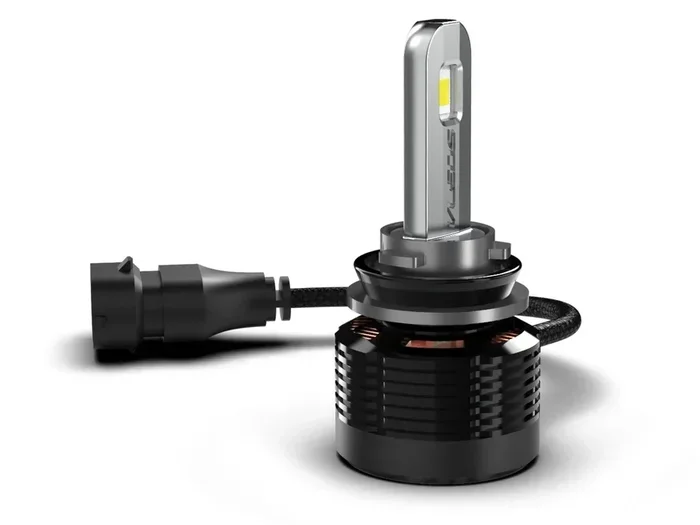
LED bulbs are also available as aftermarket upgrades. They fit into many halogen headlight housings with minimal effort. The installation is usually straightforward. Just make sure the bulb is compatible with your vehicle’s bulb socket type.
HID (High-Intensity Discharge) Bulbs
HID bulbs use an electric arc between two electrodes inside a gas-filled capsule. They produce an extremely bright, bluish-white light. HID technology was once the go-to upgrade for drivers who wanted maximum brightness.
HID bulbs are commonly found in luxury vehicles and older premium cars. They offer excellent light output and reach far down the road. However, they require a ballast to operate. This adds complexity to the installation process.
HID bulbs have a warm-up time. They do not reach full brightness instantly. This can be a minor drawback in some driving situations. They also tend to be more expensive than halogen and LED options.
How to Know Which Bulb Your Car Uses for Low Beam
Finding the right bulb for your low beam can feel tricky. But it does not have to be. There are several reliable ways to figure it out.
Check Your Owner Manual
The easiest way is to read your owner manual. It lists the exact bulb type for both low beam and high beam. Look in the section about maintenance or specifications. The manual will tell you the bulb model number, such as H7, H11, or 9005.
Look at the Current Bulb
You can also remove the old bulb and check the markings on the glass or base. Most bulbs have a code printed on them. This code tells you the exact type. Match that code when buying a replacement.
Use an Online Bulb Finder Tool
Many websites offer a bulb finder tool. You enter your car make, model, and year. The tool tells you the correct bulb for low beam and high beam. This is a quick and reliable method, especially if you do not have your manual handy.
Common Low Beam Bulb Socket Types
Different vehicles use different bulb socket types. Here are the most common ones you will encounter:
- H4: Used in many older vehicles. It serves both low and high beam in one bulb.
- H7: Very common in European cars like BMW and Volkswagen.
- H11: Popular in many Japanese and American vehicles.
- 9005 (HB3): Often found in higher-end vehicles and some trucks.
- H1: Used in some premium and performance cars.
Knowing your socket type makes shopping much easier. Always double-check before you buy. Putting the wrong bulb in can damage your headlight assembly or cause poor light output.
LED vs Halogen vs HID for Low Beam: Which Is Best?
Choosing between halogen, LED, and HID for your low beam depends on your needs, budget, and vehicle. Let us compare them side by side.
| Feature | Halogen | LED | HID |
|---|---|---|---|
| Brightness | Moderate | High | Very High |
| Lifespan | 450-1,000 hours | Up to 30,000 hours | 2,000-3,000 hours |
| Price | $5-$20 per bulb | $20-$80 per bulb | $30-$100 per bulb |
| Installation | Very easy | Easy | Moderate (needs ballast) |
| Color Temperature | Warm yellow | White to cool white | Cool white to blue-white |
| Energy Efficiency | Low | High | Moderate |
| Best For | Budget-friendly daily driving | Upgrades and modern vehicles | Maximum brightness seekers |
For most drivers, LED bulbs offer the best balance of brightness, lifespan, and price. They are a great choice for a headlight retrofit. Halogen bulbs work fine if you want a simple, no-fuss replacement. HID bulbs are best for those who want maximum light output and do not mind a slightly more complex setup.
Quick Tips for Choosing the Right Bulb
- Always match the bulb to your vehicle’s socket type.
- Check the bulb wattage rating to avoid overheating.
- Look for bulbs with a good color temperature (4000K-6000K for white light).
- Read reviews before buying aftermarket bulbs.
- Consider whether your vehicle has a DRL daytime running lights system that may affect compatibility.
Installing the Right Low Beam Bulb
Replacing a low beam bulb is one of the easiest car maintenance tasks you can do at home. With the right tools and a little patience, you can complete the job in under 30 minutes.
Tools You Will Need
- Replacement bulb (correct type for your vehicle)
- Clean gloves (to avoid touching the glass)
- Screwdriver or trim removal tool
- Clean cloth or microfiber towel
Step-by-Step Installation Guide
Follow these steps to replace your low beam bulb safely and correctly.
- Turn off the engine and let the headlights cool down completely.
- Open the hood and locate the back of the headlight assembly.
- Disconnect the power connector from the bulb base.
- Remove the retaining clip or cap that holds the bulb in place.
- Carefully pull out the old bulb without touching the glass.
- Insert the new bulb into the socket. Make sure it sits securely.
- Reattach the retaining clip or cap.
- Reconnect the power connector.
- Test the bulb by turning on the headlights.
Common Mistakes During Installation
Avoid these common errors when replacing your low beam bulb:
- Touching the glass with bare hands: Oils from your skin can create hot spots on the bulb and shorten its lifespan. Always wear gloves.
- Forcing the bulb into place: If it does not fit, double-check the bulb type. Forcing it can break the socket.
- Skipping the alignment check: A new bulb will not work well if the headlight is misaligned. Always check the aim after installation.
- Mixing bulb types: Using different bulb types for low beam and high beam can cause uneven lighting. Stick with matching bulbs.
Common Low Beam Bulb Problems and How to Fix Them
Even with the right bulb, problems can still occur. Knowing what to look for helps you troubleshoot quickly.
Flickering or Dimming Lights
If your low beam flickers or dims, the bulb may be reaching the end of its life. However, the issue could also be a loose connection or a failing bulb socket. Check the connector for corrosion or damage. Clean the contacts with a dry cloth if needed.
Uneven Beam Pattern
A low beam that shines too high or too low can be dangerous. This usually happens when the bulb is not seated correctly. Remove the bulb and reseat it firmly. If the problem persists, check the headlight alignment. You may need to adjust the aim screws on the housing.
Bulb Burns Out Frequently
If a new bulb burns out quickly, check the bulb wattage. Using a higher wattage than recommended can overheat the socket and cause premature failure. Also inspect the headlight assembly for moisture. Water inside the housing can damage bulbs and electrical connections.
Moisture Inside the Headlight Housing
Moisture is a common but overlooked problem. It can fog up the lens and dim your light output. Small condensation is normal after temperature changes. But if you see water pooling inside, check the seals and vents. A damaged seal should be repaired promptly to prevent long-term damage.
When to Seek Professional Help
Some issues go beyond a simple bulb replacement. If you notice wiring damage, persistent flickering, or a blown fuse, it is best to consult a professional mechanic. Electrical problems in the headlight assembly can be complex and unsafe to handle without proper knowledge.
Expert Tips for Maximizing Low Beam Performance
Getting the most out of your low beam headlights is about more than just picking the right bulb. A few extra steps can make a big difference.
Keep Your Headlights Clean
Dirt and grime on the lens reduce light output significantly. Clean your headlights regularly with a mild soap and a soft cloth. For cloudy or yellowed lenses, use a headlight restoration kit. This brings back clarity and improves your road visibility at night.
Check Alignment Every Few Months
Headlights can shift over time, especially after hitting potholes or bumps. Periodically check that both low beams are aimed correctly. Proper alignment ensures you get the full benefit of your bulb’s light output.
Consider Upgrading Both Bulbs at Once
If one low beam bulb has burned out, the other is likely close behind. Replacing both at the same time ensures even lighting on both sides of the road. It also saves you a second trip to the store.
Use Quality Bulbs from Reputable Brands
Cheap bulbs may save money upfront but often last much shorter and produce inferior light. Stick with trusted brands for your aftermarket bulb purchases. The slight extra cost is worth the reliability and performance.
Understand Your Vehicle’s DRL System
Many modern cars have DRL daytime running lights that use the low beam bulb during the day. If you upgrade to an LED or HID bulb, make sure it is compatible with your DRL system. Some vehicles require a decoder or resistor to prevent flickering or error messages on the dashboard.
Conclusion
So, which headlight bulb is low beam? The answer is that it depends on your vehicle, but the most common options are halogen, LED, and HID bulbs. Each type has its place, and the best choice comes down to your budget, driving needs, and vehicle compatibility.
Understanding the difference between low beam and high beam helps you make smarter choices. The low beam is your everyday driving light. It keeps you safe and visible without bothering other drivers. Taking the time to pick the right low beam headlight bulb and install it correctly makes a real difference on the road.
Whether you stick with a factory OEM bulb or upgrade to a brighter LED, the key is to match the bulb to your vehicle. Check your socket type, follow the installation steps carefully, and always verify your beam alignment afterward. With the right bulb and proper care, your low beams will serve you well for many miles to come.
Now you have the knowledge to walk into any auto parts store with confidence. You know exactly what to look for and why it matters. Safe driving starts with good visibility, and good visibility starts with the right bulb.