What Are the Taxes on a Maserati and How to Reduce Them
Understanding the taxes on a Maserati is essential for any luxury car buyer. You will face sales tax, registration fees, annual excise taxes, and higher insurance costs that can add thousands of dollars to your ownership experience. Fortunately, there are smart strategies to reduce these taxes and keep your Maserati ownership more affordable.
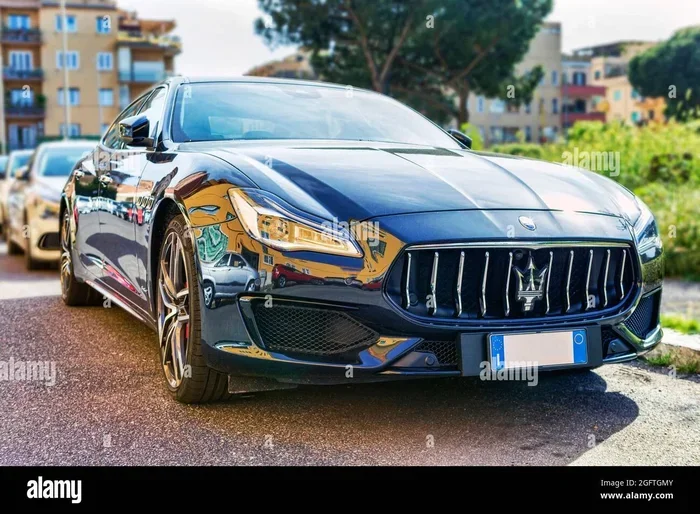
Owning a Maserati is a dream for many car enthusiasts. The sleek Italian design, the powerful engine, and the prestige of pulling into a parking lot in one of these machines is unmatched. But there is a less glamorous side to Maserati ownership that many people overlook: the taxes. Understanding the taxes on a Maserati before you buy can save you thousands of dollars and prevent nasty surprises down the road.
The world of luxury car taxation is complex. Unlike buying a everyday sedan, purchasing a Maserati involves multiple layers of taxes at the state, local, and federal levels. From the moment you sign the paperwork to the ongoing annual costs, taxes follow you every step of the way. This guide breaks everything down in simple terms so you know exactly what you are getting into.
Let us be real for a moment. The sticker price of a Maserati is already steep. A base Ghibli starts around $75,000, while a Quattroporte can easily exceed $100,000. Add taxes into the mix, and the total cost of ownership climbs even higher. But knowledge is power, and understanding how these taxes work puts you in a much better position to plan your budget and explore ways to reduce them.
Key Takeaways
- Sales tax on a Maserati varies by state: Rates can range from 0% to over 10%, dramatically affecting your total purchase price.
- Annual excise and property taxes apply: Most states charge yearly taxes based on your Maserati’s value, which can cost hundreds to thousands each year.
- Luxury car depreciation helps with deductions: Business owners may be able to write off a portion of their Maserati taxes through depreciation and business use.
- Trading in a vehicle reduces taxable amount: Your trade-in value lowers the sales tax base, saving you real money at the dealership.
- Insurance costs are part of the tax picture: Maserati insurance premiums are higher, and factoring them in gives you the full ownership cost.
- State-specific exemptions exist: Some states offer exemptions for classic or antique vehicles that may apply to older Maserati models.
📑 Table of Contents
Understanding the Taxes on a Maserati
When most people think about buying a Maserati, they focus on the monthly payment or the sticker price. But taxes are a huge part of the equation. Let us walk through each type of tax you will encounter.
Sales Tax on Your Maserati Purchase
Sales tax is the first and often largest tax you will pay when buying a Maserati. This is a one-time tax applied to the purchase price of the vehicle. The rate depends entirely on the state where you register the car. Some states have no sales tax on vehicles at all, while others charge rates that can exceed 10%.
For example, if you buy a Maserati Ghibli for $80,000 in a state with a 7% sales tax rate, you will owe $5,600 in sales tax alone. That is money that goes straight to your state government before you even drive the car off the lot. States like Montana, Oregon, Delaware, and New Hampshire have no general sales tax, which makes them attractive for luxury car buyers. On the other hand, states like California, New York, and Louisiana can have combined state and local rates that push past 9%.
It is worth noting that some dealerships offer tax incentives or promotions that can reduce your sales tax burden. Always ask your dealer about any available tax relief programs before finalizing your purchase.
Annual Vehicle Excise Tax
Beyond the initial sales tax, most states charge an annual excise tax on your vehicle. This is sometimes called a personal property tax or a vehicle privilege tax. The amount is typically based on the assessed value of your Maserati, which is usually tied to the manufacturer suggested retail price or a percentage of the purchase price.
In Massachusetts, for instance, vehicles are assessed at a percentage of their MSRP and taxed annually. A Maserati Levante valued at $90,000 could incur hundreds of dollars in excise tax each year. Over five years of ownership, this adds up to a significant amount. States like Virginia and Rhode Island also have notable annual vehicle taxes that luxury car owners need to budget for.
Here are some key points about annual excise taxes:
- The tax rate varies by state and sometimes by county.
- The value of your Maserati depreciates over time, which may lower your annual tax.
- Some states offer exemptions for vehicles over a certain age.
- Non-payment can result in liens, fines, or registration suspension.
Registration and Title Fees
Every state requires you to register your vehicle and obtain a title. These fees are separate from sales tax and excise tax. Registration fees for a Maserati tend to be higher than for standard vehicles because many states base the fee on the vehicle’s value or weight.
Title fees are generally a flat rate, but registration fees can vary widely. In California, for example, registration fees for a luxury vehicle can exceed $600 per year. In Texas, the annual registration fee for a vehicle valued over $60,000 can be several hundred dollars. These costs are ongoing and should be factored into your yearly Maserati ownership budget.
How Maserati Taxes Compare to Other Luxury Brands
Maserati taxes are not fundamentally different from those on other luxury brands like BMW, Mercedes-Benz, or Porsche. The tax rates depend on your state and the vehicle’s value, not the brand name. However, Maserati occupies a unique position in the luxury market that affects the overall tax picture.
Maserati models tend to depreciate faster than some competitors. A Maserati Ghibli might lose 30% of its value in the first three years. This depreciation actually works in your favor when it comes to annual excise taxes, since the assessed value drops over time. It also affects any potential tax deductions you might claim.
Compared to brands like Lexus or Toyota, which are known for being low maintenance, Maserati ownership costs are significantly higher in every category including taxes. If you are considering a Maserati, it helps to understand how the total cost of ownership compares to more mainstream luxury options. Even something like how Toyota Tacomas are low maintenance shows that brand reputation for reliability affects long-term costs in ways that go beyond just taxes.
Comparison Table: Estimated Annual Tax Burden by State
Below is a general comparison of what owning a Maserati Ghibli (valued at approximately $80,000) might look like in different states. These are estimates and actual amounts will vary based on your specific situation.
- California: Sales tax around 7.25%, annual registration $600+, excise tax $800+
- Texas: Sales tax around 6.25%, annual registration $300+, no state income tax benefit
- Florida: Sales tax around 6%, annual registration $200+, no annual excise tax
- Montana: No sales tax, low registration fees, no excise tax
- New York: Sales tax around 8.875%, annual registration $150+, local taxes may apply
As you can see, the state you live in or choose to register your Maserati in can make a dramatic difference in your total tax burden. This is why many luxury car buyers carefully research state tax laws before making a purchase.
How to Reduce Your Maserati Taxes
Now for the part you have been waiting for. There are legitimate strategies to reduce the taxes you pay on your Maserati. Let us explore the most effective approaches.
Leverage the Federal Tax Deduction for Business Use
If you use your Maserati for business purposes, you may be eligible for significant tax deductions. The IRS allows business owners to deduct vehicle expenses, including depreciation. Under Section 179 of the tax code, you may be able to deduct a large portion of the vehicle’s cost in the first year of ownership.
However, there are strict rules. The vehicle must be used primarily for business purposes. If you use your Maserati 60% for business and 40% for personal use, you can only deduct 60% of the expenses. The IRS also limits the amount you can deduct based on the vehicle’s value and weight. For luxury vehicles like a Maserati, the depreciation deductions are capped to prevent abuse of the system.
It is always wise to consult with a qualified tax professional before claiming vehicle deductions. A good accountant can help you maximize your savings while staying fully compliant with tax laws.
Use Your Trade-In to Lower the Sales Tax Base
One of the simplest and most effective ways to reduce your Maserati taxes is to trade in your current vehicle. Most states calculate sales tax only on the difference between the new car price and your trade-in value. This means your trade-in directly reduces the amount of sales tax you owe.
Let us say you are buying a Maserati for $85,000 and your trade-in is worth $25,000. In states that allow this deduction, you only pay sales tax on $60,000 instead of $85,000. At a 7% sales tax rate, that saves you $1,750. That is real money in your pocket.
To maximize this benefit, make sure your trade-in is properly valued. Get multiple appraisals and negotiate hard on the trade-in price. Every dollar you add to your trade-in value is a dollar you save in sales tax.
Buy in a State with No Sales Tax
If you have flexibility in where you purchase your Maserati, consider buying in a state with no sales tax. Montana, Oregon, Delaware, Alaska, and New Hampshire do not charge a general sales tax. If you live in one of these states, you already have a huge advantage.
Even if you do not live in a no-sales-tax state, some buyers establish a residence or use a trust in one of these states to take advantage of the savings. However, you must be careful here. Setting up a shell residency purely to avoid taxes can trigger audits and legal issues. Always make sure any arrangement you use is legitimate and transparent.
Time Your Purchase Strategically
Some states offer temporary tax holidays or reduced rates for certain vehicle purchases. Keep an eye on local tax laws and plan your Maserati purchase around these opportunities. While this is more common for everyday vehicles, some states extend incentives to all car buyers during specific periods.
Additionally, buying a Maserati at the end of a model year or during dealer clearance events can lower the purchase price, which in turn reduces the sales tax you owe. A lower sticker price means a lower tax bill across the board.
Consider Leasing Instead of Buying
Leasing a Maserati can offer different tax advantages compared to buying. For business owners, lease payments are often fully deductible as a business expense, whereas purchased vehicles require you to depreciate the value over time. The tax treatment of a lease versus a purchase depends on your specific situation, so this is another area where professional tax advice is invaluable.
Leasing also means you avoid the large upfront sales tax hit. In many states, sales tax on a lease is paid monthly as part of your lease payment rather than all at once at the point of sale. This spreads out the tax burden and improves your cash flow.
Common Mistakes People Make With Maserati Taxes
Even informed buyers can make mistakes when it comes to Maserati taxes. Here are some of the most common errors to avoid.
Ignoring ongoing taxes. Many people focus only on the sales tax at purchase and forget about annual excise taxes, registration fees, and increased insurance premiums. These recurring costs can easily add $2,000 to $5,000 per year to your ownership expenses.
Assuming all states treat luxury cars the same. Tax laws vary dramatically from state to state. What applies in Texas may be completely different from what applies in New York. Always research the specific tax laws in your state before purchasing.
Overlooking the impact of depreciation on taxes. While Maseratis depreciate quickly, this actually works to your advantage for annual excise taxes. As the car loses value, your yearly tax bill should decrease. Make sure your vehicle is reassessed regularly to reflect its current market value.
Not keeping proper documentation. If you plan to claim any tax deductions, you need thorough records of business use, maintenance expenses, and all tax payments. Poor record-keeping is the fastest way to lose a legitimate deduction during an audit.
Forgetting about insurance as part of the cost picture. While insurance is not technically a tax, it is a mandatory cost of ownership that is heavily influenced by the vehicle type. Maseratis are expensive to insure, and many people underestimate this cost. Just as you would check whether low engine oil shows on the dashboard to avoid costly repairs, you should check your insurance costs early to avoid budget surprises.
Expert Insights on Maserati Tax Planning
Tax planning for a luxury vehicle like a Maserati requires a proactive approach. According to tax professionals who specialize in luxury car ownership, the smartest thing you can do is plan before you buy. Understanding the full tax picture allows you to make informed decisions about where to buy, how to finance, and whether to lease or purchase.
One expert tip is to factor in the total cost of ownership from day one. This includes not just the purchase price and taxes, but also maintenance, insurance, fuel, and depreciation. A Maserati might have lower taxes in a no-sales-tax state, but if maintenance costs are significantly higher, the savings may not be as meaningful as they appear.
Another important insight is that tax laws change frequently. What was true last year may not be true this year. The federal depreciation limits, state excise tax rates, and registration fee structures are all subject to legislative changes. Staying informed and working with a knowledgeable tax advisor ensures you never overpay.
Finally, remember that the Maserati experience is about more than just the numbers. The thrill of driving one of these magnificent Italian machines is something that money cannot fully capture. Smart tax planning simply ensures that you can enjoy that experience without unnecessary financial stress.
Conclusion
The taxes on a Maserati are a significant part of the ownership equation. From sales tax at the point of purchase to annual excise taxes and registration fees, the costs add up quickly. But with careful planning and the right strategies, you can significantly reduce your tax burden and make luxury car ownership more accessible.
Whether you leverage business deductions, use a trade-in to lower your taxable amount, buy in a no-sales-tax state, or explore leasing options, there are real and actionable steps you can take today. The key is to start planning early, stay informed about changing tax laws, and work with professionals who understand the unique world of luxury vehicle taxation.
Owning a Maserati is a privilege, and smart tax planning is part of being a responsible luxury car owner. Use the strategies in this guide to keep more money in your pocket and enjoy your Maserati with greater confidence and financial peace of mind.
Frequently Asked Questions
How much is sales tax on a Maserati?
Sales tax on a Maserati depends entirely on your state. Rates typically range from 0% in states like Montana to over 10% in some areas of California and Louisiana. On a $90,000 Maserati, a 7% sales tax would cost you $6,300. Always check your specific state and local rates before purchasing.
Can I deduct Maserati taxes if I use the car for business?
Yes, if you use your Maserati for business purposes, you may be able to deduct sales tax, annual excise taxes, and depreciation through your business taxes. The IRS allows deductions for business-use vehicles, but there are strict rules and caps on luxury vehicles. Consult a tax professional for guidance specific to your situation.
Do Maseratis have higher registration fees than regular cars?
Yes, Maseratis typically have higher registration fees because many states base these fees on the vehicle’s value or weight. Luxury vehicles like Maseratis fall into higher fee brackets, which means your annual registration costs will be significantly more than a standard sedan or SUV.
Are there any tax exemptions for classic Maseratis?
Some states offer tax exemptions or reduced rates for classic or antique vehicles, typically those over 25 years old. If you own a vintage Maserati, check with your state’s Department of Motor Vehicles to see if your vehicle qualifies for any exemptions or special tax treatment.
Is leasing a Maserati tax-advantageous compared to buying?
Leasing can offer tax advantages for business owners because lease payments are often fully deductible as a business expense. Additionally, sales tax on a lease is typically paid monthly rather than upfront, which improves cash flow. However, the specific tax treatment depends on your individual circumstances and local laws.
How can I reduce my annual Maserati tax bill?
You can reduce your annual Maserati tax bill by ensuring your vehicle is properly reassessed for depreciation, exploring state-specific exemptions, maintaining thorough business-use records for deductions, and timing your purchase to take advantage of any available tax incentives or holidays in your state.