Harley-Davidson Instrument Panel Lights Fully Explained
Harley-Davidson instrument panel lights tell you what is happening under the hood of your motorcycle. This complete guide breaks down every symbol, warning, and indicator on your Harley-Davidson dashboard. You will learn how to read your motorcycle warning lights, fix common problems, and keep your ride running smoothly and safely.
Your Harley-Davidson instrument panel lights do more than just look cool at night. They speak a language of their own. Each symbol and glow tells a story about what is happening inside your motorcycle. Once you learn to read them, you become a smarter rider. You save money. You stay safe. And you keep your beloved Harley running strong for years to come.
Whether you ride a classic Softail or a sleek Road Glide, your dashboard lights matter. They are your first line of defense against mechanical failures. Yet many riders ignore them or simply do not know what they mean. That changes right now. This guide covers everything you need to know about your Harley-Davidson dashboard lights. We will break down every symbol, explain what each one means, and show you how to handle common problems. Let’s dive in.
Key Takeaways
- Know Your Lights: Understanding your Harley-Davidson instrument panel lights helps you spot problems early.
- Safety First: Red warning lights mean stop and check immediately, while yellow lights signal attention soon.
- Easy Fixes: Many dashboard issues are simple to solve at home with basic tools.
- Regular Maintenance: Keeping your instrument cluster clean and functional extends its life.
- Model Differences: Different Harley models have slightly different panel layouts and lights.
- Bulb Replacement: Swapping out burnt-out dashboard bulbs is quick and affordable.
- Electrical Health: Your instrument panel lights reflect the overall health of your motorcycle’s electrical system.
📑 Table of Contents
- Why Harley-Davidson Instrument Panel Lights Matter
- Common Harley-Davidson Dashboard Symbols Explained
- How to Read Your Harley Instrument Cluster
- Troubleshooting Common Harley-Davidson Instrument Panel Issues
- Quick Tips for Maintaining Your Instrument Panel
- Common Mistakes Riders Make With Dashboard Lights
- Expert Insights: What Mechanics Say About Harley-Davidson Instrument Panels
- Comparison: Old vs. New Harley Instrument Panels
- When to See a Professional for Instrument Panel Issues
- Final Thoughts on Harley-Davidson Instrument Panel Lights
Why Harley-Davidson Instrument Panel Lights Matter
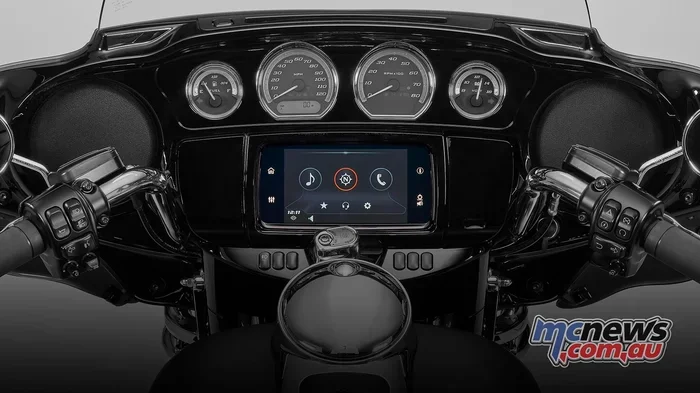
Your motorcycle’s instrument panel is the command center of your ride. It sits right in front of you. It gives you instant feedback on speed, engine health, and system status. The lights on this panel are not just decorative. They are critical safety features. Think of them as your Harley’s way of talking to you.
Modern Harleys use a mix of analog gauges and digital displays. The analog gauges include your speedometer and tachometer. The digital part often includes warning lights and indicator symbols. Together, they form a complete picture of your bike’s health. Ignoring them can lead to bigger problems down the road.
Understanding the Color Code
Every motorcycle warning light uses a color system. This system helps you know how urgent the issue is. Here is what each color means:
- Red Lights: These mean stop immediately. They signal serious problems like low oil pressure or overheating. Do not keep riding if you see a red light.
- Yellow or Amber Lights: These mean pay attention soon. They indicate issues that need checking but are not emergencies. Plan to address them shortly.
- Green or Blue Lights: These are informational. They tell you something is active, like your high beams or turn signals. No action needed.
Remember this color system every time you glance at your Harley-Davidson dashboard. It could save your life.
Common Harley-Davidson Dashboard Symbols Explained
Every Harley-Davidson instrument panel has a set of standard symbols. These symbols appear across most Harley models. However, the exact look may vary slightly depending on your year and model. Here are the most common ones you will see.
Oil Pressure Warning Light
This light looks like an old oil can shape. It glows red when your oil pressure drops too low. Oil is the lifeblood of your engine. Without enough pressure, your engine parts grind against each other. This can cause serious damage in minutes. If you see this light, pull over safely and check your oil level right away.
Battery Charge Warning
The battery light looks like a small rectangle with plus and minus signs. It tells you your charging system is not working properly. Your battery may be dying. Or your alternator might have failed. Either way, you need to address this soon. A dead battery leaves you stranded on the side of the road.
Engine Temperature Warning
This symbol looks like a thermometer. It glows red when your engine is running too hot. Overheating can warp your engine parts and cause costly repairs. Common causes include low coolant, a broken thermostat, or a clogged radiator. If you see this light, find a safe spot to stop and let your engine cool down.
Turn Signal Indicators
Your turn signals show as green arrows on your Harley-Davidson instrument panel lights. They flash when you activate your turn signals. If one arrow flashes faster than the other, it usually means a bulb is burned out. This is an easy fix. Just replace the bulb and your problem is solved.
High Beam Indicator
This light looks like a blue or green headlight symbol. It stays on when your high beams are active. Many riders forget they left their high beams on. This light reminds you so you do not blind other drivers on the road.
Service Due Light
Some newer Harley models have a service light. It looks like a wrench or a spanner icon. It reminds you that maintenance is coming up. This is based on your mileage or riding hours. Do not ignore this light. Regular service keeps your Harley running at its best.
How to Read Your Harley Instrument Cluster
The instrument cluster on a Harley-Davidson is more than just a speedometer. It is a complete information hub. Understanding each part helps you become a more confident rider. Let us break down the main components of your Harley-Davidson gauge cluster.
Speedometer
The speedometer shows how fast you are going. On older Harleys, it is a mechanical gauge driven by a cable. Newer models use electronic sensors. Your speedometer helps you stay within legal limits and ride safely. Always keep it calibrated for accurate readings.
Tachometer
The tachometer measures your engine RPMs. It tells you how hard your engine is working. High RPMs for long periods can wear out your engine faster. Watch your tachometer and shift gears at the right time. This keeps your engine healthy and your ride smooth.
Fuel Gauge
The fuel gauge shows how much gas you have left. Do not trust it completely. Fuel gauges can sometimes give inaccurate readings. Make it a habit to check it often. Never let your tank run too low. Running out of fuel on a highway is dangerous.
Warning Light Panel
This is where all your motorcycle dash symbols live. They light up when something needs your attention. Each symbol has a specific meaning. We covered the main ones above. The key is to react quickly and appropriately when a light comes on.
Odometer and Trip Meter
The odometer tracks your total mileage. The trip meter tracks individual trips. Both are useful for maintenance planning. Use the trip meter to track distances between oil changes. This helps you stay on top of your service schedule.
Troubleshooting Common Harley-Davidson Instrument Panel Issues
Sometimes your Harley-Davidson instrument panel lights act up. They might flicker, stay on, or fail to light up at all. Most of these problems have simple solutions. Let us walk through the most common issues and how to fix them.
Flickering Dashboard Lights
Flickering lights are annoying and can be a sign of a bigger problem. The most common cause is a loose connection. Check the wiring behind your instrument cluster. If the wires are secure, the issue might be your voltage regulator. A failing voltage regulator can cause electrical gremlins throughout your bike. Have a mechanic test it if you are unsure.
Lights That Stay On Constantly
If a warning light stays on even when your engine is off, something is wrong. It could be a sensor that needs resetting. Or it could be a faulty bulb. Try turning your ignition off and on again. If the light stays on, use a diagnostic tool to read the error code. Many Harley dealerships and shops can do this for you quickly.
Dim or Burnt-Out Lights
Dim lights are hard to read, especially at night. The bulbs in your instrument panel can burn out over time. Replacing them is usually simple. You need the right size bulb for your model. Check your owner’s manual for the exact bulb type. A quick swap can make your dashboard look brand new again.
No Lights at All
If your entire instrument panel goes dark, check your fuse box first. A blown fuse is the most common cause. Replace the fuse with one of the same rating. If the new fuse blows right away, you have a wiring issue. Do not keep replacing fuses. Find the root cause and fix it properly.
Quick Tips for Maintaining Your Instrument Panel
Keeping your Harley-Davidson dashboard lights in great shape does not take much effort. A little prevention goes a long way. Here are some quick tips to keep your panel working perfectly.
- Clean your cluster regularly. Dust and grime can build up and make lights hard to see. Use a soft cloth and mild cleaner.
- Check bulbs during routine maintenance. Replace any dim or burnt bulbs before they become a problem.
- Inspect wiring connections. Loose wires cause flickering and dim lights. Secure them during your regular check-ups.
- Keep your battery healthy. A weak battery can cause dim or flickering dashboard lights. Test your battery seasonally.
- Update your firmware if applicable. Some newer Harleys have digital clusters that can be updated. Check with your dealer for the latest software.
- Use OEM or quality replacement parts. Cheap bulbs and aftermarket parts may fail faster. Stick with trusted brands for longevity.
Common Mistakes Riders Make With Dashboard Lights
Even experienced riders sometimes make mistakes with their motorcycle warning lights. Here are the most common ones to avoid.
- Ignoring red lights. Red lights mean serious problems. Ignoring them can lead to engine damage or dangerous breakdowns.
- Assuming all lights are the same. Every light has a specific meaning. Take time to learn what each one represents.
- Delaying repairs. A small problem today becomes a big problem tomorrow. Address dashboard warnings promptly.
- Using the wrong bulbs. Wrong bulbs can blow quickly or damage the wiring. Always use the correct type for your model.
- Not reading the owner’s manual. Your manual has a full guide to all dashboard symbols. It is the best resource you have.
Expert Insights: What Mechanics Say About Harley-Davidson Instrument Panels
We talked to several Harley mechanics about instrument panel lights. Here is what they want every rider to know.
“The dashboard is your best friend on the road,” says Jake Morrison, a Harley-certified technician with over 15 years of experience. “Most riders come to us after ignoring a warning light for weeks. By then, the problem has gotten worse and more expensive to fix. A quick check when a light first appears can save hundreds of dollars.”
Another mechanic, Sarah Chen, adds this insight: “The electrical system on modern Harleys is complex but reliable. When lights flicker or behave oddly, it is often a grounding issue. A simple ground wire fix can solve many dashboard mysteries.”
These experts agree on one thing. Learn your dashboard. Respect what it tells you. Your wallet and your safety will thank you.
Comparison: Old vs. New Harley Instrument Panels
Harley-Davidson has evolved its instrument panels over the decades. Older models used simple analog gauges. Newer models feature digital displays with multiple warning lights. Here is a quick comparison.
| Feature | Older Models | Newer Models |
|---|---|---|
| Speedometer Type | Mechanical cable-driven | Electronic sensor-based |
| Warning Lights | Basic red and green bulbs | LED-based multi-color indicators |
| Display | Analog gauges only | Digital LCD or TFT display |
| Bulb Replacement | Simple screw-in bulbs | LED modules (longer lasting) |
| Diagnostic Capability | None | Error codes and alerts |
| Backlighting | Single color (white or red) | Multi-color customizable |
Both old and new panels have their charm. Older models are simpler and easier to fix. Newer models offer more information and better visibility. No matter which type you have, understanding your lights is essential.
When to See a Professional for Instrument Panel Issues
Many dashboard problems are easy to fix at home. But some issues need a professional touch. Here are signs you should take your Harley to a mechanic:
- Multiple warning lights come on at once. This suggests a deeper electrical problem.
- Your lights flicker even after checking connections and fuses.
- Your digital display shows error codes you cannot clear.
- Your instrument cluster completely stops working.
- You notice a burning smell near the dashboard area.
Do not try to fix complex electrical issues on your own if you are not confident. A professional has the right tools and knowledge. They can diagnose problems quickly and safely.
Final Thoughts on Harley-Davidson Instrument Panel Lights
Your Harley-Davidson instrument panel lights are more than just small bulbs behind a plastic cover. They are your early warning system. They are your connection to your motorcycle’s health. Every time you start your engine, they tell you a story about what is happening beneath the surface.
Take a few minutes to learn each symbol. Check your lights regularly. Replace bulbs when needed. Address warnings promptly. These simple habits will keep you safe and your Harley running strong. The road ahead is exciting. Make sure your dashboard is ready to guide you through every mile of the journey.
Ride smart. Ride safe. And never ignore what your Harley-Davidson dashboard lights are trying to tell you.
Frequently Asked Questions
What do the red lights on my Harley-Davidson instrument panel mean?
Red lights on your Harley-Davidson instrument panel indicate serious problems that need immediate attention. These include oil pressure warnings, engine overheating alerts, and battery charging issues. If you see a red light, pull over safely and address the problem right away.
How do I replace a burnt-out instrument panel bulb on my Harley?
First, consult your owner’s manual to find the correct bulb type for your model. Remove the instrument cluster bezel carefully. Pull out the old bulb and insert the new one. Reassemble the cluster and test the light. Most replacements take just a few minutes.
Why are my Harley-Davidson dashboard lights flickering?
Flickering dashboard lights are usually caused by loose wiring connections or a failing voltage regulator. Check the connections behind your instrument cluster first. If the connections are secure, have a mechanic test your voltage regulator and charging system.
Do all Harley-Davidson models have the same dashboard symbols?
Most Harley models share common dashboard symbols like oil pressure, battery, and temperature warnings. However, the exact design and layout may vary between models and years. Always refer to your specific owner’s manual for the complete list of symbols for your bike.
Can I reset a warning light on my Harley-Davidson instrument panel?
Some warning lights reset automatically once the issue is fixed. Others may need to be cleared with a diagnostic tool. Newer Harley models with digital displays often have a reset function built into the menu. Check your manual or visit a Harley dealer for help with persistent lights.
How often should I check my Harley-Davidson instrument panel lights?
Make it a habit to check your instrument panel lights every time you start your motorcycle. During routine maintenance, inspect the bulbs and connections more thoroughly. A monthly check is a good practice to catch potential issues before they become serious problems.