Do I Need a Cargo Liner Find Out If You Really Need One
A cargo liner is one of the most underrated car accessories you can add to your vehicle. It keeps your trunk or cargo area clean, protected, and looking brand new. Whether you haul gear, pets, or groceries, a cargo liner saves you from endless cleanup and protects your car’s interior from scratches, spills, and wear.
You just bought a brand-new car. The interior smells fresh. The seats look crisp. And then life happens. You load up the trunk with groceries, muddy shoes, pet supplies, or camping gear. Suddenly, your pristine cargo area is a mess. Dirt spreads. Spills happen. Scratches appear. This is exactly where a cargo liner comes in.
But here is the real question. Do you actually need one? The answer depends on how you use your vehicle, what you carry, and how much you care about keeping your car looking great. In this guide, we will walk through everything you need to know about cargo liners. We will cover what they are, why they matter, and whether investing in one makes sense for you.
A cargo liner is a protective insert that sits inside your vehicle’s trunk or cargo area. It acts as a barrier between your car’s interior and whatever you haul around. These liners come in many shapes, sizes, and materials. Some are made from rubber. Others use fabric, plastic, or hybrid materials. The goal is simple. Keep your car clean and protected.
Key Takeaways
- Protects Your Interior: A cargo liner shields your trunk from scratches, spills, stains, and everyday wear and tear.
- Saves Time on Cleaning: With a trunk liner in place, you can simply remove and rinse it instead of scrubbing your car’s interior.
- Increases Resale Value: Keeping your cargo area in pristine condition helps maintain your vehicle’s overall resale value.
- Custom Fit Options Available: Many cargo mats are molded specifically for your vehicle model, ensuring a perfect fit.
- Versatile Use: Cargo liners work great for pet owners, families, outdoor enthusiasts, and anyone who uses their car regularly.
- Affordable Protection: A quality waterproof liner costs much less than repairing or replacing damaged interior parts.
- Not Always Necessary: If you rarely haul messy items or have a covered cargo area, you may skip a cargo liner altogether.
📑 Table of Contents
- What Is a Cargo Liner and Why Does It Matter?
- 5 Clear Signs You Need a Cargo Liner
- Cargo Liner vs. No Cargo Liner: What Happens Over Time?
- How to Choose the Right Cargo Liner for Your Vehicle
- Expert Tips for Getting the Most Out of Your Cargo Liner
- Do You Really Need a Cargo Liner? The Honest Answer
What Is a Cargo Liner and Why Does It Matter?
A cargo liner is more than just a piece of plastic or rubber. It is a practical solution that protects your vehicle from daily use and abuse. Think of it as insurance for your car’s interior. Just like you use a floor mat to keep dirt off your car’s carpet, a cargo liner keeps your trunk area safe from damage.
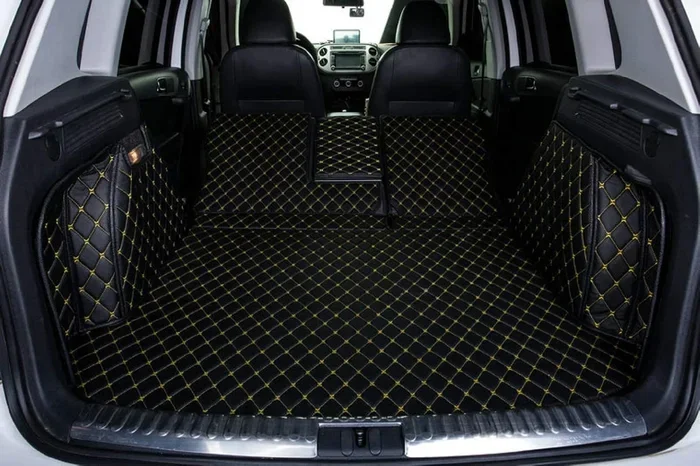
Most cargo liners are designed to fit snugly against the contours of your vehicle. They cover the floor, sides, and sometimes even the back of seats. This full coverage means no gap for dirt or water to sneak through. The best trunk liners are molded to match your exact car model, so they look factory-installed rather than bolted on.
Types of Cargo Liners Available
Not all cargo liners are the same. Different materials serve different needs. Here is a quick breakdown of the most common types you will find on the market.
- Rubber Cargo Liners: These are durable, waterproof, and easy to clean. They are ideal for muddy conditions, pet owners, and families with young kids.
- Fabric Cargo Liners: Softer and more comfortable underfoot. They blend well with your car’s interior but offer less protection against liquids.
- Plastic or Hard Shell Liners: Extremely tough and resistant to scratches. Great for heavy-duty use like hauling construction materials or tools.
- Hybrid Liners: Combine rubber on the bottom with fabric on top. They offer both durability and a polished look.
- Custom-Molded Liners: Made specifically for your vehicle model. They provide the best fit and the most complete coverage.
Each type has its strengths. Your choice should depend on your lifestyle, driving habits, and budget. A rubber trunk liner might be perfect for a dog owner who deals with wet paws and shedding fur. A fabric liner might suit someone who wants a clean, subtle look without the rugged feel of rubber.
5 Clear Signs You Need a Cargo Liner
How do you know if a cargo liner is right for you? Look for these five signs. If any of them sound familiar, it is time to invest in one.
1. You Have Pets That Ride in the Car
Pet hair, muddy paws, drool, and accidents happen. A waterproof cargo liner makes cleanup a breeze. Simply remove the liner, shake it out, or hose it down. Your trunk carpet stays dry and clean no matter what your furry friend brings along.
2. You Frequently Haul Groceries or Messy Items
Leaking juice boxes. Dropping raw meat. Spilling oil from a bottle. These small accidents add up over time and can stain or damage your car’s interior. A cargo mat catches everything and keeps your trunk spotless.
3. You Live in a Rainy or Muddy Climate
If you live somewhere with wet winters or rainy seasons, dirt and moisture will find their way into your car. A rubber floor liner for the cargo area prevents water from soaking into the carpet and causing mold or mildew.
4. You Use Your Car for Outdoor Activities
Camping gear, fishing equipment, bikes, and hiking supplies can all scratch or stain your cargo area. A heavy-duty truck bed liner or SUV liner protects against sharp edges, dirt, and grime from outdoor adventures.
5. You Plan to Keep Your Car Long-Term
Wear and tear on your car’s interior affects its resale value. A cargo liner preserves the condition of your trunk area, which buyers notice during inspections. Protecting your interior today means a better trade-in or sale price tomorrow.
Cargo Liner vs. No Cargo Liner: What Happens Over Time?
Let us be honest. Many car owners skip a cargo liner and never think twice about it. But over months and years, the difference becomes obvious. Without a liner, your cargo area accumulates dirt, stains, and odors that are hard to remove. With a liner, cleanup takes seconds.
Here is a side-by-side comparison to help you understand the long-term impact.
| Factor | With Cargo Liner | Without Cargo Liner |
|---|---|---|
| Stain Protection | Excellent | Poor |
| Scratch Prevention | High | Low |
| Cleaning Effort | Minimal | Time-consuming |
| Interior Resale Value | Well Preserved | Noticeable Wear |
| Water and Moisture Control | Superior | Limited |
| Odor Prevention | Strong | Weak |
| Initial Cost | $30 to $150 | $0 |
| Long-Term Savings | High | Low |
The numbers speak for themselves. A cargo liner costs between $30 and $150 depending on material and brand. Compare that to the cost of deep cleaning your car interior or replacing stained carpet. The investment pays for itself quickly.
Common Mistakes People Make Without a Cargo Liner
Skipping a cargo liner leads to avoidable mistakes. Here are the most common ones.
- Ignoring Small Spills: A tiny coffee spill seems harmless. But over time, it builds up and causes stains and odors that are nearly impossible to remove.
- Dragging Heavy Items: Suitcases, tools, and equipment scrape against the trunk floor, leaving deep scratches that reduce your car’s value.
- Ignoring Moisture Buildup: Water from wet shoes or rain-soaked gear seeps into the carpet and promotes mold growth.
- Using Generic Mats: Non-fitted mats slide around and do not cover the full cargo area, leaving gaps where dirt accumulates.
- Waiting Too Long to Clean: Without a liner, cleaning the cargo area becomes a major chore that most people avoid, leading to buildup over time.
How to Choose the Right Cargo Liner for Your Vehicle
Not all cargo liners are created equal. Picking the right one means considering a few key factors. Let us walk through what matters most.
Step 1: Know Your Vehicle Model
The first step is knowing your car make, model, and year. This ensures you find a liner that fits perfectly. Custom-molded cargo mats are available for most popular vehicles including SUVs, sedans, trucks, and minivans. A perfect fit means no shifting, no bunching, and full coverage.
Step 2: Consider Your Lifestyle
Think about what you typically carry in your car. Do you have kids who spill drinks? Do you bring home wet towels from the beach? Do you transport construction materials for work? Your lifestyle determines the material and thickness you need. Heavy-duty rubber liners work best for messy or demanding use. Softer trunk organizers work well for light daily use.
Step 3: Decide Between Universal and Custom Fit
Universal cargo liners are cheaper and fit a range of vehicles. However, they may not contour perfectly to your trunk shape. Custom-fit liners cost more but provide superior coverage and a polished look. For the best results, a custom-fit option is worth the extra investment.
Step 4: Check the Material Quality
Not all rubber or fabric is created equal. Look for waterproof cargo liners made from thick, durable materials. Cheap liners crack, tear, or fade quickly. Quality liners last for years and maintain their shape and color. Read reviews and check warranty information before buying.
Step 5: Think About Easy Cleaning
A great cargo liner should be easy to clean. Many rubber liners can be hosed off in the driveway and dried in minutes. Fabric liners may need machine washing. Choose a material that matches your cleaning preferences and schedule.
Expert Tips for Getting the Most Out of Your Cargo Liner
Buying a cargo liner is only half the battle. Using it correctly makes all the difference. Here are some expert tips to help you get the most value from your purchase.
- Clean Your Liner Regularly: Even the best trunk liner collects dirt over time. Shake it out weekly and give it a deep clean monthly to prevent buildup and odors.
- Pair It with a Trunk Organizer: A cargo liner protects the floor, while a trunk organizer keeps smaller items from sliding around. Together, they create a clean and efficient cargo space.
- Store It Properly When Not in Use: If you remove your liner, store it in a cool, dry place. Extreme heat can warp rubber, and moisture can cause mold on fabric liners.
- Check for Wear and Tear: Inspect your cargo mat every few months for cracks, tears, or thinning. Replacing a worn liner ensures continued protection.
- Use Multiple Liners for Different Seasons: Keep a heavy-duty rubber liner for winter and a lighter fabric liner for summer. This extends the life of each liner and keeps your cargo area optimized for the season.
Do You Really Need a Cargo Liner? The Honest Answer
Here is the honest truth. A cargo liner is not essential for everyone. If you drive a covered SUV with minimal cargo use and keep your car spotless, you might not need one. But for most people, a cargo liner is a smart, practical, and affordable addition to their vehicle.
The real question is not whether you need a cargo liner. The question is how much time, money, and hassle you are willing to spend cleaning and maintaining your car’s interior without one. A quality trunk liner saves you from both. It protects your investment, simplifies your life, and keeps your car looking its best for years to come.
If you haul anything regularly, have pets, live in a rainy area, or simply want to protect your car’s interior, a cargo liner is one of the best purchases you can make. It costs less than a tank of gas over its lifetime and delivers value every single day you drive.
Take a look at your trunk right now. Is it stained? Scratched? Smelling a bit musty? If so, a cargo liner is exactly what you need. Your car will thank you for it.