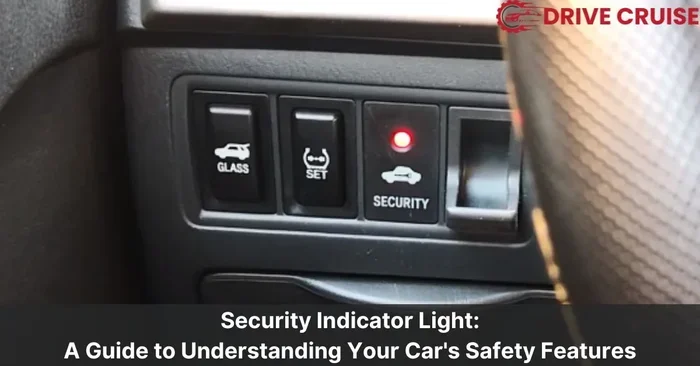
How Do I Get My Car Out of Security Mode Right Now
Car security mode can leave you stranded, but knowing how to get your car out of security mode is simpler than you think. This guide walks you through every cause, fix, and prevention step you need. Whether it is a faulty key fob, a tripped alarm, or an immobilizer issue, we have you covered. You will learn quick DIY methods and when to call a professional. Read on to get back on the road today.
There is nothing more frustrating than turning your key or pressing the start button, only to find your car is completely locked down. You hear the engine hum, but the wheels will not turn. The dashboard lights flash. The security warning light blinks on and on. This is what happens when your vehicle enters security mode. It is the car’s built-in defense against theft, but it can also become a real headache when it activates for no clear reason.
The good news? You can fix this. Most of the time, the solution is simpler than you expect. Whether your anti-theft system got triggered by a dead key fob battery, a recent battery swap, or a glitch in the onboard computer, there are steps you can take right now. This guide will show you exactly how to get your car out of security mode and back on the road. We will cover every common cause, every DIY fix, and every moment when you should call in a pro. Let us get started.
Key Takeaways
- Security mode activates for a reason: Understanding the cause is the first step to a fast fix.
- Simple resets often work: A key cycle or battery disconnect can resolve the issue in minutes.
- Check your key fob and battery first: These are the most common triggers for security mode.
- DIY fixes save money: Most homeowners can handle the steps outlined in this guide without a mechanic.
- Know when to seek help: Persistent issues may need a professional diagnostic tool or locksmith.
- Prevention is easy: Regular maintenance and smart habits keep security mode from returning.
📑 Table of Contents
What Is Car Security Mode and Why Does It Activate?
Before you can fix the problem, you need to understand it. Car security mode, also called anti-theft mode or immobilizer mode, is a safety feature built into modern vehicles. When activated, it prevents the engine from starting or the wheels from turning. This is a protective measure designed to stop thieves from hot-wiring your car or driving it away without the proper key.
Most cars made after the mid-1990s have some form of immobilizer system. This system uses a transponder key or key fob that communicates with the car’s onboard computer, also known as the ECU. When the computer recognizes the correct signal from your key, it allows the engine to start. If the signal is missing, wrong, or interrupted, the system locks down the vehicle.
How the Immobilizer Works
The immobilizer is a small electronic device embedded in your car’s engine management system. It works silently in the background every time you turn the key. Here is a simple breakdown of the process:
- The transponder chip inside your key sends a unique code to the car.
- The ECU checks the code against its stored list of authorized keys.
- If the code matches, the engine starts normally.
- If the code does not match or is missing, the immobilizer blocks fuel delivery and ignition.
This entire process happens in milliseconds. You never notice it working. But when something goes wrong, that same system can lock you out of your own car. Understanding this helps you see why resetting car security is often just a matter of re-establishing communication between the key and the computer.
Common Signs Your Car Is in Security Mode
How do you know for sure that your car is in security mode? Look for these clear signs:
- The security light on the dashboard flashes continuously.
- The engine cranks but will not start.
- The doors lock automatically and will not unlock with the remote.
- The key fob stops working, even with a fresh battery.
- The transmission will not shift out of park.
- The ignition switch feels unresponsive or clicks without starting.
If you notice any of these symptoms, your vehicle has likely entered security lockout. The next section will help you figure out why.
Common Reasons Your Car Enters Security Mode
Security mode does not just appear out of nowhere. Something triggered it. In most cases, there is a logical explanation. Let us look at the most common reasons your car might lock itself down.
Dead or Weak Key Fob Battery
This is the number one cause. Your key fob relies on a small battery to send its signal to the car. When that battery dies or gets weak, the car cannot read the transponder code. It assumes someone is trying to steal the vehicle and activates anti-theft protection. This happens more often in cold weather, when batteries drain faster.
Recent Battery Disconnect or Dead Car Battery
When you disconnect your car battery for maintenance or replacement, the ECU loses its memory. It forgets which keys are authorized. When you reconnect the battery, the car does not recognize the key and goes into security mode. This is actually a safety feature, not a malfunction.
Faulty Door Lock Actuator
The door lock actuator is the small motor that locks and unlocks your doors. When it fails, it can send a false signal to the car’s computer. The computer thinks a door is open or a break-in is happening, and it triggers the vehicle alarm and security mode as a result.
Worn or Damaged Transponder Key
Over time, the transponder chip inside your key can crack, corrode, or lose its programming. A damaged key simply cannot send the right signal. The car does not recognize it and locks everything down. This is common with older keys or keys that have been dropped or exposed to water.
Aftermarket Alarm System Malfunction
If you have an aftermarket alarm system installed, it may interfere with the factory security system. Poor wiring, incorrect installation, or a software conflict can cause the two systems to clash. The result is an unplanned security lockout that leaves you stranded.
Ignition Switch Problems
A worn ignition switch can send inconsistent signals to the ECU. The computer receives a partial or interrupted key recognition signal and responds by activating immobilizer mode. This is more common in older vehicles with high mileage.
Step-by-Step Guide to Getting Your Car Out of Security Mode
Now that you know the common causes, let us get into the fix. Here is a detailed, step-by-step guide on how to get your car out of security mode. Follow these steps in order for the best results.
Step 1: Try the Key Cycle Method
This is the simplest and most effective fix for most vehicles. It works by forcing the ECU to re-recognize your key.
- Insert your physical key into the ignition.
- Turn it to the “ON” position without starting the engine.
- Wait exactly 10 to 15 minutes.
- Watch the security light on the dashboard.
- Once the light stops flashing, turn the key back to “OFF.”
- Wait another 5 seconds.
- Turn the key to “ON” again and try to start the engine.
If the light stops flashing, the ECU has re-recognized your key. The engine should start normally. This method works for most Ford, Chevrolet, GMC, and Jeep models.
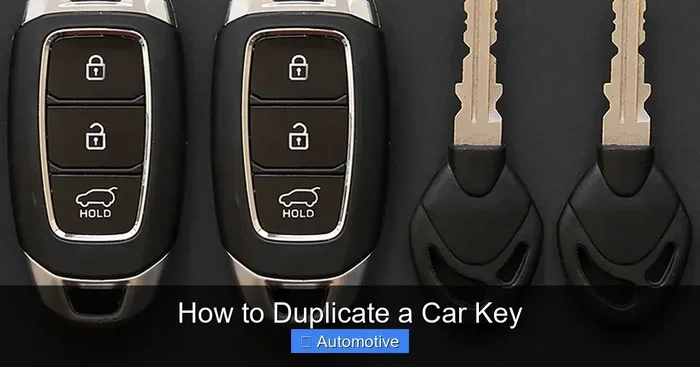
Step 2: Replace the Key Fob Battery
If your car uses a push-button start, the key fob battery is often the culprit. Replacing it is quick and cheap.
- Open the key fob using a small flathead screwdriver or a coin.
- Remove the old battery. Note the model number on it.
- Insert a new battery of the same type, matching the positive and negative sides.
- Snap the fob back together.
- Press the start button with the fob right next to the push-button ignition.
Many cars have a backup immobilizer slot near the steering column or center console. If your fob battery is dead, you can place the fob directly in this slot to start the car. Check your owner’s manual for the exact location.
Step 3: Perform a Battery Reset
A battery disconnect reset can clear the ECU memory and reset the security system. Here is how:
- Turn off the engine and remove the key.
- Open the hood and locate the car battery.
- Using a wrench, disconnect the negative (black) terminal first.
- Wait at least 15 minutes.
- Reconnect the negative terminal.
- Wait another 5 minutes for the ECU to fully reboot.
- Try starting the car with your key or fob.
This method works well after a recent battery replacement or when the onboard computer has experienced a minor glitch. It is one of the most reliable ways to reset car security without any special tools.
Step 4: Check All Doors and the Trunk
Sometimes a door lock actuator fails, and the car thinks a door is open. This triggers the alarm system and locks the car in security mode. Walk around the vehicle and check that all doors, the hood, and the trunk are fully closed. Open and close each one firmly. Listen for the latch to click into place. Then try starting the car again.
Step 5: Use a Car Diagnostic Tool
If the simple methods above do not work, you may need a car diagnostic tool. Also called an OBD-II scanner, this device plugs into the diagnostic port under your steering column. It reads error codes from the ECU and can help you identify the exact problem.
Many auto parts stores lend diagnostic tools for free. You can also buy a basic one for under $50. Look for codes starting with “U” or “B” related to the body control module or security system. Clearing these codes and relearning the key often resolves the issue.
DIY Fixes You Can Try at Home
Not every fix requires a mechanic. There are several DIY methods you can try right now with tools you likely already have at home.
The Spare Key Trick
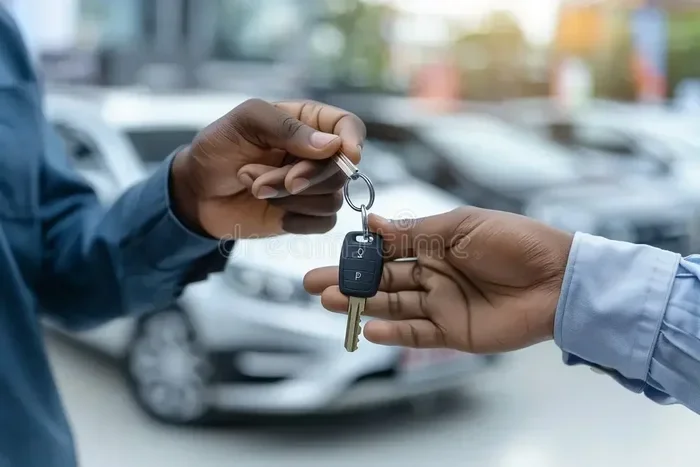
If you have a spare key, try it. Sometimes the original key has lost its programming, but the spare still works. Insert the spare key and attempt to start the car. If it starts, you know the original key needs to be reprogrammed or replaced.
Steering Wheel Unlock
When a car enters security mode, the steering wheel can lock in place. This is a separate anti-theft feature that sometimes gets confused with the immobilizer. Try wiggling the steering wheel left and right while turning the key. If it releases, the steering lock was the issue, not the security system.
Wait It Out
In some cases, the security mode will release on its own after 10 to 30 minutes. If you have tried the key cycle method and the security light is still flashing, just wait. Sit in the car and let the system cycle through its reset process. This works especially well on newer vehicles with advanced key recognition technology.
Check for Software Updates
Modern vehicles run on software. Sometimes a software update from the manufacturer can fix glitches that cause false security lockout events. Visit your dealer or check the manufacturer’s website for any available updates for your model and year.
Quick Tips for a Faster Fix
- Always try the spare key first. It is the fastest way to rule out a bad primary key.
- Keep a spare key fob battery in your glove box. You never know when it will die.
- Write down your VIN before you need it. It helps professionals diagnose issues faster.
- Do not panic. Most security mode situations resolve within 30 minutes.
- Keep your owner’s manual handy. It has model-specific tips that generic guides do not cover.
When to Call a Professional
Most of the time, you can handle security mode on your own. But there are moments when professional help is the right call. Knowing when to make that call saves you time, money, and a lot of frustration.
Signs You Need a Professional
- The security light keeps flashing even after multiple reset attempts.
- The engine cranks but never fires, and none of the DIY fixes work.
- You have tried the spare key, and it also fails to start the car.
- The diagnostic tool shows a code related to the immobilizer or ECU.
- Multiple electronic systems in the car are malfunctioning at the same time.
Who to Call
When DIY fixes fail, you have two main options. A professional locksmith who specializes in automotive locks and keys can reprogram your transponder key on the spot. They carry the equipment to communicate with your car’s ECU and re-pair your key. Alternatively, a dealership technician can run a full car diagnostic and address any software or hardware issues with the security system.
Keep in mind that dealership visits can be expensive. A mobile locksmith is often faster and more affordable. Look for one with good reviews and proper certification. Ask about their experience with your specific car brand before you commit.
Cost Expectations
Replacing a key fob typically costs between $50 and $200, depending on the car model. Reprogramming usually adds another $50 to $100. A full immobilizer repair or ECU replacement can run higher, sometimes $300 to $500. Getting a diagnostic scan first helps you understand the real cost before committing to any repair.
How to Prevent Security Mode from Happening Again
The best fix is the one that never happens. Taking a few simple preventive steps can keep your anti-theft system working as intended without triggering false lockouts.
Replace Key Fob Batteries Regularly
Make it a habit to replace your key fob battery once a year. Most fobs use a CR2032 battery, which is inexpensive and widely available. Set a reminder on your phone or calendar. This one simple habit prevents the most common cause of security mode activation.
Handle Your Keys with Care
Your transponder key contains a delicate electronic chip. Dropping it repeatedly can damage the chip or the internal antenna. Keep your keys in a protective case and avoid placing them near strong magnets or electronic devices that could interfere with the signal.
Keep Your Battery Healthy
A weak car battery can cause voltage drops that confuse the ECU and trigger security mode. Have your battery tested annually, especially before winter. Replace it every 3 to 5 years or sooner if you notice slow cranking or dim lights.
Avoid Aftermarket Alarm Installations
If you must install an aftermarket alarm, have it done by a certified professional. Poor wiring can interfere with the factory security system. Better yet, rely on the factory anti-theft system that came with your vehicle. It is designed to work seamlessly with the rest of the car’s electronics.
Store Spare Keys Properly
Keep a spare key fob and spare physical key in a safe, accessible place. Not in the car itself, but at home or with a trusted family member. If you ever lose your primary key or it gets damaged, having a backup saves you from a full key replacement process.
Regular Maintenance Checks
Include your door lock actuators, ignition switch, and battery terminals in your regular maintenance routine. A quick inspection during every oil change or service visit can catch small problems before they turn into a full security lockout.
Expert Insight
Automotive technicians agree that most security mode incidents are caused by simple, preventable issues. A dead fob battery, a loose connection, or a worn key accounts for the vast majority of calls. Staying on top of basic maintenance and being mindful of how you handle your keys can save you from the stress of a sudden lockout.
Key Takeaways
- Security mode is a protective feature: It locks your car to prevent theft, but it can also lock you out by mistake.
- The key cycle method works most of the time: Turning the key to ON and waiting 10 to 15 minutes re-establishes communication with the ECU.
- A dead key fob battery is the top cause: Replacing it is quick, cheap, and often solves the problem instantly.
- A battery disconnect reset clears ECU glitches: This simple step can reset your entire security system without any tools.
- DIY fixes work for most situations: Try the spare key, steering wheel unlock, and waiting before calling a pro.
- Call a professional when DIY fails: A locksmith or dealership can reprogram keys and diagnose deeper issues with diagnostic tools.
- Prevention keeps security mode away: Regular battery replacement, careful key handling, and routine maintenance stop the problem before it starts.
Conclusion
Dealing with security mode is stressful, but it does not have to be a nightmare. Now that you know how to get your car out of security mode, you have the power to handle it yourself in most cases. Start with the simple fixes. Try the key cycle method. Swap out the key fob battery. Disconnect and reconnect the battery. These steps resolve the issue for the majority of drivers.
If those do not work, dig deeper. Check your doors, try the spare key, and use a diagnostic tool to read error codes. And when all else fails, do not hesitate to call a professional locksmith or dealership technician. They have the tools and expertise to handle even the most stubborn immobilizer issues.
Most importantly, take steps to prevent it from happening again. Replace your fob battery yearly, handle your keys with care, and keep your car battery healthy. A little prevention goes a long way. You now have the knowledge and the confidence to tackle security mode head-on. The next time it happens, you will know exactly what to do. Stay calm, follow the steps, and get back on the road.
Frequently Asked Questions
How long does car security mode last?
Most of the time, security mode clears within 10 to 30 minutes after you try the key cycle method. If it does not clear on its own, you will need to manually reset the system using one of the DIY methods described in this guide.
Can a dead battery cause security mode?
Yes, absolutely. A dead or weak car battery can cause voltage drops that confuse the ECU and trigger the anti-theft system. Replacing the battery or performing a battery disconnect reset often fixes this.
How much does it cost to get out of security mode?
Most DIY fixes cost nothing. If you need a locksmith to reprogram your key, expect to pay between $50 and $200. A dealership diagnostic visit may cost $100 to $150. Serious immobilizer repairs can run $300 or more depending on the vehicle.
Will disconnecting the battery reset the security system?
Yes, disconnecting the negative battery terminal for at least 15 minutes can reset the ECU and clear the security mode. This is one of the most reliable methods for resolving false lockouts caused by minor electrical glitches.
Can I drive my car in security mode?
No, security mode is designed to prevent the car from starting or moving. The immobilizer blocks fuel delivery and ignition to protect the vehicle. You must reset the system before you can drive again.
What should I do if the spare key also fails?
If both keys fail, the issue is likely with the ECU, the immobilizer, or the onboard computer itself. In this case, you should call a professional locksmith or visit a dealership for a full diagnostic scan and repair.