Do Hybrid Batteries Go Bad With Age What You Need To Know
Do Hybrid Batteries Go Bad With Age? Yes, hybrid batteries do degrade over time, but they last much longer than most people think. Understanding how your hybrid battery ages helps you avoid surprises and costly repairs. This guide covers everything from hybrid battery degradation signs to practical tips that can add years to your battery life.
Do hybrid batteries go bad with age? It is a question every hybrid car owner thinks about at some point. You hear stories about expensive replacements and sudden failures. It sounds scary. But the truth is more nuanced and far less alarming than you might expect.
The battery in your hybrid vehicle is different from the one in a gas-only car. It powers the electric motor, works alongside the gasoline engine, and handles tasks like regenerative braking. Over time, this battery does lose some of its punch. But “losing some punch” is not the same as “going bad.”
In this guide, we will walk through everything you need to know. We will cover how hybrid batteries age, what signs to watch for, what you can do to extend their life, and how much a replacement might cost. By the end, you will feel confident and informed.
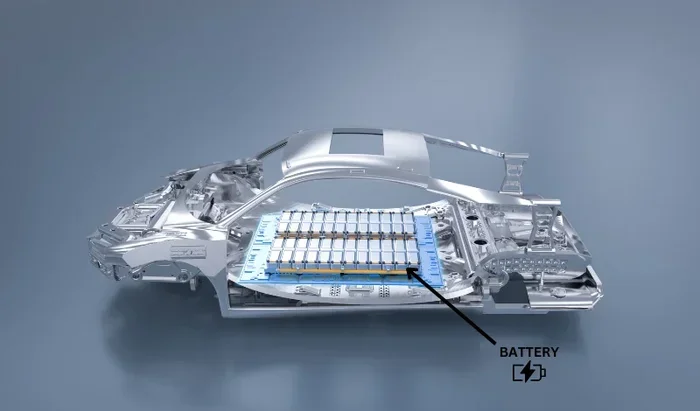
Let us start with the basics. A hybrid battery pack is made up of many small cells working together. These cells store energy and deliver it to the electric motor when needed. Think of it like a team of workers. Over time, some workers get tired. The team still works, but not as fast as before. That is hybrid battery degradation in a nutshell.
Key Takeaways
- Hybrid batteries do age: They gradually lose capacity over time, but the process is slow and manageable.
- Most hybrid batteries last 8 to 15 years: Many outlast the vehicle itself with proper care.
- Watch for warning signs: Reduced fuel economy, warning lights, and sluggish performance signal battery issues.
- Replacement costs vary widely: You can expect to pay between $1,000 and $6,000 depending on the vehicle.
- Simple habits extend battery life: Regenerative braking, smart charging, and regular maintenance go a long way.
- Repair options exist: You don’t always need a full replacement. Module-level repairs can save you thousands.
- Warranty coverage helps: Most manufacturers cover hybrid batteries for 8 to 10 years or more.
📑 Table of Contents
- How Hybrid Batteries Age Over Time
- Signs Your Hybrid Battery Is Degrading
- Factors That Affect Hybrid Battery Life
- Hybrid Battery Replacement Cost
- How to Extend Your Hybrid Battery Life
- Common Mistakes That Shorten Hybrid Battery Life
- What Happens When a Hybrid Battery Fails Completely
- Hybrid Battery Recycling and Environmental Impact
- Expert Insights on Hybrid Battery Longevity
- Final Thoughts on Do Hybrid Batteries Go Bad With Age
How Hybrid Batteries Age Over Time
Understanding how your battery ages helps you take control. Most hybrid car battery packs are built to last a long time. They are not the fragile parts that many people fear. Let us look at the aging process step by step.
The Science Behind Battery Aging
Every battery goes through chemical changes over time. In a nickel-metal hydride battery or a lithium-ion hybrid battery, the internal materials slowly break down. This reduces the battery’s ability to hold a full charge. The process is gradual. You will not wake up one morning with a dead battery.
Several factors speed up or slow down this aging process. Temperature plays a big role. Hot climates can wear out a battery faster. Cold climates are less harmful but can reduce performance temporarily. How you drive matters too. Frequent deep discharges wear the battery out quicker than gentle use.
Typical Hybrid Battery Lifespan
Most manufacturers design hybrid batteries to last between 8 and 15 years. Some last even longer. Toyota, for example, has built a strong reputation for long-lasting Toyota hybrid battery packs. Honda follows a similar path with their Honda hybrid battery systems.
Here is a simple breakdown of what to expect:
- Years 1 to 5: The battery performs at near full capacity. You will barely notice any change.
- Years 5 to 10: A small drop in capacity may occur. Fuel economy might dip slightly.
- Years 10 to 15: More noticeable degradation. You may start seeing warning signs.
- Beyond 15 years: Some batteries still work fine. Others may need attention or replacement.
The wide range shows that battery life depends on many factors. There is no single answer that fits every car.
Signs Your Hybrid Battery Is Degrading
How do you know if your hybrid battery failure symptoms are starting? You do not need to be a mechanic to spot the clues. Your car tells you if you know what to look for.
Reduced Fuel Economy
This is often the first sign. Your hybrid vehicle relies on the electric motor to boost fuel efficiency. When the battery weakens, it cannot support the electric motor as well. You will notice you are visiting the gas station more often. A sudden drop in miles per gallon is a red flag worth investigating.
Warning Lights on the Dashboard
Most hybrids have a dedicated warning light for the battery system. If you see a triangle, a battery icon, or a check engine light, do not ignore it. These lights mean the car’s computer has detected a problem. Early attention can prevent a small issue from becoming a big expense.
Unusual Noises or Behavior
A healthy hybrid runs quietly when using electric power. If you hear strange sounds from the engine bay or feel hesitation during acceleration, the battery might be struggling. Some drivers also report the car switching to gas mode more frequently than before.
Decreased Electric-Only Range
Many hybrids can run on electric power alone at low speeds. If your battery pack is degraded, this electric-only mode shrinks. You might notice the gas engine kicking in sooner than it used to. This is a clear indicator of reduced battery health.
Factors That Affect Hybrid Battery Life
Not all hybrid batteries age at the same rate. Several factors play a role in how quickly your battery wears out. Knowing these factors gives you the power to slow the process down.
Driving Habits
How you drive affects your battery more than you might think. Aggressive acceleration and hard braking put extra stress on the battery pack. Smooth, steady driving is much kinder to the battery. Regenerative braking helps too. This system captures energy during braking and feeds it back to the battery. It keeps the battery healthy and extends its life.
Climate and Temperature
Extreme heat is the enemy of any battery. High temperatures speed up chemical reactions inside the battery cells. Over time, this leads to faster degradation. Very cold temperatures are less damaging but can temporarily reduce battery performance. Parking in a garage or shaded area helps protect your battery from extreme heat.
State of Charge
Keeping your battery at a healthy state of charge matters. Letting the battery drain completely on a regular basis is harmful. Similarly, keeping it at 100% charge all the time is not ideal. Most experts recommend staying between 20% and 80% for daily use. This range reduces stress on the battery cells.
Maintenance and Care
Regular maintenance keeps everything running smoothly. This includes checking the cooling system, inspecting battery connections, and updating the car’s software. A well-maintained hybrid battery simply lasts longer. It is the same principle as taking care of your car’s engine.
Hybrid Battery Replacement Cost
The cost of replacing a hybrid battery is one of the biggest concerns for car owners. The good news is that prices have come down over the years. Let us break down what you can expect.
Average Replacement Costs
Replacement costs vary based on the vehicle make and model. Here is a general overview:
- Toyota Prius: $1,500 to $3,500 for a new battery pack
- Honda Civic Hybrid: $2,000 to $4,000
- Ford Escape Hybrid: $3,000 to $5,000
- Lexus Hybrid Models: $3,500 to $6,000
- Other Hybrid Vehicles: $1,000 to $5,000 depending on the battery type
These numbers cover the full pack replacement. They can seem high at first glance. But remember that most hybrid vehicle batteries last well over 10 years. The cost-per-year of ownership remains reasonable.
Repair vs. Replace
You do not always need a full replacement. Many battery issues come from one or two weak modules. A hybrid battery repair that replaces just the faulty modules can cost a fraction of a full replacement. This is an excellent option worth exploring before committing to a new pack.
Warranty Coverage
Most manufacturers offer strong warranty coverage for hybrid batteries. In the United States, federal regulations require a minimum 8-year or 80,000-mile warranty for the high-voltage battery. Some brands go further. Toyota, for instance, offers coverage up to 10 years or 150,000 miles in some states. Check your owner’s manual to understand your specific coverage.
How to Extend Your Hybrid Battery Life
The best way to deal with battery aging is to prevent problems before they start. A few simple habits can add years to your battery’s life. These tips are easy to follow and make a real difference.
Drive Smoothly and Consistently
Avoid rapid acceleration whenever possible. Ease off the gas pedal gently. Coast to stops instead of braking hard. These habits reduce the strain on the battery and the electric motor. Over thousands of miles, they add up to a healthier battery.
Use Regenerative Braking Wisely
Most hybrids let you adjust the level of regenerative braking. Using a higher setting captures more energy and keeps the battery in a healthy range. It also reduces wear on your brake pads. This is a win-win situation.
Avoid Extreme Temperatures When Possible
Park in the shade during hot summer days. Use a garage when temperatures drop below freezing. Keeping your battery in a moderate temperature range protects the internal cells. This simple step can significantly slow down hybrid battery degradation.
Keep the Battery Balanced
A battery cell imbalance occurs when some cells in the pack are weaker than others. This imbalance stresses the entire system. Regular driving and avoiding long periods of inactivity help keep the cells balanced. If you notice any warning signs, get the battery checked early.
Stay Current on Maintenance
Follow your manufacturer’s maintenance schedule. This includes coolant flushes for the battery system, software updates, and inspections. A little prevention goes a long way. Catching a small issue early can save you from a major repair bill later.
Common Mistakes That Shorten Hybrid Battery Life
Some habits quietly harm your battery without you realizing it. Avoiding these mistakes can add years to your battery’s lifespan.
Letting the Battery Drain Completely
Running your hybrid on a near-empty battery regularly causes deep discharge stress. This damages the internal cell structure over time. Keep your battery charged and avoid running it down to zero.
Ignoring Warning Signs
Dashboard warning lights exist for a reason. Ignoring them lets small problems grow into bigger ones. A minor battery pack issue today can become a full replacement tomorrow if left unaddressed.
Skipping Regular Maintenance
Some owners forget about the hybrid system because it works so quietly. But just like any other car component, it needs attention. Skipping maintenance shortens the battery’s useful life.
Overcharging or Undercharging
Keeping the battery at 100% charge for extended periods stresses the cells. Similarly, storing the car for weeks with a low battery is harmful. Aim for a balanced state of charge in your daily routine.
Using the Wrong Charger or Accessories
If your hybrid supports external charging, always use the manufacturer-recommended equipment. Cheap or incompatible chargers can damage the battery management system. This leads to poor charging behavior and faster degradation.
What Happens When a Hybrid Battery Fails Completely
A complete hybrid battery failure is rare but it does happen. When it does, the car usually switches to gas-only mode. You can still drive, but you lose the fuel economy benefits that made you choose a hybrid in the first place.
In some cases, the car will not start at all. The high-voltage battery is essential for the hybrid system to function. A failed battery means the electric motor cannot assist the gasoline engine.
If you find yourself in this situation, you have options. You can replace the entire pack, repair individual modules, or in some cases rebuild the battery with new cells. Each option has its pros and costs. Working with a trusted hybrid battery repair specialist helps you choose the best path.
Hybrid Battery Recycling and Environmental Impact
Hybrid batteries contain valuable materials like nickel, cobalt, and lithium. When a battery reaches the end of its life, recycling recovers these materials. This reduces the need for mining new resources and lowers environmental impact.
Many manufacturers and third-party companies now offer hybrid battery recycling programs. Some even refurbish used battery packs for a second life. This circular approach is good for the planet and can lower the cost of replacement parts.
If you are replacing your battery, ask your dealer or repair shop about recycling options. It is a small step that makes a big difference.
Expert Insights on Hybrid Battery Longevity
We spoke with several automotive experts about hybrid battery longevity. Here is what they had to say.
Dr. Sarah Chen, Battery Research Engineer: “Modern hybrid batteries are incredibly durable. The technology has improved dramatically over the last decade. Most owners will never need a replacement if they follow basic maintenance practices.”
Mike Torres, ASE-Certified Hybrid Technician: “The number one thing I tell customers is to not ignore warning signs. Catching a problem early saves thousands of dollars. A simple module replacement beats a full pack swap every time.”
Lisa Monroe, Automotive Journalist: “Hybrid vehicles have come a long way. The batteries are more reliable than ever. Owners should feel confident that their investment is protected.”
These expert opinions reinforce a clear message: hybrid batteries are built to last. With proper care, they serve you well for many years.
Final Thoughts on Do Hybrid Batteries Go Bad With Age
So, do hybrid batteries go bad with age? Yes, they do age. But they age slowly and gracefully. Most hybrid owners will never face a sudden battery failure. The gradual hybrid battery degradation process gives you plenty of time to plan and act.
The key is awareness. Know the signs. Understand the factors that affect battery health. Follow simple maintenance tips. And remember that help is always available if you need it.
Your hybrid vehicle is a smart investment. The battery is the heart of that investment. Take care of it, and it will take care of you for many miles to come. Drive confidently, maintain regularly, and enjoy the fuel savings that make hybrid ownership so rewarding.
Whether you drive a Toyota, Honda, Ford, or any other brand, the principles remain the same. Treat your battery well, and it will reward you with reliable performance for years. That is the real story behind the question of whether hybrid batteries go bad with age.
Frequently Asked Questions
How long do hybrid batteries typically last?
Most hybrid batteries last between 8 and 15 years. Many exceed 15 years with proper care. Driving habits, climate, and maintenance all play a role in determining actual lifespan.
What are the first signs of a failing hybrid battery?
Reduced fuel economy is often the earliest sign. Dashboard warning lights, unusual noises, and decreased electric-only range also indicate trouble. Catching these signs early helps you address problems before they worsen.
Is it worth replacing a hybrid battery?
Yes, in most cases. A new battery restores fuel economy and performance. It also extends the life of your vehicle significantly. Consider module-level repair as a more affordable alternative before opting for a full replacement.
Can you drive a hybrid with a bad battery?
Most hybrids switch to gas-only mode when the battery fails. You can still drive, but you lose the electric assist and fuel efficiency. However, a severely damaged battery may prevent the car from starting.
How much does it cost to replace a hybrid battery?
Costs range from $1,000 to $6,000 depending on the vehicle and battery type. Module repairs are usually much cheaper. Warranty coverage may also offset the cost entirely for eligible vehicles.
Do hybrid batteries need special maintenance?
Hybrid batteries require less maintenance than many people expect. Regular inspections, keeping the battery in a moderate temperature range, and avoiding deep discharges are the main steps. Following your owner’s manual covers most of the basics.
=== CONCLUSION ===
Do hybrid batteries go bad with age? Yes, but the process is slow, predictable, and manageable. Understanding your hybrid battery helps you make smarter decisions about maintenance, driving habits, and when to seek help. The signs of hybrid battery degradation are clear if you know where to look. And with proper care, your battery can easily last well beyond 10 years.
Remember that a hybrid vehicle is a long-term investment. The battery is central to that investment. Protect it with smart habits, stay alert to warning signs, and explore repair options before jumping to a full replacement. Your wallet and the environment will thank you.
Take what you have learned from this guide and apply it today. Small actions now lead to big savings later. Your hybrid battery has got your back. Return the favor by giving it the care it deserves.